
 Pevita Pearce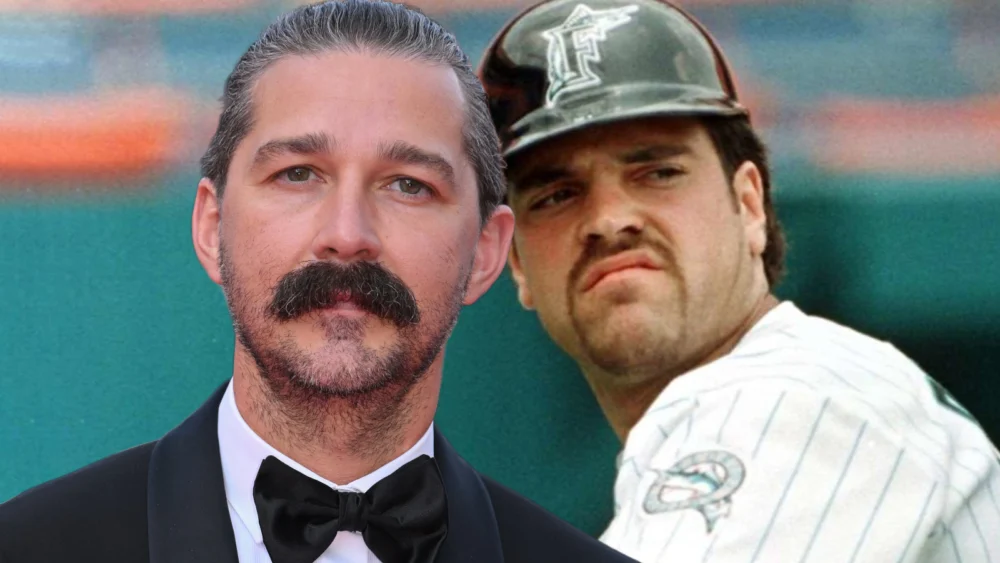
In a recent and candid exchange that has since circulated widely across social media platforms, actor Shia LaBeouf detailed a formative series of experiences from his childhood that fundamentally altered his perspective on celebrity-fan interactions. Speaking with independent journalist Andrew Callaghan for the YouTube channel "Channel 5," LaBeouf claimed that Major League Baseball Hall of Famer Mike Piazza repeatedly refused to sign autographs for him during his youth in Los Angeles. According to the actor, these perceived snubs—estimated at approximately 90 separate occasions—instilled in him a lifelong commitment to never turn away a fan seeking a signature or a photograph, provided certain personal boundaries are respected.
The interview, which took place in the aftermath of LaBeouf’s recent arrest during the Mardi Gras festivities in New Orleans, provided a rare glimpse into the actor’s internal logic regarding his public persona. LaBeouf, who rose to prominence as a child star on the Disney Channel before transitioning into blockbuster franchises and experimental independent cinema, linked his current behavior directly to the disappointment he felt as a young boy standing outside Dodger Stadium.
The Genesis of a Celebrity Philosophy
LaBeouf’s narrative centers on his time as a participant in the Big Brothers program, an organization dedicated to mentoring youth, often from single-parent or underserved households. During the mid-to-late 1990s, a period coinciding with Mike Piazza’s tenure as the star catcher for the Los Angeles Dodgers, LaBeouf frequently attended games and waited near the stadium exits in hopes of meeting his athletic idols.
"Remember trying to get Mike Piazza’s autograph… for my whole life, Mike Piazza," LaBeouf told Callaghan during the interview. When pressed on the frequency of these encounters, the actor alleged that the rejection was a near-constant occurrence. "Every day, bro… 90 times probably. Rejecting me 90 times."
For LaBeouf, these interactions were not merely missed opportunities for memorabilia but were deeply felt emotional rejections. He explained that the players would often sign for the crowd of waiting fans, but that Piazza, in his recollection, consistently bypassed him. This perceived coldness from a sporting hero left an indelible mark on the young LaBeouf, who at the time was navigating a complex childhood that he has previously documented in his semi-autobiographical film, Honey Boy.
A Self-Imposed Mandate for Fan Engagement
The actor transitioned from discussing his childhood grievances to explaining how they dictate his professional conduct today. LaBeouf asserted that he views his accessibility as a corrective measure against the disappointment he experienced. "So what it did was, I’m gonna sign them all," he stated, referring to the autographs requested by his own fans.
However, LaBeouf noted that his "never say no" policy does have specific, practical caveats. He informed Callaghan that he only declines requests under three specific circumstances: if he is spending time with his child, if he is in the middle of a meal, or if he is pursuing a romantic interest. Outside of these scenarios, the actor maintains that he feels a moral or empathetic obligation to acknowledge those who support his work.
This stance is notable given LaBeouf’s often tumultuous relationship with fame. Over the past decade, he has fluctuated between massive commercial success in films like Transformers and Indiana Jones and the Kingdom of the Crystal Skull, and public performance art pieces that often critiqued the nature of celebrity, such as his 2014 "I AM NOT FAMOUS ANYMORE" red carpet appearance.
Historical Context: The Careers of LaBeouf and Piazza
To understand the timeline of these events, one must look at the overlapping careers of both figures. Mike Piazza played for the Los Angeles Dodgers from 1992 until 1998. During this window, Shia LaBeouf, born in 1986, would have been between the ages of six and twelve—the exact demographic typically involved in youth mentorship programs like Big Brothers and most likely to seek autographs at the ballpark.
Piazza, widely regarded as one of the greatest hitting catchers in baseball history, was a massive figure in Los Angeles sports during that era. He was named the National League Rookie of the Year in 1993 and was a perennial All-Star during his time with the Dodgers. Following a brief stint with the Florida Marlins, he moved to the New York Mets, where he further solidified his legendary status before being inducted into the National Baseball Hall of Fame in 2016.
While Piazza has not issued a formal response to LaBeouf’s comments, the culture of autograph seeking at professional sports venues is often described by athletes as a logistical challenge. Major League players frequently deal with hundreds of requests per day, and many organizations have specific protocols to manage fan flow and security. However, for a child participant in a program like Big Brothers, the distinction between a logistical "no" and a personal "no" can be indistinguishable.
The Role of Mentorship Programs in LaBeouf’s Upbringing
The mention of the Big Brothers program (now Big Brothers Big Sisters of America) adds a layer of sociological context to LaBeouf’s claims. The organization is designed to provide children with "Bigs"—adult volunteers who take them to cultural and sporting events to provide stability and positive role models. For many children in the program, a trip to a Major League Baseball game is a pinnacle event.
LaBeouf has been vocal in the past about his upbringing in Echo Park, Los Angeles, describing it as a period of financial instability and exposure to adult themes at a young age. His father, a Vietnam War veteran and former circus clown, had a complicated relationship with his son, as depicted in Honey Boy. In this context, the "rejection" by a figure like Piazza may have carried more weight, representing a failure of the "hero" archetype that the Big Brothers program sought to introduce into his life.
Psychological Implications of Celebrity "Gatekeeping"
Sociologists and psychologists who study fan-celebrity dynamics often point to "parasocial relationships"—one-sided bonds where a fan feels a deep personal connection to a public figure. When a fan, particularly a child, experiences a negative interaction with that figure, it can lead to what is known as "parasocial heartbreak."
In LaBeouf’s case, he appears to have utilized this heartbreak as a blueprint for his own professional ethics. By vowing to "sign them all," he is essentially attempting to heal his younger self by ensuring no other child feels the sting of rejection he felt at Dodger Stadium. This form of "compensatory behavior" is common among individuals who have achieved the status they once admired from afar.
Recent Controversies and the Channel 5 Interview
The interview with Andrew Callaghan comes at a period of significant transition and continued scrutiny for LaBeouf. In recent years, the actor has faced serious allegations of abuse from a former partner, which led to a hiatus from major Hollywood productions. During this time, he has spoken about a spiritual conversion to Catholicism, influenced by his role as the titular saint in the film Padre Pio.
The specific interview in question was conducted following LaBeouf’s arrest in New Orleans during Mardi Gras 2024. While the full details of the arrest and the subsequent interview cover a wide range of topics—including his sobriety, his views on modern media, and his current family life—it is the clip regarding Mike Piazza that has garnered the most traction. This is likely due to the relatability of the story and the specific naming of a sports icon who is generally well-regarded in the public eye.
Broader Impact on Fan-Celebrity Relations
LaBeouf’s comments contribute to an ongoing dialogue about the "obligations" of public figures. In the digital age, where fans expect constant access through social media, the physical act of signing an autograph has become a symbol of "old-school" celebrity engagement.
The debate remains divided: some argue that celebrities owe their fans time and attention as a "tax" on their success and wealth, while others maintain that public figures deserve privacy and the right to refuse engagement without being labeled as "villains." LaBeouf’s admission places him firmly in the former camp, albeit with the caveat that his motivation is rooted in personal trauma rather than a mere desire for popularity.
Conclusion and Future Outlook
As the video continues to circulate, it serves as a reminder of how childhood experiences can shape adult professional philosophies. Whether Mike Piazza truly rejected the young actor 90 times or if the number is an exaggeration born of childhood frustration, the impact on Shia LaBeouf’s behavior is tangible.
While Mike Piazza continues his post-baseball career—which has included coaching the Italian national baseball team and various business ventures—he remains a beloved figure for many. Shia LaBeouf, meanwhile, continues to navigate a complex path of career rehabilitation and personal reflection. By sharing this anecdote, LaBeouf has shifted the narrative from his recent legal troubles to a discussion on empathy, the weight of celebrity influence, and the long-lasting effects of a simple "no."
The actor’s commitment to his fans, born from the bleachers of Dodger Stadium, stands as one of the more consistent aspects of his otherwise unpredictable career. As he told Callaghan, the memory of being a kid waiting for a sign remains a driving force in how he occupies his space in the world of fame.




 Yuyun Lusiyani
 Joko Widodo
 Eva Lovia
 admin
admin
 Lina Irawan