
 Jia Lissa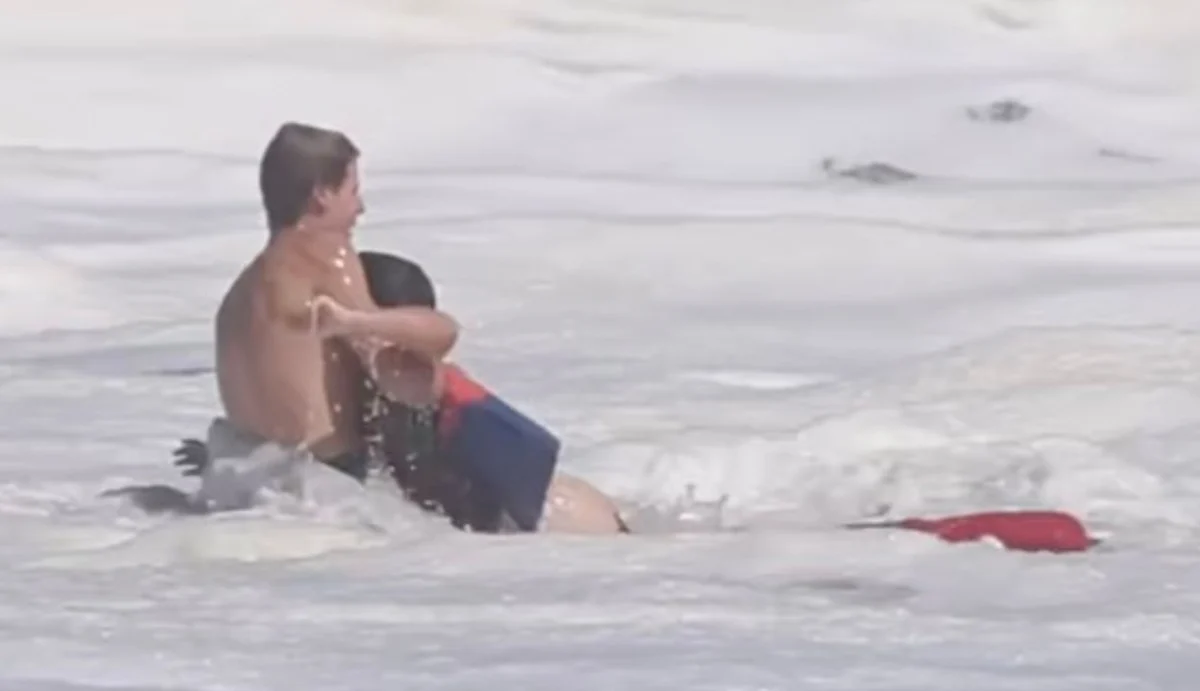
President Donald Trump has announced his intention to bestow a high civilian honor upon a 16-year-old lifeguard whose heroic actions during a perilous ocean rescue in Santa Cruz, California, were captured in a viral video that resonated across the nation. The decision follows a public recommendation from his son, Eric Trump, who highlighted the teenager’s bravery as an exemplary display of American character. The incident, which occurred over a mid-July weekend at Seabright Beach, has drawn international attention to the life-saving efforts of young first responders and the treacherous conditions of the California coastline.
The Heroic Act at Seabright Beach
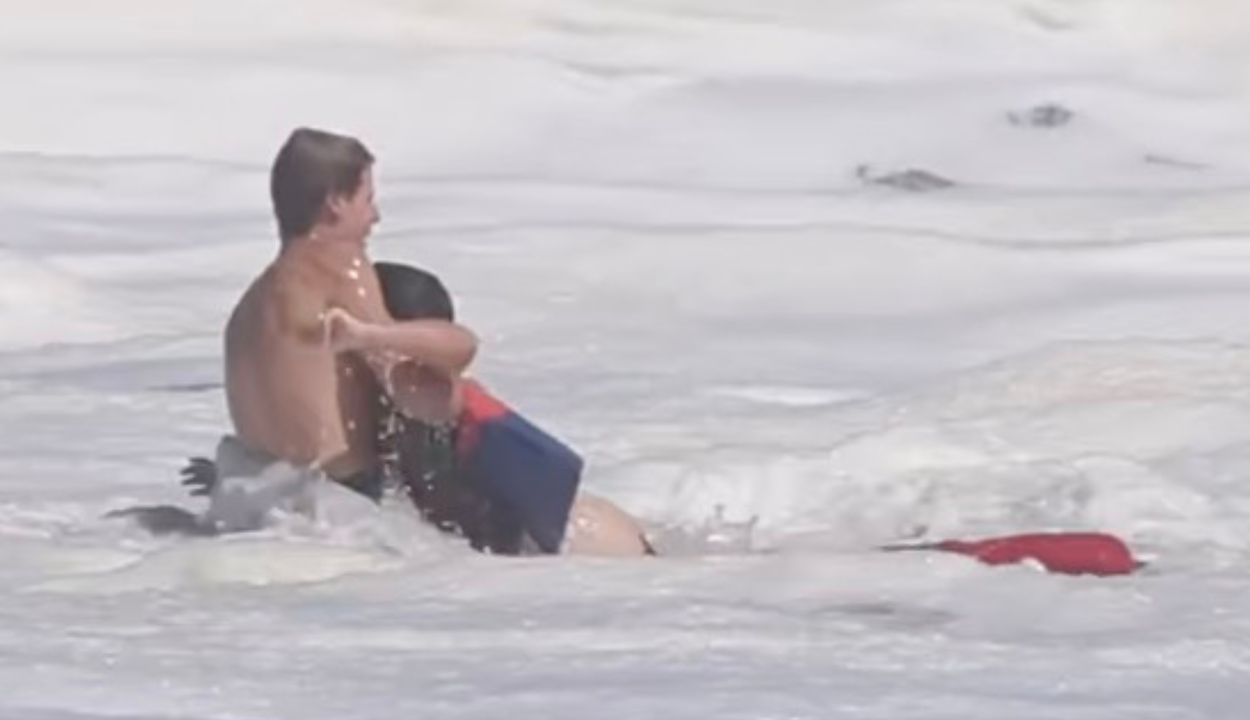
The rescue took place at Seabright State Beach, a popular but often dangerous stretch of coastline known for its powerful shorebreak and unpredictable rip currents. On the afternoon of the incident, a young boy was caught in a "monster surf," struggling to keep his head above water as successive waves crashed over him. The 16-year-old lifeguard, later identified by his mother on social media as "Ryder," was filmed navigating the turbulent whitewater to reach the child.
Footage of the event, captured by beachgoer Scott Vander Dussen, shows the lifeguard maintaining a firm, unwavering grip on the boy while battling a relentless series of waves that threatened to pull both of them deeper into the Pacific. Despite the physical toll of the "pulse-pounding" rescue, Ryder managed to navigate the child back to the safety of the shore. Vander Dussen, who operates the SantaCruzNow Instagram page, posted the video on Sunday, July 12, where it immediately garnered millions of views and thousands of comments praising the teenager’s composure and physical strength.
The Viral Catalyst and Social Media Reach
The transition from a local news story to a matter of national interest was accelerated by the power of social media algorithms and high-profile endorsements. On Monday, July 13, Eric Trump shared the footage on X (formerly Twitter), calling for formal recognition of the lifeguard’s actions. "Give this 16-year-old lifeguard the highest civilian honor," Eric Trump posted. "This is truly the best of America! Well done!"
The post served as a catalyst, propelling the video into the feeds of millions of additional users and catching the attention of the President. By Tuesday morning, President Trump utilized his Truth Social platform to confirm that he intended to act on the suggestion. Sharing a screenshot of his son’s post, the President wrote: "We’re going to bring this heroic young man, and his family, into the White House with, perhaps, the boy he saved, to give him a High Civilian Honor. Very brave, he deserves it!"
Presidential Recognition and the White House Invitation
The President’s pledge to host Ryder at the White House places the young lifeguard in a rare category of civilian heroes. While the specific award was not named in the initial announcement, the phrase "High Civilian Honor" typically refers to the Presidential Medal of Freedom or the Presidential Citizens Medal.
The Presidential Medal of Freedom is the nation’s highest civilian award, established by President John F. Kennedy in 1963 to recognize individuals who have made "an especially meritorious contribution to the security or national interests of the United States, world peace, cultural or other significant public or private endeavors." The Presidential Citizens Medal, established by President Richard Nixon in 1969, is specifically intended to recognize U.S. citizens who have performed "exemplary deeds of service" for their country or their fellow citizens.
The invitation to the White House is expected to include not only Ryder’s family but also the young boy who was rescued, highlighting the administration’s focus on "human interest" stories that emphasize traditional values of service and courage.
The Technical Demands of Ocean Rescue
The rescue at Seabright Beach was not merely a feat of luck but a demonstration of rigorous training. In California, seasonal lifeguards—often as young as 16—must undergo grueling certification processes. These typically include a 1,000-meter open-ocean swim, a series of run-swim-run drills, and extensive training in CPR, first aid, and specialized water rescue techniques.
According to data from the United States Lifesaving Association (USLA), professional lifeguards at USLA-affiliated beaches perform tens of thousands of rescues annually. The survival rate for individuals rescued by a lifeguard is over 99%. However, the conditions described at Seabright Beach over the weekend were particularly hazardous. "Monster surf" conditions often involve significant wave heights and rapid-fire intervals between sets, which can quickly exhaust even the most experienced swimmers. Ryder’s ability to maintain a grip on the victim while being submerged by breaking waves is cited by maritime safety experts as a testament to the high standard of training provided to California State Parks lifeguards.
Regional Context: The Dangers of the Santa Cruz Coastline
Santa Cruz is a hub for maritime activity, but its geography creates unique hazards. Seabright Beach is situated between the Santa Cruz Beach Boardwalk and the Santa Cruz Harbor. It is notorious for a "steep beach face," which causes waves to break with immense force directly onto the sand, a phenomenon known as "shorebreak." This can cause spinal injuries and make it nearly impossible for small children to regain their footing once knocked down.
Furthermore, the Central Coast of California is subject to "sneaker waves"—disproportionately large waves that appear without warning. The National Weather Service (NWS) frequently issues High Surf Advisories for this region. While the specific weather data for the day of the rescue indicated moderate swells, the localized conditions at Seabright can amplify wave energy, creating the "monster surf" seen in the viral video.
Political Backdrop: Diplomacy and Domestic Recognition
The timing of President Trump’s announcement coincided with a period of intense diplomatic and domestic activity. On the same day he pledged to honor Ryder, the President held a series of high-stakes, closed-press meetings at the White House. These included sessions with Ukrainian President Volodymyr Zelensky and Israeli Prime Minister Benjamin Netanyahu.
Both foreign leaders were in Washington D.C. to attend the funeral of Senator Lindsey Graham (R-SC), a long-serving statesman and influential figure in American foreign policy. The juxtaposition of these international security discussions with the domestic story of a teenage lifeguard highlights a common presidential strategy: balancing global statesmanship with "hometown" narratives that resonate with the domestic electorate. By elevating a story of individual heroism, the President aims to project a message of national resilience and unity during a time of mourning for a prominent legislative leader.
Public Safety and the Role of Bystander Documentation
The role of Scott Vander Dussen in this narrative cannot be overlooked. In the modern era, the "citizen journalist" or bystander with a smartphone frequently serves as the primary source for news that might otherwise go unnoticed by national outlets. The SantaCruzNow Instagram page, which focuses on local community events and coastal beauty, provided the raw evidence necessary for the story to gain traction.
Public safety officials often have a complicated relationship with bystander videos, noting that while they can highlight heroism, they can also encourage "spectator interference" during emergencies. However, in this instance, the documentation has been lauded for providing a clear, objective view of the risks lifeguards take daily. It also serves as a public service announcement regarding the dangers of the ocean, reminding beachgoers of the importance of swimming near a staffed lifeguard station.
Broader Impact and Implications
The recognition of Ryder is likely to have a significant impact on lifeguard recruitment and the visibility of youth service programs. Across the United States, many coastal communities have reported shortages of seasonal lifeguards in recent years. High-profile recognition from the executive branch serves to validate the profession and may inspire a new cohort of young athletes to pursue first-responder roles.
Furthermore, the story provides a rare moment of bipartisan consensus. While the recommendation came from a political family, the act of saving a child from drowning is a universal value that transcends partisan divides. The upcoming White House ceremony will likely be framed as a celebration of "the best of America," focusing on the selflessness of the younger generation.
As the White House coordinates with the lifeguard’s family and the family of the rescued boy, the story remains a top trending topic on social media. It serves as a stark reminder of the power of the ocean and the vital importance of those who stand watch over its shores. Ryder, the 16-year-old from Santa Cruz, now stands as a national symbol of bravery, awaiting an honor that few civilians ever receive.



 Yuyun Lusiyani
 Joko Widodo
 Pevita Pearce
 admin
admin
