
 Pevita Pearce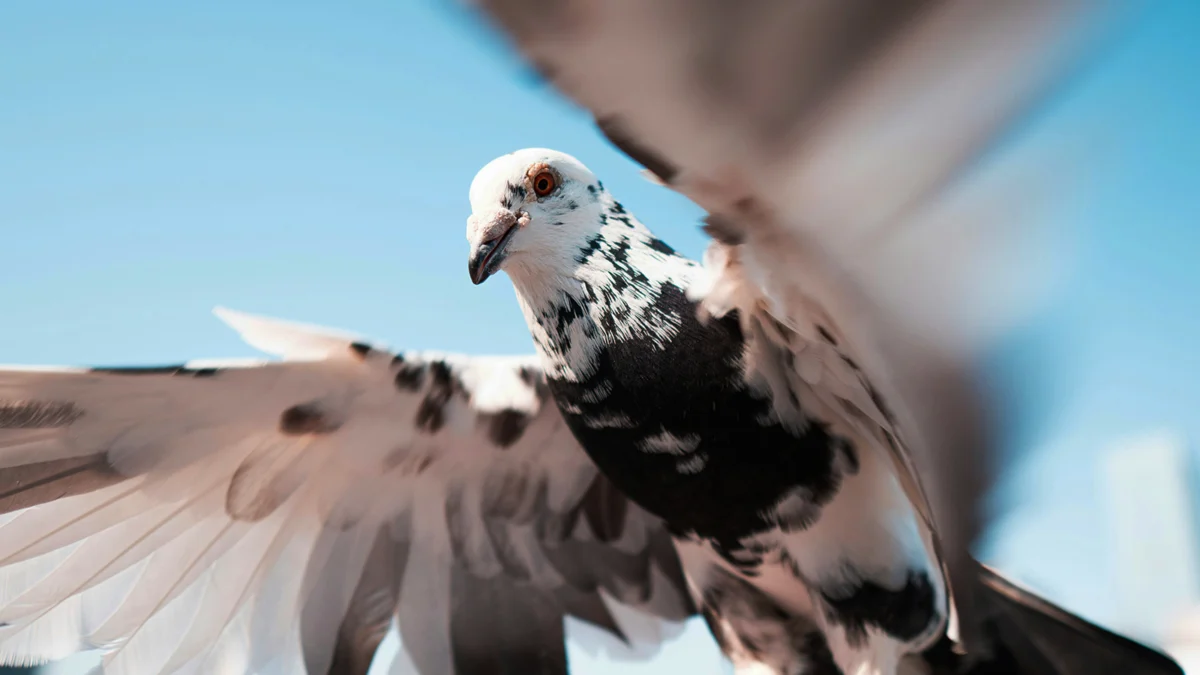
Residents of Burwood, a bustling suburb in Sydney’s Inner West, are grappling with a protracted and bizarre environmental crisis that has been dubbed the "poo explosion." For more than two years, a mysterious individual, known locally as the "Burwood Birdman," has been systematically depositing large quantities of bird feed across residential areas under the cover of darkness. This clandestine activity has resulted in a massive influx of avian life every morning, leading to significant property damage, sanitation hazards, and a breakdown in neighborhood tranquility. Despite numerous attempts by local residents to intervene or identify the individual, the man remains silent, continuing his routine and baffling both the community and local authorities.
The Anatomy of a Nocturnal Routine
The phenomenon follows a precise and unsettling schedule. According to eyewitness accounts and security footage collected by residents, the unidentified man typically arrives in the neighborhood between the hours of 2:00 AM and 4:00 AM. Clad in inconspicuous clothing, he traverses specific streets, emptying bags of grain, bread, and specialized birdseed onto sidewalks, nature strips, and even private driveways.
By the time the sun rises, the quiet residential streets are transformed into a chaotic feeding ground. Hundreds of birds—predominantly feral pigeons, but also including native species such as Sulphur-crested Cockatoos and Australian White Ibises—descend upon the area. The result is what residents describe as "mayhem." The noise of hundreds of birds competing for food serves as a premature alarm clock for the neighborhood, while the aftermath of the feeding frenzy leaves a literal trail of destruction.
The Environmental and Sanitation Crisis: A "Poo Explosion"
The most visceral impact of the Birdman’s actions is the staggering volume of avian waste left behind. Urban planners and environmental health experts use the term "poo explosion" to describe the rapid accumulation of droppings that occurs when bird populations are artificially concentrated in high densities.
Bird droppings are not merely an aesthetic nuisance; they are highly acidic. In Burwood, residents have reported permanent damage to vehicle paintwork and the erosion of building facades. The uric acid in the waste can eat through wax finishes on cars and penetrate the porous surfaces of stone and brickwork if not cleaned immediately. Furthermore, the sheer volume of waste on public footpaths creates a slip hazard and forces pedestrians to navigate a literal minefield of filth to avoid tracking pathogens into their homes or offices.
Public Health Implications of Artificial Feeding
Beyond the property damage, health professionals have raised alarms regarding the zoonotic risks associated with such high concentrations of birds in an urban environment. Artificial feeding disrupts the natural foraging behaviors of birds, leading to overpopulation in areas that cannot naturally support such numbers.
- Disease Transmission: Large gatherings of birds facilitate the spread of diseases such as Psittacosis (parrot fever), Histoplasmosis, and Cryptococcosis. These fungal and bacterial infections can be transmitted to humans through the inhalation of dried, pulverized droppings.
- Pest Attraction: The excess grain and bread left behind by the Birdman do not only attract birds. Residents have reported a secondary surge in rodent activity. Rats and mice are frequently sighted scavenging the leftovers after the birds have finished, creating a multi-layered pest control issue for the Burwood Council.
- Nutritional Deficiencies: Ornithologists point out that the food being provided—often processed white bread or cheap grain mixes—is detrimental to the birds’ health. It can lead to "Angel Wing," a deformity in birds caused by a high-calorie, low-nutrient diet, which eventually renders them unable to fly.
Community Theories and the Psychology of the "Birdman"
The mystery of the man’s identity and his refusal to communicate has led to a flurry of speculation among the Burwood populace. During interviews with local news outlets, including Nine Australia, residents have proposed various theories regarding his motives.
One prevalent theory suggests a "scorched earth" vendetta. Some residents speculate that the man may be a disgruntled former inhabitant of the area, or perhaps a "scorned lover" seeking to annoy a specific individual living in one of the apartment complexes. Another theory posits that the man is being paid by a third party to devalue property in the area, though there is no evidence to support this claim.
More likely, according to psychological profiles of similar "guerrilla feeders" in other global cities, the man may be motivated by a misplaced sense of altruism. Such individuals often believe they are the sole providers for animals that would otherwise starve, ignoring the ecological reality that urban birds are highly adept scavengers. This "saviour complex" often results in a total disregard for local regulations or the impact on human neighbors.
The Legal and Regulatory Challenge
The Burwood Council faces a complex challenge in curbing the Birdman’s activities. Under the New South Wales Protection of the Environment Operations Act 1997, the act of leaving large quantities of food on the ground can be classified as littering. However, enforcement requires catching the individual in the act and successfully issuing a fine—a difficult task given his nocturnal schedule and evasive maneuvers.
Furthermore, many local councils have specific by-laws regarding the feeding of wildlife, but these are often difficult to prosecute without sustained surveillance. Residents have expressed frustration that despite providing video evidence to authorities, the man continues his 4:00 AM rounds with impunity. The man reportedly ignores all "No Feeding" signs posted throughout the neighborhood, and when confronted by residents, he maintains a steadfast silence, refusing to engage in dialogue or explain his actions.
Timeline of the Burwood Conflict
The escalation of the "Birdman" saga can be traced through a series of milestones over the past 24 months:
- Mid-2022: Initial reports of unusual bird activity in specific Burwood blocks begin to surface on community social media groups.
- Late 2022: Residents identify a pattern, noting that the birds seem to congregate around 6:00 AM, suggesting a pre-dawn feeding.
- Early 2023: The first "poo explosion" is reported. Local car wash businesses see an uptick in customers from the area complaining of "calcified" droppings.
- Late 2023: Security camera footage captures the "Birdman" for the first time. The footage shows a man systematically distributing feed from a large bag.
- Early 2024: Residents attempt a "neighborhood watch" style intervention. The man is confronted but remains silent and continues his task.
- Mid-2024: National media outlets pick up the story, highlighting the "Burwood Birdman" as a case study in urban conflict and the limits of local government intervention.
Broader Impact on Urban Wildlife Management
The situation in Burwood is a microcosm of a larger global issue: the tension between human residents and urban wildlife. As cities become more densely populated, the management of species that thrive in human environments becomes more critical.
In many cities, such as London, Venice, and Singapore, feeding pigeons is a fineable offense due to the "rat with wings" stigma and the damage caused to historic architecture. In Australia, the approach has traditionally been one of education rather than strict enforcement. However, cases like the Burwood Birdman suggest that education is ineffective when an individual is operating outside of social norms.
Experts suggest that the only way to break the cycle is to remove the food source entirely. If the feeding stops, the bird population will disperse within weeks as the animals return to natural foraging grounds or move to other areas with available food. However, as long as the Birdman remains committed to his 4:00 AM routine, the residents of Burwood remain trapped in a cycle of cleaning and frustration.
Conclusion: A Neighborhood in Limbo
As of late 2024, the Burwood Birdman continues his clandestine operations. The residents are left to deal with the daily "mayhem" of the sunrise feeding frenzy and the subsequent sanitation issues. The case highlights a significant gap in urban management: how to handle a non-violent but highly disruptive individual whose actions fall into a legal grey area between littering and animal husbandry.
Until the Burwood Council or local law enforcement can implement a more effective deterrent, or until the "Birdman" himself decides to cease his activities, the "poo explosion" remains a daily reality. The story serves as a cautionary tale about the delicate balance of urban ecosystems and the profound impact that a single person’s persistent behavior can have on an entire community’s quality of life. For now, the people of Burwood watch the clock, knowing that when the sun rises, the quiet of their street will once again be shattered by the wings and waste of a thousand uninvited guests.



 Yuyun Lusiyani
 Joko Widodo
 Jia Lissa
 admin
admin
