
 Nila Kartika Wati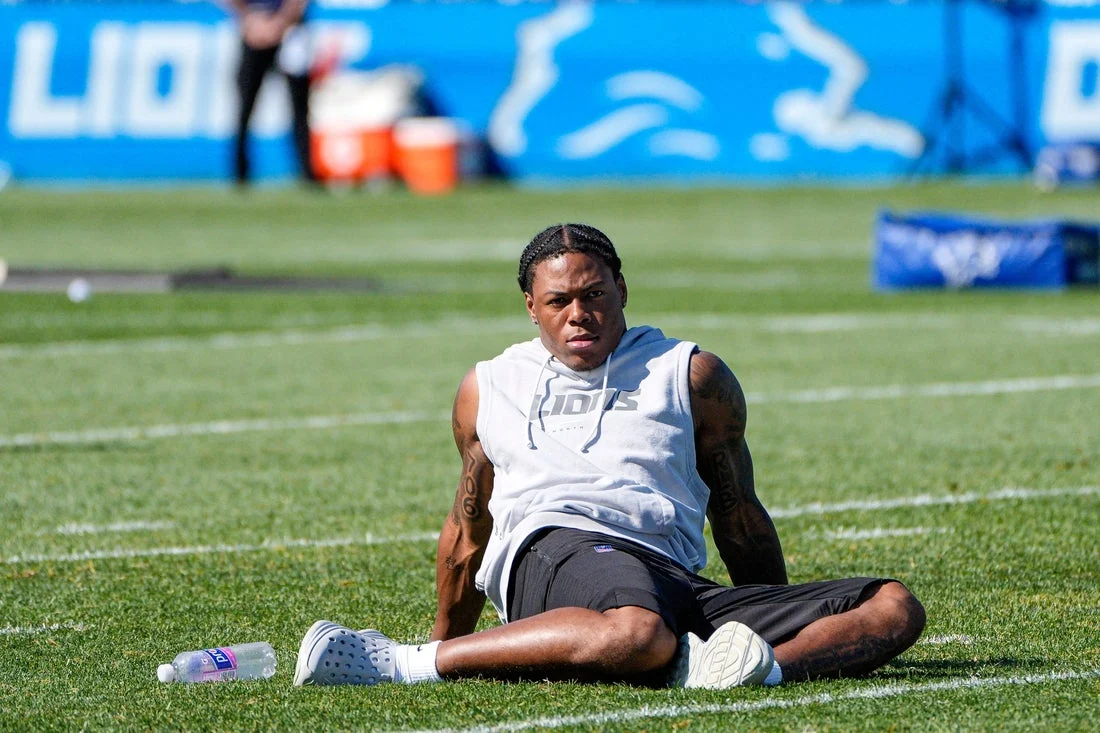
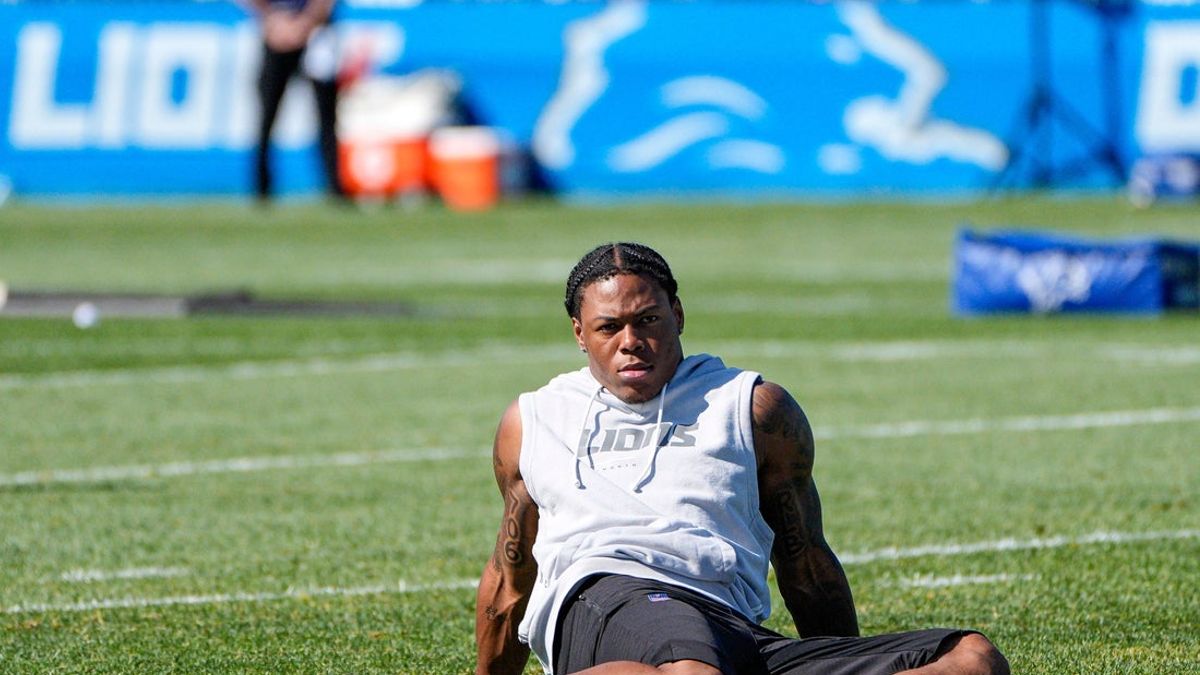
Detroit, MI – August 3, 2026 – The contract standoff involving Detroit Lions star running back Jahmyr Gibbs entered its fifth consecutive practice day on Monday, as the 24-year-old Pro Bowl selection continues to seek a long-term contract extension this offseason. Gibbs, a pivotal figure in the Lions’ offensive resurgence, was once again a conspicuous presence on the sidelines at the Meijer Performance Center in Allen Park, observing team drills and engaging in conversations with teammates between periods. His absence from full participation marks a significant development in the team’s training camp, underscoring the growing trend of high-profile running backs prioritizing financial security in an increasingly challenging market for the position.
The Evolving Landscape for NFL Running Backs
Gibbs’ situation is not an isolated incident but rather a symptom of a broader trend impacting the National Football League’s running back landscape. In recent years, the value and contract structure for this traditionally vital position have faced considerable scrutiny. Many top-tier running backs, after their rookie contracts and the exercise of fifth-year options, find themselves in a precarious negotiating position. The physical demands of the position, coupled with a perceived devaluation in offensive schemes that favor passing, often lead to shorter career spans and less lucrative long-term deals compared to other positions.
This environment has prompted several prominent ball carriers to adopt a “hold-in” strategy – remaining with the team and participating in non-contact activities while signaling dissatisfaction with their current contract status. This tactic allows players to avoid potential injury while still applying pressure on their respective organizations to engage in meaningful contract negotiations. Gibbs’ decision to employ this strategy highlights his commitment to securing a deal that reflects his contributions and perceived market value.
Chronology of the Hold-In
Gibbs’ absence from full practice commenced prior to the team’s first full-padded session of training camp. He has consistently been present at the facility, adhering to his contractual obligations of reporting and attending team meetings and walkthroughs. However, his participation has been limited to observing from the sidelines, a clear indication that he is not engaging in the physical aspects of practice that could expose him to injury while his contract situation remains unresolved.
Monday, August 3, 2026, marked the fifth consecutive practice day Gibbs has missed in terms of full participation. This sustained absence has naturally drawn the attention of media and fans alike, particularly given his established importance to the Lions’ offensive scheme. His brief interaction with reporters on Monday, where he stated, "it’s not about that," when questioned about the necessity of a new deal before returning to the field, offered little in the way of definitive timeline but underscored his focus on the contractual aspect of his situation. The phrase suggests a desire for a long-term resolution rather than a short-term agreement.
Supporting Data and Performance Metrics
Jahmyr Gibbs has established himself as one of the NFL’s most dynamic offensive weapons since being drafted 12th overall in the 2023 NFL Draft. In his three seasons with the Lions, he has amassed an impressive 5,029 yards from scrimmage, contributing significantly with 49 touchdowns in 49 games. While his starts have been limited to 24 across this span, his impact has been undeniable.
His 2025 season, in particular, showcased his dual-threat capability. Gibbs started all 17 games, a testament to his durability and importance. He rushed for a career-high 1,223 yards and scored 13 touchdowns on the ground. Simultaneously, as a receiver out of the backfield, he set personal bests with 77 receptions for 616 yards and five receiving touchdowns. This all-around production highlights his value not just as a runner but as a critical component of the Lions’ passing attack, making his contract a significant consideration for the team’s future offensive planning.
His current contract situation is particularly noteworthy. Gibbs is heading into the fourth year of his rookie deal, with a base salary of $1.1 million and a $2 million roster bonus scheduled for the upcoming season. In April of 2026, the Lions exercised the fifth-year option on his contract, a move that guarantees him $14.29 million in 2027, provided he remains on the roster. While this option provides a degree of financial security, it falls short of the long-term security and market-value compensation many believe a player of Gibbs’ caliber deserves.
Parallel Situations and Industry Trends
Gibbs’ hold-in is mirrored by similar situations involving other elite running backs, further illustrating the current market dynamics. Notably, Atlanta Falcons’ Bijan Robinson, who was selected eighth overall in the 2023 draft, five picks before Gibbs, has also adopted a "hold-in" stance. The Falcons, having exercised Robinson’s fifth-year option before the 2026 draft, are also navigating contract discussions with their star playmaker. Robinson himself led the NFL in all-purpose yards in 2025 with an astounding 2,298, underscoring his immense value to the Falcons’ offense.
Another prominent example is Indianapolis Colts running back Jonathan Taylor. Taylor is currently participating in practices as he enters the final season of his three-year, $42 million contract. Despite the looming free agency, Taylor has expressed confidence in the Colts’ commitment to reaching a new deal before the season commences. This sentiment is echoed by Colts CEO Carlie Irsay-Gordon, who has publicly stated her desire for Taylor to "be a Colt for life." This contrasts with the ongoing negotiations for Gibbs, where the path to a long-term agreement appears less clear at this juncture.
The financial implications for running backs are stark when compared to other positions. For instance, in the 2023 draft, top wide receivers and quarterbacks secured significantly larger initial contract values and long-term guarantees. This disparity has fueled the ongoing debate about the financial recognition of running backs in today’s NFL.
Potential Implications for the Detroit Lions
Jahmyr Gibbs’ hold-in carries several potential implications for the Detroit Lions as they prepare for the upcoming season. Firstly, it disrupts the continuity of their offensive preparation. While Gibbs is present and observing, his absence from full practice reps means he is not honing his timing and chemistry with the offensive line and quarterback during live drills. This could potentially affect the seamless integration of their offensive schemes in the early weeks of the regular season.
Secondly, the prolonged negotiation process can create an atmosphere of uncertainty within the locker room. While teammates have expressed support for Gibbs, contract disputes can sometimes cast a shadow over team dynamics. The Lions’ coaching staff and front office will be keen to resolve this situation swiftly to ensure the team’s focus remains squarely on achieving their season objectives.
From a financial perspective, the Lions are faced with a critical decision. They have invested heavily in their roster, and Gibbs represents a significant asset. The challenge lies in structuring a contract that is both fair to Gibbs and sustainable within the team’s overall salary cap. The growing trend of running back hold-ins suggests that players are increasingly unwilling to accept contracts that do not align with their perceived market value and the longevity of their careers.
Official Responses and Future Outlook
As of Monday, August 3, 2026, there have been no official statements from the Detroit Lions organization regarding the specifics of Jahmyr Gibbs’ contract negotiations beyond the acknowledgement that the team picked up his fifth-year option. However, Head Coach Dan Campbell has consistently emphasized the importance of player commitment and presence at training camp. It is reasonable to infer that behind closed doors, both the team’s general manager and the player’s agent are actively engaged in discussions.
The "only time will tell" sentiment expressed by Gibbs suggests that a resolution is not imminent and that both parties are prepared for a potentially protracted negotiation. The Lions’ commitment to retaining their core players is well-documented, but the financial realities of the NFL salary cap, especially concerning the running back position, present a complex puzzle.
The resolution of Gibbs’ contract situation will not only impact the Lions but also serve as another data point in the ongoing evolution of player contract negotiations for running backs across the league. As the market continues to shift and players advocate for greater financial recognition, the outcomes of these hold-ins and negotiations will shape the future landscape for the position. The Lions, and indeed the entire NFL, will be watching closely to see how this situation unfolds.


 Yuyun Lusiyani
 Joko Widodo
 Jia Lissa
 Pevita Pearce
 admin
admin
