
 Lina Irawan
The emergence of the "ecopreneur"—a new generation of business innovators who prioritize ecological preservation alongside financial viability—is fundamentally altering the landscape of the Australian startup ecosystem. This shift is being catalyzed by a high-level collaboration between the Taronga Conservation Society Australia and LG Electronics Australia through the Hatch: Taronga Accelerator Program. As a specialized launchpad for conservation and sustainability initiatives, Hatch is designed to address the unique hurdles faced by startups that operate under a "double bottom line," seeking to generate both profit and measurable environmental impact. Since its inception, the program has become a critical nexus where technological innovation meets traditional conservation efforts, providing the capital, mentorship, and industry connections necessary to scale solutions for some of the planet’s most pressing environmental challenges.

The program addresses a broad spectrum of ecological concerns, ranging from biodiversity loss and habitat destruction to the inefficiencies of linear economic models and the global food waste crisis. By empowering teams to tackle issues such as sustainable design, circular economies, and renewable energy, Hatch is facilitating a transition toward a future where environmental stewardship is integrated into the core of commercial enterprise. Notable recent innovations supported by the program include the development of edible coffee containers manufactured from oats and barley, as well as the implementation of Japanese-inspired "tiny forest" planting methods designed to restore urban biodiversity.
The Evolution of Hatch: From Grants to a Comprehensive Accelerator
The Hatch program originated in 2020, initially functioning as a "green grant" initiative intended to provide modest financial support to environmentally conscious startups. However, the leadership at Taronga Conservation Society recognized that capital alone was insufficient to bridge the gap between a visionary concept and a sustainable business model. Garrick Transell, the Program Coordinator for Hatch, noted that ecopreneurs require a specialized support structure that includes rigorous mentoring and cross-industry networking. Consequently, the program evolved into a comprehensive 14-week accelerator that balances academic business training with practical, immersive experiences.

A significant turning point for the program occurred in 2024, when LG Electronics Australia entered into a formal partnership with the Taronga Foundation. This collaboration included a substantial investment of over AUD$1.2 million, aimed at amplifying the program’s reach and providing participating startups with the resources necessary for rapid scaling. According to Gemma Lemieux, National Marketing Director for LG Electronics Australia, this investment is a core component of the company’s broader commitment to community engagement and environmental responsibility. The partnership has allowed Hatch to transition from a local grant provider to a world-class accelerator, attracting high-caliber innovators from across the country.
Structured Support and the Path to Commercialization
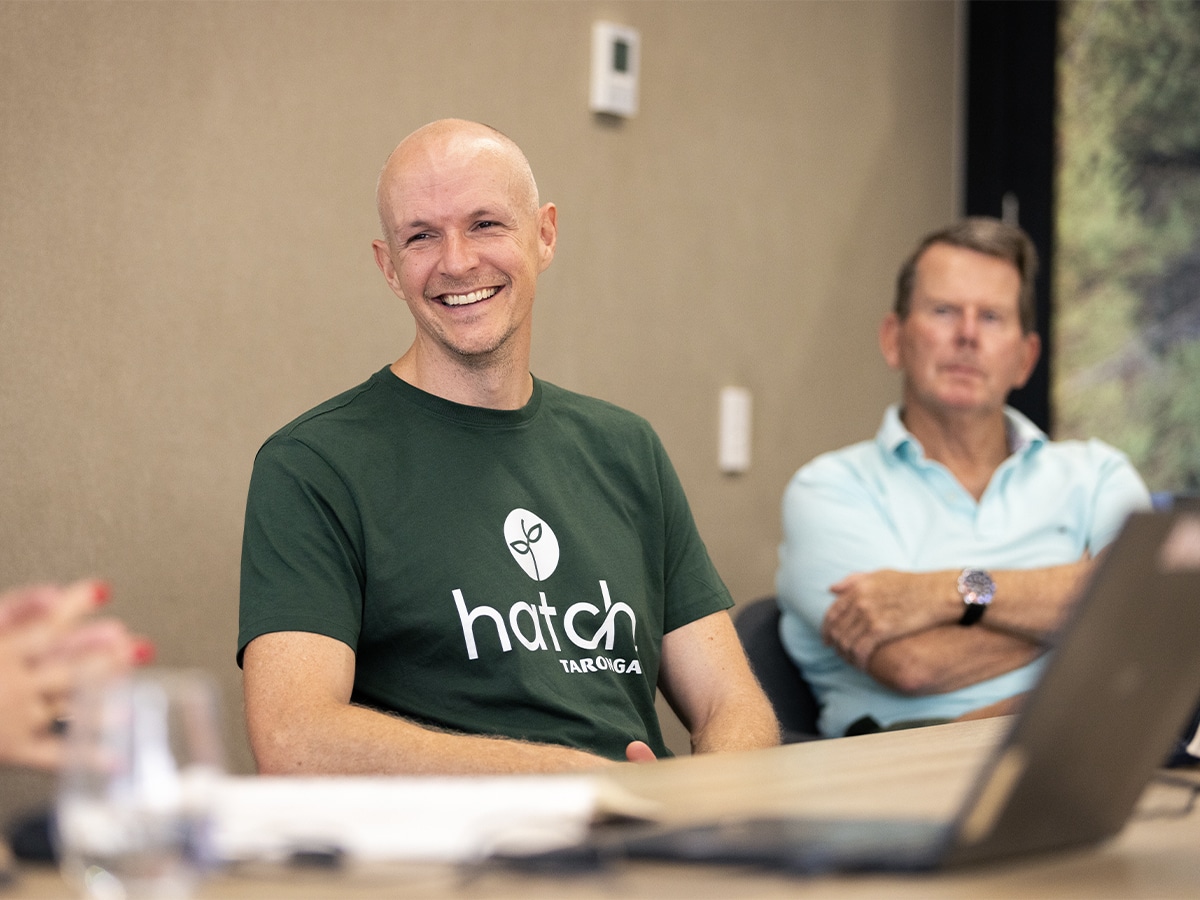
The current iteration of the Hatch program is meticulously structured to guide startups through the "valley of death"—the precarious early stage where many new businesses fail due to lack of resources or market fit. The 14-week curriculum includes weekly two-hour online masterclasses conducted by industry experts. these sessions cover essential business competencies, including:
- Advanced Business Modeling: Refining value propositions to ensure long-term financial health.
- Strategic Pitching: Developing the narrative skills required to secure venture capital and stakeholder buy-in.
- Targeted Marketing: Leveraging sustainability as a competitive advantage in an increasingly eco-conscious market.
- Operational Scaling: Transitioning from prototype to mass-market availability.
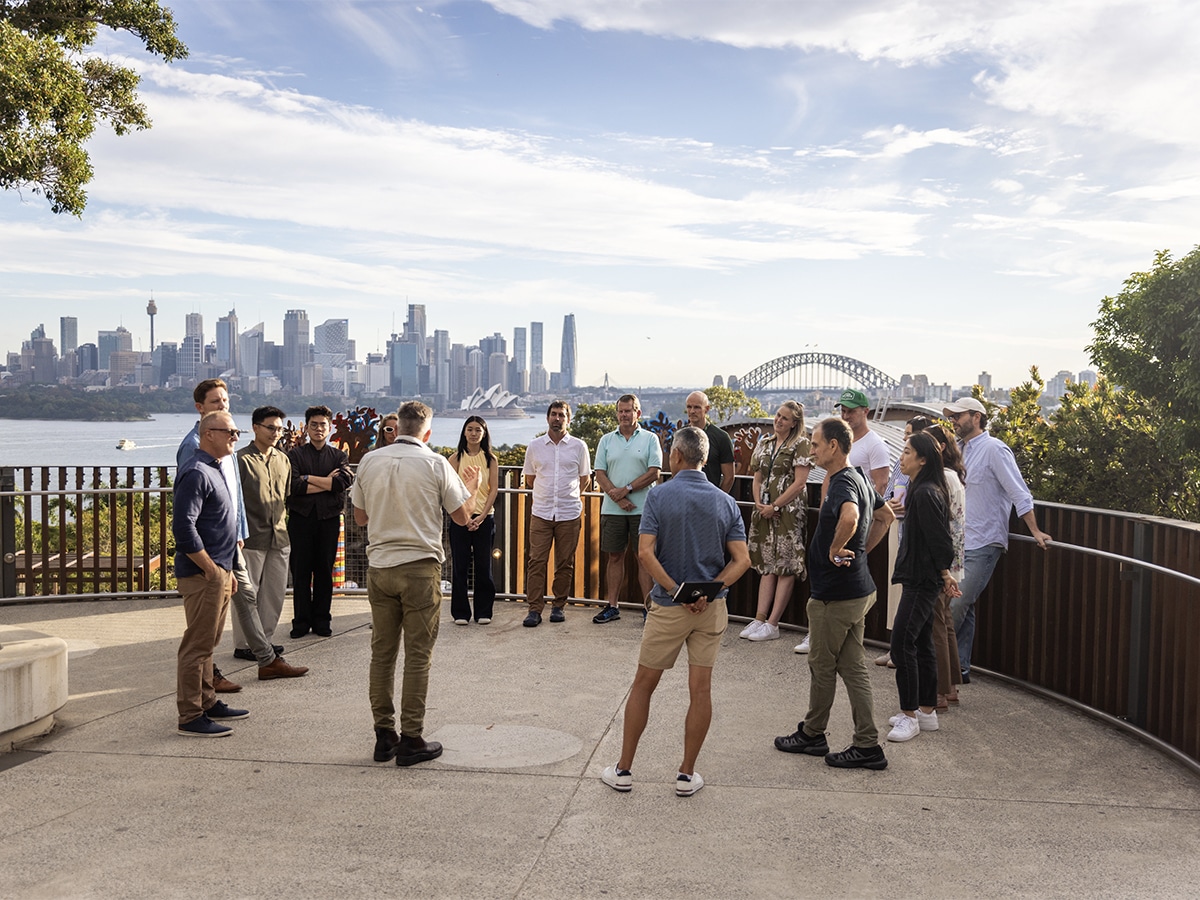
In addition to the digital curriculum, participants engage in two "Immersive Weekends" hosted at Taronga Zoo in Sydney. These intensives allow founders to workshop their central ideas with dedicated mentors, many of whom are veterans of the sustainability and recycling industries. The program also provides immediate tangible support, including AUD$2,000 in equity-free seed funding and an LG "Life’s Good" product pack valued at AUD$3,000, ensuring that startups have the baseline technology and capital needed to maintain operations during the accelerator phase.
Comparative Success Rates and Economic Impact
One of the most striking metrics of the Hatch program is its success rate relative to the broader startup industry. Data released by the program indicates that 72 percent of its alumni initiatives remain operational after five years. In contrast, the global average for startups at the five-year mark is approximately 45 percent. This discrepancy suggests that the specialized mentorship and industry-specific networking provided by Hatch significantly mitigate the risks associated with environmental entrepreneurship.
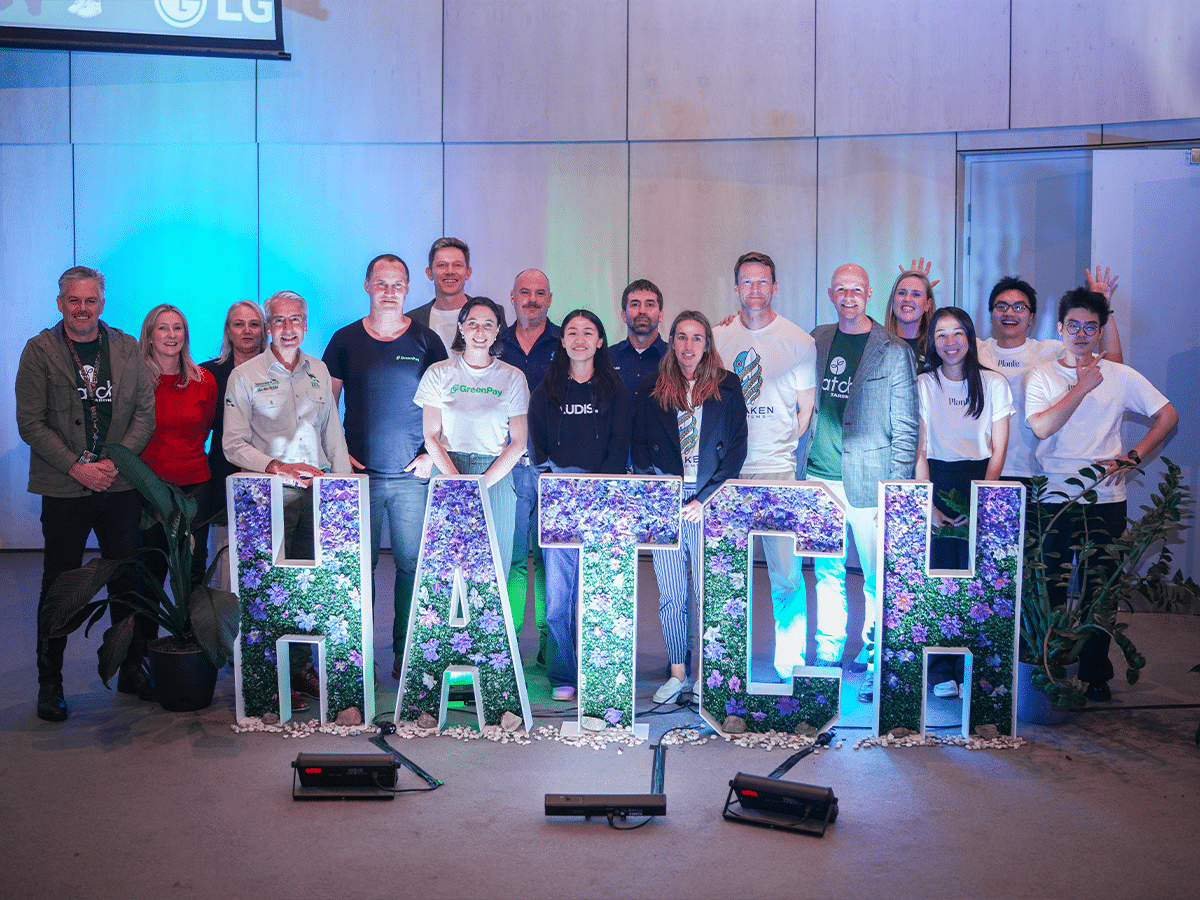
To date, Hatch has supported 29 distinct initiatives and distributed AUD$488,000 in direct funding. The program’s ability to foster resilient business models is particularly relevant in the current economic climate, where investors are increasingly prioritizing Environmental, Social, and Governance (ESG) criteria. By vetting and refining these startups, Hatch effectively "de-risks" them for future investment rounds, creating a pipeline of viable, mission-driven companies.
Case Studies in Innovation: GreenPay and Ludis
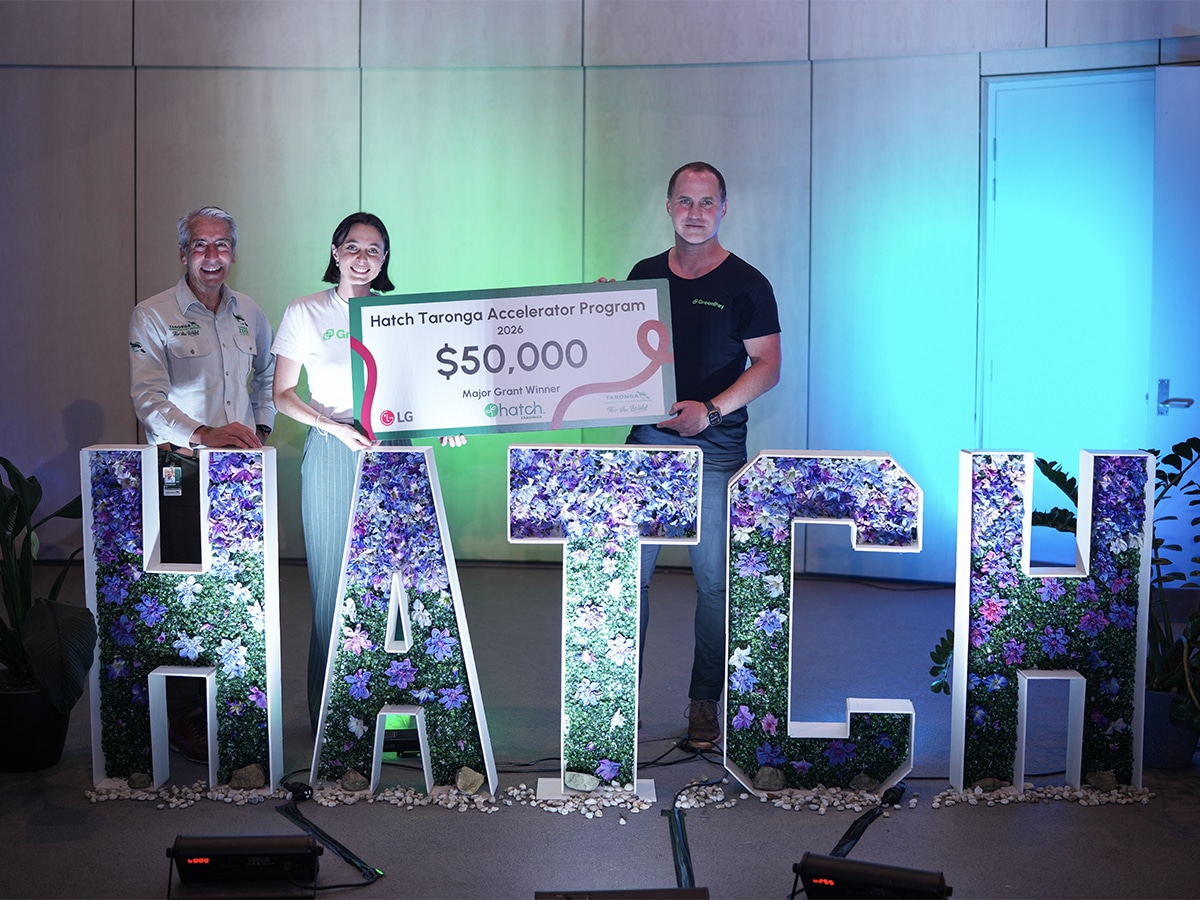
The 2026 cohort of the Hatch program showcased the diversity of the "ecopreneurial" spirit, with projects ranging from digital fintech solutions to physical circular economy manufacturing. The 2026 Grand Prize was awarded to GreenPay, an Australian-owned payments platform. GreenPay’s business model involves redirecting transaction fees—which typically flow to major banking institutions or offshore fintech firms—toward investments in Australia’s natural infrastructure. This digital-first approach demonstrates how existing financial systems can be recalibrated to serve environmental ends without disrupting consumer behavior.
Conversely, the initiative "Ludis" represents a tangible approach to the circular economy. Founded by Lili Xu, Ludis addresses the environmental impact of the sports industry by recycling discarded tennis balls and transforming them into durable shoe soles. In Australia, approximately 10 million tennis balls are sent to landfills annually; they are notoriously difficult to recycle due to their composite materials. Through the Hatch program, Xu was paired with Laurie Minto, a mentor who played a pivotal role in establishing Australia’s container recycling scheme. This connection provided Ludis with the specialized technical knowledge required to navigate the complexities of the domestic recycling landscape, illustrating the program’s role in unlocking high-level industry expertise for emerging founders.
The culmination of the program is a high-stakes pitch night, where participants present their refined business models to a live audience and a panel of judges. The financial rewards are significant: a $50,000 Grand Prize, a $5,000 People’s Choice Award, and a $5,000 LG Life’s Good Prize. These funds are often the catalyst for the next stage of growth, such as hiring key staff or moving into commercial manufacturing facilities.
The Role of Corporate Social Responsibility and Brand Alignment
The involvement of LG Electronics Australia in the Hatch program reflects a broader trend in corporate social responsibility (CSR), where global corporations seek deep, multi-year partnerships with non-profit organizations to achieve shared sustainability goals. For LG, the "Life’s Good" philosophy extends beyond consumer electronics into the preservation of the ecosystems that support human life.
Gemma Lemieux emphasized that the partnership is not merely a philanthropic gesture but a strategic alignment. By investing in Hatch, LG is positioning itself at the forefront of the green technology revolution. The $1.2 million investment facilitates the "amplification" of these startups, providing them with the visibility they would otherwise struggle to achieve in a crowded marketplace. This visibility is crucial for attracting secondary investment and building the consumer trust necessary for long-term success.

Broader Implications for the Future of Conservation
The success of the Hatch: Taronga Accelerator Program suggests that the future of conservation may lie in its ability to embrace the tools of capitalism. For decades, conservation was largely the domain of government grants and private philanthropy. However, the scale of current environmental challenges—including unprecedented rates of species loss and the increasing frequency of extreme weather events—requires a more robust and scalable response.
Garrick Transell noted that the rise of the ecopreneur is driven by an "innate drive within innovators to do something purposeful." This shift is also a response to market demand; as consumers become more aware of their environmental footprint, they are actively seeking out brands that offer sustainable alternatives. By fostering a new generation of businesses that are "eco-aware" from their inception, Hatch is helping to normalize a model where purpose and profit are inseparable.

Industry analysts suggest that within the next decade, the distinction between a "startup" and a "sustainable startup" may vanish, as environmental considerations become a standard requirement for market entry. The Hatch program provides a blueprint for how institutions and corporations can collaborate to accelerate this transition. As the 72 percent survival rate of Hatch alumni demonstrates, when innovators are provided with the right combination of capital, mentorship, and industry access, they can build businesses that are not only profitable but are also essential to the preservation of the natural world.
In the final analysis, the Hatch: Taronga Accelerator Program is more than a business incubator; it is a critical component of Australia’s environmental strategy. By supporting the ecopreneurs who are reimagining payments, recycling, and urban forestry, the program is ensuring that innovation serves the planet as much as it serves the economy. With the continued backing of partners like LG Electronics, the program is set to remain a dominant force in the global effort to merge commercial ingenuity with ecological necessity.



 Yuyun Lusiyani
 Joko Widodo
 Jia Lissa
 Pevita Pearce
 admin
admin
