Lina Irawan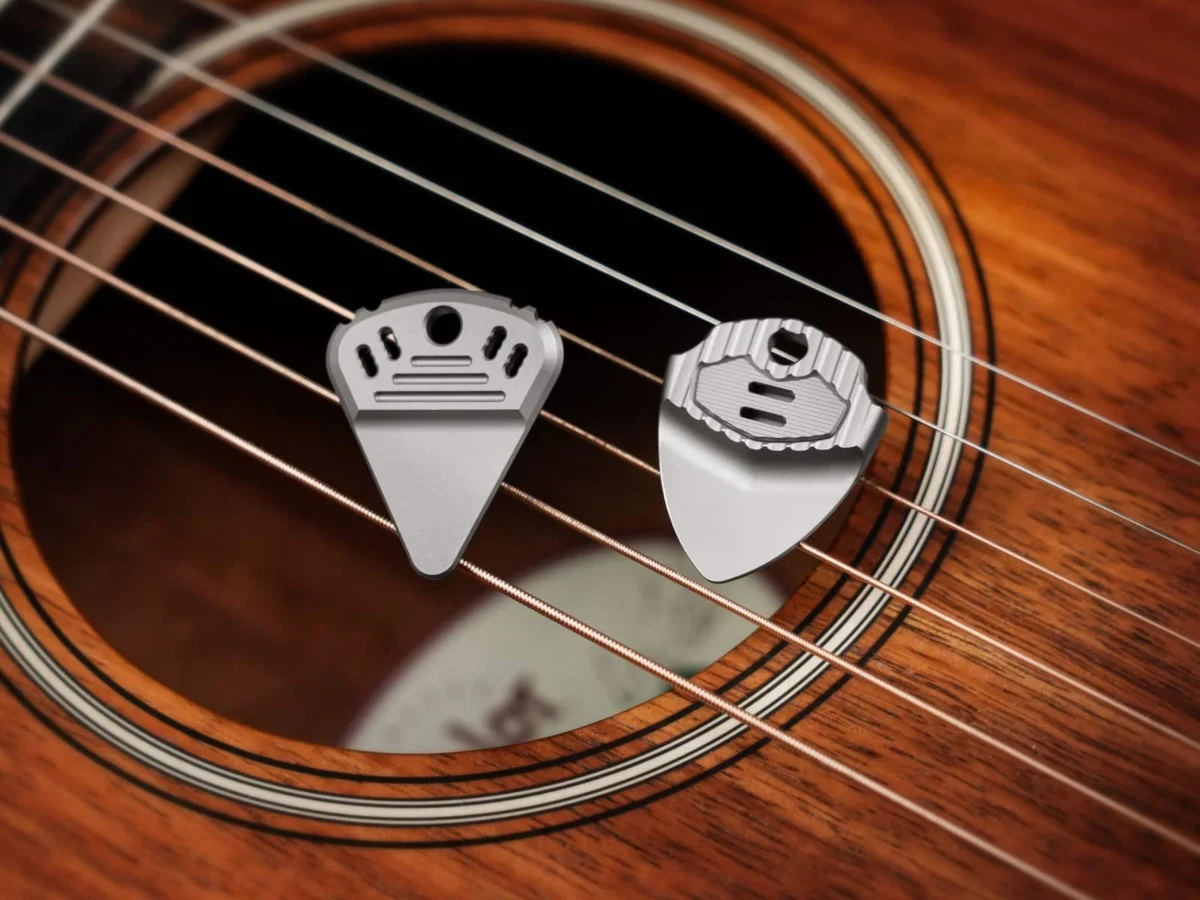
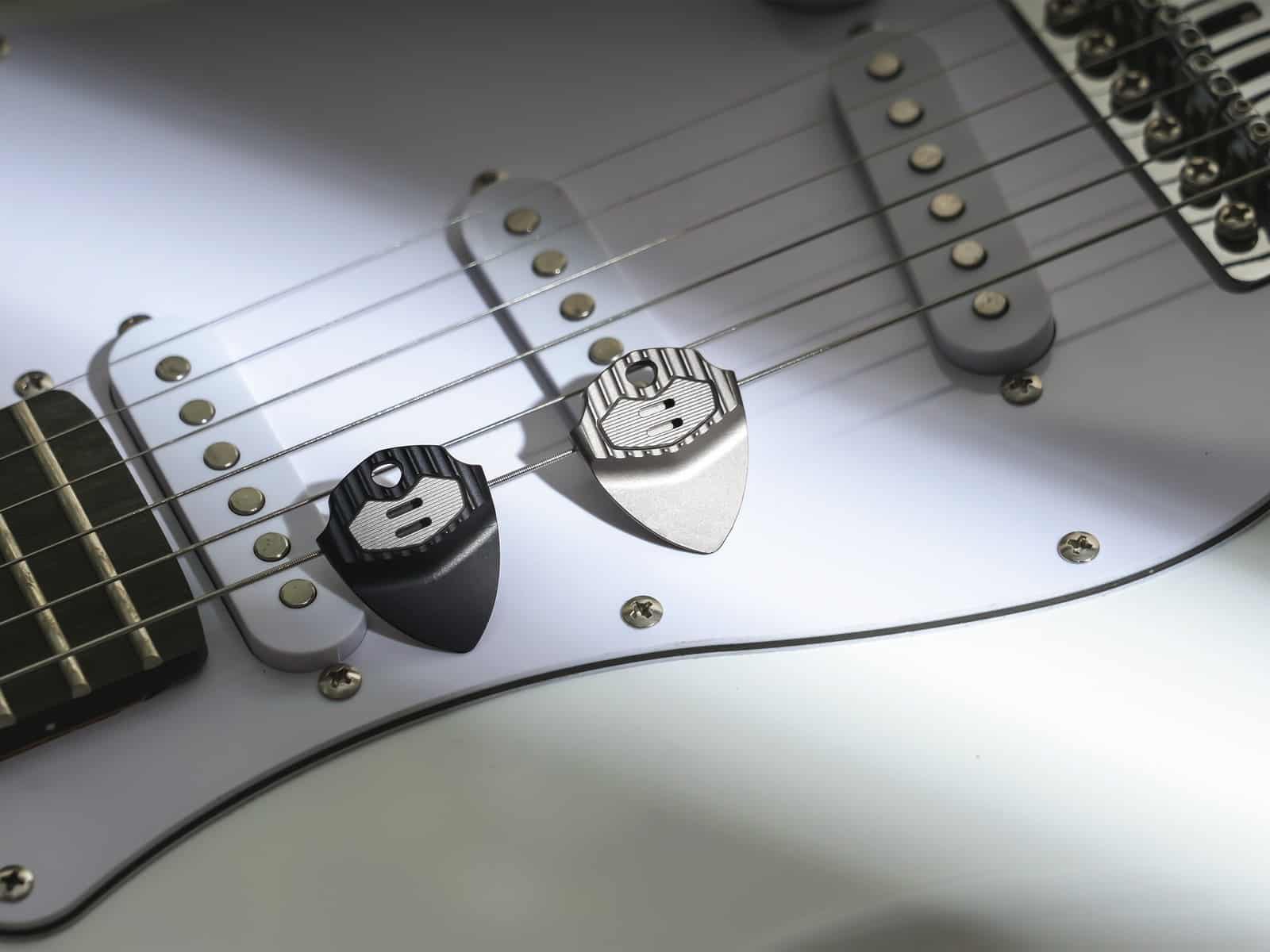
The EchoTi titanium guitar pick, a high-performance plectrum engineered by the manufacturer MIH, has achieved a significant milestone in the musical accessories market, securing over $66,000 in crowdfunding as of August 18, 2026. This figure represents a funding level of 3,689 percent against its original $1,800 goal, reflecting a growing consumer interest in permanent, precision-engineered alternatives to traditional disposable guitar picks. While the guitar pick is historically the most affordable and frequently replaced item in a musician’s arsenal, the EchoTi represents a strategic shift toward applying aerospace-grade materials and industrial design to solve age-old problems of wear, loss, and tonal inconsistency.
Engineering a Permanent Solution to Disposable Accessories
Traditional guitar picks are manufactured from polymers such as celluloid, nylon, or Delrin. While these materials are cost-effective, they are inherently prone to degradation. Friction against steel or nickel guitar strings causes the edges of plastic picks to round off, dulling the "attack" of the note and eventually requiring the player to discard the item. The EchoTi addresses this lifecycle through the use of Grade 5 titanium, an alpha-beta alloy known for its high strength-to-weight ratio and exceptional corrosion resistance.
Grade 5 titanium (Ti-6Al-4V) is more commonly found in aerospace turbines, structural components, and medical implants than in music stores. Its application here is intended to provide a plectrum with a "forever" geometry. Because titanium does not soften or wear down under the friction of standard guitar strings, the pick maintains its factory-specified edge indefinitely. This consistency is marketed as a primary benefit for professional musicians and recording artists who require a predictable "transient"—the initial peak of a sound wave—across every performance.
Design Evolution and the Response to Player Feedback
The EchoTi is not a standalone experiment but rather the successor to MIH’s previous product, the ResoTi. The development of the EchoTi followed a period of data collection from approximately 1,700 guitarists who used the earlier model. This iterative approach allowed MIH to refine the ergonomics and physical profile of the plectrum based on real-world usage.
Key design adjustments from the ResoTi to the EchoTi include:

- Tip Geometry: The profile has transitioned to a Jazz III-inspired shape. The Jazz III is a legendary plectrum silhouette favored by technical lead players for its small size and sharp point, which allows for greater speed and precision.
- Grip Position: Through user testing, MIH identified that guitarists naturally "choke up" on the pick, holding it closer to the tip than the previous design allowed. The grip area was subsequently moved forward to sit 15.31 mm from the point, a significant shift from the 18.8 mm position on the ResoTi.
- Contact Surface: The EchoTi features a 15-degree machined bevel. While the body of the pick remains thick for stability, the bevel reduces the contact point with the string to just 0.3 mm. This is a dramatic reduction from the 1.2 mm contact point of the predecessor, intended to minimize string drag and facilitate a faster release.
Technical Specifications and Material Properties
The EchoTi is machined from a single piece of metal, ensuring structural integrity. It weighs approximately 5.2 grams, providing a sense of "heft" that many players associate with control, particularly when performing aggressive rhythm parts or complex lead lines.
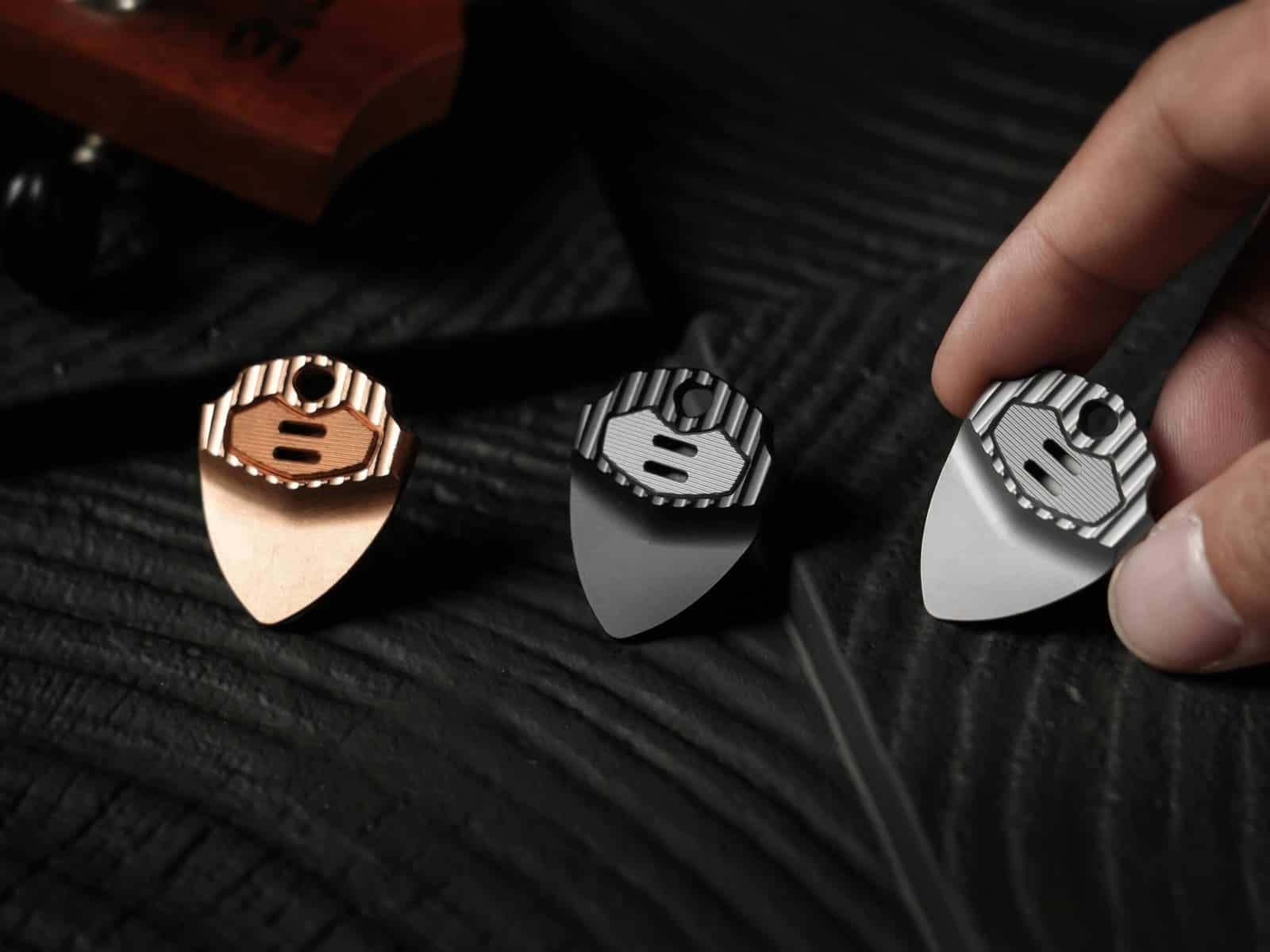
The manufacturing process involves a dual-texture finish. The grip section is sand-blasted to create a suede-like texture, providing friction even when the player’s hands are perspiring under stage lights. Conversely, the playing edges are mirror-polished to a high gloss, ensuring that the metal glides over the strings with minimal resistance. This contrast in surface treatment highlights the specialized nature of the tool compared to mass-produced plastic alternatives.
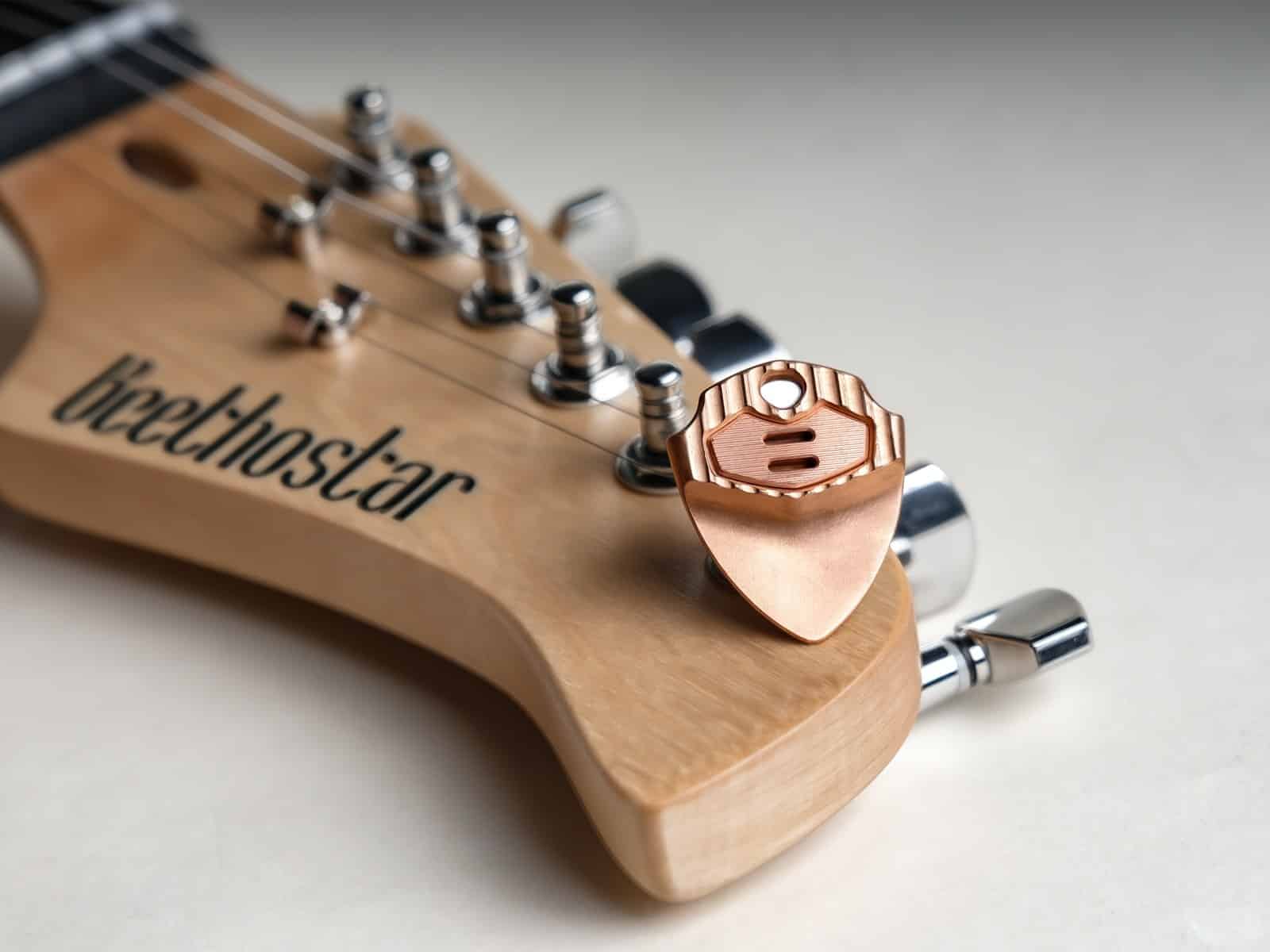
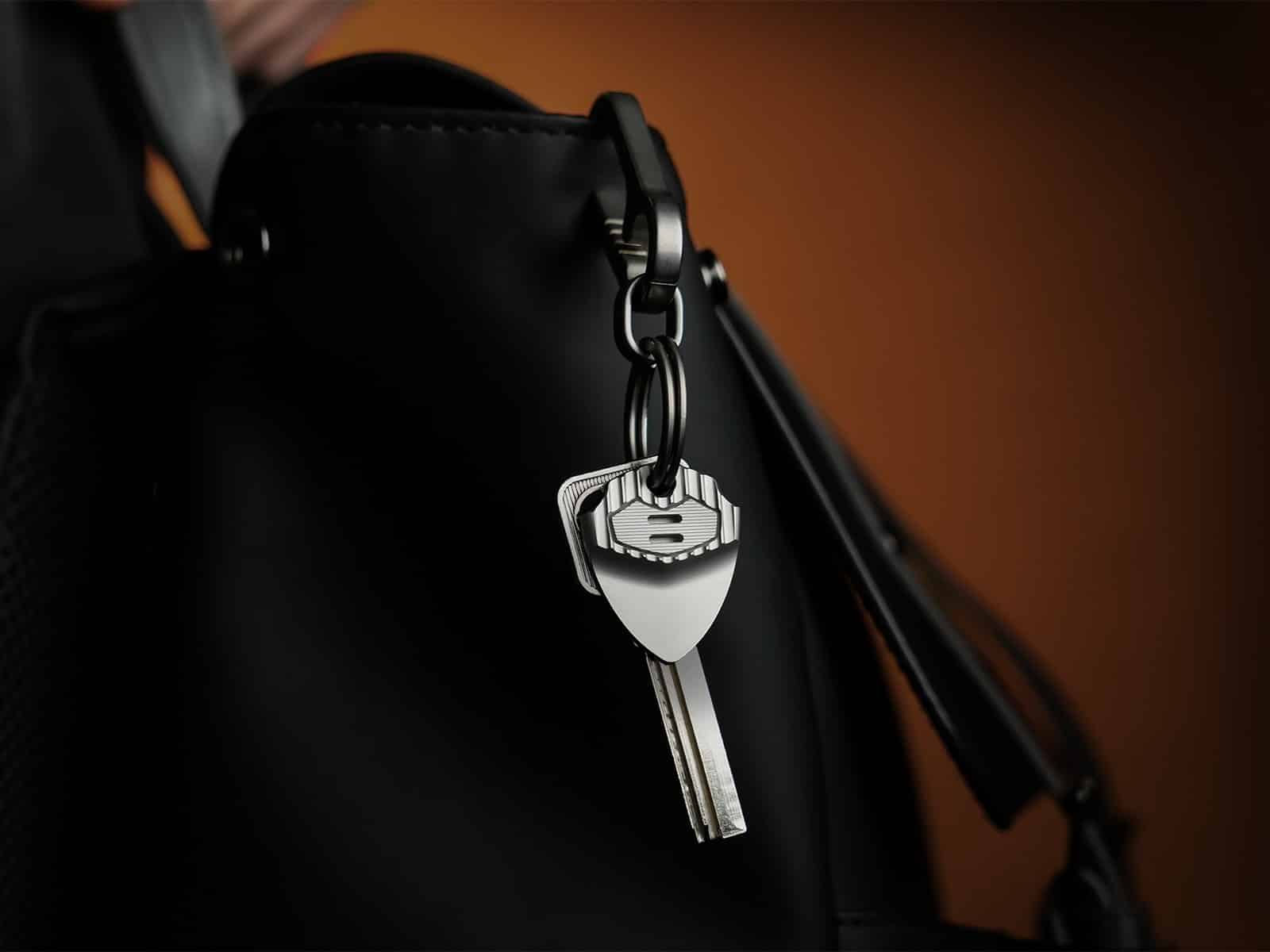
Beyond its musical utility, the EchoTi incorporates features borrowed from the "Everyday Carry" (EDC) community. It includes a magnetic back panel that is interchangeable, allowing for aesthetic customization. Furthermore, integrated magnets are strong enough to allow the pick to adhere to steel surfaces such as amplifier handles, guitar hardware, or music stands, directly addressing the common issue of musicians losing their plectrums.
Crowdfunding Chronology and Market Reception
The EchoTi campaign on Kickstarter has demonstrated a rapid trajectory since its launch. The timeline of the project highlights a high level of market validation:
- Project Launch: Early August 2026.
- Funding Goal Reached: Within the first hour of the campaign.
- Current Status (As of August 18, 2026): $66,404 raised from 1,063 backers.
- Campaign Conclusion: Scheduled for 11:30 PM AEST on Monday, August 24, 2026.
- Estimated Delivery: November 2026.
The significant oversubscription of the campaign suggests that there is a niche but dedicated segment of the guitar-playing population willing to invest in premium accessories. At a retail price point (RRP) of $49 per pick (with early-bird tiers starting at $32), the EchoTi is positioned as a luxury tool rather than a commodity.
The Acoustic Impact of Metal Plectrums
The choice of plectrum material has a measurable impact on the frequency response of an electric or acoustic guitar. Metal picks, specifically those made of titanium or copper, produce a brighter, more percussive sound than plastic. This is due to the hardness of the material, which reflects more high-frequency energy back into the string upon impact.
In audio engineering terms, this affects the "attack" portion of the ADSR (Attack, Decay, Sustain, Release) envelope. A titanium pick creates a sharper, more immediate onset of the note. While this is highly desirable for certain genres—such as heavy metal, progressive rock, or jazz—it may be considered too "clicky" for players who prefer the warmer, softer thud of traditional celluloid. MIH has been careful to frame the EchoTi not as a replacement for the sound of plastic, but as a precision tool for those seeking clarity and consistency.
Broader Implications for the Music Industry
The success of the EchoTi reflects broader trends in the music gear industry, specifically the "boutique-ification" of small accessories. Much like the rise of high-end guitar cables, boutique effects pedals, and custom-wound pickups, the EchoTi targets the "prosumer" market—serious hobbyists and professionals who are willing to pay a premium for marginal gains in performance and durability.
There is also an environmental and economic argument to be considered. The music industry generates significant plastic waste through millions of disposable picks sold annually. A single titanium pick that lasts a lifetime theoretically reduces this footprint, though the energy-intensive process of mining and machining titanium must be weighed against the mass production of polymers.
From a business perspective, MIH’s model demonstrates the power of small-scale, high-precision manufacturing. By using crowdfunding to gauge interest and secure capital before full-scale production, the company minimizes the risk associated with launching a niche product. The use of a very low initial funding goal ($1,800) served as a psychological trigger for potential backers, ensuring the project was "funded" almost instantly, which in turn generated the momentum necessary to reach the current $66,000 level.
Logistics and Availability
As the campaign nears its conclusion on August 24, 2026, MIH has outlined a clear path to fulfillment. The company offers several pledge tiers, including single picks, two-packs ($55), and four-packs ($95). Various add-ons are available to further customize the experience, including:
- Tritium Vials ($30): Self-luminous tubes that allow the pick to be found in total darkness.
- Custom Engraving ($15): Laser-etched personalization for the magnetic panels.
- Leather Sleeves ($12): Protective carry cases for the plectrum.
Shipping is slated to begin in November 2026, with the manufacturer stating that distribution will be worldwide and unrestricted.
Conclusion
The EchoTi is a testament to the intersection of material science and musical tradition. While it remains a specialized tool that may not appeal to every player’s tonal preference, its success on the crowdfunding stage indicates a robust demand for high-quality, permanent musical gear. By addressing the specific ergonomic and durability complaints of the previous generation, MIH has created a product that moves the guitar pick from the category of "disposable plastic" to "precision instrument." As delivery begins in late 2026, the music community will be able to determine if the 0.3 mm titanium edge truly delivers the consistent performance promised by its rigorous engineering.



 Yuyun Lusiyani
 Joko Widodo
 Jia Lissa
 Pevita Pearce
 admin
admin