
 Jia Lissa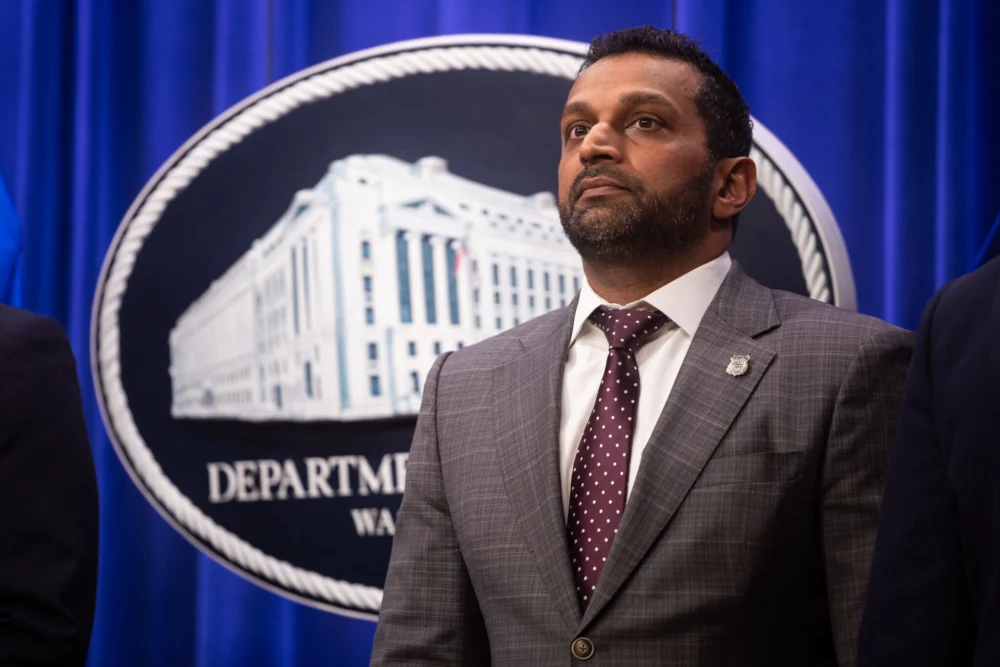
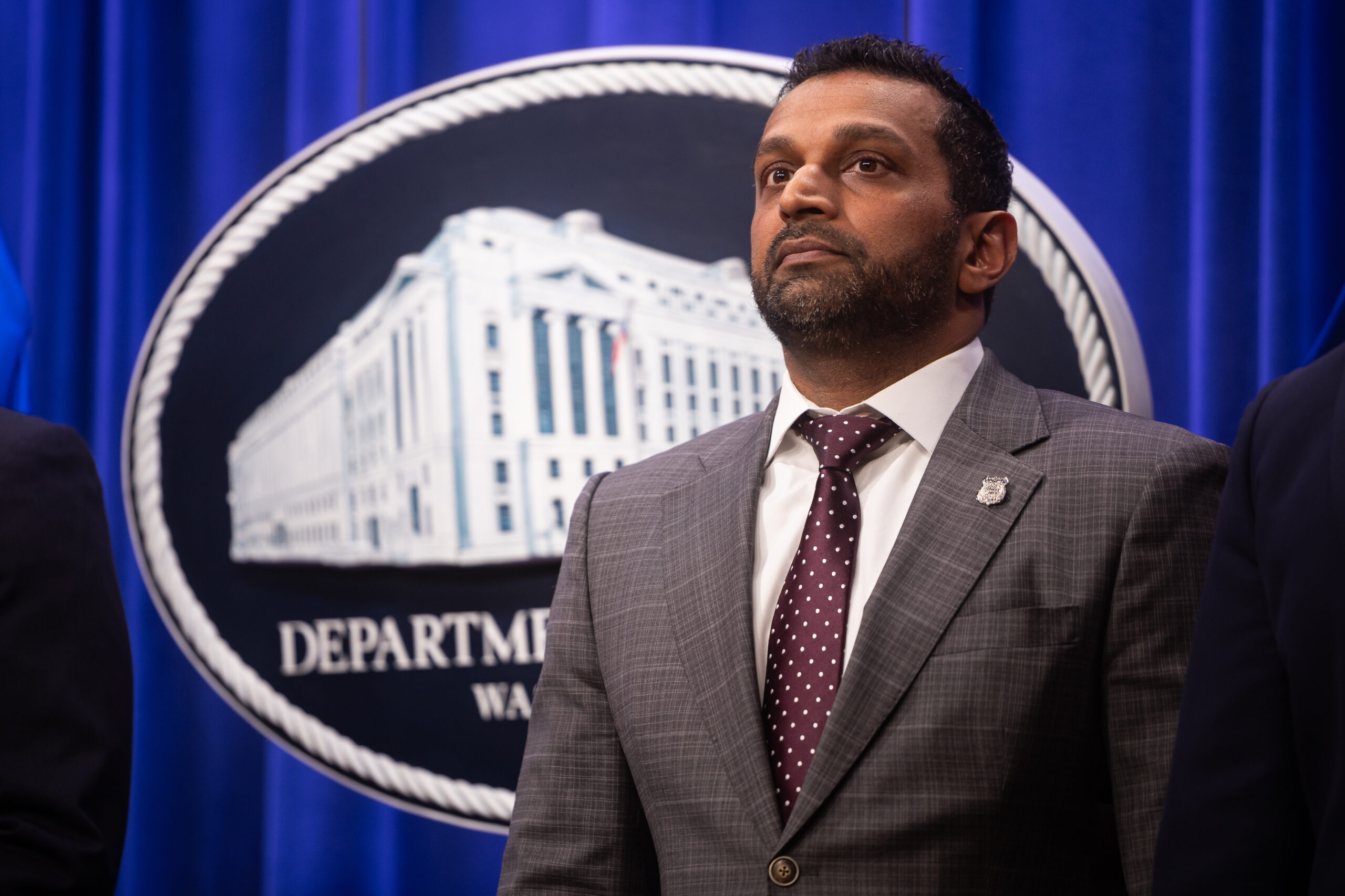
Federal Bureau of Investigation Director Kash Patel has summarily dismissed at least a dozen counterintelligence staffers from the bureau’s Washington Field Office, a move that reportedly targets personnel previously involved in the investigation into President Donald Trump’s handling of classified documents. According to reports first surfaced by the New York Sun, the terminations occurred just days before the United States launched military strikes against Iranian targets and a domestic mass shooting in Austin, Texas, raised fresh alarms regarding foreign-inspired extremism. The dismissed individuals were members of a specialized counterintelligence unit known as CI-12, which is tasked with monitoring global espionage, media leaks, and domestic threats posed by the Iranian regime.
The removals have sparked intense debate within the national security community, with critics suggesting the firings represent a retaliatory purge of career civil servants, while supporters of the Director frame the move as a necessary housecleaning of a "weaponized" bureaucracy. The timing of the dismissals is particularly sensitive, as the CI-12 unit holds primary responsibility for tracking Iranian intelligence activities on American soil—a mission that has become increasingly critical following recent kinetic escalations between Washington and Tehran.
The Nature of the Dismissals and the CI-12 Unit
The ouster of the CI-12 personnel was reportedly ordered directly by Director Patel. The unit, based out of the FBI’s Washington Field Office (WFO), is regarded as one of the most elite squads within the bureau’s counterintelligence division. Historically, CI squads serve as the lead domestic teams for investigating "insider threats"—government employees or contractors suspected of leaking information or working for foreign powers—as well as foreign intelligence activity within the United States.
According to sources familiar with the matter, the specific staffers targeted for termination had previously been assigned to the Department of Justice’s investigation into the retention of classified documents at President Trump’s Mar-a-Lago estate. That investigation, conducted under the leadership of Special Counsel Jack Smith during the Biden administration, has long been a point of contention for Patel and other allies of the President. The CI-12 unit’s involvement in the Mar-a-Lago probe reportedly included technical and investigative support, given the unit’s expertise in handling sensitive classified material and tracking potential unauthorized disclosures.
The loss of these agents represents a significant vacuum in the FBI’s institutional knowledge regarding Iranian operations. CI-12 has been instrumental in identifying Iranian-backed influence campaigns and assassination plots targeting former U.S. officials. By removing these veteran analysts and agents, the bureau risks a temporary lapse in its ability to monitor the very threats that have moved to the forefront of the national security agenda this month.
A Chronology of Subpoenas and Retaliation
The catalyst for the sudden terminations appears to be a recent revelation regarding the scope of the Special Counsel’s investigative tactics. On January 22, reports emerged that Special Counsel Jack Smith’s team had secretly subpoenaed the phone records of Kash Patel and Susie Wiles, who currently serves as the White House Chief of Staff. These subpoenas were reportedly issued as part of the broader investigation into the Mar-a-Lago documents and the events surrounding January 6, 2021.
Patel, upon learning of these subpoenas, characterized the actions as a gross abuse of power by the previous administration’s Department of Justice. In a statement to Reuters, he described the process as "outrageous and deeply alarming," alleging that the FBI leadership at the time used "flimsy pretexts" to bypass traditional oversight. Patel’s public grievance focused on the fact that the subpoenas were allegedly buried in "prohibited case files," a move he claims was intended to hide the surveillance from congressional and judicial review.
The timeline of the subsequent firings is as follows:
- Late January: News of the phone record subpoenas becomes public, drawing a sharp rebuke from Patel.
- Within Hours of the Report: Director Patel orders the summary dismissal of at least 12 employees from the CI-12 unit.
- Late January/Early February: The United States initiates retaliatory strikes against Iranian-linked targets in the Middle East following a series of regional provocations.
- Early February: A mass shooting occurs at a bar in downtown Austin, Texas. The suspect was reportedly wearing apparel with the phrase "Property of Allah" and symbols resembling the Iranian flag, heightening fears of "lone wolf" attacks inspired by foreign regimes.
The rapid succession of these events has led former FBI officials to question whether the bureau’s domestic defense capabilities were compromised at the exact moment they were most needed.
The Iranian Threat Landscape and the Timing of the Firings
The dismissal of Iranian counterintelligence experts comes at a period of heightened friction between the United States and the Islamic Republic. For several years, the FBI and the Department of Justice have warned of an "escalating" threat from Tehran, including plots to assassinate high-ranking American officials in retaliation for the 2020 killing of Qasem Soleimani.
In the days following the purge of CI-12, the domestic threat environment shifted rapidly. The Austin shooting, while still under investigation for specific links to foreign handlers, utilized iconography that falls directly within the purview of the counterintelligence units Patel just thinned. Furthermore, the U.S. military strikes on Iran required a robust domestic counterintelligence posture to monitor for potential "sleeper cell" activity or cyberattacks launched in response to American kinetic actions.
Critics argue that by prioritizing a personnel grievance related to the Mar-a-Lago probe over the operational continuity of the Iran desk, the FBI leadership has prioritized political retribution over public safety. The CI-12 unit’s role in "global espionage" means their work often involves years of cultivating informants and tracking subtle patterns of foreign intelligence movement—work that cannot be easily or quickly handed off to new personnel without a significant loss of momentum.
Political Allegations and the "Weaponization" Narrative
Director Patel’s actions are consistent with his long-standing public stance on the need to reform the FBI. Since his time as an aide to Representative Devin Nunes and his tenure at the National Security Council, Patel has been a vocal critic of the "Deep State." His book, Government Gangsters, outlines a vision for the FBI that involves purging what he views as politically motivated careerists who targeted the Trump movement.
From Patel’s perspective, the agents involved in subpoenaing his phone records and investigating the Mar-a-Lago documents were not merely doing their jobs; they were participants in a "weaponized" legal system. By firing them, Patel’s supporters argue he is fulfilling a mandate to restore neutrality to the bureau. They contend that any agent who participated in what they deem an "unlawful" or "politically motivated" investigation into a sitting or former president is unfit for continued service in a sensitive counterintelligence role.
However, this narrative clashes with the traditional civil service protections afforded to federal employees. FBI agents are generally protected from at-will termination unless there is a documented cause related to performance or misconduct. The summary nature of these dismissals—occurring without the standard internal disciplinary reviews—suggests a significant departure from established Bureau protocols.
Institutional Reactions and the Impact on Bureau Morale
The reaction from the community of former FBI officials has been one of profound concern. Michael E. Anderson, President of the Society of Former Special Agents of the FBI, issued a stern rebuke of the Director’s actions. Anderson emphasized that the dismissal of experienced analysts, particularly those with specialized knowledge of Iranian threats, "seriously undermines the FBI workforce in addressing the significant and ever-increasing threats our nation faces today."
The Society of Former Special Agents has called on Patel to adhere to the U.S. Constitution and the principle of due process. There is a growing fear within the ranks of the FBI that any agent who worked on sensitive political cases during the previous four years may now be subject to arbitrary termination. This atmosphere of uncertainty, according to veteran agents, can lead to "paralysis by analysis," where agents are hesitant to pursue investigations that might later be deemed politically inconvenient.
Furthermore, the optics of Patel’s recent activities have added to the internal friction. The Director recently faced scrutiny for a trip to the Winter Olympics in Milan, Italy. Video footage showing Patel celebrating with the U.S. Men’s hockey team and consuming alcohol was leaked to the media, leading to questions about his focus and conduct while the Bureau was undergoing such a tumultuous personnel shift and the nation faced significant foreign threats.
Legal and National Security Implications
The dismissal of the CI-12 staffers raises several legal and national security questions that may take months or years to resolve. First is the issue of "Schedule F" and the reclassification of federal employees. If the administration successfully moves to make more federal roles "at-will," the legal recourse for the fired agents may be limited. However, if they were fired in direct retaliation for lawful investigative work, they may have grounds for whistleblower protection claims or civil lawsuits.
From a national security standpoint, the implications are more immediate. Counterintelligence is a "long-game" discipline. The agents who monitor Iranian threats often spend years understanding the nuances of Tehran’s Ministry of Intelligence and Security (MOIS) and the Islamic Revolutionary Guard Corps (IRGC). Replacing a dozen such experts simultaneously creates an "intelligence gap" that foreign adversaries are often quick to exploit.
As the United States continues its military and diplomatic pressure on Iran, the FBI’s ability to detect and neutralize threats at home remains the last line of defense. The debate over Director Patel’s decision centers on a fundamental question: Is the FBI more effective when purged of those who investigated the current administration, or is it more vulnerable when it loses its most experienced specialized units in the heat of a geopolitical crisis?
The coming weeks will likely see increased congressional oversight into these firings. Members of the House and Senate Intelligence Committees are expected to request briefings on the operational status of the FBI’s Iran-focused squads. Meanwhile, the FBI continues to operate under a leadership that has made it clear that the era of "business as usual" is over, replaced by a directive to dismantle the structures that Director Patel believes have long overstepped their bounds.

 Yuyun Lusiyani
 Joko Widodo
 Eva Lovia
 Pevita Pearce
 admin
admin