
 Pevita Pearce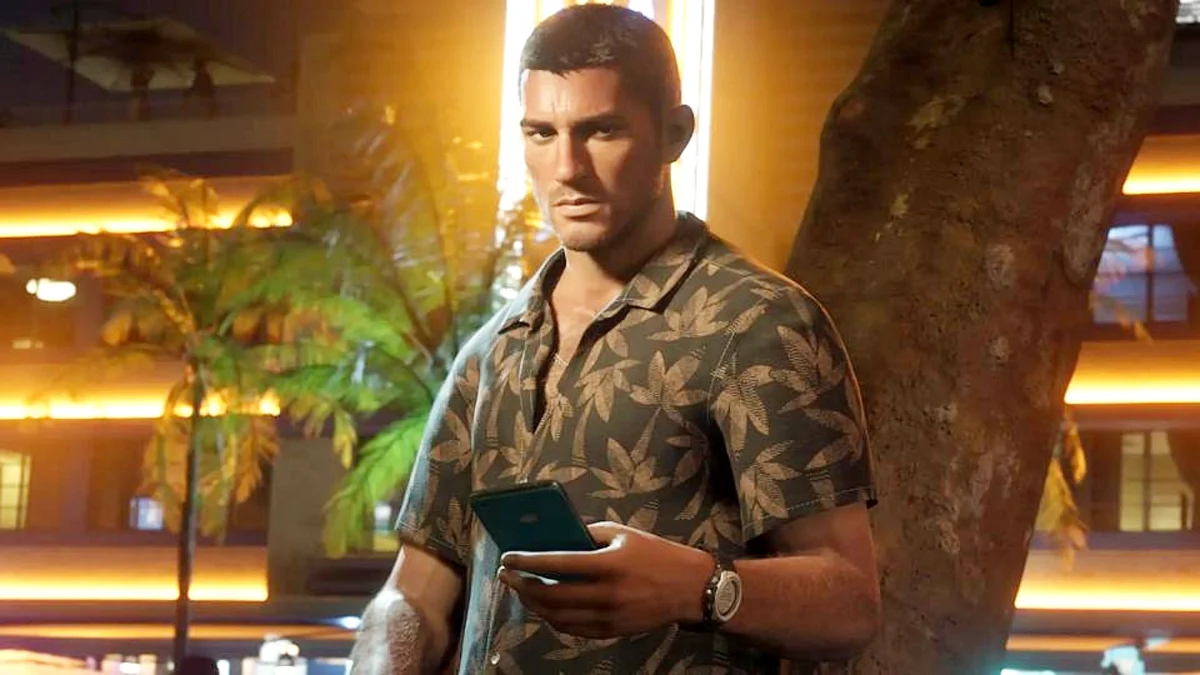
The international consumer advocacy group Stop Killing Games has issued a formal statement condemning the recent unauthorized distribution of Grand Theft Auto VI (GTA 6) footage, urging the gaming community to refrain from supporting the individuals responsible for the breach. Despite a manifesto released by the leakers—operating under the pseudonym "Cyberleek"—which mirrors several of the advocacy group’s core values regarding game preservation and consumer rights, Stop Killing Games has labeled the act "unacceptable" and "destructive." The organization emphasized that illegal activities and the exploitation of developers do not align with their mission to secure legal protections for software ownership.
The leak, which surfaced across social media platforms and dedicated gaming forums over the past several days, represents one of the most significant security breaches in Rockstar Games’ history since the massive September 2022 incident. The leaked materials reportedly include various clips showcasing combat mechanics, vehicle physics, updated animations, and a look at the highly anticipated return to Vice City. However, the controversy has shifted from the content itself to the motivations and methods of the leakers, who have attempted to frame their actions as a form of digital activism.
The Cyberleek Manifesto and the Co-option of Preservation Values
In a detailed manifesto accompanying the leaked footage, Cyberleek claimed their actions were a protest against the current state of the video game industry. The group cited specific grievances, including the prevalence of digital-only pre-orders, the release of what they termed "fake" single-player downloadable content (DLC), and the industry-wide trend of "Games as a Service" (GaaS) models. Most notably, the leakers argued for the mandatory inclusion of offline modes for all software to ensure that games remain playable after developers or publishers choose to terminate server support.
These arguments overlap significantly with the "Stop Killing Games" movement, an initiative launched by YouTuber and advocate Ross Scott following the shutdown of Ubisoft’s The Crew. The movement advocates for government intervention to ensure that consumers who purchase a game retain access to it in a functional state even after official support ends. However, the Stop Killing Games campaign has built its reputation on legal petitions, such as the European Citizens’ Initiative (ECI) and official government petitions in the United Kingdom and Australia, rather than corporate espionage or data theft.
In its official response, Stop Killing Games was quick to highlight the opportunistic nature of the Cyberleek group. "The group is using the leak to promote a meme coin, attaching crypto links and QR codes to the footage and asking people to pay for more," the statement read. "Do not send these people your money, no matter how much sympathy you may feel for their actions."
The Legal and Ethical Stance of Stop Killing Games
The advocacy group’s condemnation hinges on the distinction between consumer rights activism and criminal activity. By attaching cryptocurrency solicitations to the stolen intellectual property, the leakers have, in the eyes of the advocacy group, undermined the legitimacy of the arguments they claim to represent. Stop Killing Games argued that using illegal means to make a point is counterproductive and actively harms the very developers who create the experiences consumers wish to preserve.
"This is illegal, and frankly, we feel for everyone at Rockstar having to go through this ordeal again," the group stated, referencing the emotional and professional toll such leaks take on development teams. The representative for the group further noted that the timing was particularly egregious, occurring just over a week before Rockstar Games’ scheduled "Extended Look" premiere on Netflix.
The organization further elaborated that such leaks create a hostile environment that makes constructive dialogue between publishers and consumer rights advocates more difficult. "Using illegal means to make a point is unacceptable to us and does nothing to protect our right to keep using what we paid for," the representative continued. "No matter how strongly you disagree with the decisions of upper management at these companies, there are still thousands of developers who worked hard on this project, and they’re the ones being hit the hardest."
Chronology of Major GTA 6 Security Breaches
To understand the severity of the current situation, it is necessary to look at the timeline of Rockstar Games’ struggles with information security regarding its upcoming flagship
- September 18, 2022: A hacker known as "teapotuberhacker" (later identified as Arion Kurtaj) leaks over 90 videos containing early development footage of GTA 6. This was considered one of the largest leaks in gaming history, exposing source code and internal communications.
- December 4, 2023: The official first trailer for GTA 6 is leaked on social media hours before its scheduled premiere. Rockstar Games is forced to release the trailer early on YouTube, where it goes on to break several viewership records.
- August 2024: The "Cyberleek" incident occurs. New footage appears online, accompanied by a political manifesto and attempts to monetize the stolen data through cryptocurrency scams.
- August 27, 2024 (Scheduled): Rockstar Games is set to provide an "Extended Look" at GTA 6 via a partnership with Netflix, marking the first time the company has utilized a non-gaming streaming platform for a major gameplay reveal.
The Human and Financial Impact of Leaks
Industry analysts suggest that while leaks rarely affect the long-term commercial success of a title as massive as Grand Theft Auto, the internal impact is profound. Following the 2022 leak, Rockstar Games issued a statement expressing deep disappointment that details of the game were shared in an unauthorized and unpolished state. For developers, leaks can lead to "crunch" periods as security protocols are overhauled, and can demoralize staff whose years of work are presented to the public without context or the intended visual fidelity.
Furthermore, the involvement of "meme coins" and cryptocurrency in the latest leak introduces a predatory financial element. Security experts warn that QR codes and links embedded in leaked videos are often vectors for phishing or malware, designed to exploit the hype surrounding the game to defraud fans. By distancing themselves from these tactics, Stop Killing Games aims to maintain its standing as a legitimate political and legal movement.
Analysis of the Movement for Game Preservation
The Stop Killing Games movement has gained significant traction in 2024. The core of their argument is that software is increasingly being sold as a "license" rather than a "product," allowing companies to effectively "kill" a game by turning off its servers. This practice is viewed by the movement as a violation of consumer protection laws, particularly in jurisdictions with strong ownership rights.
The movement’s current focus is a European Citizens’ Initiative titled "Stop Destroying Videogames," which requires one million signatures from EU citizens to compel the European Commission to consider the proposal. If successful, the initiative could lead to a legislative framework requiring publishers to leave games in a "functional state" (such as by releasing server software or patching in an offline mode) when they cease operations.
The Cyberleek group’s attempt to latch onto these themes highlights the growing frustration within the gaming community regarding digital ownership. However, by resorting to theft and extortion, analysts believe the leakers have provided the industry with ammunition to argue for even stricter Digital Rights Management (DRM) and more secretive development cycles, which would run counter to the transparency the preservation movement seeks.
Looking Ahead: The Netflix "Extended Look"
Despite the disruption caused by Cyberleek, anticipation remains high for the official Rockstar reveal scheduled for August 27. The "Extended Look" is expected to be streamed via Netflix, a move that underscores the evolving landscape of media distribution. This partnership suggests that Rockstar Games is looking to reach a broader, more mainstream audience beyond traditional gaming hardware, leveraging Netflix’s massive subscriber base.
The official reveal is expected to provide high-fidelity gameplay, a deeper look at the dual-protagonist system (reportedly named Lucia and Jason), and a confirmation of the game’s 2025 release window. For Rockstar and its parent company, Take-Two Interactive, the focus remains on controlling the narrative and ensuring that the first true impression of the game is one of quality and technical prowess.
Stop Killing Games concluded its statement by urging supporters to ignore the illegal leaks and instead focus on legal advocacy. "Channel that frustration into something constructive instead," the group urged, pointing toward their ongoing petitions and legal efforts. As the industry moves closer to the release of GTA 6, the tension between corporate secrecy, consumer rights, and the ethics of information sharing continues to be a defining conflict of the modern digital era.


 Yuyun Lusiyani
 Joko Widodo
 Jia Lissa
 admin
admin
