Lina Irawan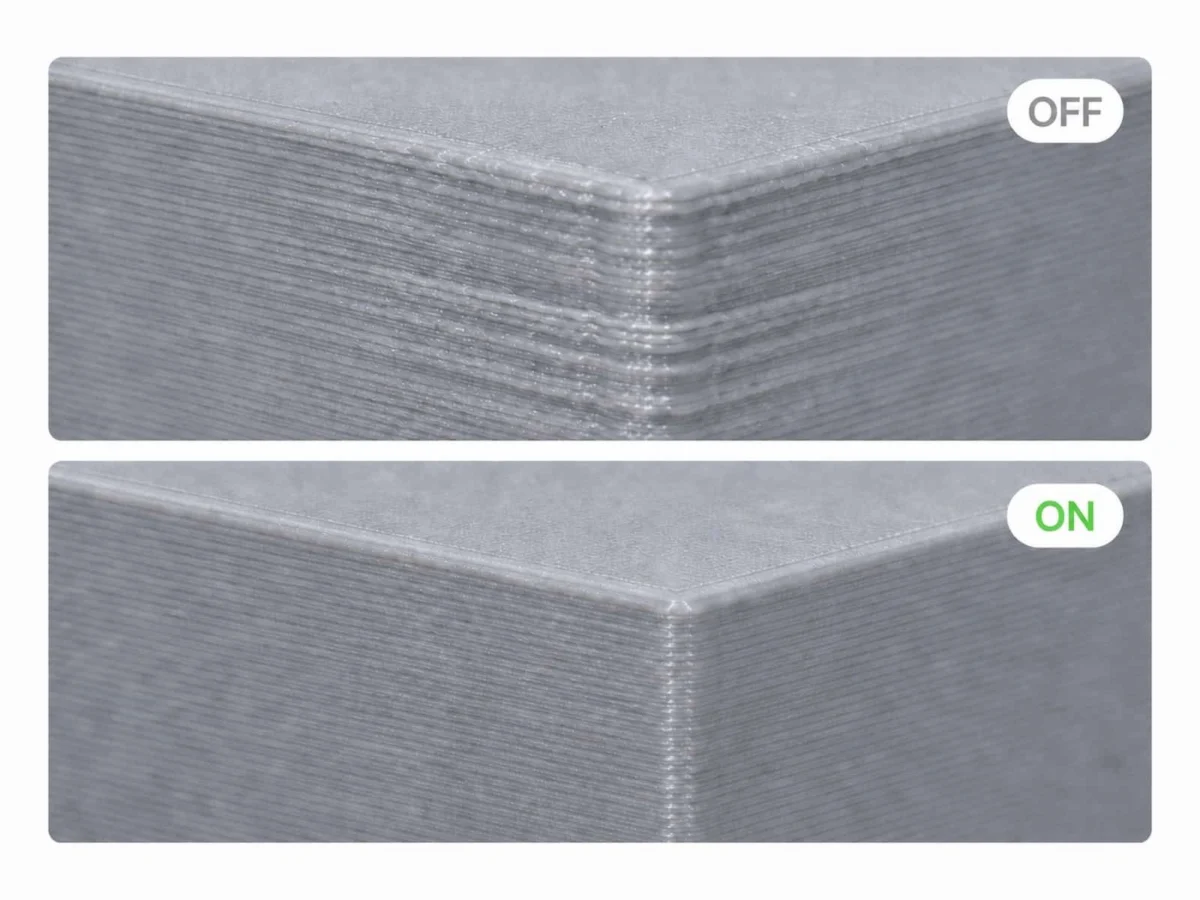
The landscape of desktop additive manufacturing is currently undergoing a significant shift as users move beyond single-material functional parts toward complex, multi-colour, and multi-material assemblies. However, this evolution has been hampered by a persistent efficiency problem known as "purge waste." In traditional single-nozzle multi-material systems, the printer must evacuate the previous filament and "purge" the nozzle to prevent color bleeding, often resulting in a pile of discarded plastic that can outweigh the printed object itself. The Sovol M1D, a new entry into the high-end consumer and prosumer market, proposes a radical hardware solution to this problem by combining two established technologies: Independent Dual Extruders (IDEX) and an automated tool-changing system.
The DualX Architecture: A Hybrid Engineering Solution
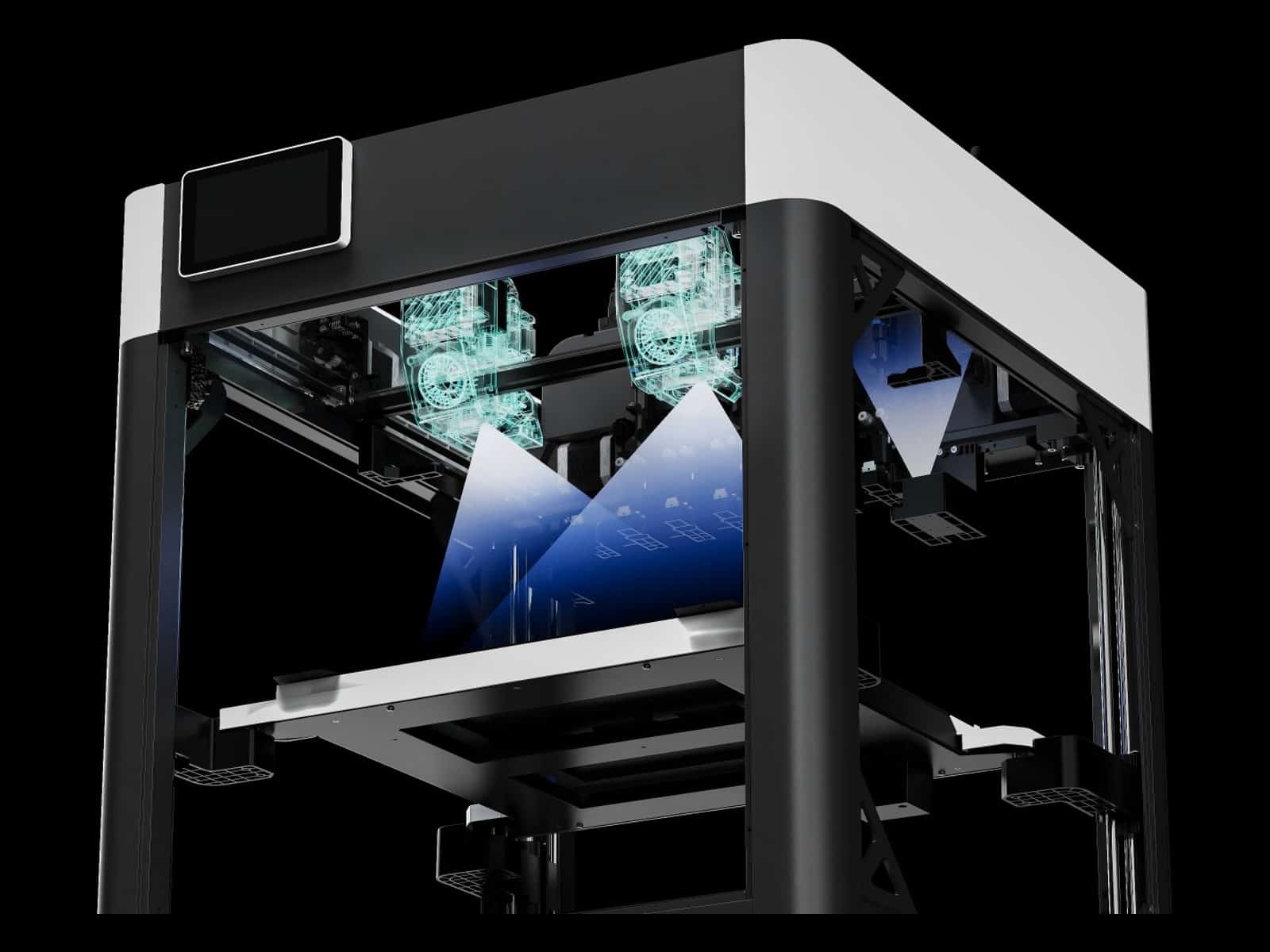
At the core of the Sovol M1D is what the manufacturer calls the "DualX" architecture. While most desktop 3D printers utilize a single toolhead, the M1D employs two independent heads on the same X-axis gantry. The left toolhead is fixed, intended primarily for dedicated support materials such as Polyvinyl Alcohol (PVA) or Breakaway PETG. The right toolhead, however, is dynamic. It functions as a tool-changer capable of docking and retrieving six different parked toolheads from a rack located at the rear of the machine.
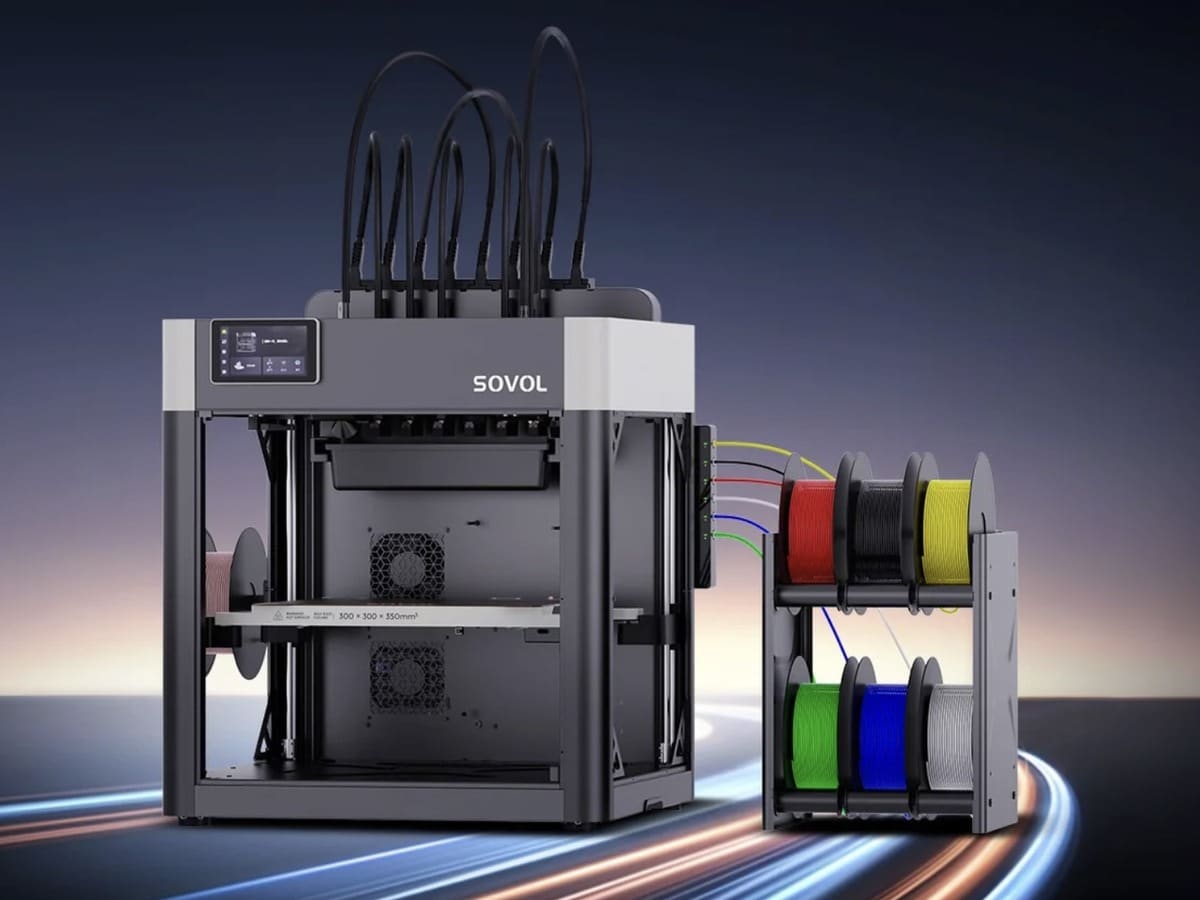
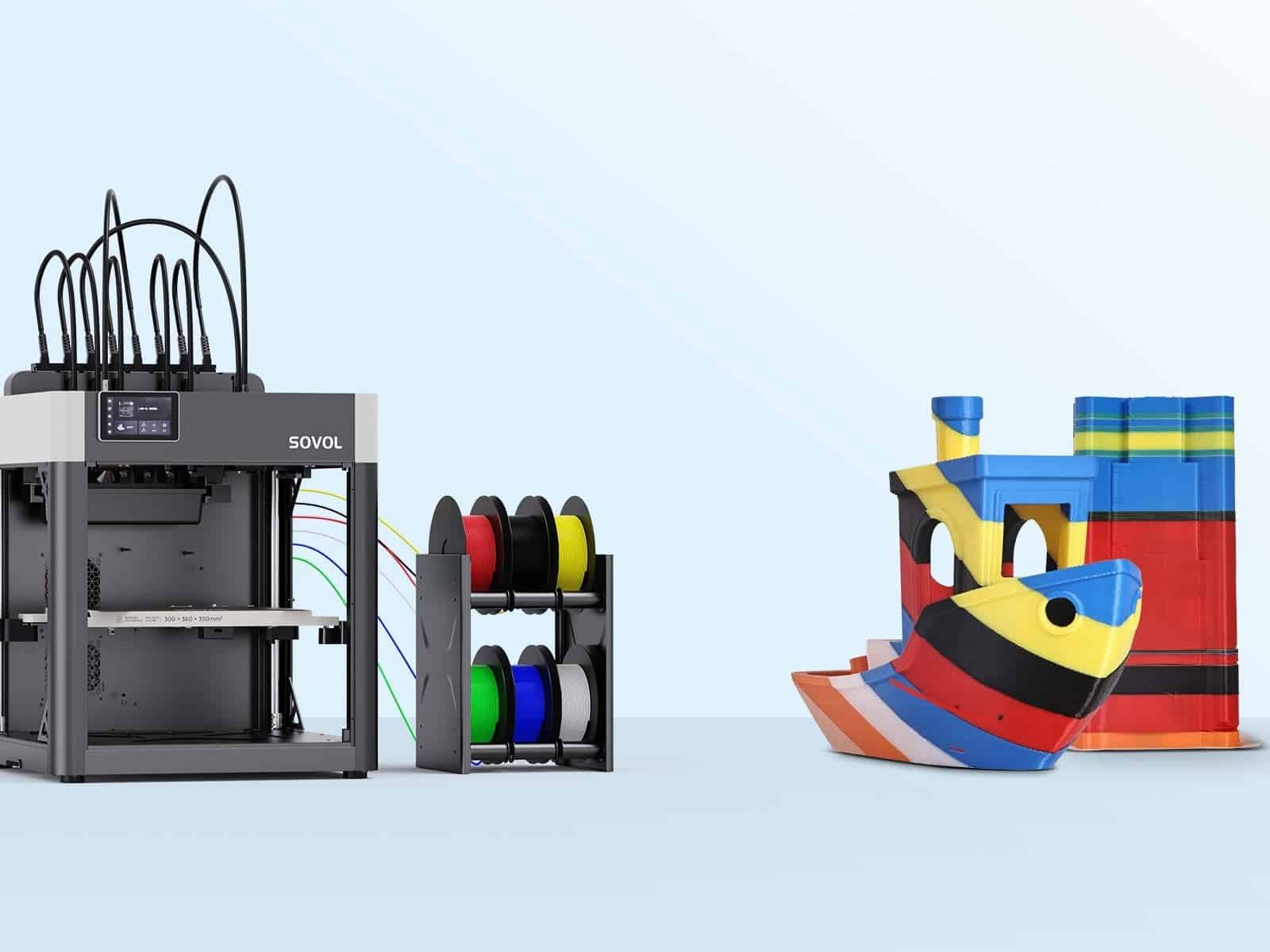
This configuration provides a total of seven independent nozzles. By assigning a dedicated nozzle to each color or material, the M1D eliminates the need for the "purge towers" or "poop" common in systems like the Bambu Lab AMS or the Prusa MMU3. Because each filament remains in its own heated nozzle, there is no cross-contamination of materials, and the transition time between colors is reduced to the physical act of swapping the toolhead, which Sovol claims takes approximately five seconds.
Chronology of Development and Crowdfunding Success
Sovol, a company headquartered in Central, Hong Kong, has been a consistent player in the open-source 3D printing community since 2019. The development of the M1D follows a string of successful releases, most notably the SV08 Max. The trajectory of the M1D project reflects an iterative design philosophy. Early prototypes utilized a magnetic docking system for the toolheads; however, during internal stress testing, engineers determined that magnets lacked the necessary rigidity to maintain precision during high-speed directional changes. Consequently, the design was overhauled to include a patented motor-driven mechanical locking mechanism, ensuring a secure physical connection between the gantry and the toolhead.
The market response to this technology has been overwhelming. Launched on Kickstarter, the campaign reached its initial goal of HK$1,500,000 within hours. As of August 18, 2026, the project has secured HK$27,282,903 (approximately US$3.48 million) from 2,194 backers. This represents 1,818 per cent of the original funding target. Kickstarter has officially recognized the project with its "Project We Love" badge, a designation typically reserved for campaigns that demonstrate high levels of transparency and innovation. The campaign is scheduled to conclude at midnight AEST on Friday, August 28, 2026.

Technical Specifications and Build Variants
The Sovol M1D is a substantial machine, designed for stability rather than portability. With dimensions of 714.57 x 626.2 x 1,100 mm and a weight of 30 kg, it occupies a footprint more akin to industrial equipment than standard desktop units. The machine is offered in two distinct configurations to cater to different user needs:
- M1D Essential: This is an open-frame model designed for users primarily printing in "consumer-grade" plastics such as PLA, TPU, and PETG. It offers the full tool-changing capability but lacks environmental temperature control.
- M1D Advanced: This version includes a full enclosure and an actively heated chamber. This is a critical feature for engineering-grade materials like ABS, ASA, Nylon, and Polycarbonate. These materials are prone to warping and interlayer delamination if the ambient temperature fluctuates or cools too rapidly during the printing process.
Both models feature all-metal hotends with hardened steel nozzles. Hardened steel is a necessary inclusion for modern makers, as it allows for the printing of abrasive filaments like carbon-fiber-reinforced nylon without the rapid nozzle wear associated with traditional brass components. The nozzles are rated for temperatures up to 300 degrees Celsius, covering the vast majority of thermoplastic filaments currently on the market.
Automated Calibration and Intelligence Systems
One of the primary barriers to entry for tool-changing printers has historically been the difficulty of "offset calibration"—ensuring that every one of the seven nozzles knows exactly where it is in relation to the others. If a nozzle is misaligned by even 0.1 mm, the multi-color print will show visible gaps or overlaps.
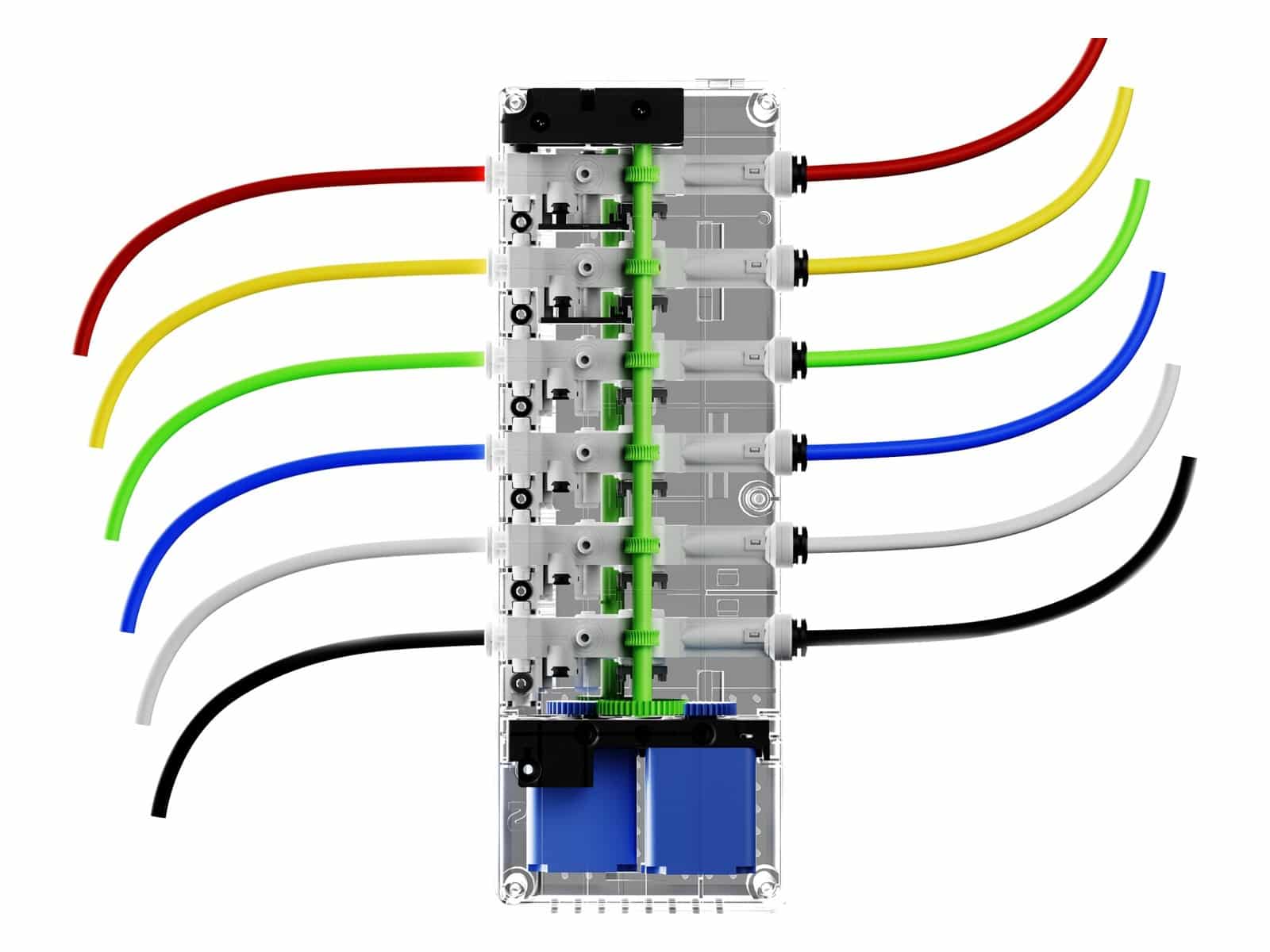
Sovol has addressed this by moving away from traditional physical touch probes in favor of a multi-camera vision system. A dedicated rear-facing camera calculates the X and Y offsets between toolheads automatically, while cameras mounted directly on the toolheads monitor extrusion consistency. Sovol claims this vision-based approach is 2.5 times faster than manual or probe-based calibration. Furthermore, the machine includes an internal chamber camera that utilizes AI to detect "spaghetti" failures (where a print loses adhesion and creates a mess of filament) and stray objects on the build plate, pausing the print to prevent hardware damage.
To maintain print quality at high speeds, the M1D incorporates a mechanical Z-lift to keep the inactive toolhead from clipping the printed object, and an accelerometer for vibration compensation. The latter is essential for neutralizing the "ghosting" or "ringing" effects that occur when the mass of the toolhead changes direction quickly.
Economic and Environmental Implications
The primary value proposition of the M1D is the reduction of material waste. In a standard single-nozzle multi-color print, the printer might change colors 500 times. If each change requires a 1-gram purge, the user has wasted half a kilogram of plastic. For professional print farms and engineering firms, this waste represents a significant overhead cost and an environmental liability. By moving to a near-zero purge system, the M1D significantly lowers the cost per part for complex models.
Furthermore, the IDEX functionality allows for "Copy Mode" and "Mirror Mode." This enables the printer to produce two identical parts simultaneously, effectively doubling the production throughput of a standard printer. For small-scale manufacturing and "prosumer" businesses, this provides a level of efficiency usually reserved for much more expensive industrial platforms.
Market Context and Competitive Landscape
The 3D printing industry is currently bifurcated between high-speed, "plug-and-play" single-nozzle machines and high-end, complex tool-changers like the Prusa XL. The Sovol M1D occupies a middle ground, offering a higher nozzle count than the Prusa XL (which maxes out at five) while maintaining a price point that is competitive with high-end consumer units.
Industry analysts suggest that the success of the M1D campaign indicates a growing maturity in the maker market. Users are no longer satisfied with simply "making a shape"; they are looking for reliable ways to produce functional, multi-material objects—such as a rigid part with integrated flexible gaskets—without the mechanical failures often associated with complex filament switching paths.
Safety, Support, and Global Distribution
Addressing the inherent risks of crowdfunding, Sovol has outlined a robust logistics plan. The company has stated that orders for major markets, including Australia, the United States, the United Kingdom, and the European Union, will be fulfilled via local warehouses. This strategy is intended to mitigate the impact of international shipping delays and eliminate surprise customs duties for backers.
The machine comes with a two-year warranty and runs on OrcaSlicer, an increasingly popular open-source slicing software. This choice aligns with the community’s preference for software that is not "locked" into a single manufacturer’s ecosystem, allowing for greater user customization and long-term viability.
Conclusion
The Sovol M1D represents a significant engineering ambitiousness in the desktop 3D printing space. By successfully integrating IDEX and a seven-head tool-changing system, it addresses the most significant pain point in multi-material printing: the inefficiency of waste. While the mechanical complexity of such a system introduces more potential points of failure than a simpler machine, the overwhelming financial support for the project suggests that the market is ready to embrace more complex hardware in exchange for material efficiency and expanded creative possibilities. As the campaign nears its conclusion on August 28, the focus will shift from funding to the manufacturing and quality control challenges of delivering a highly complex mechanical system to a global audience.



 Yuyun Lusiyani
 Joko Widodo
 Jia Lissa
 Pevita Pearce
 admin
admin