
 Lina Irawan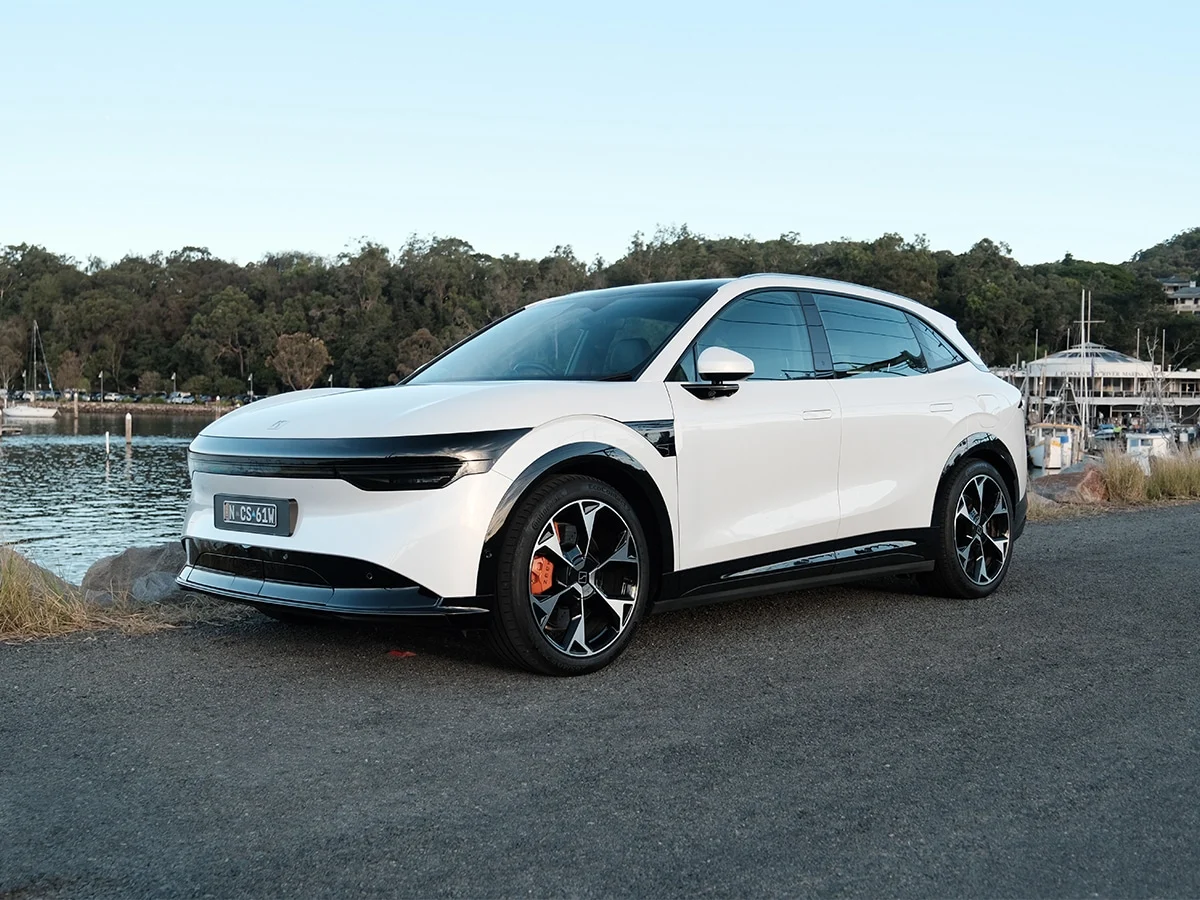
The Australian automotive market is currently undergoing its most significant structural shift in over a century, driven by the aggressive expansion and technological evolution of Chinese automakers. This transformation is characterized by a fundamental change in how vehicles are developed, marketed, and maintained, moving away from the traditional concept of the car as a mechanical appliance toward a new paradigm of the vehicle as a piece of rapidly updatable consumer technology. By leveraging shorter development cycles and a "software-first" approach, Chinese brands have not only challenged legacy European and Japanese manufacturers but have, as of mid-2026, officially overtaken them in key market segments.
A Fundamental Shift in Product Development Cycles
Traditional automotive manufacturing has historically relied on long-term product cycles, typically spanning five to seven years for a new platform or a significant cabin overhaul. This slow-moving approach, favored by legacy brands in Japan and Europe, prioritizes mechanical perfection and long-term hardware testing. In contrast, Chinese manufacturers have adopted an 18-month development cycle, mirroring the cadence of the consumer electronics and smartphone industries.
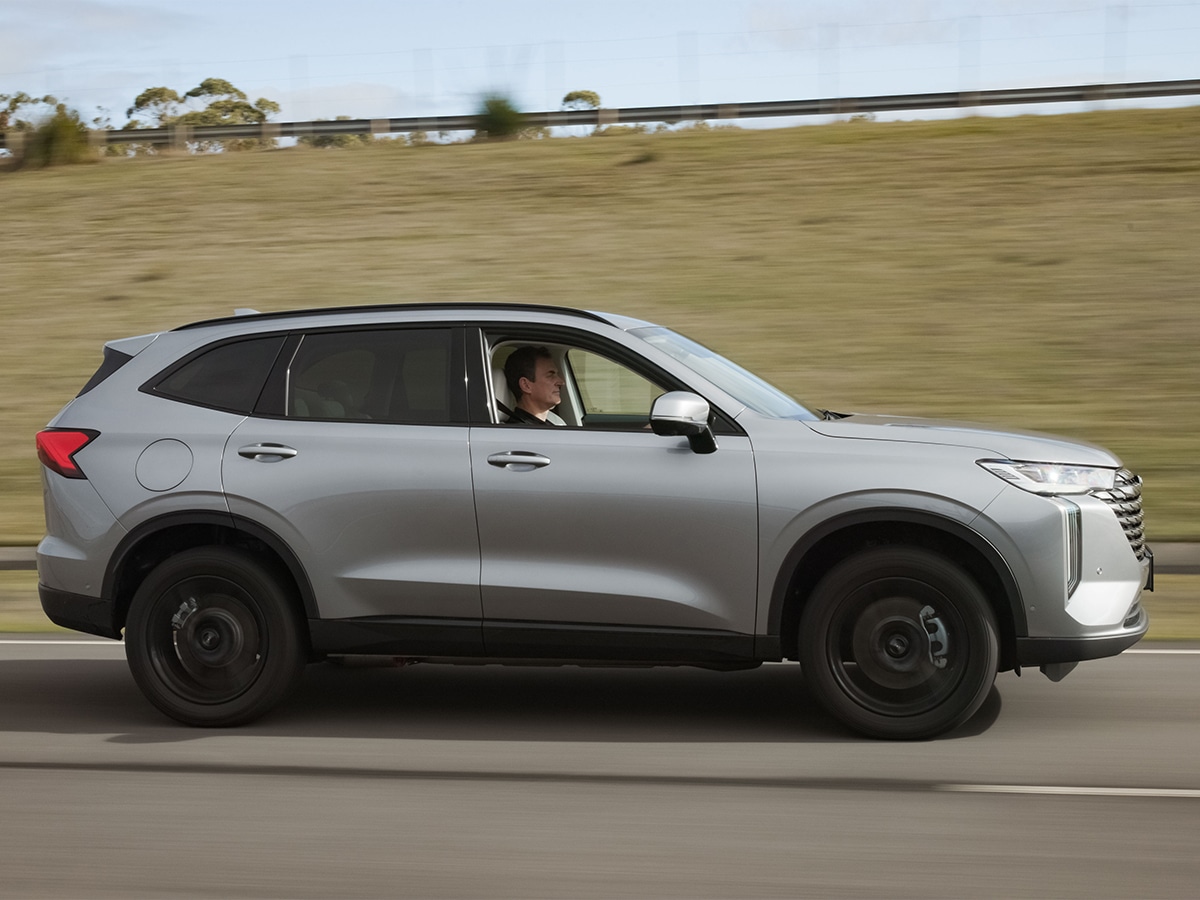
This rapid pace allows Chinese marques to integrate the latest technological advancements—such as high-definition displays, advanced driver-assistance systems (ADAS), and cabin comfort features—into their vehicles years ahead of their competitors. Three years ago, early Chinese imports were often criticized for unrefined safety calibrations and intrusive driver-monitoring systems. However, the use of over-the-air (OTA) software updates has allowed these companies to treat early customers as a feedback loop, refining systems in real-time. For instance, manufacturers like GWM have demonstrated the ability to revise lane-keep assistance software within weeks of receiving critical feedback from road testers and owners, a feat that would traditionally take years of hardware redesign for a legacy manufacturer.
Market Dominance and the Dethroning of Traditional Leaders
The impact of this technological agility is reflected in the sales data. In a historic shift, China has replaced Japan as the primary source of new vehicles sold in Australia, ending a 28-year period of Japanese dominance. This transition is fueled by two primary factors: the proliferation of domestic Chinese brands and the decision by Western manufacturers to move their production hubs to China to leverage lower costs and advanced battery supply chains.
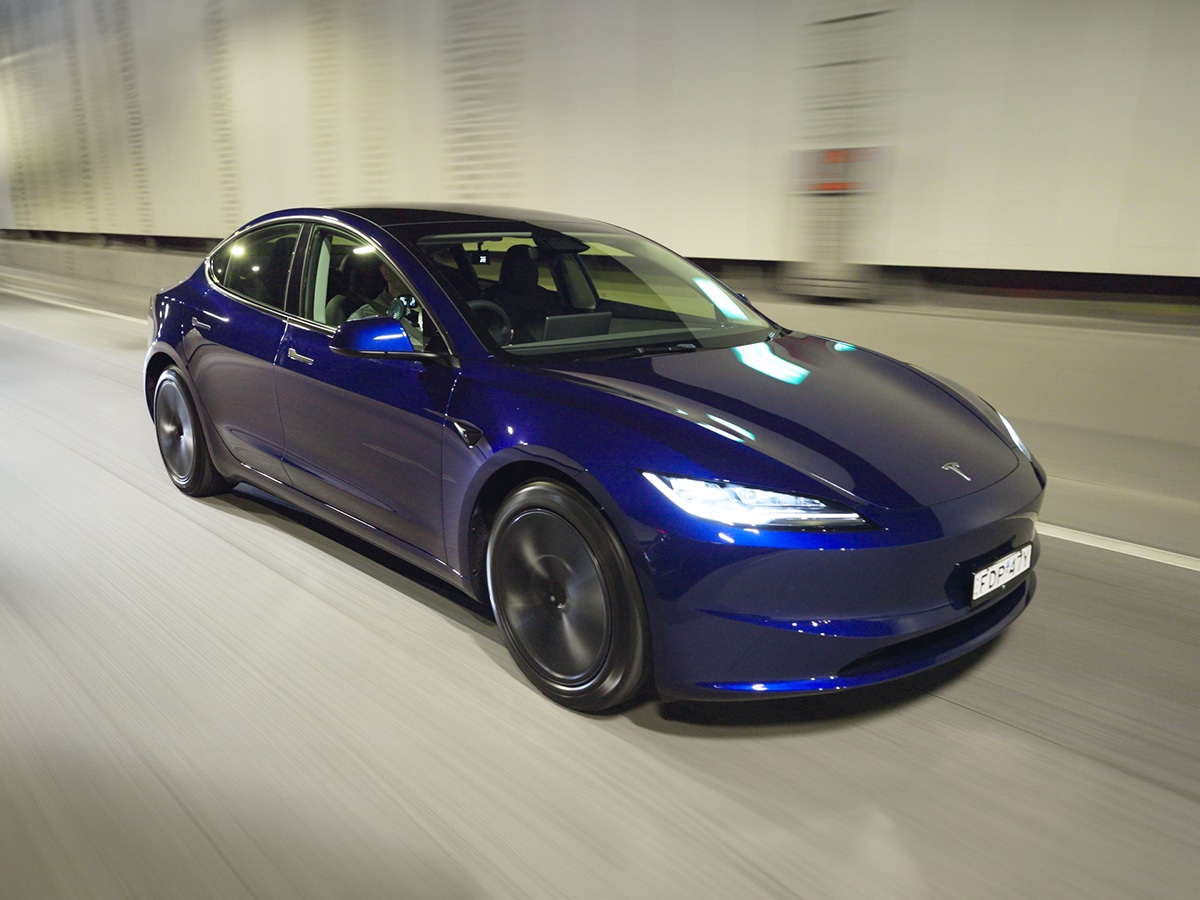
By June 2026, electric vehicle (EV) adoption in Australia reached a record 23.3 percent of all new car sales. Significantly, approximately 80 percent of these electric vehicles are manufactured in China. This includes not only Chinese-owned brands like BYD and Zeekr but also Shanghai-built Teslas and models from Volvo, Polestar, and Kia. The volume growth is substantial; for example, BYD recorded over 60,000 sales in the first seven months of 2026 alone. The BYD Sealion 7 and the Shark 6 plug-in hybrid (PHEV) ute have emerged as high-volume leaders, while premium offerings from Zeekr and Polestar are now outperforming established German electric models in the luxury segment.

The Role of Local Engineering and Dynamic Refinement
Despite their rapid commercial success, Chinese vehicles have historically faced criticism regarding their driving dynamics. Many mainstream models have been noted for "floaty" suspension, light steering feel, and conservative traction control settings that lack the precision found in European or Japanese counterparts. Recognizing that Australian roads—characterized by coarse-chip bitumen and unsealed surfaces—require specific tuning, Chinese automakers have begun investing heavily in local engineering.
GWM, for example, secured the expertise of former Holden ride-and-handling engineers to lead chassis development for the Australian and New Zealand markets. Utilizing the historic Lang Lang proving ground in Victoria, these teams are tasked with re-valving dampers and adjusting spring rates to suit local conditions. This move signals a transition from "budget alternative" to "market leader," as Chinese brands seek to close the gap in mechanical refinement while maintaining their lead in digital features. This localized engineering approach is designed to satisfy the small but vocal segment of car enthusiasts while the broader market remains focused on digital convenience and low running costs.
The New Vehicle Efficiency Standard (NVES) as a Strategic Catalyst
The introduction of the New Vehicle Efficiency Standard (NVES Act 2024) by the Australian government serves as the final piece of the puzzle for Chinese market dominance. Designed to reduce national fleet emissions, the NVES imposes strict CO2 targets that become increasingly stringent through 2029. Under this framework, passenger car fleet averages must drop to 58g/km of CO2, while light commercial vehicles are capped at 110g/km.
This policy creates a bifurcated market. Legacy brands that rely heavily on internal combustion engines (ICE) and diesel-powered utes face potential civil penalties of $100 per gram of CO2 over the target for every vehicle imported. In contrast, Chinese manufacturers, whose lineups are heavily weighted toward zero-emission battery electric vehicles (BEVs) and ultra-low-emission plug-in hybrids, are generating vast surpluses of tradeable carbon credits.
Data from the NVES Regulator indicates a stark divide:
- Chinese OEMs (BYD, MG, Zeekr): Currently hold a surplus of millions of compliance credits due to their high-EV sales mix.
- Legacy OEMs (Toyota, Ford, Mazda): Facing significant liabilities unless they rapidly increase their EV sales or purchase credits from their Chinese competitors.
This financial mechanism effectively creates a wealth transfer within the industry. Legacy brands may be forced to choose between passing thousands of dollars in penalties onto their customers or paying Chinese manufacturers for the credits required to keep their traditional models on sale.
Comparative Performance and Consumer Expectations
The shift in consumer preference is also driven by a perceived increase in "value-for-money" regarding interior technology. Chinese manufacturers have standardized features that were previously reserved for high-end luxury vehicles. Even entry-level models, such as the BYD Atto 1 (starting at approximately AUD$24,000), now feature 360-degree cameras, ventilated seats, and sophisticated infotainment systems as standard equipment.
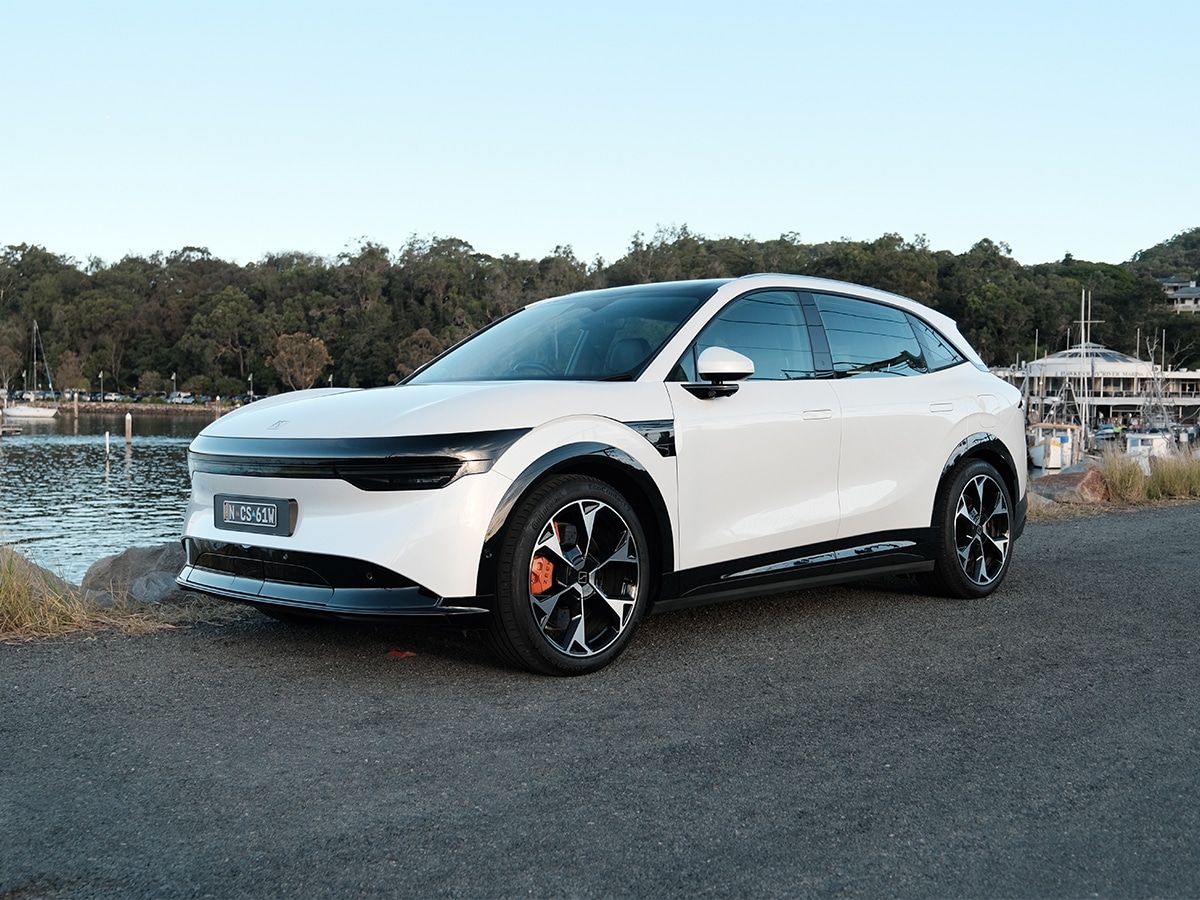
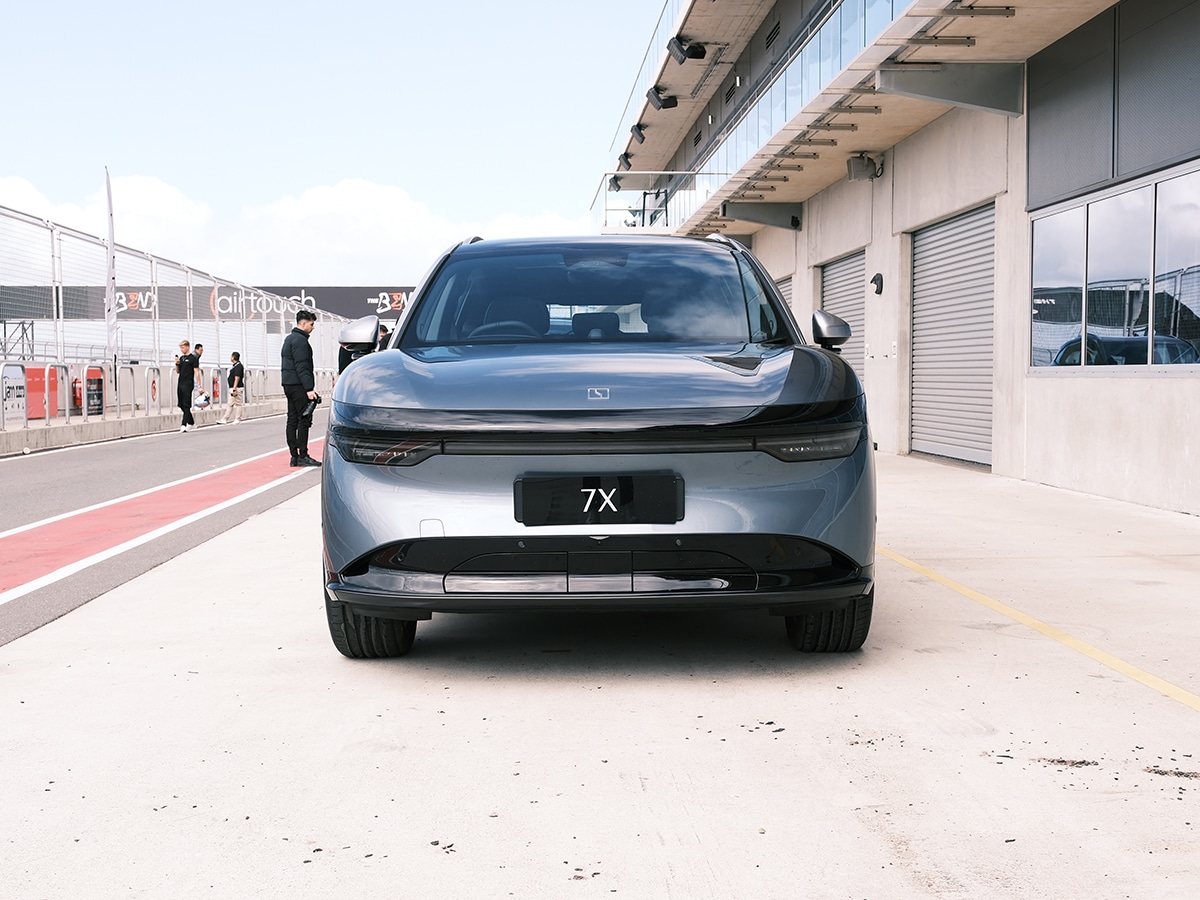
In the premium sector, the Zeekr 7X and Polestar 4 are challenging the European status quo. The Zeekr 7X, priced at approximately AUD$72,900, utilizes an 800V battery architecture that supports 450 kW DC fast charging—a specification that currently exceeds the charging capabilities of many luxury EVs costing twice as much. By offering "Rolls-Royce-style" automatic doors, massaged Nappa leather, and double-glazed acoustic glass at a lower price point, these brands are successfully redefining what Australian buyers expect from a luxury vehicle.
Implications for the Future of the Australian Auto Industry
The rapid ascent of Chinese automakers in Australia is not a temporary trend but a permanent restructuring of the market. The combination of high-speed product development, aggressive pricing, and a favorable regulatory environment has created a situation where legacy brands are struggling to maintain their historical market share.
As the 2029 NVES targets approach, the competitive advantage held by manufacturers with established EV supply chains will likely intensify. While traditional manufacturers like Ford and Toyota are beginning to introduce hybrid and electric variants of their popular models, the uptake has been comparatively slow. The delay in transitioning to cleaner powertrains has left many established brands vulnerable to the financial penalties of the NVES, while Chinese brands continue to expand their footprint across all segments, from budget hatchbacks to heavy-duty 4×4 utes.
The conclusion of this three-year market observation period suggests that Australian buyers have moved past the initial skepticism regarding Chinese build quality. The market has accepted the "vehicle-as-an-appliance" model, prioritizing digital integration and cost-efficiency over traditional mechanical heritage. With local engineering now addressing the final hurdles of driving dynamics, the trajectory for Chinese automotive dominance in Australia appears firmly established. The industry’s future is no longer defined by the mechanical precision of the past century but by the digital innovation and manufacturing scale of the next.




 Yuyun Lusiyani
 Joko Widodo
 Jia Lissa
 Pevita Pearce
 admin
admin
