
 Ana Megawati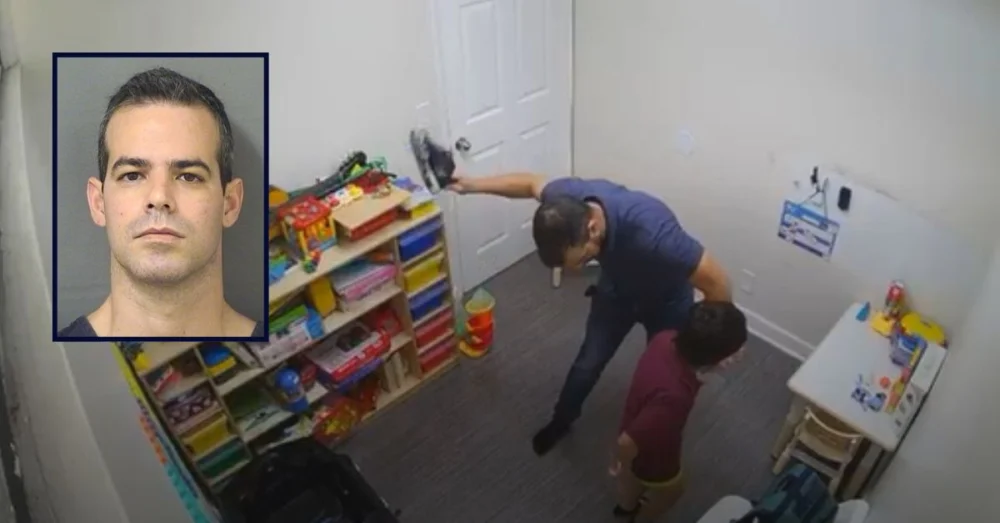
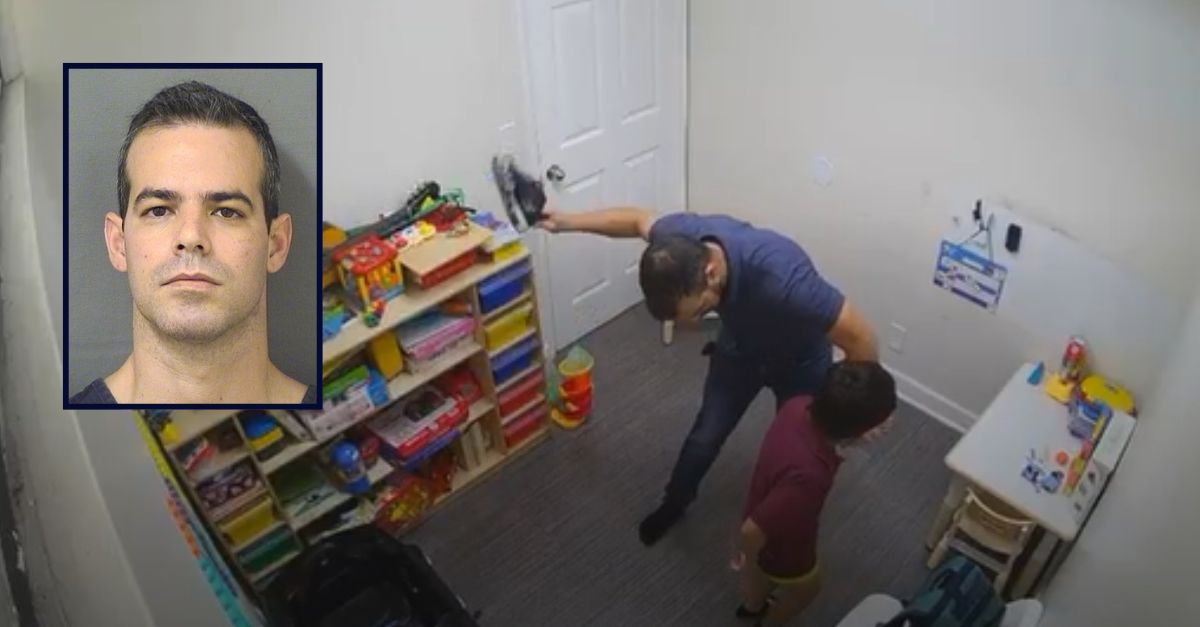
West Palm Beach, Florida – A registered behavior technician (RBT) in Florida, Reylan Cortes-Garnier, 28, has been arrested and charged with child abuse without great bodily harm after allegedly using therapy tools, including a shoe, tennis racket, and book, to strike a nonverbal boy with autism under his care. The disturbing allegations surfaced after the child’s mother noticed unexplained bruises and marks on her son and demanded to review surveillance footage from the therapy facility, Maximum Achievers, in West Palm Beach.
The incident, which allegedly occurred on February 20, at the facility where Cortes-Garnier had been working with the young boy for approximately a year, has sent shockwaves through the community and raised serious questions about the oversight and safety protocols in place for vulnerable individuals receiving specialized care. The mother, Diana Hernandez, described her horror upon witnessing the alleged abuse captured on video, prompting an immediate police investigation.
A Mother’s Alarming Discovery and the Unveiling of Alleged Abuse
The initial signs of trouble emerged when Diana Hernandez observed troubling changes in her son. "The first thing I noticed, I saw he was shaking," Hernandez recounted to local CBS affiliate WPEC. Beyond the behavioral changes, her son returned home with a concerning array of physical injuries, including bruises and other marks on his body. For a nonverbal child, these physical manifestations and shifts in demeanor are often the only way they can communicate distress or trauma. This critical observation prompted Hernandez to act decisively, approaching the director of Maximum Achievers to request access to video footage from her son’s therapy sessions.
What Hernandez reportedly witnessed on the surveillance video was deeply distressing. According to a probable cause arrest affidavit, the footage depicted Cortes-Garnier engaging in "multiple intentional acts of child abuse." These acts allegedly included throwing a ball at the boy "at high velocity," removing his shoe and using it to beat the child, and then striking the boy several times with a tennis racket and a book. The alleged use of objects typically found in a therapy setting – a ball for stimulation, a shoe as an improvised weapon, and a racket and book – underscores a profound betrayal of trust and professional responsibility.
Following the review of the video, Hernandez further noted specific injuries on her son: a bite mark, along with bruises on his shoulder, ribcage, and lower back area. She immediately sought medical attention for her child, taking him to a hospital for evaluation. Medical professionals at the hospital determined that the boy’s injuries were "consistent with physical trauma," corroborating the mother’s grave concerns and the evidence from the surveillance footage.
The Chronology of a Distressing Case
The timeline of events highlights a rapid escalation from a mother’s concern to a criminal investigation:
- February 20: The alleged acts of child abuse by Reylan Cortes-Garnier against the nonverbal autistic boy reportedly occur at Maximum Achievers in West Palm Beach.
- Days Following: Diana Hernandez observes bruises, marks, and a change in her son’s behavior, leading to her deep concern.
- Shortly After Discovery: Hernandez contacts the director of Maximum Achievers, requesting to review surveillance video of her son’s therapy sessions.
- Video Review: Hernandez views the footage, witnessing the alleged abuse firsthand, and subsequently confronts the facility’s director.
- Initial Hesitation and Parental Insistence: Hernandez expresses her intent to involve law enforcement. She claims the director was initially hesitant, leading her to question the director’s priorities, stating, "Why are you risking your whole business for this man? You’re supposed to be taking care of my kids. I put my kids in your hands."
- Police Involvement and Review: Law enforcement officers are brought in and review the video footage with the director, confirming the allegations.
- Facility’s Response: The director confronts Cortes-Garnier with the video evidence. Cortes-Garnier reportedly "profusely apologized" for the incident and was subsequently fired from Maximum Achievers.
- Medical Confirmation: The boy undergoes a medical evaluation, with doctors confirming his injuries are consistent with physical trauma.
- Friday (Specific Date Not Provided, but Recent): Reylan Cortes-Garnier is arrested and charged with child abuse without great bodily harm.
- Post-Arrest: Cortes-Garnier posts a $7,500 bond for his release.
- March 29: Cortes-Garnier’s next court date is scheduled.
The Critical Role of a Registered Behavior Technician (RBT)
Reylan Cortes-Garnier’s role as a Registered Behavior Technician (RBT) is central to the gravity of these allegations. RBTs are paraprofessionals who practice under the close, ongoing supervision of a Board Certified Behavior Analyst (BCBA) or Board Certified Assistant Behavior Analyst (BCaBA). Their primary function is to implement behavior intervention plans designed to help individuals, often those with autism spectrum disorder, develop new skills and reduce challenging behaviors.
The core principles of Applied Behavior Analysis (ABA), the therapeutic approach RBTs are trained in, emphasize positive reinforcement, data-driven decision-making, and the ethical treatment of clients. The Behavior Analyst Certification Board (BACB), which credentials RBTs, maintains a strict Code of Ethics. This code explicitly prohibits any form of abuse, neglect, or exploitation of clients. It mandates that RBTs act in the best interest of their clients, prioritize their welfare, and ensure their dignity and safety are upheld. Training for RBTs includes coursework on ethical conduct, client rights, and crisis intervention strategies that are non-aversive and prioritize the client’s well-being.
The alleged actions by Cortes-Garnier stand in stark contrast to every tenet of ethical RBT practice. Using physical force and therapy items as weapons represents a fundamental violation of the trust placed in a behavior technician and the ethical guidelines governing the profession. Such conduct is not only prohibited by law but also antithetical to the therapeutic goals of skill acquisition and positive behavioral change for individuals with autism.
Understanding the Vulnerability of Nonverbal Autistic Children
This case highlights the particular vulnerability of nonverbal children with autism spectrum disorder (ASD). Autism is a neurodevelopmental condition characterized by challenges with social communication, repetitive behaviors, and restricted interests. For individuals who are nonverbal, expressing pain, discomfort, fear, or abuse becomes an immense challenge. They cannot verbally articulate what has happened, making them heavily reliant on attentive caregivers to observe behavioral changes, physical signs, or shifts in mood.
The inability to communicate verbally means that signs of distress can be easily misinterpreted or, worse, overlooked. Bruises, withdrawal, increased anxiety, or changes in routine can be the only indicators of trauma. This places an extraordinary responsibility on parents, teachers, and therapists to be vigilant, empathetic, and attuned to subtle cues. When a professional entrusted with the care of such a vulnerable child allegedly engages in abuse, it shatters the fundamental trust parents place in specialized facilities and highlights the urgent need for robust safeguards. The long-term psychological impact on a nonverbal child who experiences such trauma can be profound, potentially exacerbating existing challenges with trust, communication, and emotional regulation.
Facility Responsibilities and the Call for Oversight
Maximum Achievers, as a facility providing specialized therapy to children with autism, bears significant responsibility for ensuring a safe and therapeutic environment. The director’s statement that Cortes-Garnier’s conduct was "strictly prohibited at her facility and is not consistent with any established policy, training protocol or individualized behavior plan" is crucial. While this statement indicates the facility’s policies condemn such actions, the incident itself raises questions about the effectiveness of their screening processes, ongoing supervision, and the implementation of these policies.
Providers of services to vulnerable populations are typically subject to various state and federal regulations, which often include requirements for thorough background checks, regular staff training, and robust supervisory frameworks. Facilities are expected to have clear protocols for reporting suspected abuse, responding to parental concerns, and maintaining surveillance systems to protect clients and staff. An incident of this nature will likely trigger internal reviews at Maximum Achievers and could potentially lead to investigations by state licensing boards or regulatory agencies to assess compliance with safety and ethical standards. The initial alleged hesitation by the director to involve police, as stated by Hernandez, also raises concerns about the facility’s immediate response protocols and commitment to transparency.
Broader Implications and the Quest for Justice
The arrest of Reylan Cortes-Garnier has far-reaching implications. For parents of children with autism, particularly those who are nonverbal, it deepens anxieties about the safety of their loved ones in therapeutic settings. Trust, which is foundational to effective therapy, can be severely eroded by such incidents. Advocacy groups for individuals with disabilities will undoubtedly seize upon this case to underscore the ongoing need for heightened vigilance, stricter regulations, and more rigorous oversight of care providers. Organizations like Autism Speaks and local disability rights groups frequently advocate for comprehensive background checks, mandatory continuing education in ethics, and accessible reporting mechanisms for abuse.
The legal process for child abuse without great bodily harm in Florida is stringent. This charge typically constitutes a third-degree felony, carrying potential penalties of up to five years in prison, probation, and significant fines. The surveillance video footage is expected to be a critical piece of evidence in the prosecution’s case, providing direct visual proof of the alleged acts.
Diana Hernandez’s unwavering pursuit of justice for her son resonates deeply. "I just want justice. I just want justice for my son," she told WPEC. "I honestly wanted it to be a lie. I wanted it to not be true. I wanted it to be something else." Her words encapsulate the profound emotional toll such an event takes on a family. Beyond the immediate legal outcome, the long-term goal for the family and the wider community is to ensure that such alleged abuses are prevented, that perpetrators are held accountable, and that therapeutic environments remain safe havens for children in need.
As the case proceeds to court on March 29, the focus will remain on the legal proceedings and the pursuit of accountability for the alleged actions against a profoundly vulnerable child. This incident serves as a stark reminder of the immense responsibility placed upon those who care for individuals with special needs and the critical importance of continuous vigilance, robust oversight, and unwavering advocacy for their safety and well-being.

 Yuyun Lusiyani
 Joko Widodo
 Jia Lissa
 Pevita Pearce
 admin
admin
