
 Lina Irawan
The global shift toward sustainable, decentralized energy solutions has reached a new milestone with the introduction of the Iris T1, a portable solar power system currently making significant waves on the crowdfunding platform Kickstarter. Designed to cater to the growing demographic of outdoor enthusiasts, off-grid professionals, and emergency preparedness advocates, the Iris T1 has already garnered substantial financial backing, signaling a robust market demand for high-efficiency, grab-and-go solar technology. As of the latest campaign updates, the project has secured over US$122,363 in pledges from 123 initial supporters, far exceeding its initial funding goals and positioning itself as a serious contender in the competitive portable power sector.
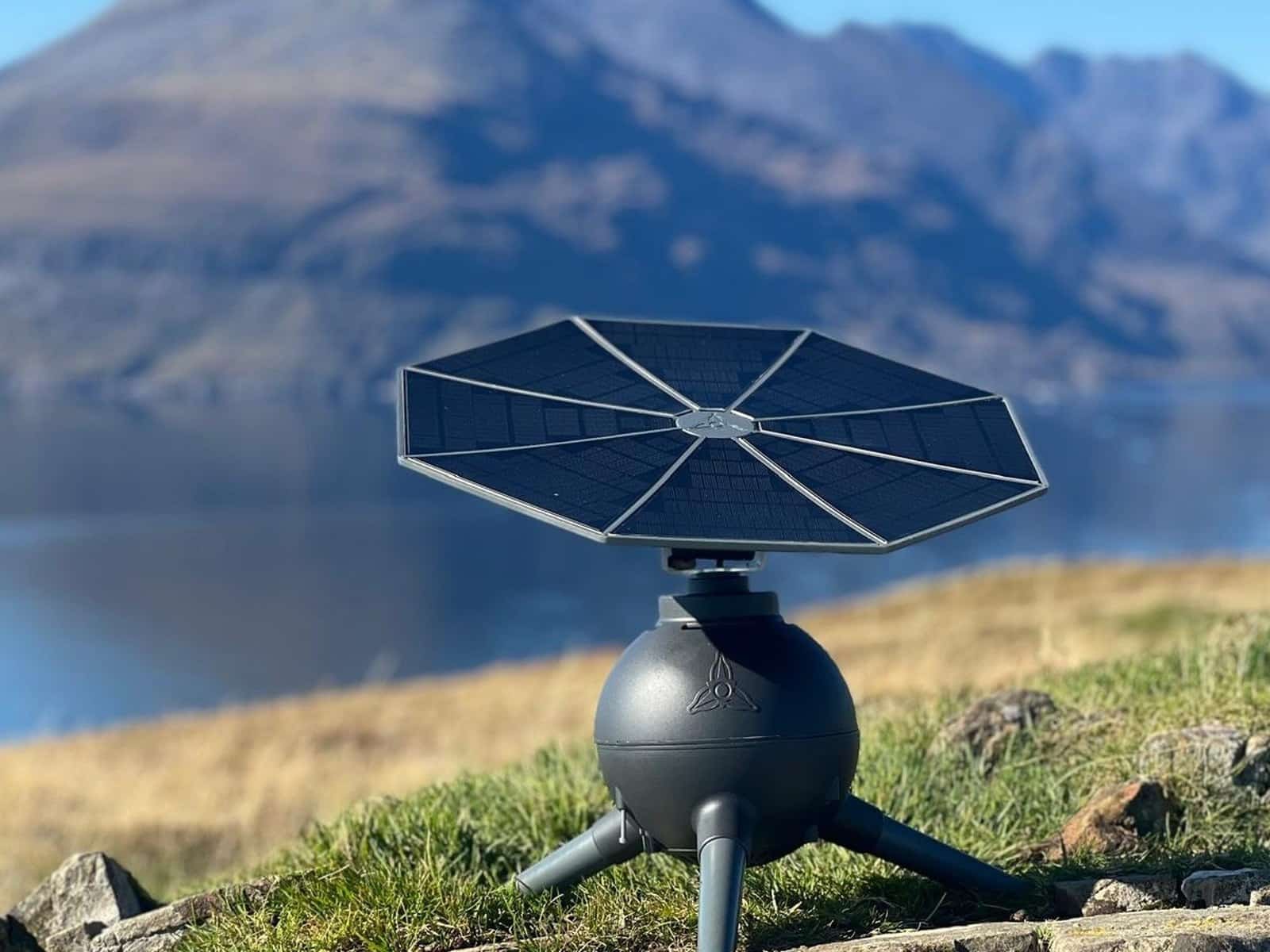
The Iris T1 is fundamentally a compact energy harvesting and distribution unit. It integrates high-efficiency solar panels with a sophisticated power management module, allowing users to convert ambient sunlight into usable electricity for a wide range of small electronics, including smartphones, tablets, laptops, and specialized field equipment. Unlike traditional bulky solar arrays or fuel-dependent generators, the Iris T1 emphasizes a slim, foldable form factor that prioritizes mobility without sacrificing the structural integrity required for rugged outdoor environments. This launch comes at a time when the "van life" movement, remote digital work, and a heightened awareness of climate-related power instabilities are driving consumers toward independent energy solutions.
The Evolution of Portable Solar Infrastructure
The emergence of the Iris T1 is part of a broader technological trajectory within the renewable energy industry. For decades, portable power was dominated by lead-acid batteries and small internal combustion engines. However, the last five years have seen a paradigm shift toward lithium-ion storage and monocrystalline solar cell technology. The Iris T1 leverages these advancements to offer a system that is significantly lighter and more user-friendly than its predecessors.

Market analysts observe that the portable solar charger market is projected to grow at a compound annual growth rate (CAGR) of over 15% through 2030. This growth is fueled by improvements in photovoltaic efficiency—the rate at which solar cells convert sunlight into electricity. While early portable panels often struggled to provide enough current for modern, high-draw devices like MacBooks or professional DSLR cameras, the new generation of hardware, represented by the Iris T1, aims to bridge this gap through optimized circuitry and better surface-area-to-output ratios.
Technical Design and Structural Integrity
The Iris T1 distinguishes itself through a design philosophy centered on "minimalist utility." The unit features a primary foldable panel section that utilizes advanced solar cells, likely of the monocrystalline variety given the performance claims, which are known for higher efficiency and longevity compared to thin-film alternatives. The exterior is constructed from durable, weather-resistant materials designed to withstand the UV exposure and mechanical stress typical of campsites, boat decks, and construction sites.
One of the critical design choices in the T1 is the integration of the power module directly into the panel housing. This reduces the need for external tethering and minimizes energy loss through long cabling. The interface is designed for "plug-and-play" operation, a feature that the Iris development team highlights as a core advantage for users who may not have technical expertise in electrical engineering. By simplifying the connection process, the Iris T1 positions itself as a consumer-friendly appliance rather than a complex piece of industrial equipment.
Chronology of the Iris T1 Development
The journey of the Iris T1 from concept to a funded Kickstarter project follows a timeline typical of successful hardware startups. The development began with the identification of a "utility gap" in the market: many existing solar chargers were either too small to be useful for laptops or too large to be truly portable.

- Conceptualization and Prototyping: The initial design phase focused on the folding mechanism and the weight distribution of the internal batteries and controllers.
- Field Testing: Early prototypes were reportedly tested in diverse environments, from coastal regions to high-altitude mountain settings, to ensure the panels could maintain a steady current under varying degrees of solar intensity.
- Kickstarter Launch: The campaign went live with a target goal to cover the costs of mass production tooling and initial component procurement.
- Funding Milestone: Within a short window of the launch, the campaign surpassed the US$100,000 mark, driven by "early bird" backers who recognized the value proposition of the hardware.
- Production Readiness: The team is currently in the phase of finalizing supplier contracts and preparing for the first production run, with delivery timelines communicated to backers via the project’s transparency updates.
Supporting Data and Market Comparison
To understand the impact of the Iris T1, it is essential to compare it with traditional energy sources used in similar contexts. A standard small gasoline generator produces roughly 1,000 to 2,000 watts of power but requires constant fuel, emits carbon monoxide, and creates significant noise pollution (often exceeding 60-70 decibels). In contrast, the Iris T1 operates in total silence, produces zero emissions during use, and requires no ongoing fuel costs.
While the Iris T1 is not intended to power heavy appliances like refrigerators or power tools for extended periods, its efficiency in the "micro-power" category is significant. For a digital nomad working from a remote location, a high-efficiency solar panel can mean the difference between four hours of laptop battery life and an entire day of productivity. Data suggests that even in moderate cloud cover, modern high-efficiency panels can retain 25-40% of their rated output, providing a trickle charge that maintains device readiness in less-than-ideal weather conditions.
Implications for Emergency Preparedness and Disaster Relief
Beyond recreation, the Iris T1 has clear implications for the emergency preparedness sector. In the aftermath of natural disasters—such as hurricanes or wildfires—grid-based power is often the first utility to fail and the last to be restored. Portable solar units have become essential components of "go-bags" and emergency kits.
Governmental and non-governmental organizations (NGOs) have increasingly advocated for citizens to maintain independent power sources capable of keeping communication devices active. The Iris T1’s ability to be stashed in a vehicle or a closet and deployed in seconds makes it a strategic asset for domestic resilience. The fact that the campaign has attracted over 100 backers so quickly suggests that a significant portion of the audience views the T1 through the lens of security and reliability rather than just leisure.
Official Responses and Backer Sentiment
While official statements from the Iris team emphasize the technical "freedom" the device provides, backer sentiment in the campaign’s comment sections focuses on the need for simplicity. Many supporters have expressed a preference for the T1’s integrated approach over "modular" systems that require purchasing separate batteries, inverters, and panels.
However, as with all crowdfunding initiatives, there is a level of cautious optimism. The Iris team has addressed concerns regarding delivery timelines by providing a roadmap for manufacturing. In the world of hardware startups, the transition from a successful prototype to a mass-produced retail product is often fraught with logistical challenges, including global semiconductor shortages and shipping bottlenecks. The Iris team has pledged to maintain open lines of communication with their 123 (and growing) supporters to mitigate these concerns.
Broader Impact on Sustainable Travel
The "leave no trace" ethos of modern outdoor exploration is significantly bolstered by products like the Iris T1. By reducing the reliance on disposable alkaline batteries and fossil-fuel-burning generators, travelers can minimize their environmental footprint. The Iris T1 represents a move toward "circular" energy—using the very environment being explored to provide the power needed to document and navigate it.
Furthermore, the democratization of solar technology through affordable, portable units like the T1 allows for a more decentralized energy future. As more individuals adopt personal solar infrastructure, the collective reliance on centralized, often carbon-heavy power grids decreases, even if only at the margins of recreational and mobile use.

Analysis of Potential Limitations
A journalistic assessment of the Iris T1 would be incomplete without acknowledging the inherent limitations of portable solar technology. Solar energy is, by definition, intermittent. The effectiveness of the T1 is entirely dependent on geographical location, time of year, and local weather patterns. For users in northern latitudes during winter months, the "grab-and-go" utility of the device may be diminished.
Additionally, potential backers must consider the "wattage-to-weight" trade-off. While the Iris T1 is designed for portability, there is a physical limit to how much energy a panel of its size can harvest. Users expecting to run high-drain devices indefinitely may find they need to manage their power consumption carefully. The Iris T1 is a tool for energy supplementation and mobile charging, rather than a total replacement for a home-scale solar array.
Conclusion and Future Outlook
The Iris T1 stands as a testament to the current state of consumer energy technology: it is smaller, more efficient, and more accessible than ever before. Its success on Kickstarter is a clear indicator that the market is moving away from "tethered" living and toward a model of mobile independence. Whether for a weekend camping trip on the South Coast, a long day on a professional work site, or as a safeguard against the next power outage, the Iris T1 offers a glimpse into a future where power is as mobile as the people who use it.
As the campaign progresses toward its conclusion and the project moves into the fulfillment phase, the industry will be watching closely. The success of the Iris T1 could pave the way for even more integrated solar solutions, further blurring the line between everyday consumer electronics and renewable energy infrastructure. For now, the Iris T1 remains a compelling example of how crowdfunding can accelerate the adoption of green technology, turning a vision of portable power into a tangible reality for users worldwide.




 Yuyun Lusiyani
 Joko Widodo
 Jia Lissa
 Pevita Pearce
 admin
admin
