
 Lina Irawan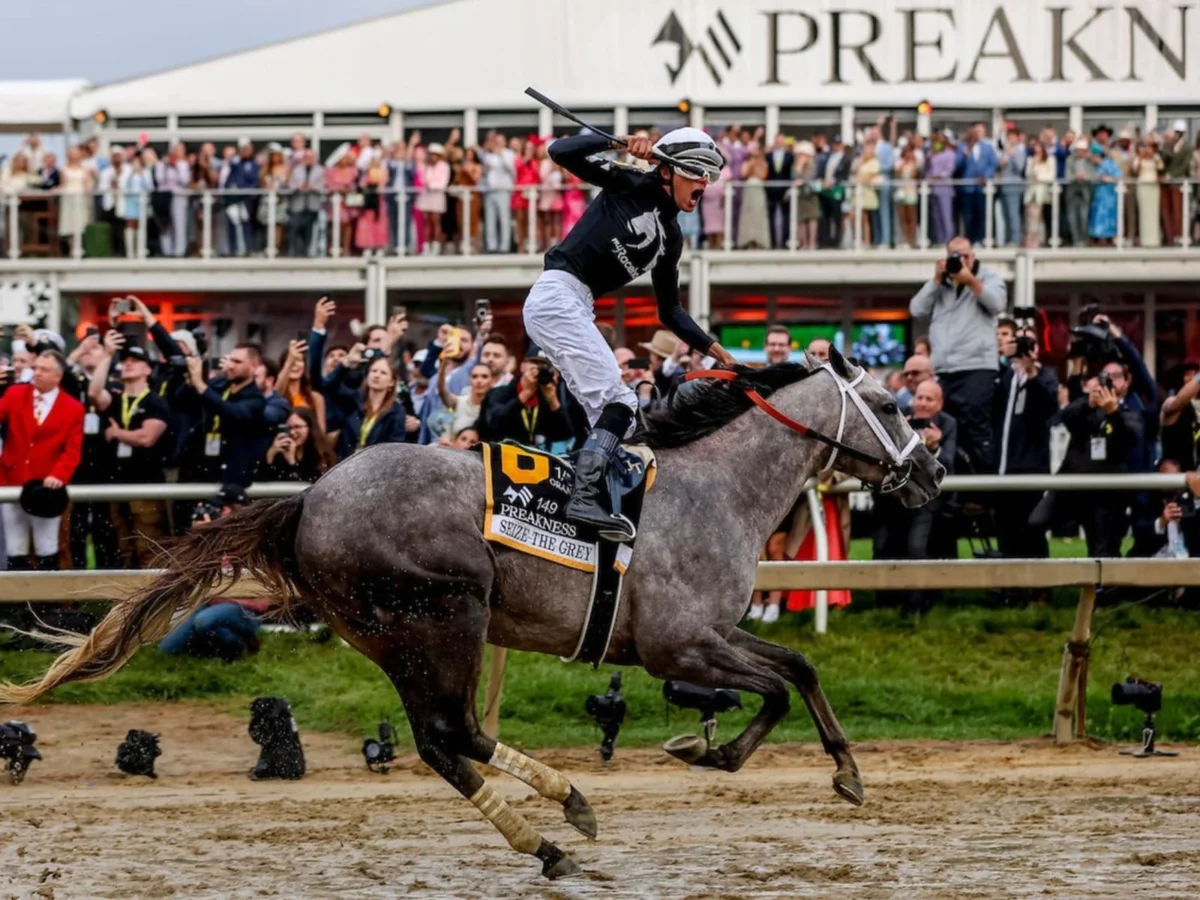
Horse racing has historically functioned as an exclusive enclave, often referred to as the "Sport of Kings" due to the prohibitive capital requirements necessary for entry. To purchase a competitive Thoroughbred outright, an investor typically requires a minimum of $250,000 for the initial acquisition, followed by substantial monthly outlays for elite trainers, boarding facilities, and specialized veterinary care. This traditional model has effectively barred the general public from the ownership experience, relegating most enthusiasts to the betting windows. However, the emergence of MyRacehorse has fundamentally altered this landscape by utilizing a fractional ownership model that allows individuals to purchase micro-shares in elite racehorses for a one-time fee, often comparable to the price of a concert ticket.
As of late August 2026, the MyRacehorse stable offers entry points as low as $85 for a 0.01 percent stake in horses like Helios, a two-year-old colt. Unlike traditional ownership, where monthly invoices for training and care are the norm, these micro-shares are structured as one-time payments. The share price includes a prepaid reserve fund dedicated to the horse’s ongoing expenses, ensuring that owners are not subject to future capital calls. This democratization of the sport has shifted the perception of horse ownership from a high-net-worth hobby to a accessible form of "passion investing."
The Regulatory and Financial Infrastructure of Fractional Shares
The MyRacehorse model is built upon a sophisticated legal framework that treats equine ownership as a regulated security rather than a personal asset. Shares are issued through a series LLC (Limited Liability Company) structure, which allows each horse to be treated as an independent financial entity. This structure walls off the assets and liabilities of one horse from the rest of the stable, protecting investors from cross-collateralized risks. These offerings are conducted under specific exemptions from the Securities and Exchange Commission (SEC), including Regulation A, Regulation CF, and Regulation D.
The technical execution of these sales is handled by the Dalmore Group LLC, a registered broker-dealer. By filing under SEC CIK #000174448, MyRacehorse provides a level of transparency and regulatory oversight rarely seen in the private bloodstock market. Potential investors are cautioned, however, that these assets are highly speculative. The company’s disclosure documents explicitly state that horse racing involves significant risks, including the total loss of capital. Furthermore, these securities are characterized by extreme illiquidity. Unlike stocks traded on a public exchange, there is no established secondary market for MyRacehorse shares; investors are advised to view their purchase as a long-term holding with no guaranteed exit strategy.
A Chronology of Competitive Success
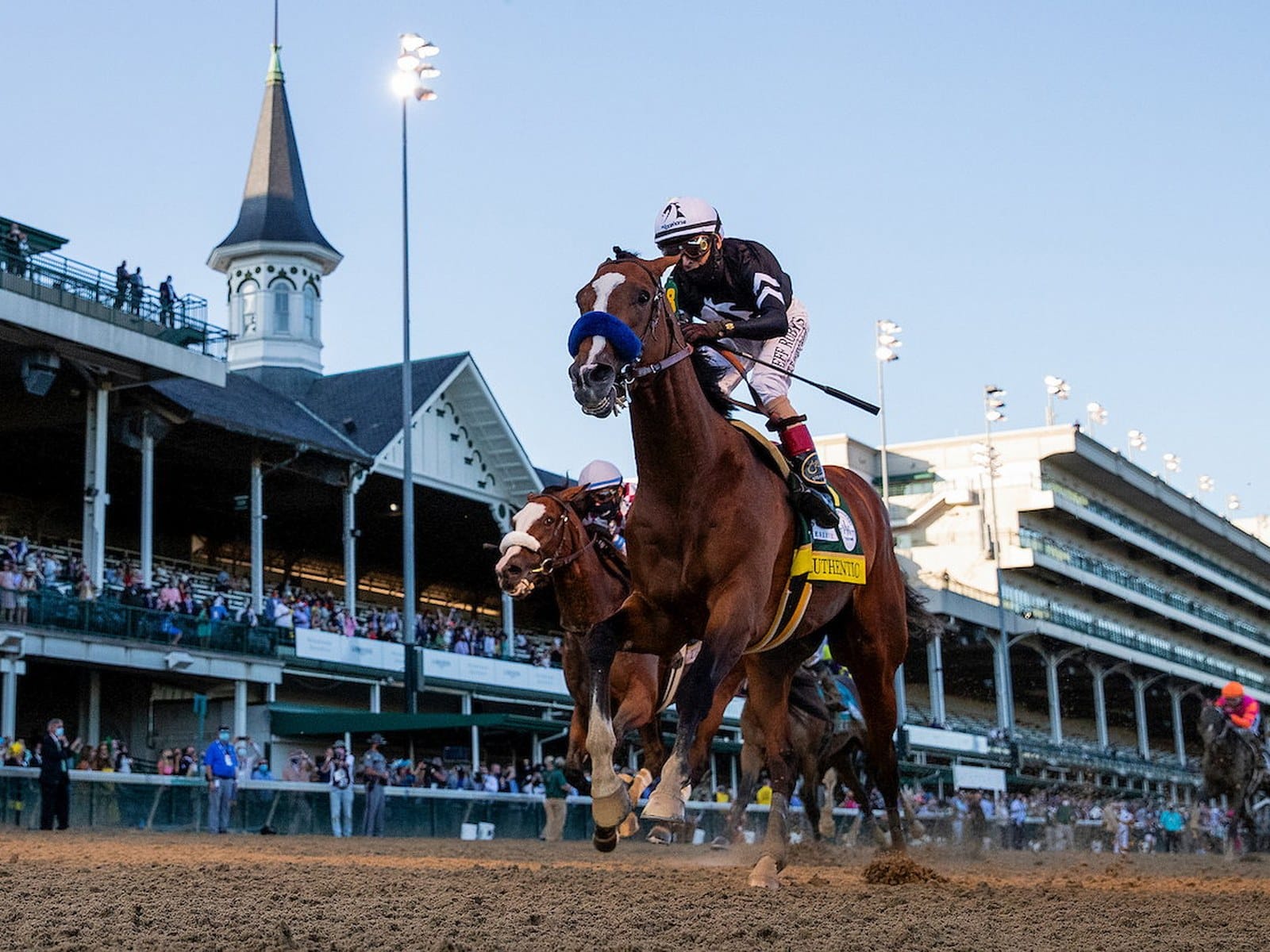
The viability of the fractional ownership model was validated through a series of high-profile victories on the global stage. The most significant milestone occurred in 2020 when Authentic, a colt part-owned by thousands of MyRacehorse investors, won the Kentucky Derby and subsequently the Breeders’ Cup Classic. These victories generated purses of $3 million and $6 million, respectively, and more importantly, proved that micro-share owners could participate in the highest levels of the sport.
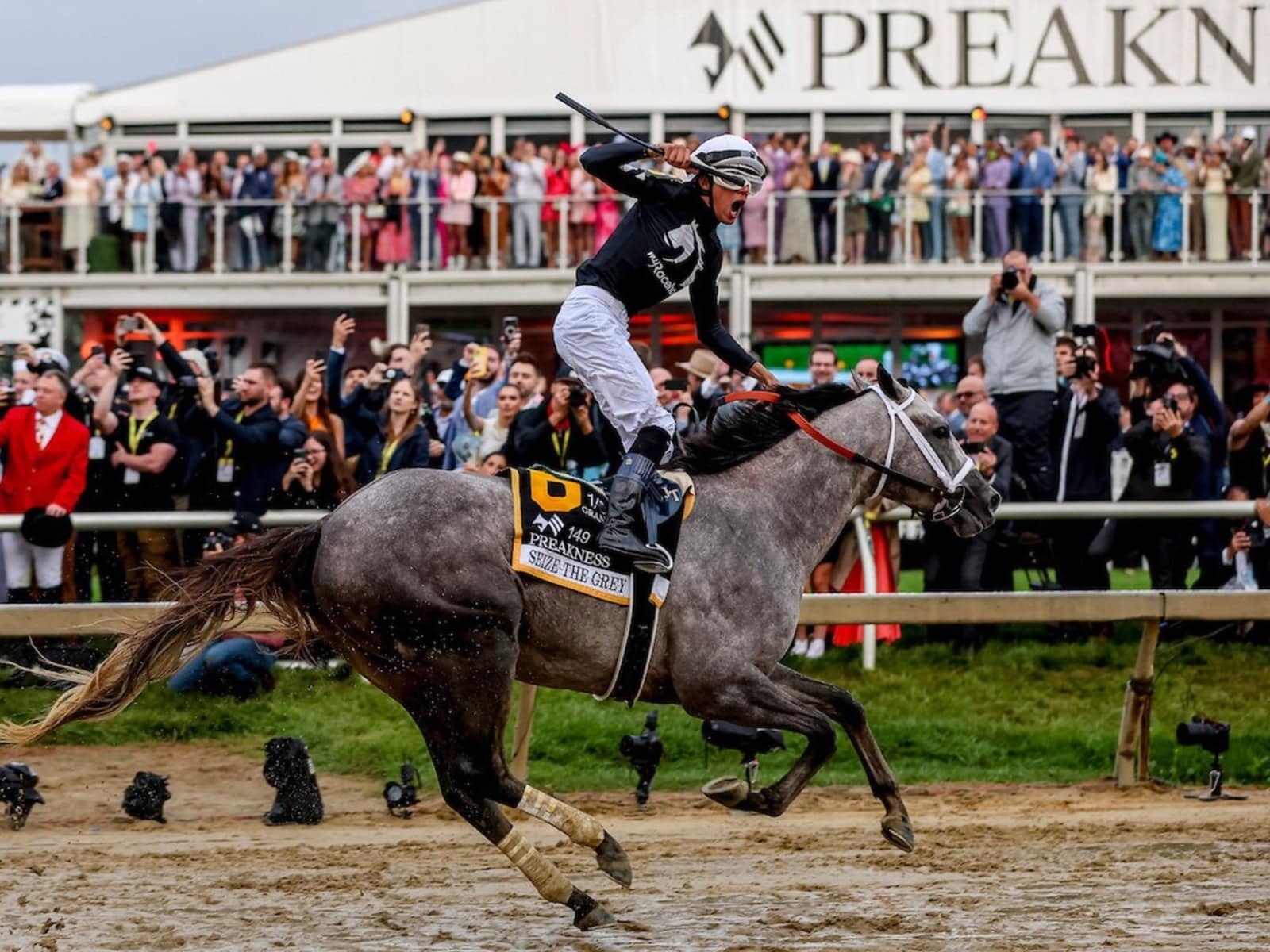
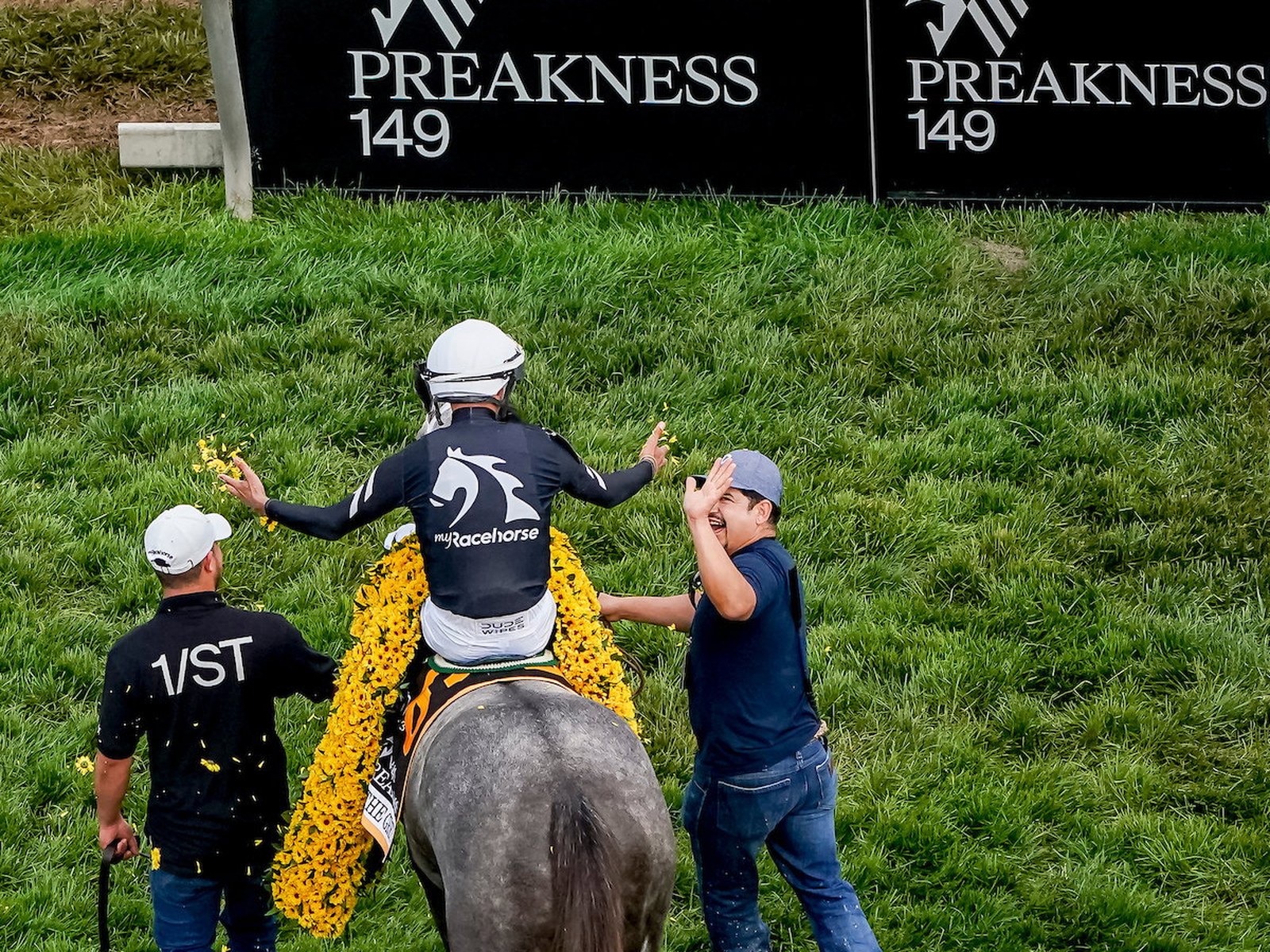
The momentum continued into the mid-2020s. In 2024, Seize the Grey captured the Preakness Stakes, the Pennsylvania Derby, and the Pat Day Mile, further cementing the brand’s reputation for identifying top-tier talent. During the same period, Straight No Chaser emerged as a dominant force in the sprinting division, winning the Breeders’ Cup Sprint in November 2024 before transitioning to the international circuit to win the Riyadh Dirt Sprint in Saudi Arabia. These successes have allowed ordinary individuals to experience the winner’s circle at iconic venues such as Churchill Downs and Pimlico, an experience previously reserved for billionaires and multi-generational racing dynasties.
Current Stable Composition and Talent Acquisition
The MyRacehorse portfolio is dynamic, with the stable constantly evolving as horses are retired to stud or new prospects are acquired at major auctions. As of August 2026, the focus remains on securing horses with elite pedigrees and placing them with Hall of Fame-caliber trainers.
- Helios: A two-year-old colt by the prominent sire No Nay Never. He is a full brother to the dual Group winner Trillium and was acquired at the prestigious Tattersalls October Yearling Sale. He is currently under the tutelage of Mark Glatt at San Luis Rey Downs in California.
- Dalmore: A two-year-old son of McKinzie, purchased at the OBS April Sale following an impressive "breeze" (a timed workout). He is trained by Steve Asmussen, the winningest trainer in North American history, and competes primarily on the New York and Midwest circuits.
- Hedge Ratio: A three-year-old stakes-winning colt by Speightstown. Previously trained by Chad Brown, he has recorded a career-best 100 Beyer Speed Figure and is now being conditioned by Wesley Ward, a trainer known for his success with sprinters and international runners.
- Rose’ to Blame: A New York-bred colt by City of Light, hailing from the same female family as 2003 Kentucky Derby winner Funny Cide. Purchased for $350,000 at the Fasig-Tipton Midlantic sale, he represents the higher end of the company’s acquisition strategy.
By partnering with seven Hall of Fame trainers across North America, MyRacehorse ensures that its fractional owners have access to the same professional expertise as the industry’s most prominent "whales."
The Ownership Experience: Engagement and Access
For many participants, the primary value proposition of MyRacehorse is not financial return, but rather the "access product" it provides. The company utilizes a dedicated mobile application to bridge the gap between the stable and the shareholder. Owners receive weekly updates, including video footage of morning workouts, real-time reports on the horse’s health, and pre-race interviews with jockeys and trainers.
Beyond digital updates, the company organizes physical events designed to foster a sense of community among its 100,000-plus members. These include:
- Stable and Farm Visits: Opportunities to see the horses in their training environments.
- International Tours: Curated trips to major racing festivals such as the Dubai World Cup and Royal Ascot.
- Race Day Access: While thousands of people may own a share in a single horse, MyRacehorse uses a lottery system to allocate paddock passes and winner’s circle access. This ensures that a rotating group of owners can experience the thrill of being "behind the scenes" on race day.
This level of engagement is designed to mimic the experience of a traditional sole owner, providing an educational deep-dive into the nuances of bloodstock management, training regimens, and race tactics.
Economic Realities and Risk Mitigation
While the marketing of fractional ownership emphasizes the excitement of the winner’s circle, the financial reality of the Thoroughbred industry remains challenging. MyRacehorse’s own data and FAQs are candid about the fact that the majority of racehorses do not generate a profit. A horse must earn enough in purse money or eventual stallion/broodmare value to cover its initial purchase price and its lifetime of training and care before a dividend is issued to shareholders.
The "all-in" pricing model used by MyRacehorse is a significant departure from the industry standard. In a traditional partnership, owners are billed monthly for "pro-rata" expenses. If a horse requires surgery or an extended layoff, the owners must provide additional capital. By pre-funding these expenses into the initial share price, MyRacehorse mitigates the risk of unexpected costs for the consumer. However, if the prepaid funds are exhausted and the horse has not earned enough to replenish them, the company may be forced to sell the horse or retire it, which could result in the total loss of the initial investment.
Broader Industry Implications and Future Outlook
The rise of MyRacehorse and similar fractional platforms has significant implications for the broader horse racing industry. At a time when the sport is struggling to attract younger demographics and increase track attendance, the fractional model has successfully converted casual fans into "invested" stakeholders. This increased engagement often translates into higher viewership and increased wagering handle, as owners are more likely to bet on and watch the races in which their horses compete.
Furthermore, the model provides a new source of liquidity for the bloodstock market. By pooling capital from thousands of small investors, MyRacehorse can compete for high-value yearlings and two-year-olds at auction, providing support for breeders and auction houses.
As the platform matures, the focus is likely to shift toward international expansion and the refinement of the digital experience. However, the fundamental tension of the model remains: balancing the emotional appeal of "owning a champion" with the stark financial realities of a high-risk asset class. For the person spending $85 on a share of a horse like Helios, the "investment" is often viewed as a sunk cost for entertainment—a perspective that aligns with the company’s own advice to treat the purchase as a passion project rather than a retirement strategy.
The success of MyRacehorse serves as a case study for the "tokenization" or "fractionalization" of luxury assets. Just as platforms have emerged to allow for fractional ownership of fine art, vintage wine, and classic cars, MyRacehorse has proven that the same logic can be applied to living, breathing athletes. The "Sport of Kings" remains a gamble, but for the first time in history, the gates to the stable are open to everyone.

 Yuyun Lusiyani
 Joko Widodo
 Jia Lissa
 Pevita Pearce
 admin
admin
