
 Nila Kartika Wati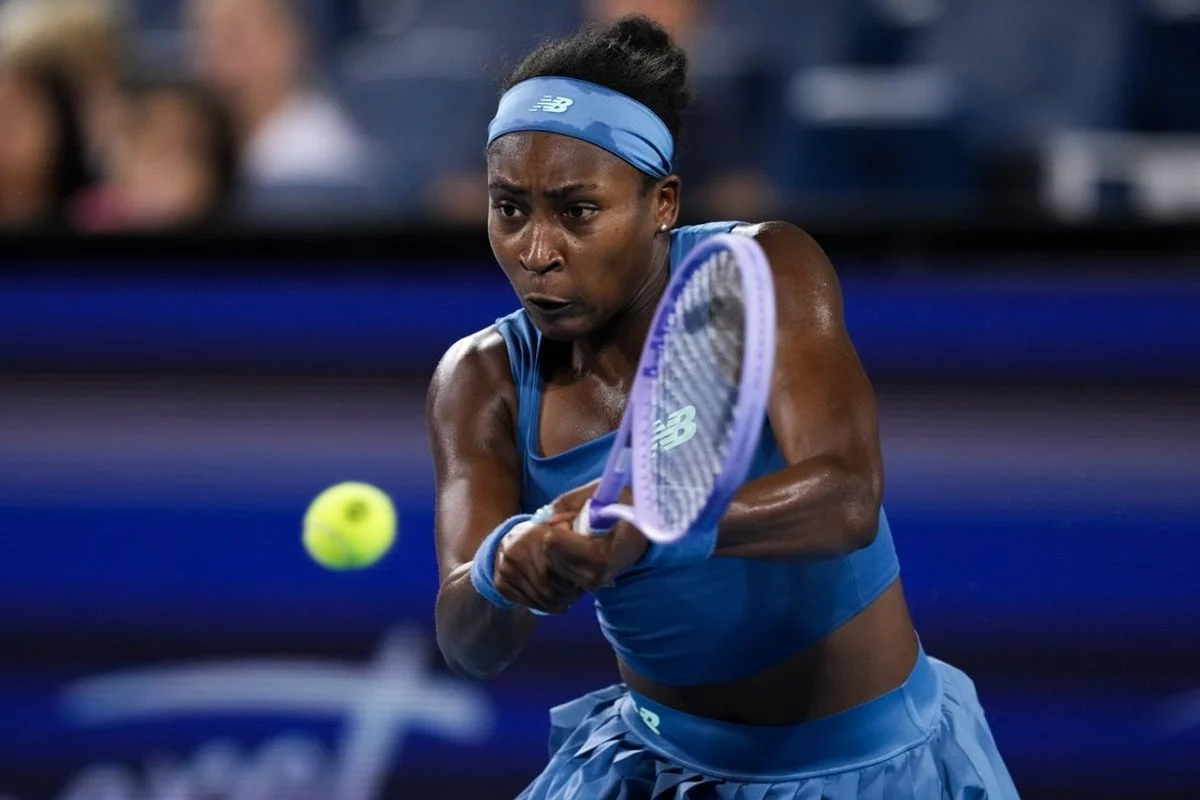
The Cincinnati Open, a marquee event on the WTA Tour, is set to witness a landmark moment in American tennis history this Saturday, August 22, 2026. For the first time since 1970, two American women will contest the singles championship, as World No. 3 Jessica Pegula and World No. 4 Coco Gauff navigated their respective semifinal challenges to secure their spots in the final. This highly anticipated match-up not only revives a storied tradition but also pits two of the sport’s most prominent American talents against each other on the grand stage of the Lindner Family Tennis Center in Mason, Ohio. The last time an all-American women’s singles final graced this prestigious tournament was over half a century ago, when Rosie Casals and Nancy Richey battled for the title, underscoring the historical significance of Saturday’s championship match.
Pegula Overcomes Swiatek in a Gripping Semifinal Duel
Jessica Pegula’s path to the final was paved with a hard-fought, three-set victory over Poland’s formidable World No. 7 Iga Swiatek. In a match that lasted a grueling 2 hours and 47 minutes, Pegula emerged triumphant with a 7-5, 4-6, 6-4 scoreline, effectively snapping Swiatek’s impressive 10-match winning streak. The encounter was a testament to Pegula’s resilience and strategic prowess, particularly in the decisive third set. Trailing 3-1, Pegula demonstrated remarkable composure, staging a comeback that included a pivotal break of Swiatek’s serve at 4-4. She then confidently served out the match, sealing her victory in a mere five points.
The semifinal was characterized by an intense battle for supremacy on serve and return. Both players exhibited exceptional returning skills, a rarity in modern top-level tennis where serve dominance often dictates outcomes. Pegula secured 55% of her service points, narrowly edging out Swiatek’s 52%. The match saw a remarkable 13 breaks of serve, with the opening set alone witnessing the first five games being breaks. This statistic highlights the constant pressure each player exerted on the other’s service games, making every point a crucial battle.
"I felt like we were playing well at times and then not playing well at times, so it was really tough to get a gauge on the match," Pegula reflected on the ebb and flow of the contest. "So (I’m) really happy with the way I was able to handle a lot that was going on today." Her words captured the mental fortitude required to overcome a player of Swiatek’s caliber in such a closely contested match.
Further analysis of the statistics reveals the fine margins that separated the two titans. Swiatek managed to land 70% of her first serves, a strong showing, but struggled with seven double faults and won only 34% of her second-serve points, a vulnerability Pegula effectively exploited. While Pegula had more break-point opportunities, converting 18 to Swiatek’s 12, she did so at a slightly lower percentage. Nevertheless, her seven converted breaks ultimately proved decisive against Swiatek’s six.
Gauff Advances with Commanding Performance
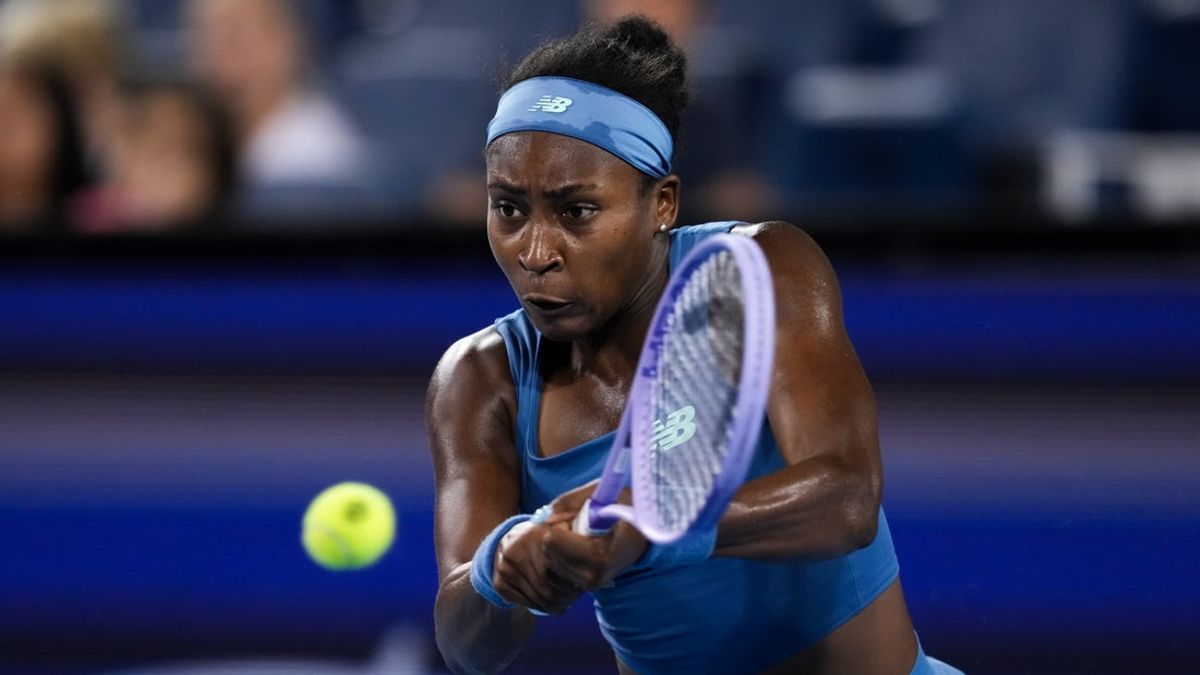
In the day’s second semifinal, Coco Gauff, the World No. 4, displayed a more dominant performance, defeating unseeded Czech player Sara Bejlek with a decisive 6-4, 6-1 victory. Bejlek, who had captured headlines with her impressive upsets of top-seeded Aryna Sabalenka and No. 20 Madison Keys in the preceding rounds, was unable to replicate her earlier form against the in-form Gauff.
Gauff found herself in a tight first set, locked at 4-4, but showcased her ability to elevate her game under pressure. She proceeded to win eight of the final nine games of the match, demonstrating a clear surge in momentum. Her offensive pressure was particularly evident on Bejlek’s serve, where Gauff converted an exceptional six out of seven break-point opportunities and secured 56% of her return points. This clinical efficiency at crucial junctures was a key factor in her relatively swift victory, which concluded in just 76 minutes.
"I was just trying to stay focused," Gauff stated post-match, emphasizing her mental approach. "Sometimes you don’t know if you should be aggressive and risk making mistakes. I was just trying to stay focused on each ball." This focused mindset allowed her to maintain control and dismantle Bejlek’s game effectively.
Historical Context and Significance of the Final
The Cincinnati Open, officially known as the Western & Southern Open, is one of the oldest tennis tournaments in the United States, with its origins dating back to 1899. It has evolved into a premier WTA 1000 event, attracting the world’s top female players and serving as a crucial tune-up for the US Open. The tournament’s rich history is punctuated by memorable finals and the emergence of legendary champions. The prospect of an all-American final at this esteemed event carries significant weight, rekindling national pride and celebrating the strength of American talent in the sport.
The last all-American women’s singles final in Cincinnati was in 1970, a testament to the rarity of such an occurrence. The pairing of Rosie Casals and Nancy Richey in that year’s final marked a golden era for American women’s tennis. Now, over five decades later, Pegula and Gauff are poised to etch their names into the tournament’s annals, following in the footsteps of these past champions.
Road to the Final: A Look at Past Performances
Both Pegula and Gauff have had strong seasons leading up to this Cincinnati Open final. Pegula, a consistent performer on the tour, has reached the final in Cincinnati for the second time in three years. Her previous appearance in the championship match was in 2024, where she was defeated by Aryna Sabalenka. This return to the final signifies her enduring presence at the top of the women’s game and her determination to claim the title.
For Coco Gauff, this final marks a significant milestone in her burgeoning career. At just 19 years old when she won the Cincinnati Open title in 2023, Gauff has continued to mature and refine her game. Her previous victory here serves as a powerful reminder of her capabilities and her comfort on the Cincinnati courts. She will be looking to add another prestigious trophy to her collection, further solidifying her status as one of the sport’s brightest stars.
Implications and Future Outlook
The staging of an all-American women’s singles final at the Cincinnati Open has several implications for the sport within the United States. It underscores the depth and talent present in American women’s tennis, generating excitement and renewed interest among fans. The success of both Pegula and Gauff, who represent different generations and playing styles, showcases a healthy and competitive landscape.
This championship match is likely to draw significant viewership and media attention, providing a valuable platform for both players and the tournament itself. For Pegula, a victory would be a major career achievement, adding a WTA 1000 title at a significant American event to her impressive resume. For Gauff, it would be a testament to her continued development and a potential springboard for further Grand Slam success.
The encounter between Pegula and Gauff is anticipated to be a closely contested affair, pitting Pegula’s seasoned experience and tactical acumen against Gauff’s explosive power and youthful exuberance. Their contrasting styles promise an engaging spectacle for tennis enthusiasts worldwide. Regardless of the outcome, the 2026 Cincinnati Open final has already secured its place in tennis history, celebrating a remarkable moment for American tennis. The tournament continues to be a vital platform for showcasing elite talent and creating unforgettable sporting narratives.
The journey to this historic final has been marked by intense competition, surprising upsets, and compelling storylines. As the Lindner Family Tennis Center prepares to host its championship match, the anticipation is palpable. The echoes of past champions and the promise of a new chapter in American tennis history converge, setting the stage for an unforgettable conclusion to the 2026 Cincinnati Open.




 Yuyun Lusiyani
 Joko Widodo
 Jia Lissa
 Pevita Pearce
 admin
admin
