
 Lina Irawan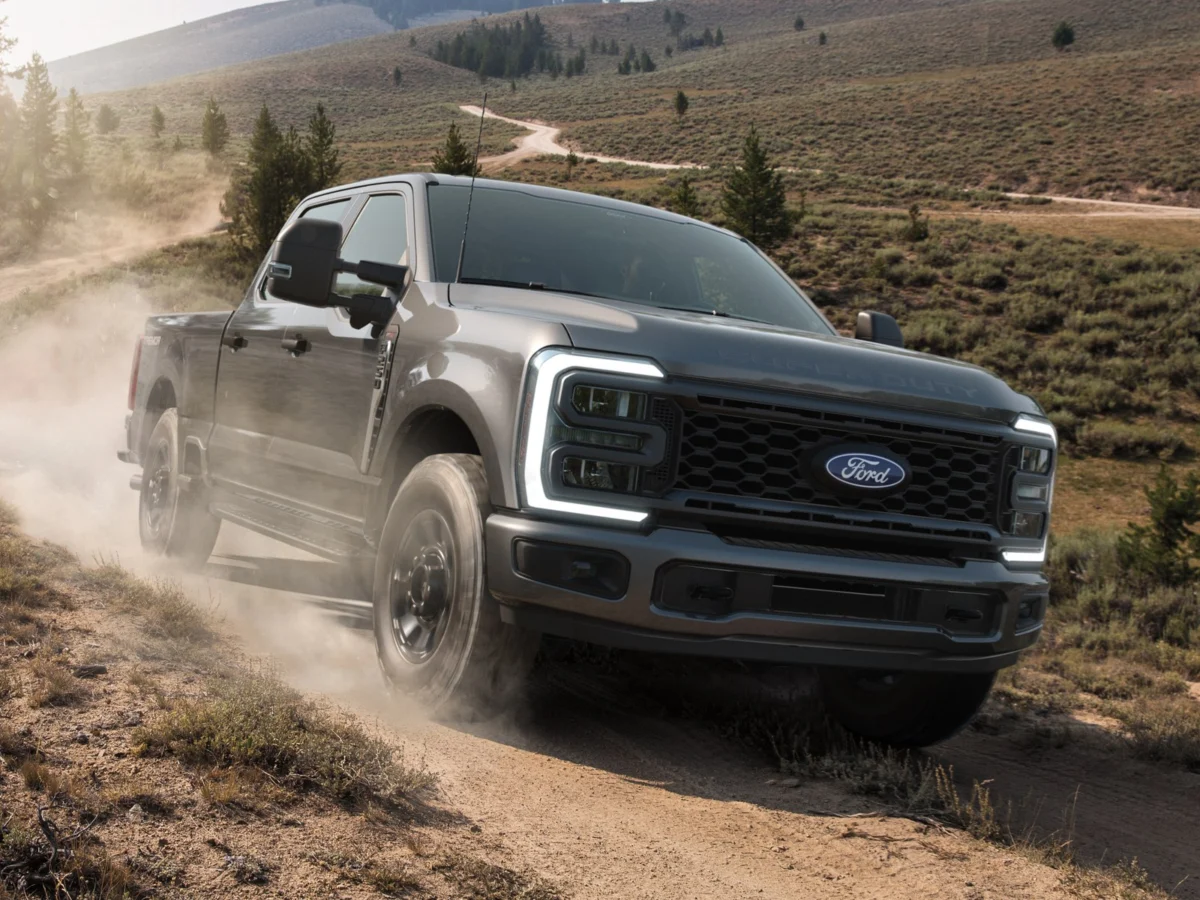
The automotive aftermarket industry continues to evolve as truck owners seek specialized solutions for the challenges of heavy-duty hauling and towing. Among the most persistent issues faced by operators of pickup trucks is the phenomenon known as "squatting." When a heavy trailer is hitched—particularly a gooseneck or fifth-wheel—or when the bed is loaded with equipment for a job site, the rear suspension of the vehicle compresses significantly. This compression causes the front end to lift, which results in misaligned headlights, uneven tire wear, and dangerously light steering. To address these mechanical imbalances, SPELAB has introduced a comprehensive line of rear air suspension kits designed to provide adjustable support without permanently altering the vehicle’s factory ride quality.
The Mechanics of Load-Leveling Technology
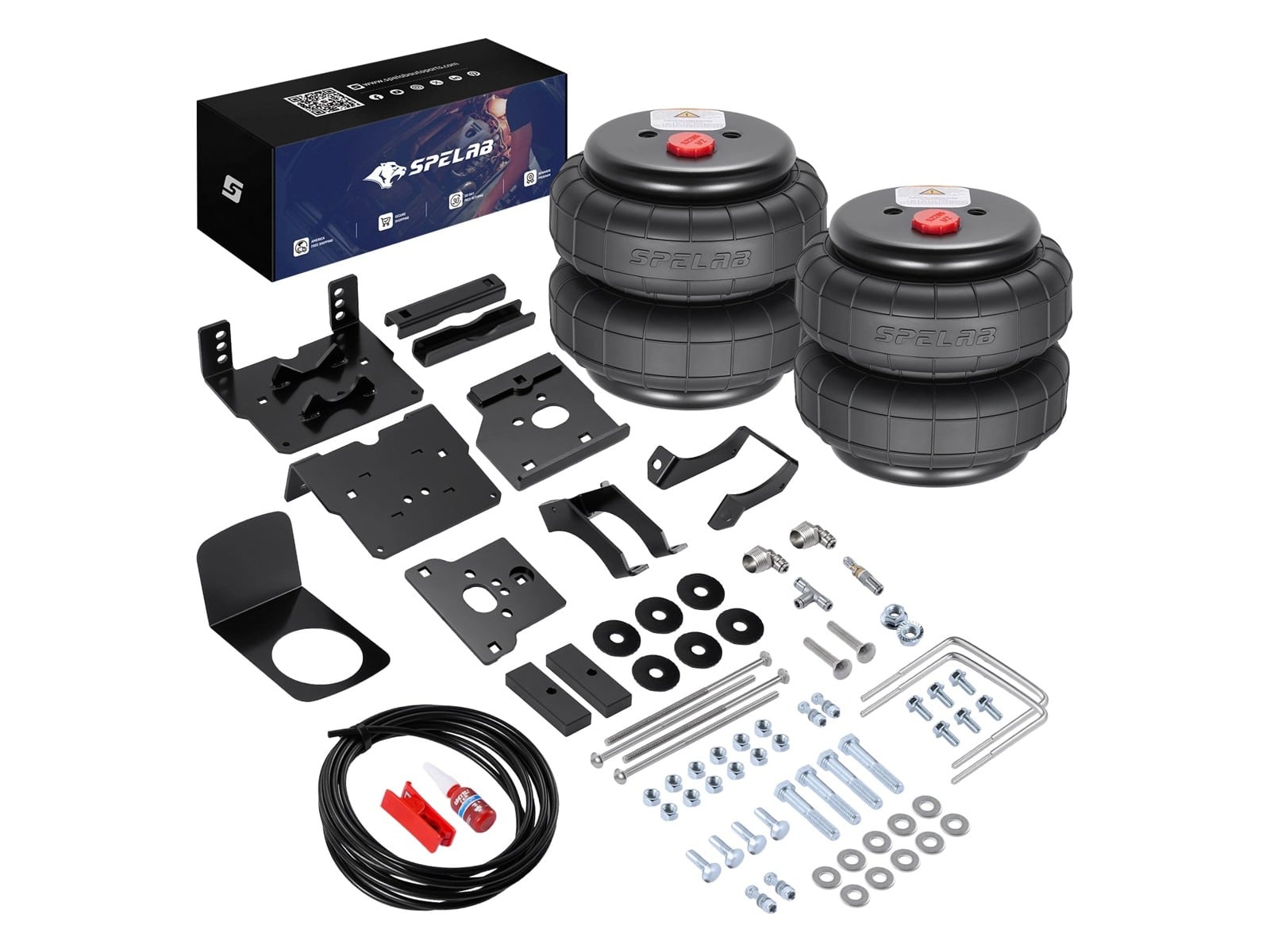
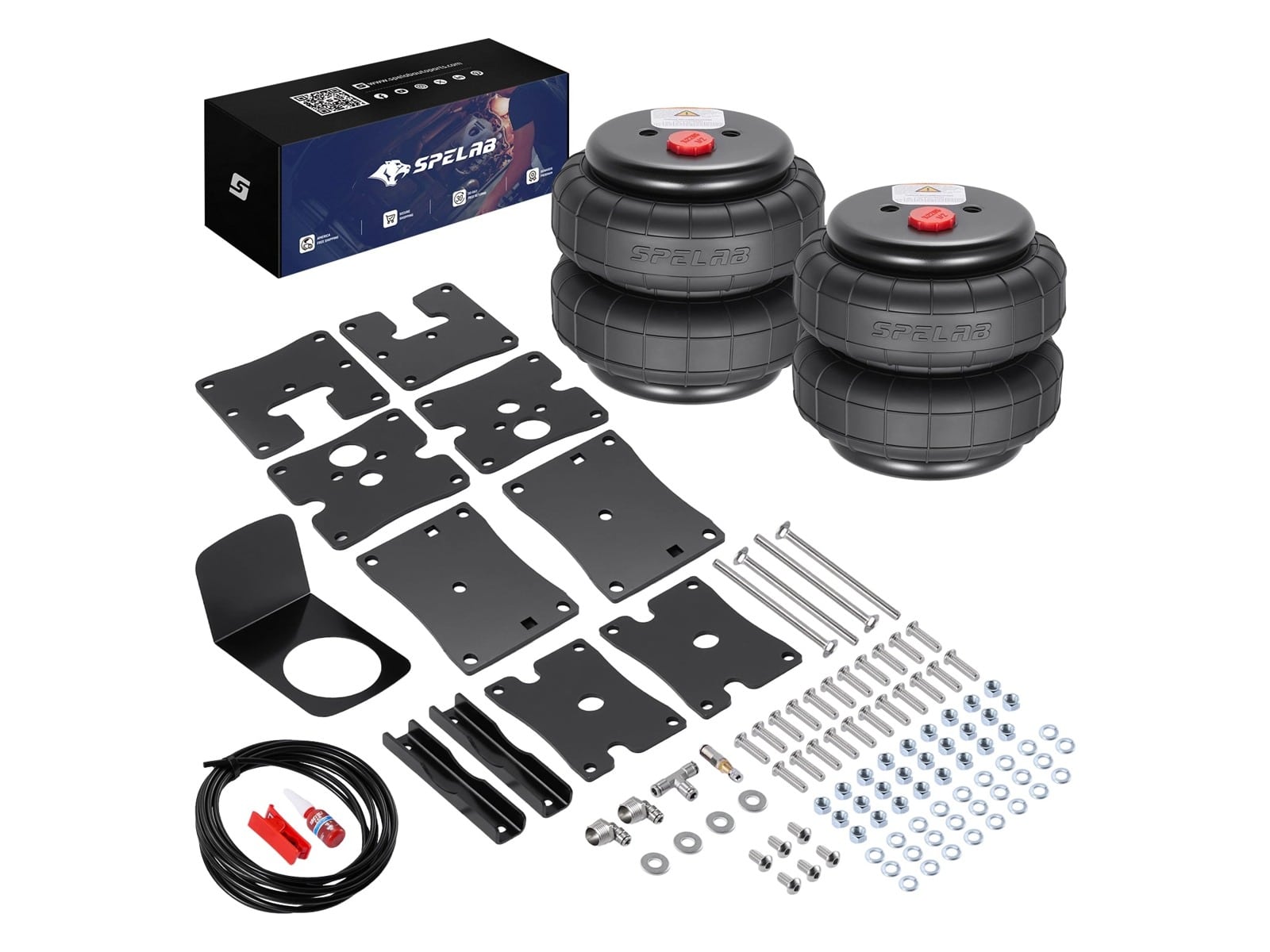
The primary function of an air suspension kit is to supplement the existing leaf or coil springs. Unlike a full suspension replacement, which can lead to a harsh ride when the vehicle is unloaded, the SPELAB kits utilize air springs that bolt directly between the vehicle frame and the rear axle. This design allows the air springs to remain dormant or at low pressure during daily driving, preserving the original manufacturer-tuned comfort.
When the vehicle is subjected to a heavy load, the operator can increase the air pressure within the springs, effectively "lifting" the rear of the truck back to a level stance. SPELAB has engineered these kits with a load-leveling capacity of up to 7,500 lbs. This capacity is managed across an adjustable range of 0 to 150 PSI, allowing for fine-tuned control based on the specific weight of the cargo or trailer tongue.
To ensure durability under extreme conditions, the air springs are constructed from 6mm multi-layer rubber. According to technical specifications provided by the manufacturer, these components undergo rigorous testing, including a burst pressure rating of 435 PSI. This high margin of safety is intended to prevent catastrophic failure during sudden impacts or over-pressurization.
Chronology of the SPELAB Product Rollout
The development of the current SPELAB lineup reflects a strategic focus on the most popular work-truck platforms in the North American market over the last two decades. The company’s current inventory, as of August 2026, targets four specific segments of the pickup truck market:

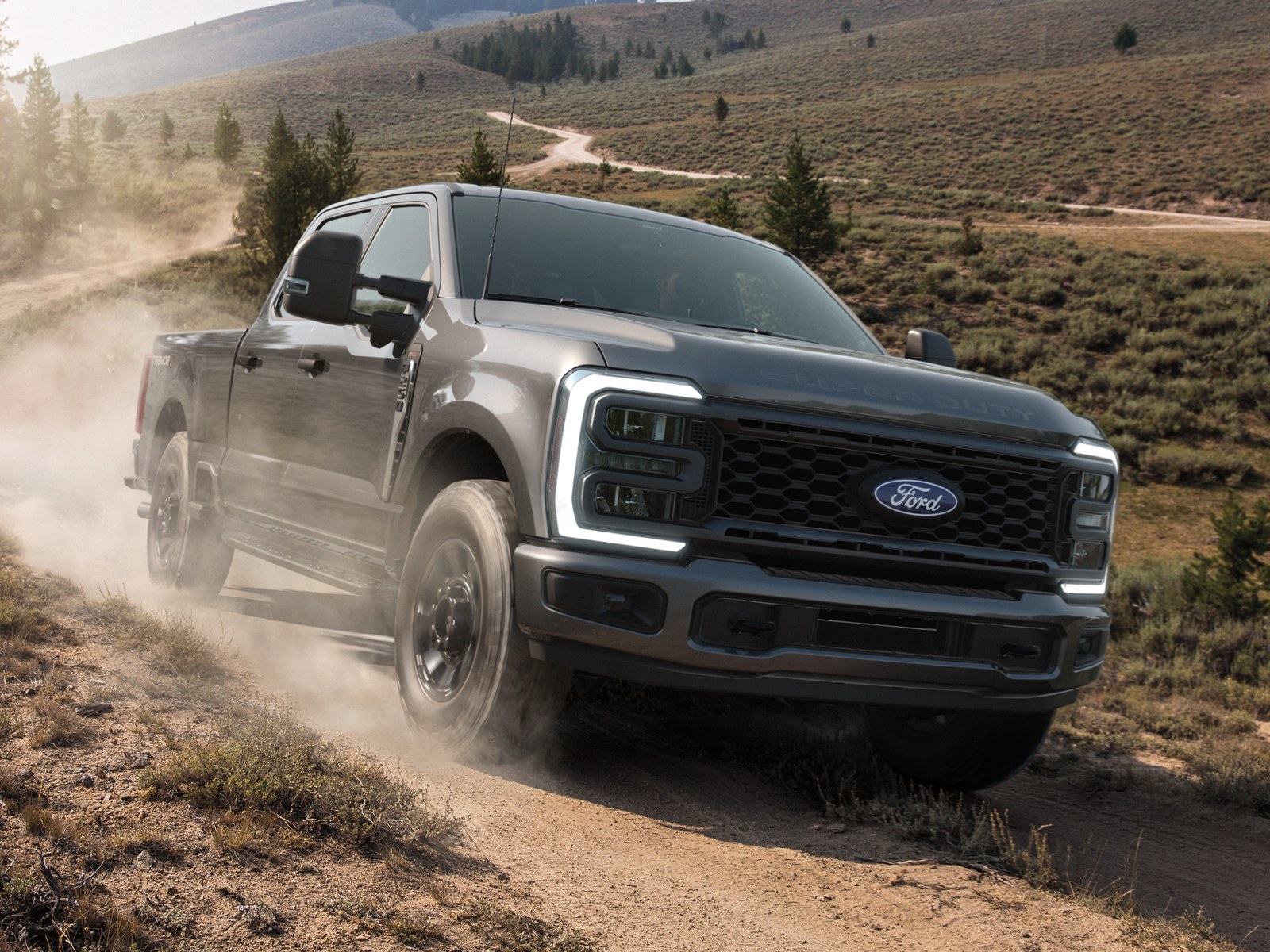
- Ford Super Duty Series (2011–2016): This era of the F-250 and F-350 remains a staple of the towing industry. SPELAB’s kit for these models is specifically marketed toward owners of fifth-wheel and gooseneck trailers who require maximum stability.
- Ram 2500 (2014–2022): This kit addresses the unique suspension geometry of the Ram 2500, which transitioned to a rear coil-spring setup during this period. While coils offer a smoother ride than traditional leaf springs, they are often more prone to squatting under heavy tongue weights.
- General Motors 1500 Series (1999–2018): Covering nearly two decades of Chevrolet Silverado and GMC Sierra 1500 models, this kit serves the light-duty market. It is aimed at recreational users hauling boats, campers, or light construction materials.
- General Motors 2500HD Series (2001–2010): This kit targets the "classic" era of GM heavy-duty trucks. Many of these vehicles are still in active service on farms and job sites, and the addition of air suspension serves as a cost-effective way to modernize their hauling capabilities.
Data-Driven Performance and Safety Analysis
A critical distinction that automotive engineers and safety experts emphasize is the difference between "load-leveling capacity" and "payload rating." While the SPELAB kits are rated to support 7,500 lbs, this does not increase the vehicle’s Gross Vehicle Weight Rating (GVWR) or the payload capacity specified on the manufacturer’s door jamb sticker.
Instead, the benefit is purely geometric and mechanical. By leveling the truck, the air springs ensure that the front tires maintain a consistent contact patch with the road. When a truck squats, the weight shifts off the front axle, which can increase braking distances and reduce steering responsiveness. Data from highway safety studies indicate that maintaining a level chassis significantly improves vehicle handling during emergency maneuvers while towing.
Furthermore, leveling the vehicle prevents the "aiming up" of headlights, a common grievance for oncoming traffic and a safety hazard for the driver, who loses visibility on the road surface immediately ahead. By restoring the truck to a level plane, the air suspension ensures that factory safety systems, such as lane-keep assist and adaptive cruise control—which often rely on forward-facing sensors—continue to function within their intended parameters.
Market Context and Pricing Structure
The release of these kits comes at a time when the price of new pickup trucks has reached record highs, leading many owners to maintain and upgrade their existing fleets rather than purchasing new vehicles. The SPELAB kits are positioned as an affordable alternative to more expensive full-air suspension conversions.
As of late August 2026, pricing for the kits ranges from US$249 for the older GM 2500HD models to US$329 for the Ford Super Duty configurations. To incentivize adoption among the enthusiast and professional communities, SPELAB has implemented a promotional discount, offering 15 percent off with the code "AFFILIATE."
Engineering Insights: The Role of the Jounce Bumper
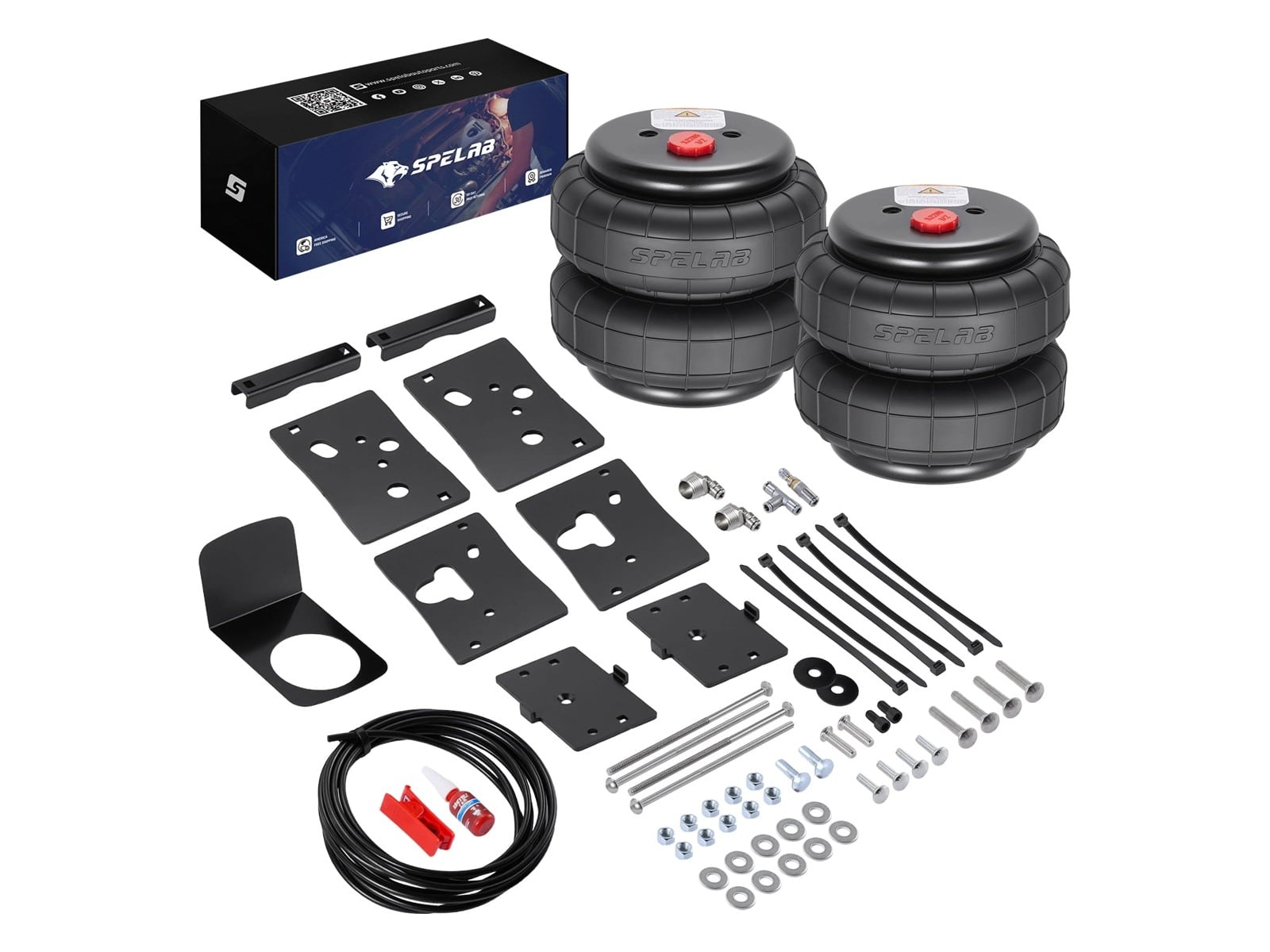
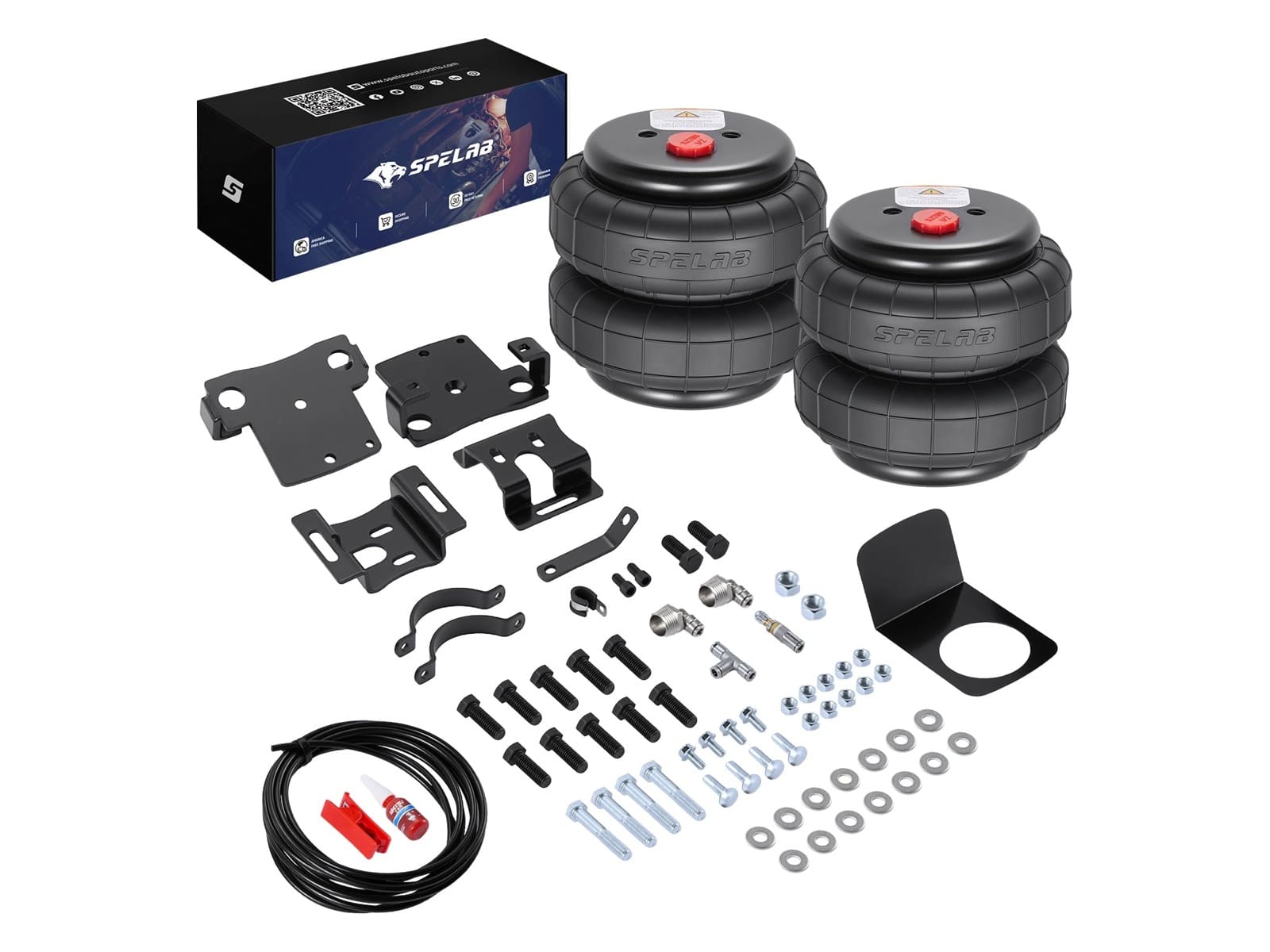
One notable engineering choice in the SPELAB design is the treatment of the jounce bumper. In several of their configurations, particularly the Ram 2500 kit, the design removes the factory jounce bumper. According to SPELAB, this allows for a larger air spring volume. A larger volume of air results in a more progressive spring rate, which translates to a more compliant ride when the truck is empty or only lightly loaded.
However, industry experts suggest that for older vehicles, such as the 2001–2010 Chevrolet Silverado 2500HD, owners must conduct a thorough inspection of the vehicle’s frame and axle before installation. Because these kits bolt onto existing hardware, the structural integrity of the mounting points is paramount. In regions where road salt is common, rust can compromise the frame, necessitating repairs before an air suspension kit can be safely utilized.
Broader Implications for the Towing Industry
The availability of high-capacity, bolt-on air suspension kits has broader implications for the DIY (Do-It-Yourself) automotive market. Traditionally, suspension work required specialized shops and significant labor costs. The SPELAB kits are designed as "bolt-on" solutions, which suggests a move toward democratizing vehicle upgrades.
However, the ease of installation does not remove the need for precision. Proper plumbing of the air lines is essential to prevent leaks. While the basic kits include air springs, brackets, and manual inflation valves (similar to a tire valve), many professional users opt for an additional onboard air compressor and cab-mounted gauge. This allows the driver to adjust the suspension on the fly, which is particularly useful for hotshot haulers who frequently switch between loaded and unloaded states.
Official Response and Consumer Guidance
While SPELAB has not issued a formal press release regarding the long-term expansion of the line, the current selection indicates a focus on high-volume, high-reliability platforms. The company’s documentation stresses the importance of fitment, noting that components for a 1500 series truck are not interchangeable with 2500HD models due to differences in frame width and axle diameter.
For consumers, the decision to invest in rear air suspension often comes down to the frequency of hauling. For a truck that is "dead level" all week but "squats" on the weekend, the adjustable nature of the air spring provides a versatility that static helper springs cannot match.
Conclusion: The Future of Aftermarket Suspension
As pickup trucks continue to serve as the backbone of both the American workforce and the recreational travel industry, the demand for stabilizing technology is expected to grow. The SPELAB rear air suspension kits represent a specialized intersection of safety and utility, providing a mechanical solution to the inherent physics of weight distribution. By focusing on durability—evidenced by the 6mm multi-layer rubber and high burst pressure ratings—and affordability, SPELAB is positioning itself as a key player in the maintenance of the aging North American truck fleet.
Moving forward, the industry may see further integration of these systems with electronic stability control, but for now, the manual air spring remains the gold standard for the pragmatic truck owner looking to level the load and regain control of the road. Owners are encouraged to verify their specific vehicle year and model before purchase to ensure compatibility with the current SPELAB offerings.



 Yuyun Lusiyani
 Joko Widodo
 Jia Lissa
 Pevita Pearce
 admin
admin
