
 Yuyun Lusiyani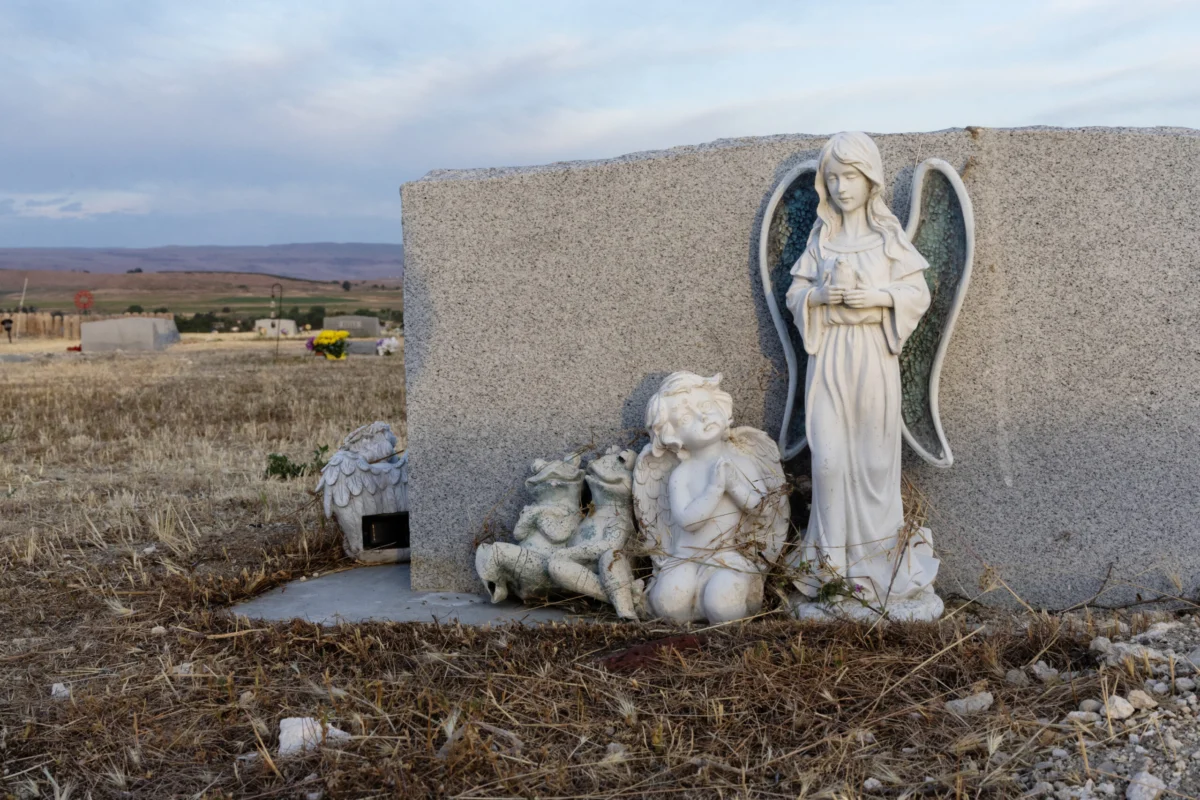
In Idaho, a distinctive legal framework shields parents from charges of child neglect or manslaughter if their faith prohibits them from seeking lifesaving medical care for their children. This protective measure, championed over the years by lawmakers invoking "traditional" Idaho values, places the state in a unique and often controversial position regarding the balance between religious freedom and the state’s interest in child welfare. However, this contemporary legal landscape starkly contrasts with Idaho’s historical approach, which for nearly a century, from the 1880s through the early 1970s, explicitly criminalized the choice of prayer over essential medical intervention when a child’s life hung in the balance. This historical divergence, meticulously documented in newspaper archives and legislative records, reveals a profound shift in legal and societal perspectives.
A Century of State Intervention: The Early Legal Stance
Idaho’s foundational legal documents clearly prioritized a child’s right to medical care. The 1887 edition of Idaho territory statutes, predating statehood, unequivocally stated, "Every parent of any child who willfully omits, without lawful excuse, to furnish necessary food, clothing, shelter, or medical attendance for such child, is guilty of a misdemeanor." Crucially, these statutes offered no provision for spiritual belief to serve as a "lawful excuse." This strict interpretation was further reinforced by the state constitution adopted three years later. The Idaho Constitution explicitly placed limits on religious freedom, asserting that it would not excuse "acts of licentiousness," polygamy, or any other practices "inconsistent with morality or the peace or safety of the state." This constitutional language laid the groundwork for a legal environment where religious practices, when they impinged on public safety or established moral norms, could be challenged by the state.
This legal clarity soon led to enforcement, particularly against groups like the Followers of Christ. This faith-healing sect arrived in Idaho in 1899 and has maintained a presence in the state ever since. Their adherence to prayer and spiritual means alone for healing, often eschewing conventional medical treatment, brought them into direct conflict with Idaho’s early laws. Tragic outcomes within the sect have been consistently reported, with ProPublica’s investigative journalism revealing at least 15 preventable deaths of children within Followers of Christ congregations in Idaho between 2015 and 2025 alone, underscoring the severe consequences of this practice.
Early Cases: Pearl Annis and the 1960s Boise Incident
One of the earliest documented cases that illustrated Idaho’s firm stance against faith healing in place of medical care involved Pearl Annis in 1915. Thirteen-year-old Pearl and her family, adherents of the Followers of Christ, had recently moved from Oklahoma to Idaho’s Magic Valley. Living in austere conditions, sharing a "two-room shack" with 13 children, the family attracted the attention of concerned neighbors. Following their reports, an officer and a doctor visited the home, discovering Pearl in a critical state, fully clothed in bed and on the verge of death. Her father, Lurid P. "Lewis" Annis, was promptly arrested on a misdemeanor charge for refusing to provide medical attention. Pearl was transported to a local hospital, where she tragically died from what modern medical understanding would identify as septic shock resulting from a bowel blockage. The local newspaper, reflecting the prevailing sentiment, labeled the Followers church a "religious cult" and attributed Pearl’s death to "religious mania," though the outcome of Annis’s criminal charge was not explicitly followed up in subsequent reports. This case served as a stark public reminder of the state’s willingness to intervene.
While comprehensive records detailing every similar intervention in the ensuing decades are scarce, another prominent legal battle in the 1960s further solidified the state’s position. This case unfolded in a Boise suburb, where sickness ravaged a Followers family. The mother succumbed to illness in December 1965, followed by her four-year-old daughter the following June. In the wake of the child’s death, a judge intervened, ordering the state to assume custody of the surviving ten-year-old brother under Idaho’s child protection statutes. The boy was hospitalized with pneumonia, a severe complication of measles, and, after days in critical condition, miraculously survived. A physician’s testimony confirmed that without the emergency hospitalization, the child "almost certainly would have died." The presiding judge made it clear to the father that regaining custody hinged on his willingness to provide his son with medical care as mandated by law.
The father’s lawyer argued that his sect believed "God will heal the sick." However, the legal precedent of the 1960s was unambiguous: parents had an undeniable duty to protect their children’s health, without exception. The judge’s decisive declaration to Samuel’s father – "The law governs conduct. Religion governs opinion." – powerfully encapsulated the judicial philosophy of the era, drawing a clear line between personal belief and legal obligation when a child’s life was at stake.
The Seismic Shift: Legislative Exemptions of the 1970s
Despite the historical and judicial precedent, Idaho’s legal landscape was on the cusp of a profound and largely unnoticed transformation. This shift began during a comprehensive rewrite of Idaho’s criminal code in 1971. Amidst this legislative overhaul, a new section was quietly introduced, stating that the state could not bring endangerment charges against someone "who chooses for his child treatment by prayer or spiritual means alone." The origins of this specific wording remain somewhat obscure in legislative records, but its inclusion marked a radical departure from nearly a century of legal tradition.
The momentum for faith-healing exemptions gained further traction the following year. In 1972, another law was passed, affirming the "spiritual means" language and extending its applicability to other crimes. This second legislative act has been widely attributed to the lobbying efforts of the Christian Science church, another Christian denomination with a presence in Idaho. It is important to note that the Christian Science church, while practicing "healing in the way Christ Jesus taught," distinguishes its practices from "faith healing" and emphasizes that its members retain the freedom to choose any form of healthcare. Interestingly, the Christian Science church has, in recent years, supported the full removal of faith-healing exemptions in other states, such as Oregon in 2011, indicating a potential evolution in their stance on the legal protection of such practices.
This localized legislative change in Idaho was soon mirrored by a broader national trend, largely spurred by federal policy. The federal Child Abuse Prevention and Treatment Act of 1974 (CAPTA) played a pivotal role. CAPTA was enacted with the ambitious goal of standardizing the nation’s child welfare system, providing states with crucial grants to enhance their capacity to investigate and respond to reports of child abuse. However, the Department of Health, Education and Welfare (DHEW), the federal agency responsible for implementing CAPTA, issued an interpretation of the law that proved to be a watershed moment. DHEW interpreted CAPTA as requiring states to incorporate a faith-healing exemption into their statutes to qualify for these federal grants. The rationale behind this specific interpretation, which compelled states to legally protect parents choosing spiritual healing over medical care, remains largely unexplained in the records from that period.
Idaho’s Deepening Commitment vs. National Reversals
The DHEW’s interpretation of CAPTA effectively pressured most states to adopt faith-healing exemptions, and Idaho was no exception. In fact, Idaho went further, broadening its exemption in 1976. This expansion not only protected faith healers from criminal charges if their children died due to lack of medical care but also prevented their children from being placed in foster care solely on the grounds that they were not receiving conventional medical treatment. This further solidified Idaho’s unique and permissive stance, embedding it deeply within the state’s legal and child welfare systems.
However, the federal mandate for these exemptions proved to be short-lived. Less than a decade after CAPTA’s implementation, the Reagan administration introduced new regulations in 1983, adopting a neutral stance on faith-healing exemptions. This policy shift removed the federal incentive for states to maintain such provisions, leading several states in subsequent years to roll back their exemptions.
Colorado, for instance, provides a notable example of this reversal. Following a series of deaths within the Followers-adjacent sect, the Church of the First Born, including the tragic death of a 13-year-old girl from untreated diabetes, Colorado reverted to prosecuting faith healers as it would any other parent in 2001. Other states, like Oregon, also eventually removed their exemptions, acknowledging the paramount importance of a child’s right to medical care. These reversals in other states highlight a growing national consensus that, while religious freedom is a fundamental right, it should not supersede the state’s obligation to protect vulnerable children from preventable harm or death.
Yet, amidst this national trend of re-evaluation and rollback, Idaho steadfastly clung to its special treatment for faith healers. The state’s legal framework has remained unchanged, positioning Idaho as an outlier, a haven for parents who choose spiritual means over conventional medicine for their children, even in life-threatening situations, without fear of legal repercussion for neglect or manslaughter. This unwavering adherence to its exemption has sparked continuous debate and concern among child welfare advocates, medical professionals, and legal experts.
The Ongoing Debate: Ethics, Law, and Child Welfare
Idaho’s continued adherence to its faith-healing exemption creates a persistent tension between fundamental constitutional rights and the state’s responsibility to its most vulnerable citizens. Proponents of the exemption often cite the First Amendment’s guarantee of religious freedom, arguing that parents should have the right to raise their children according to their deeply held spiritual beliefs, including choices about medical care. They emphasize the sanctity of parental rights and the potential for state overreach into private family matters. Lawmakers who support these exemptions frequently invoke "traditional Idaho values," a phrase often interpreted to encompass a strong emphasis on individual liberty, limited government intervention, and a respect for religious practices.
Conversely, child welfare organizations, medical associations, and human rights advocates argue passionately that a child’s right to life and health must take precedence over parental religious beliefs when those beliefs lead to preventable suffering or death. They point to the measurable outcomes of such exemptions, citing cases like those within the Followers of Christ, where children have died from treatable conditions such as pneumonia, appendicitis, or diabetic ketoacidosis. These groups contend that the state has a compelling interest, indeed a moral and legal obligation, to protect children from harm, regardless of the motivations behind the lack of care. From a public health perspective, the exemption raises concerns about the potential for spread of communicable diseases and the erosion of public trust in the healthcare system.
The legal implications of Idaho’s stance are also significant. While the U.S. Supreme Court has consistently upheld religious freedom, it has also affirmed that this freedom is not absolute and can be limited when it conflicts with compelling state interests, particularly the protection of children. The "compelling state interest" test is often applied in such cases, balancing individual rights against societal well-being. Idaho’s current laws suggest a legislative determination that the state’s interest in religious freedom outweighs its interest in mandating medical care for children in these specific circumstances, a position increasingly challenged elsewhere.
The ethical dilemma is profound: how does a society balance deeply held spiritual convictions with the universally accepted principle of providing necessary care to prevent a child’s death? For medical professionals, the existence of such exemptions can be agonizing, as they are trained to save lives and witness preventable tragedies. For child welfare workers, it presents a legal barrier to intervention in situations where a child’s life is clearly at risk.
Advocacy and Future Prospects
Despite the deeply entrenched nature of these exemptions in Idaho law, advocacy groups continue their efforts to challenge the status quo. These groups, often comprised of former members of faith-healing sects, medical professionals, and child protection advocates, work to raise public awareness about the consequences of the law and lobby for legislative change. They often highlight the psychological and physical trauma experienced by children who are denied medical care, as well as the long-term impact on survivors.
The ongoing debate in Idaho is a microcosm of a larger national conversation about the limits of religious freedom and the extent of state intervention in family life. While some states have moved to eliminate or significantly narrow faith-healing exemptions, Idaho has remained firm in its position. The future of these laws in Idaho will likely depend on a combination of continued public pressure, potential legal challenges that could test the constitutionality of the exemptions, and shifts in legislative priorities. Until such changes occur, Idaho will continue to stand as a unique legal landscape where faith, family, and the fate of a child’s life are weighed in a delicate and often tragic balance.




 Joko Widodo
 Jia Lissa
 Pevita Pearce
 admin
admin