
 Pevita Pearce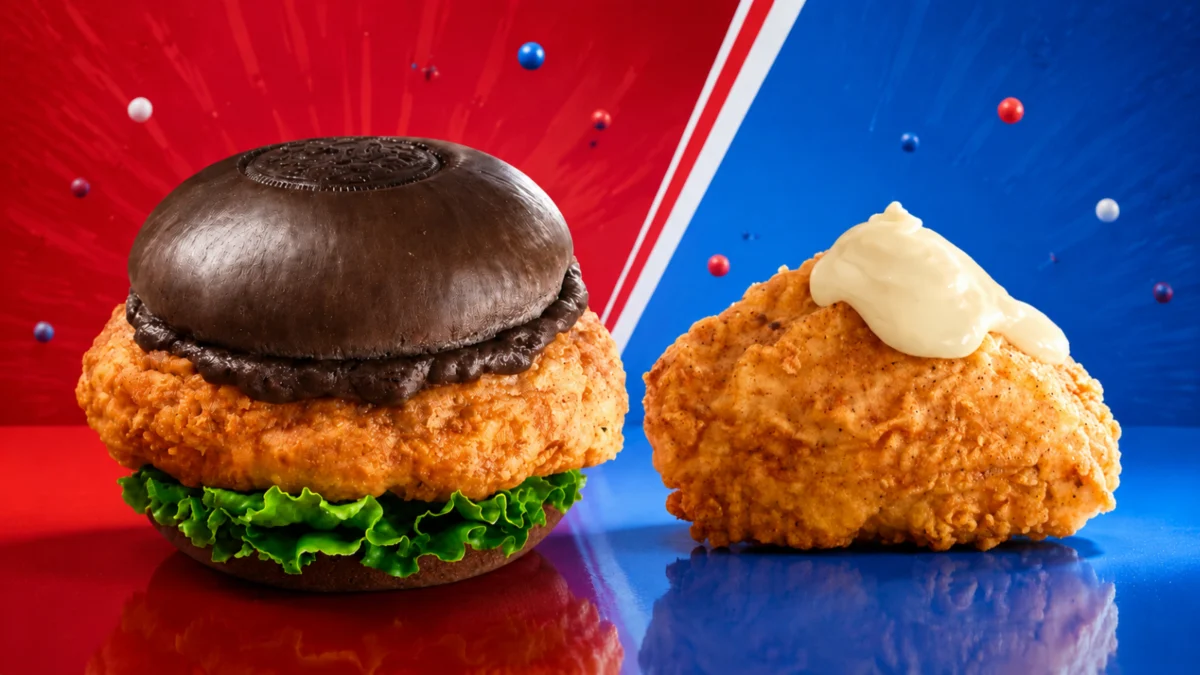
The international fast-food landscape has been momentarily upended by a culinary crossover that few outside the Chinese market could have anticipated. KFC China, a division known for its localized and often experimental menu items, has officially launched the Oreo Original Recipe Chicken Burger, a product that merges the savory, spiced profile of Colonel Sanders’ signature chicken with the sweet, cocoa-heavy identity of the world’s most famous sandwich cookie. The release has not only captivated social media users across the globe but has also elicited a public reaction of bewilderment from KFC’s own primary international corporate accounts, highlighting a significant divergence in regional marketing and product development strategies.
The Anatomy of the Oreo Original Recipe Chicken Burger
The Oreo Original Recipe Chicken Burger, which officially debuted in mainland China on August 28, represents a bold foray into the "swavory" (sweet and savory) food trend. The sandwich is constructed using an Original Recipe chicken thigh fillet—marinated in the traditional 11 herbs and spices—paired with fresh lettuce. However, the standard brioche or sesame seed bun has been replaced with two dark, Oreo-flavored bread buns, designed to mimic the aesthetic of the iconic cookie.
The most controversial element of the burger is the inclusion of a thick layer of mashed potatoes. While mashed potatoes are a staple side dish for the brand, this iteration features potatoes blended with crushed Oreo cocoa crumbs, creating a speckled, grey-toned condiment that adds both a creamy texture and a distinct chocolatey aftertaste. Promotional materials released by KFC China describe the item as a "collision of flavors," emphasizing the contrast between the crispy, salt-forward chicken and the soft, sweet notes of the cocoa-infused elements.
To complement the burger, KFC China is also introducing what it terms "sweet fried chicken companion sauces." These are available in two varieties: a white vanilla-flavored sauce, reminiscent of the Oreo cream filling, and a dense, black cocoa-flavored sauce. These dipping options are sold in 30g containers for 2.5 yuan (approximately $0.35 USD), encouraging customers to experiment with dipping their savory fried chicken into dessert-inspired syrups.
Corporate Disconnect: KFC Global Reacts to Its Chinese Counterpart
The viral nature of the Oreo Chicken Burger was amplified when images of the product began circulating on X (formerly Twitter). A post by the news outlet Dexerto, which detailed the burger’s components, garnered over 24 million views in a matter of days. The widespread attention caught the eye of the main KFC corporate account, which serves as the brand’s primary voice in Western markets.
In a rare display of public inter-brand commentary, the KFC X account responded to the announcement with a mixture of humor and apparent confusion. When the media outlet My Mixtapez shared the news, KFC’s official account replied with a GIF of the actor Ice Cube looking skeptical, captioned with "us looking at KFC China." The account followed up by quote-posting the original announcement with the blunt message: "KFC CHINA guys," seemingly distancing the American and global operations from the experimental choices made by the Chinese division.
This reaction underscores the unique corporate structure of KFC. Since 2016, Yum China—the entity that operates KFC, Pizza Hut, and Taco Bell in China—has been a separate, publicly traded company (NYSE: YUMC) independent of Yum! Brands (NYSE: YUM) in the United States. This independence allows Yum China to operate with a high degree of autonomy, tailoring its menu to the specific cultural and culinary preferences of the Chinese consumer base, often without the need for alignment with the global brand’s traditional identity.
A Chronology of Cross-Brand Collaboration
The Oreo Chicken Burger is not an isolated incident but rather the latest chapter in an ongoing partnership between KFC and Mondelez International, the parent company of Oreo. Earlier in August, the two brands collaborated on a reverse concept: fried chicken-flavored Oreo cookies. These limited-edition cookies featured a savory cream filling inspired by the Colonel’s Original Recipe, demonstrating a reciprocal interest in blending the two distinct flavor profiles.
Oreo has a long history of utilizing unconventional flavors to drive brand engagement. In the United States, the company recently launched a fan-vote campaign featuring flavors such as Chicken & Waffles, Banana Pudding, and Deep Fried Oreo cookies. By consistently pushing the boundaries of what consumers expect from a cookie, Oreo maintains its relevance in a crowded snack market. KFC China’s decision to incorporate these elements into a flagship burger follows a similar logic, prioritizing "shock value" and social media shareability to drive foot traffic.

Regional Experimentation as a Global Strategy
While the Oreo burger may seem outlandish to Western palates, it fits into a broader pattern of localized innovation within the fast-food industry. KFC branches worldwide have frequently experimented with items that would be considered radical in other markets.
In Canada, KFC recently introduced a "Flamin’ Hot Cheetos" menu, which included a "Dirty Soda"—a beverage trend popularized on TikTok that involves mixing soda with cream and lime. In Australia, the chain famously released a fried chicken-flavored toothpaste as a promotional stunt, while in the United Kingdom, the brand briefly offered a gravy-flavored gelato.
These regional variations serve multiple purposes. First, they cater to local tastes; for example, the preference for sweet and savory combinations is well-documented in various East Asian cuisines. Second, they serve as powerful marketing tools. In the digital age, a "viral" food item can generate millions of dollars in earned media, reaching audiences far beyond the physical locations where the food is sold. Even if the Oreo burger is met with skepticism by the global KFC account, the resulting engagement benefits the brand as a whole by keeping it at the center of cultural conversation.
Market Analysis: Why the "Oreo Burger" Makes Business Sense
From a business perspective, the Oreo Chicken Burger is a low-risk, high-reward endeavor for Yum China. The components—chicken, buns, and potatoes—are already part of the existing supply chain. The addition of cocoa powder and specific flavorings requires minimal overhead compared to the potential for massive consumer interest.
The Chinese fast-food market is one of the most competitive in the world. KFC faces stiff competition not only from McDonald’s but also from rapidly expanding domestic chains like Tastien and Wallace. To maintain its position as the leading Western fast-food brand in China, KFC must constantly innovate to capture the attention of younger demographics, particularly Gen Z, who are known for their willingness to try "limited-time offers" (LTOs) and "fusion" foods.
Data from market research firms suggests that LTOs are a primary driver of growth in the Chinese QSR (Quick Service Restaurant) sector. By creating a product that is "Instagrammable" (or "Little Red Book-able," referring to the popular Chinese social media platform Xiaohongshu), KFC China ensures a steady stream of user-generated content that serves as free advertising.
The Science of the "Swavory" Appeal
Culinary experts note that the pairing of sweet and savory is rooted in the concept of "sensory-specific satiety." This phenomenon explains why consumers often feel they have a "dessert stomach" even after a full meal; the introduction of a new flavor profile (sweet) can override the feeling of fullness from a different profile (savory). By combining these two profiles into a single burger, KFC China is essentially providing a complex sensory experience that keeps the palate engaged.
The use of mashed potatoes in a burger also speaks to a texture-heavy dining culture. In many Asian markets, the "mouthfeel" of food—specifically the contrast between crunchy and soft—is as important as the taste itself. The Oreo Chicken Burger provides a multi-textured experience: the crunch of the fried chicken, the softness of the Oreo bun, and the creamy, slightly gritty texture of the Oreo-infused mashed potatoes.
Conclusion: A Glimpse into the Future of Fusion Food
KFC has not announced any plans to bring the Oreo Original Recipe Chicken Burger or the sweet dipping sauces to markets outside of China. Given the bewildered reaction from the American corporate office, it is highly unlikely that U.S. or European customers will see the item on local menus anytime soon.
However, the global fascination with the product highlights a shift in how food brands operate in a connected world. The Oreo burger is more than just a sandwich; it is a testament to the power of regional autonomy and the effectiveness of "shock marketing" in the digital era. As fast-food chains continue to battle for dominance, the industry can expect to see more "collisions" of iconic brands, as companies look to transform traditional meals into viral experiences. Whether the Oreo burger is a culinary masterpiece or a step too far remains a matter of personal taste, but its success in capturing the world’s attention is undeniable.


 Yuyun Lusiyani
 Joko Widodo
 Jia Lissa
 admin
admin
