
 Lina Irawan
The wearable technology landscape has undergone a significant transformation over the last several years, moving from experimental prototypes to functional consumer electronics. At the forefront of this shift is the second-generation Meta Smart Glasses, a collaboration between social media giant Meta and eyewear leader EssilorLuxottica. Priced starting at AUD $469, these devices represent a strategic pivot in public perception. Once dismissed by critics as niche tools or potential privacy risks, the latest iteration is increasingly viewed as a premier utility for content creators, travelers, and tech enthusiasts seeking a seamless bridge between the physical and digital worlds.
The Strategic Partnership and Market Positioning
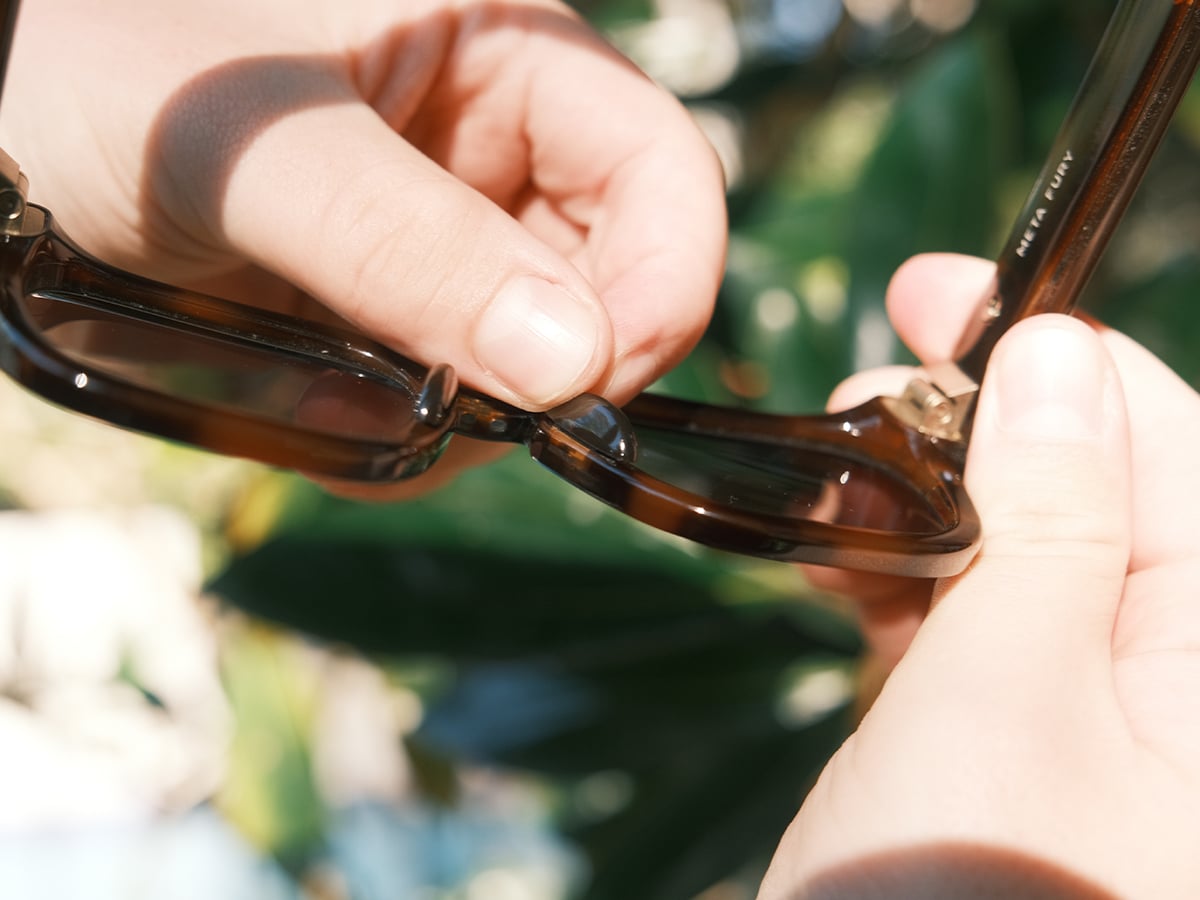
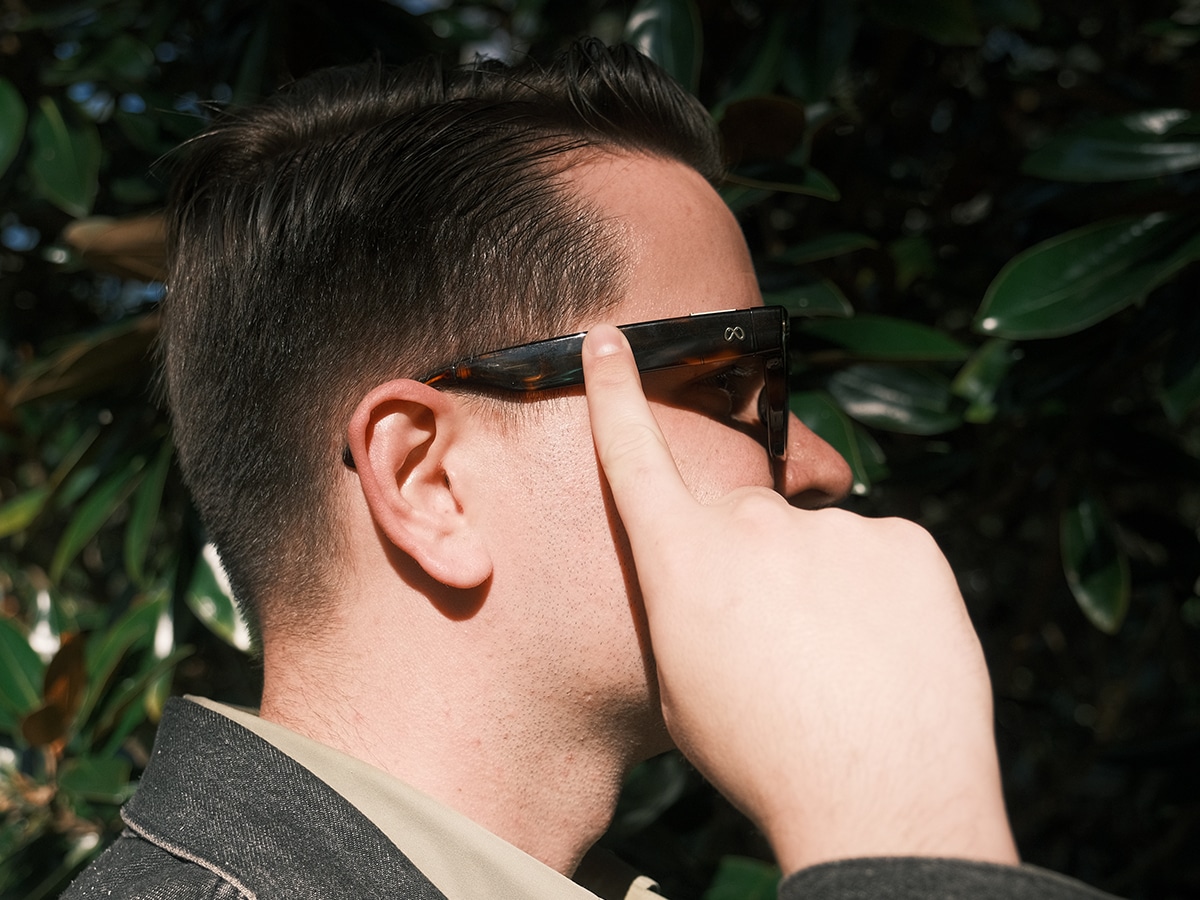
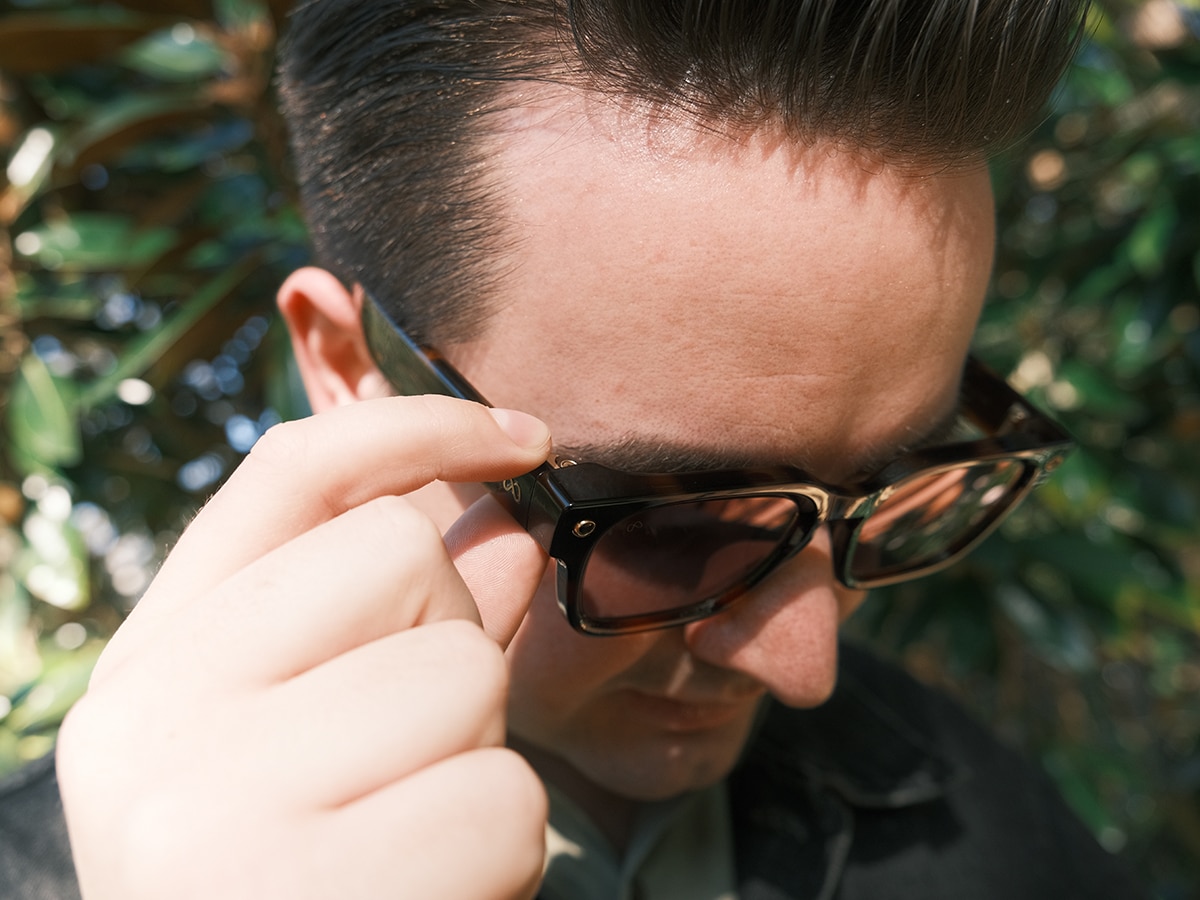
The development of the Meta Glasses Gen 2 signifies a sophisticated integration of fashion and high-end hardware. By partnering with EssilorLuxottica—the parent company behind iconic brands such as Ray-Ban and Oakley—Meta has prioritized aesthetics and comfort, addressing a primary hurdle for previous smart eyewear: the "wearability" factor. The collection currently offers 26 distinct style combinations across three frame silhouettes. These include Classic Black, Classic Tortoise, Racing Green, Linen, Merlot, Mahogany, Sandstone, and Dark Tortoise.

From a technical standpoint, the hardware is engineered to minimize weight while maximizing functionality. The frames utilize durable, flexible overextension hinges and adjustable three-way nose pads that allow for 15 degrees of movement. This attention to ergonomic detail ensures that the tech-heavy arms—which house the batteries, processors, and speakers—do not compromise the balance or fit of the glasses. For users requiring vision correction, the frames support a prescription range from -12 to +2.25, ensuring accessibility for a broad demographic.
Technical Specifications and Hardware Architecture
The Gen 2 glasses are powered by the Qualcomm Snapdragon AR1 Gen 1 Platform, a chipset specifically designed for power-efficient, high-performance thermal management in slim form factors. This internal architecture supports a suite of sensors and capture tools that rival mid-range smartphones and entry-level action cameras.
| Feature | Specification |
|---|---|
| Camera Sensor | 12MP ultra-wide (100-degree field of view) |
| Video Resolution | 3K Ultra HD at 30 FPS |
| Specialty Modes | Slow-Mo 720p at 120 FPS, Hyperlapse, Dynamic Photo |
| Audio Hardware | 2 open-ear speakers, 6-microphone array |
| Storage | 32GB internal (approx. 1,000 photos or 100 30-second clips) |
| Connectivity | Wi-Fi 6, Bluetooth 5.3 |
| Durability | IP67 dust and water resistance |
The 32GB storage capacity is managed through the Meta View app, which facilitates the seamless synchronization of captured media to mobile devices, such as the iPhone 17 Pro Max or latest Android flagships.

Field Performance: The Goodwood Festival of Speed Case Study
To evaluate the real-world utility of the Meta Glasses, extensive testing was conducted over a 30-day period across the United Kingdom and France. A primary testing ground was the Goodwood Festival of Speed, an event characterized by high-speed automotive demonstrations and crowded spectator environments.
The glasses were utilized to capture point-of-view (POV) footage from the passenger seat of a Dakar-winning Defender D7XR during a high-intensity off-road session. The results highlighted the effectiveness of the 100-degree ultra-wide lens. Unlike traditional cameras that require mounting or handheld stabilization, the Meta Glasses captured the vibration and speed of the ride from the exact perspective of the passenger.
The audio performance at the event was equally notable. Despite the roar of high-performance engines and significant wind noise, the six-microphone array effectively isolated the wearer’s voice. This makes the device a "run-and-gun" tool for creators who need to narrate their experiences without the encumbrance of external microphones or stabilizers. However, testing also revealed the hardware’s ceiling; while the 3K vertical video is optimized for social media platforms like Instagram Reels and TikTok, it lacks the horizontal versatility required for professional cinematic production or landscape-oriented YouTube content.
Artificial Intelligence and the "Look and Ask" Feature
The integration of Meta AI, powered by the Muse Spark engine, is the most ambitious software component of the Gen 2 glasses. The system allows for hands-free interaction through voice commands, enabling users to manage calendars, send messages, and make calls.
A key feature, "Match Your View," allows the AI to analyze the wearer’s surroundings via the camera and suggest music or provide information. In a more practical application, the "Look and Ask" multimodal AI can translate foreign text in real-time or identify landmarks. During testing in Paris, the translation feature across 20 supported languages proved functional for basic signage.
However, the AI’s reliability as a primary information source remains a point of contention. In comparative testing against established platforms like Google Search or Gemini, Meta AI occasionally struggled with hyper-local accuracy and factual depth. For instance, when seeking specific restaurant recommendations or historical data while traveling through the UK, the AI’s responses were often generic. This suggests that while the AI is a convenient interface for device control, it has not yet replaced the smartphone for complex research or navigation.

Privacy Protocols and Public Perception
The history of smart glasses is inextricably linked to privacy concerns. To mitigate the "spy camera" stigma, Meta has implemented a visible front-facing LED that illuminates when the camera is active. A significant software update recently addressed a potential privacy loophole: the camera will now automatically cease operation if the LED indicator is covered or obstructed.
This technical safeguard is part of a broader marketing campaign aimed at normalizing wearable cameras. By making the recording status unmistakable to bystanders, Meta aims to establish a new social etiquette for smart eyewear. The IP67 rating also adds a layer of practical reliability, ensuring the hardware can withstand rain or dust, which is essential for a device intended for constant public use.
Power Management and the Charging Ecosystem
Battery life remains a critical metric for wearable technology. Meta claims a baseline of eight hours of operation under "normal" use—defined as a mix of audio listening and occasional photo capture. Field testing confirmed these figures; however, intensive video recording at events like Goodwood significantly accelerated battery drain.
The solution is the foldable charging case, which has been redesigned for the second generation. The case is available in five colors (Black, Mocha, Forest, Cream, and Midnight Black) and provides up to 40 hours of additional charge. The case’s ability to flatten when empty makes it highly portable for travelers. For home or office use, an optional charging stand provides a stable docking station, which is particularly useful for those using the glasses as their primary prescription eyewear.
Comparative Analysis: Meta vs. The Competition
The smart glasses market is increasingly crowded. The Meta Glasses Gen 2 compete most directly with micro-action cameras like the DJI Osmo Nano. While DJI offers superior mounting options and ruggedness for extreme sports, it cannot match the Meta Glasses for "eye-level" perspective and social integration.
Furthermore, unlike the Apple Vision Pro or other mixed-reality headsets, Meta has opted for a "heads-up" rather than a "heads-in" approach. There is no internal display or augmented reality (AR) overlay on the lenses. This design choice keeps the glasses lightweight and socially acceptable, focusing on capturing the world rather than replacing it with a digital interface.
Conclusion and Broader Implications
The Meta Glasses Gen 2 represent a successful synthesis of form and function. At AUD $469, they offer a compelling value proposition for those who prioritize ease of use and POV storytelling. While the AI features are still maturing and the vertical video format limits professional application, the hardware excels in its intended role: a stylish, hands-free memory-capture device.
The broader impact of this technology lies in its ability to reduce the friction between experiencing a moment and documenting it. As Meta continues to refine its AI capabilities and expand its partnership with EssilorLuxottica, the smart glasses category is poised to move from a peripheral accessory to a central component of the mobile ecosystem. For the average consumer, the transition from "spy glasses" to "essential travel tool" appears to be well underway.


 Yuyun Lusiyani
 Joko Widodo
 Jia Lissa
 Pevita Pearce
 admin
admin
