
 Pevita Pearce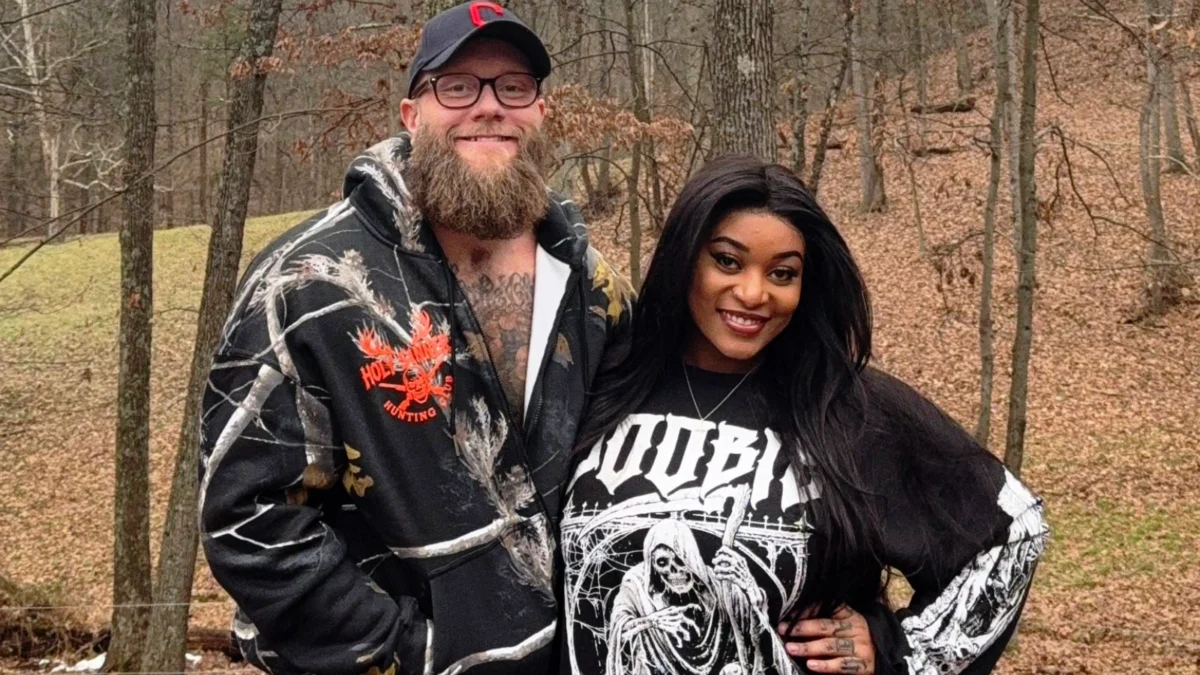
In an unprecedented intersection of family law and the creator economy, TikTok influencers Dalton “Ain’t Worried” Memel and Ntsako “Sako” Mathivha have entered into a legal agreement to maintain their joint social media presence while navigating their divorce. The arrangement, detailed in court documents recently reviewed by legal analysts and media outlets, mandates that the estranged couple continue to produce collaborative content for at least eight hours every week. This development highlights the growing complexity of legal separations when the primary marital asset is a digital brand built on the public perception of a shared personal life.
Dalton and Sako, who rose to prominence by documenting their marriage, cultural differences, and parenting journey, built a digital empire that currently commands over 4.4 million followers and has garnered more than 172 million likes on their primary TikTok account, @dalton.aint.worried. The court-sanctioned agreement serves as a temporary measure to preserve the commercial viability of this joint venture, ensuring that the brand’s engagement and revenue streams do not collapse during the litigation process.
The Mechanics of the Mandated Content Agreement
The terms of the temporary court order are remarkably specific, reflecting the logistical demands of modern social media production. According to the filings, Dalton and Sako must convene for filming sessions at least twice per week. Each of these sessions is required to last no fewer than four hours, totaling a minimum of eight hours of collaborative work weekly.
To ensure professional conduct and prevent further conflict, the agreement outlines a strict coordination protocol. The parties must agree on the creative direction and specific topics of the content before the cameras begin rolling. Furthermore, all filming sessions must be scheduled and coordinated at least 24 hours in advance. This structured approach effectively transitions their relationship from a domestic partnership to a strictly professional business collaboration, albeit one that requires them to perform the very chemistry that initially drew their audience.
The court documents do not explicitly state whether the couple is permitted—or required—to address their pending divorce within the content. Historically, their videos have leaned heavily into relationship-based humor, often focusing on the dynamics of an interracial and intercultural marriage, with Sako navigating life with a self-described American "country boy." The continuation of this "couple-centric" content while the marriage is legally dissolving presents a unique challenge in maintaining authenticity, a core currency of the TikTok platform.
Financial Oversight and Digital Asset Management
Beyond the filming schedule, the temporary order addresses the financial and administrative aspects of their shared business. In the creator economy, access to accounts and control over funds are critical for operational stability. The court has mandated that both Dalton and Sako retain full access to all shared social media platforms and business-related financial accounts. To prevent "account hijacking" or locking out a partner, the order stipulates that updated login credentials must be shared immediately whenever a password is changed by either party.
Financial safeguards have also been implemented to prevent the depletion of business assets. Neither party is permitted to withdraw more than $500 from their shared business funds without obtaining express written permission from the other. This provision is a standard practice in commercial litigation to preserve the status quo of a business’s valuation, yet its application here underscores that the "Ain’t Worried" brand is being treated as a formal corporate entity rather than merely a personal hobby.
Chronology of the Split and Public Disclosures
The breakdown of the high-profile marriage became public knowledge in August, though court filings indicate the legal process began earlier. Dalton Memel officially filed for divorce on July 30, following a period of speculation among their fanbase regarding the couple’s absence from each other’s individual posts.
In a public confirmation of the split, Dalton addressed the rumors via social media, acknowledging the filing and the end of the romantic relationship. Shortly thereafter, Sako provided her own perspective, confirming that she had physically left the relationship in July. Her response was notably firm, as she addressed and denied burgeoning allegations of infidelity that had circulated within the comment sections of their videos.
In a video covered by Atlanta Black Star, Sako emphasized that the public had only been privy to "one side of the story." She characterized her departure as a definitive move toward a new chapter, declaring that she was “never looking back.” Despite this personal resolve, the recent court agreement necessitates a physical and creative return to her former partner for the sake of their business obligations.
Background: The Rise of the "Ain’t Worried" Brand
The success of Dalton and Sako’s digital presence was rooted in a specific niche of "lifestyle and relationship" content that resonates deeply on TikTok. Their videos frequently highlighted the endearing and sometimes humorous friction between Sako’s South African heritage and Dalton’s rural American upbringing. This cultural exchange, paired with their journey into parenthood, allowed them to build a highly engaged community.
The scale of their influence is significant. With 4.4 million followers, the duo occupies the upper echelons of the platform’s creator base. In the current market, an account of this size can generate substantial income through the TikTok Creator Fund, direct brand sponsorships, and merchandise sales. The sudden cessation of content would likely lead to a rapid decline in algorithmic favor, potentially devaluing the "asset" by millions of dollars over the course of a lengthy divorce trial.
Legal Context: West Virginia Property Preservation Laws
The legal basis for this unusual filming mandate lies in West Virginia’s statutory framework regarding domestic relations. Under West Virginia law, specifically Code § 48-5-508, family courts have the authority to enter temporary orders that are reasonably necessary to preserve the property of either party while a divorce is pending.
In this instance, the "property" in question is the digital brand and the intellectual property associated with their TikTok accounts. Because the value of this property is tied to the active participation of both individuals, the court viewed a filming mandate as a necessary tool for asset preservation. Legal experts note that while the court has the power to issue such orders, the fact that Dalton and Sako agreed to these terms suggests a mutual recognition of the brand’s financial importance. It transforms the order from a judicial punishment into a strategic business continuity plan.
However, the West Virginia family court system maintains strict confidentiality regarding petitions and detailed case documents. While the broad strokes of the agreement have been made public through reporting on court filings, the specific evidence or testimonies that led to this arrangement remain shielded from public view.
Co-Parenting and the Personal Dimension
Parallel to the business arrangements, the couple has also reached a temporary agreement regarding the custody of their son, who is nearly two years old. The court has established a rotating parenting schedule, ensuring that both Dalton and Sako remain active in their child’s life as they transition to separate households.
The intersection of their co-parenting duties and their mandated filming schedule adds a layer of complexity to their daily lives. For many "family vloggers," the line between private life and public content is perpetually blurred. The requirement to continue filming while managing a shared custody arrangement suggests that their son may continue to appear in content, provided both parents agree to the creative direction as stipulated in their deal.
Broader Implications for the Creator Economy
The Dalton and Sako case serves as a landmark example of how the legal system is adapting to the realities of the creator economy. As more couples build "joint brands" that serve as their primary source of income, the "influencer divorce" is becoming a distinct sub-genre of family law.
- Digital Assets as Marital Property: This case reinforces the trend of treating social media accounts not just as communication tools, but as high-value business assets subject to the same preservation orders as a family-owned restaurant or a real estate portfolio.
- The "Performance" Mandate: The requirement to film together raises ethical and practical questions about compelled speech and emotional labor. While the agreement is intended to protect financial interests, it requires the parties to maintain a public-facing persona that may be at odds with their private reality.
- Algorithmic Risk Management: The court’s intervention highlights an awareness of "algorithmic decay." In the world of social media, a three-month hiatus during a divorce can lead to a permanent loss of reach. This legal strategy suggests that "consistency" is now a legally protected component of business value.
- Precedent for Future Influencers: This arrangement may serve as a blueprint for other high-profile creator couples. By separating the personal dissolution from the professional operation, creators may be able to salvage the financial fruits of their labor even when the relationship that birthed the brand fails.
As the divorce proceedings move forward, the digital world will be watching to see how the @dalton.aint.worried account evolves. The success or failure of this mandated collaboration could influence how future "brand divorces" are handled by courts across the United States. For now, Dalton and Sako remain bound by the camera lens, navigating the difficult transition from partners in life to partners in a court-ordered content schedule.


 Eva Lovia
 Nana Wu
 Joko Widodo
 admin
admin
 Lina Irawan