
 admin
admin
Kelley Wolf, the estranged wife of "Party of Five" actor Scott Wolf, has publicly disclosed a profound and harrowing year-long struggle with drug-induced mania and psychosis, during which she experienced severe delusions, including believing she was a CIA agent and a candidate for President of the United States. Her candid statement, released on Friday night, August 29, 2026, offers a stark retrospective on the chaotic period surrounding her high-profile separation from the acclaimed actor, marked by public accusations and legal battles that drew significant media attention.
A Public Confession of Delusion and Recovery
In a comprehensive statement shared across social media platforms, Kelley Wolf revealed that her doctors diagnosed her condition as drug-induced mania with psychosis. She attributed this severe mental health crisis to a complex interplay of factors: intense stress stemming from her marital breakdown, unresolved past trauma, significant hormonal shifts, and the combined use of hallucinogenic substances with prescribed medications. This potent cocktail, she explained, led to a complete loss of touch with reality, rendering her unaware of her actions and the veracity of her statements.
"I think one of [my delusions] was that I was in the CIA and that I was running for President!" Wolf wrote, illustrating the extreme nature of her mental state. Her admission sheds light on the bewildering and often terrifying experience of psychosis, where an individual’s perception, thoughts, and emotions are severely impaired, leading to false beliefs (delusions) and sensory experiences (hallucinations) that are indistinguishable from reality for the sufferer. The year following this intense period has been dedicated to understanding what transpired, a journey of self-reflection and professional guidance aimed at regaining mental stability and clarity.
The Troubled Timeline of a High-Profile Split
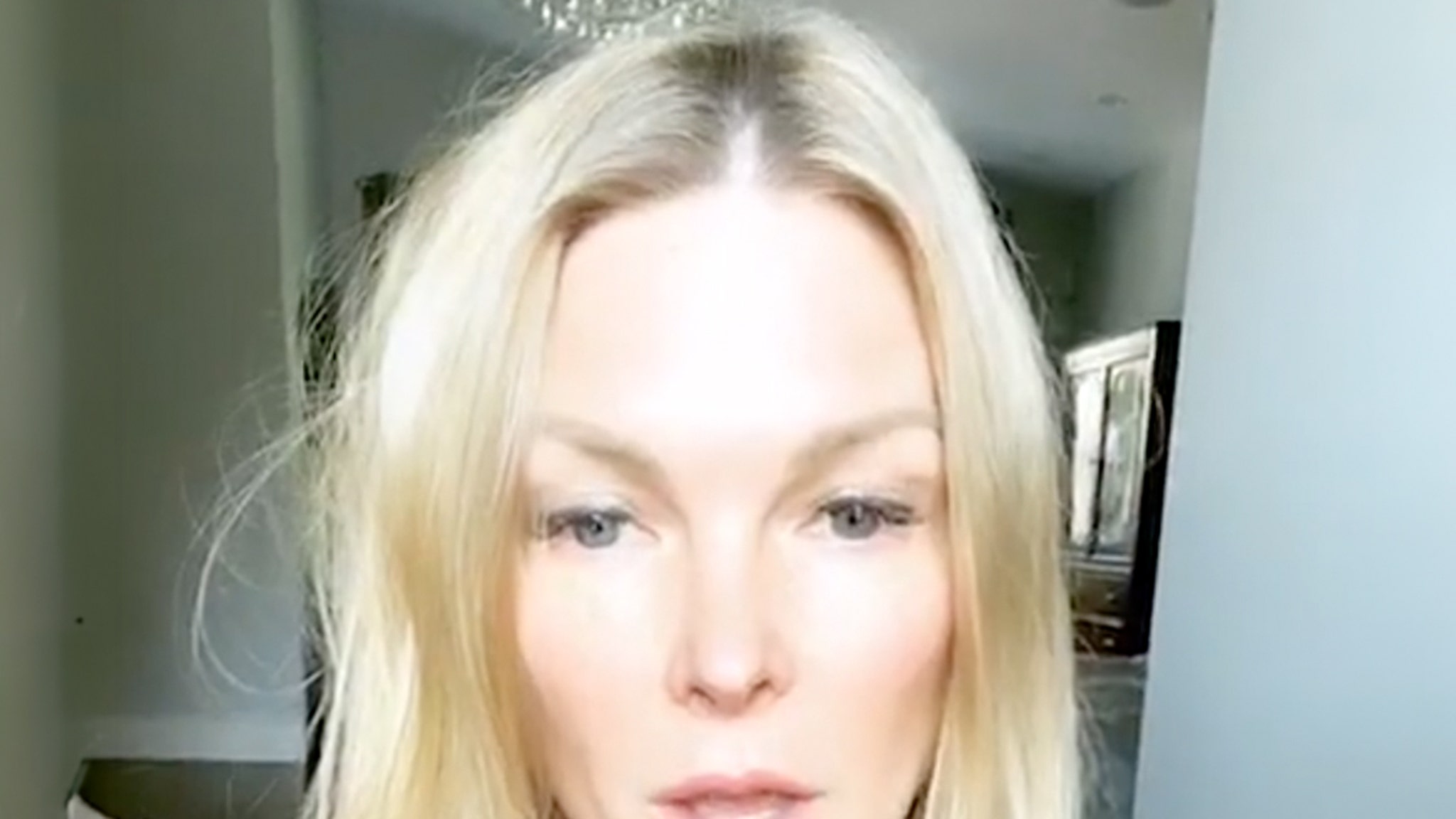
The disclosure from Kelley Wolf comes after a tumultuous period in her personal life, which unfolded publicly over the past year. The initial reports of her separation from Scott Wolf, known for his iconic role as Bailey Salinger in the 1990s drama "Party of Five," surfaced in June 2025. What began as a private marital dispute quickly escalated into a public spectacle when Kelley Wolf made serious accusations of abuse against Scott Wolf. These allegations, widely circulated, cast a shadow over the reputation of the actor, who had largely maintained a private and family-oriented public image throughout his career.
Scott Wolf vehemently denied these accusations in August 2025, labeling them "entirely false" and asserting they were baseless. The situation further intensified when Scott Wolf sought and obtained a temporary restraining order against Kelley Wolf, along with temporary sole custody of their three children. This legal action underscored the severity of the conflict and the immediate concerns for the safety and well-being of the children involved. The legal proceedings and public accusations created a narrative of bitter contention, a stark contrast to the couple’s previously perceived stable relationship, which had spanned over two decades.
Kelley Wolf’s recent statement directly addresses this period of public discord. She expressed deep remorse and offered unqualified apologies for her previous accusations and online posts, acknowledging that they were "not based in truth or reality." While her statement does not enumerate specific accusations, she concedes that her actions caused "profound harm," and she directly apologized to Scott Wolf and their children for the distress and damage inflicted during her psychotic state. "Her brain had essentially ‘turned on’ her," she explained, admitting that some of her past behavior now makes her "shudder" in retrospect. Her statement concluded with a powerful acknowledgment of support, writing to Scott, "You never gave up on me… I owe you my life." This sentiment suggests a complex dynamic of continued support from Scott Wolf despite the public accusations and personal turmoil.
Understanding Drug-Induced Mania with Psychosis
The medical diagnosis of drug-induced mania with psychosis highlights a severe mental health condition that can profoundly disrupt an individual’s life. Mania is characterized by an abnormally elevated, expansive, or irritable mood and increased energy, often accompanied by racing thoughts, decreased need for sleep, grandiose ideas, and impulsive behavior. When coupled with psychosis, these symptoms escalate to include a detachment from reality, manifesting as delusions or hallucinations.
Psychosis itself is a serious mental state that can be triggered by various factors, including underlying mental health conditions like bipolar disorder or schizophrenia, severe stress, trauma, certain medical conditions, and importantly, substance use. Drug-induced psychosis specifically refers to psychotic episodes caused by the use or withdrawal from psychoactive substances. Hallucinogens, as mentioned by Kelley Wolf, are known to alter perception, mood, and thought processes, and in susceptible individuals or when combined with other factors, can precipitate psychotic breaks.

The interplay of stress, past trauma, hormonal shifts, hallucinogens, and prescribed medications, as described by Wolf, creates a "perfect storm" scenario for such a severe mental health crisis. Stress, particularly from significant life events like divorce, can exacerbate underlying vulnerabilities. Trauma can predispose individuals to mental health issues, making them more susceptible to triggers. Hormonal fluctuations, especially in women, are known to impact mood and cognition. The combination of different substances, whether recreational or prescribed, can lead to unpredictable and dangerous interactions, intensifying side effects and potentially triggering psychosis. Medical professionals emphasize the critical importance of careful medication management and disclosure of all substances, including recreational ones, to healthcare providers to prevent such adverse reactions.
The Broader Implications: Mental Health, Public Figures, and Accountability
Kelley Wolf’s public confession brings into sharp focus several critical societal issues, particularly concerning mental health, the responsibilities of public figures, and the complex journey of recovery and reconciliation.
Firstly, her experience underscores the pervasive nature of mental illness, which can affect anyone, regardless of their public profile or perceived stability. It challenges the stigma often associated with psychosis, illustrating that it is a medical condition requiring professional intervention and compassion, not judgment. The honesty in her statement contributes to a broader conversation about mental health awareness, encouraging empathy and understanding for those grappling with similar challenges. It also highlights the importance of recognizing the signs of mental health crises and seeking timely help.
Secondly, the incident raises questions about the ethical responsibilities of media outlets and the public in reporting and reacting to accusations, especially in high-profile separations. While freedom of the press and public interest are important, the rapid dissemination of unverified claims, particularly those made during a period of mental instability, can cause irreparable damage to reputations and personal lives. Scott Wolf’s initial denial and subsequent legal actions were crucial in defending his character against what have now been admitted as false accusations. This case serves as a poignant reminder of the potential for harm when mental health crises intersect with public scrutiny.
Thirdly, the apology from Kelley Wolf represents a significant step towards accountability and potential healing, not only for herself but also for her family. Admitting fault, particularly when it stems from a period of mental illness, requires immense courage. Her acknowledgment of the "profound harm" caused and her direct apology to Scott and their children are crucial for rebuilding trust and fostering an environment conducive to co-parenting and family well-being. This act of public contrition may pave the way for a more constructive path forward for the family, allowing them to address the emotional wounds inflicted during this difficult chapter.
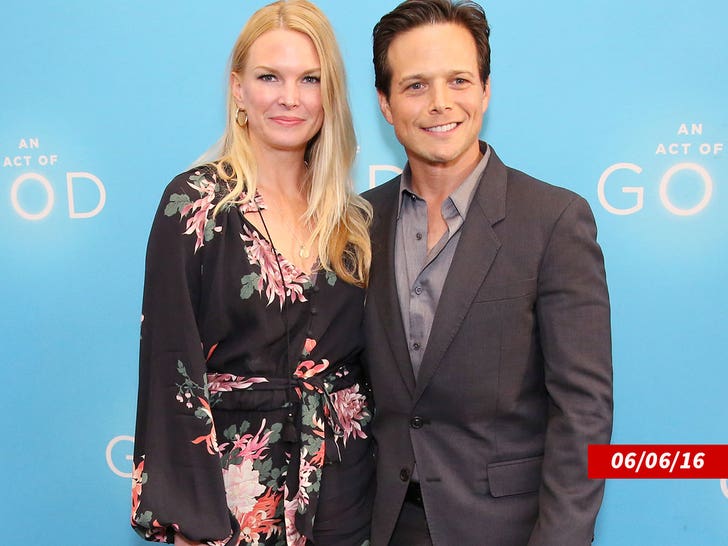
From a legal standpoint, false accusations, regardless of the underlying mental state, carry serious implications. While Kelley Wolf’s mental state at the time may offer context, the legal system often grapples with balancing accountability for actions with understanding the mitigating factors of mental illness. The temporary restraining order and custody arrangements were put in place based on the allegations at the time, and her recent retraction and apology will undoubtedly be a significant factor in any ongoing or future legal proceedings related to their separation and child custody. It potentially clears Scott Wolf’s name officially and could impact the terms of their divorce settlement and permanent custody agreements.
The Road Ahead for the Wolf Family
Kelley Wolf’s year-long journey of self-discovery and recovery, culminating in this candid statement, marks a turning point. Her acknowledgment that her brain "turned on her" and her admission of past behavior making her "shudder" reflect a deep engagement with her recovery process. The gratitude expressed towards Scott Wolf — "You never gave up on me… I owe you my life" — suggests a complex and perhaps evolving relationship, hinting at a level of support from him during her recovery that transcends their marital separation.
For Scott Wolf, this public retraction and apology from his estranged wife is likely a moment of significant relief and vindication. His steadfast denial of the abuse allegations and his legal pursuit of protection for himself and his children now receive a powerful confirmation of their validity. The focus for the family will undoubtedly shift towards navigating the complexities of co-parenting in the aftermath of such intense public and personal turmoil. The children, who were at the center of the custody dispute, will now face a potentially clearer path forward, with their mother openly addressing her past actions and seeking a healthier future.
Ultimately, the story of Kelley Wolf’s psychosis and recovery is a testament to the fragility of mental health and the profound impact it can have on individuals and their families. It serves as a powerful narrative about the importance of diagnosis, treatment, and, crucially, the courage to acknowledge one’s struggles and seek redemption. As the Wolf family moves forward, their experience will likely resonate with many, contributing to a broader societal dialogue on mental health, forgiveness, and the enduring strength required to heal in the public eye. The path to full healing and reconciliation for the Wolf family will undoubtedly be a long and challenging one, but Kelley Wolf’s courageous statement marks a significant and hopeful step in that direction.




 Lina Irawan
 Yuyun Lusiyani
 Pevita Pearce
 Eva Lovia
 Nana Wu