
 Lina Irawan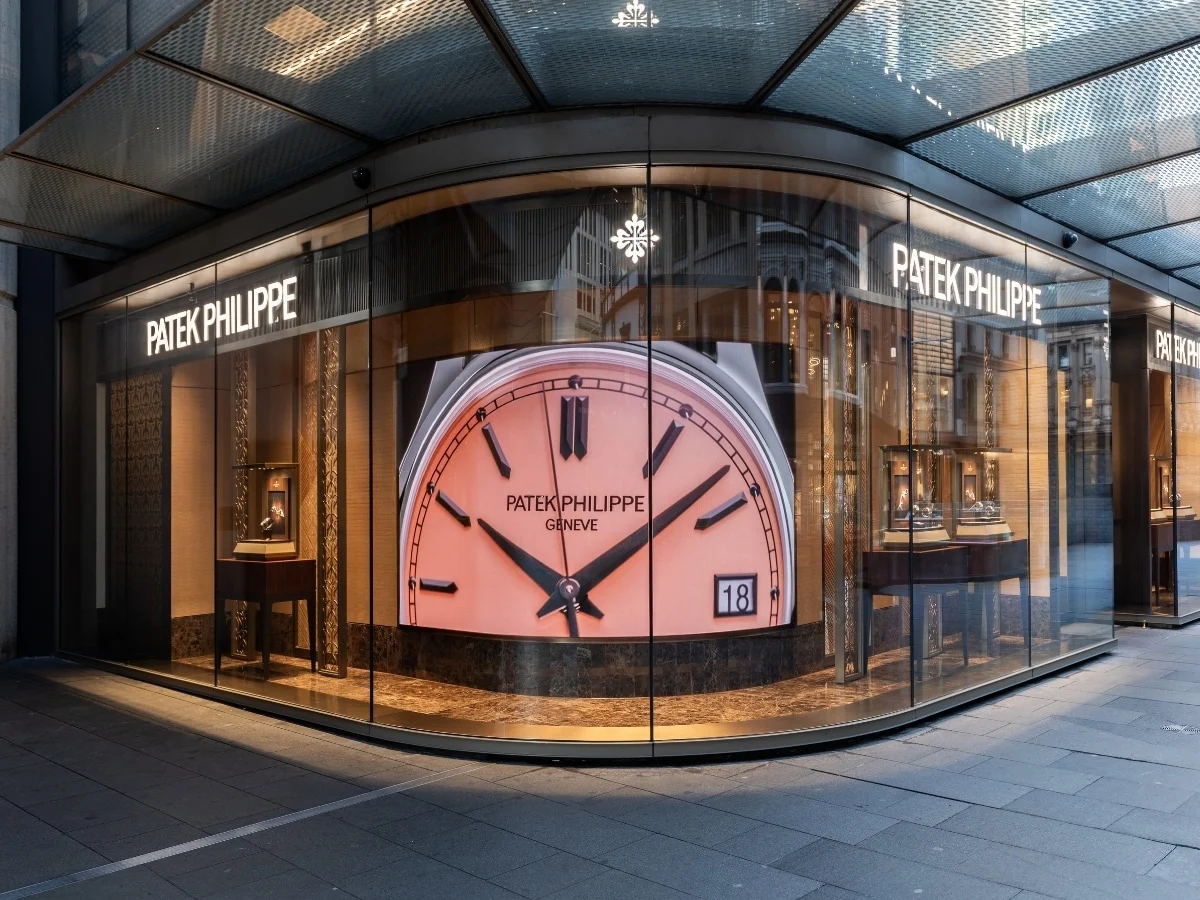
The Australian luxury horology landscape underwent a significant transformation this week as two of the world’s most prestigious watchmakers, Patek Philippe and Rado, inaugurated flagship boutiques in Sydney and Melbourne respectively, signaling a robust confidence in the Oceania premium retail market. This expansion of physical retail footprints coincides with high-profile product launches from IWC Schaffhausen and Bell & Ross, highlighting a period of intense activity within the global timepiece industry. As the luxury sector continues to navigate a complex global economic environment, the concentration of investment in the Australian "watch districts"—specifically Sydney’s King Street and Melbourne’s Collins Street—underscores the region’s growing status as a critical hub for high-net-worth collectors and enthusiasts.
The Strategic Expansion of Patek Philippe in Sydney’s Luxury Corridor
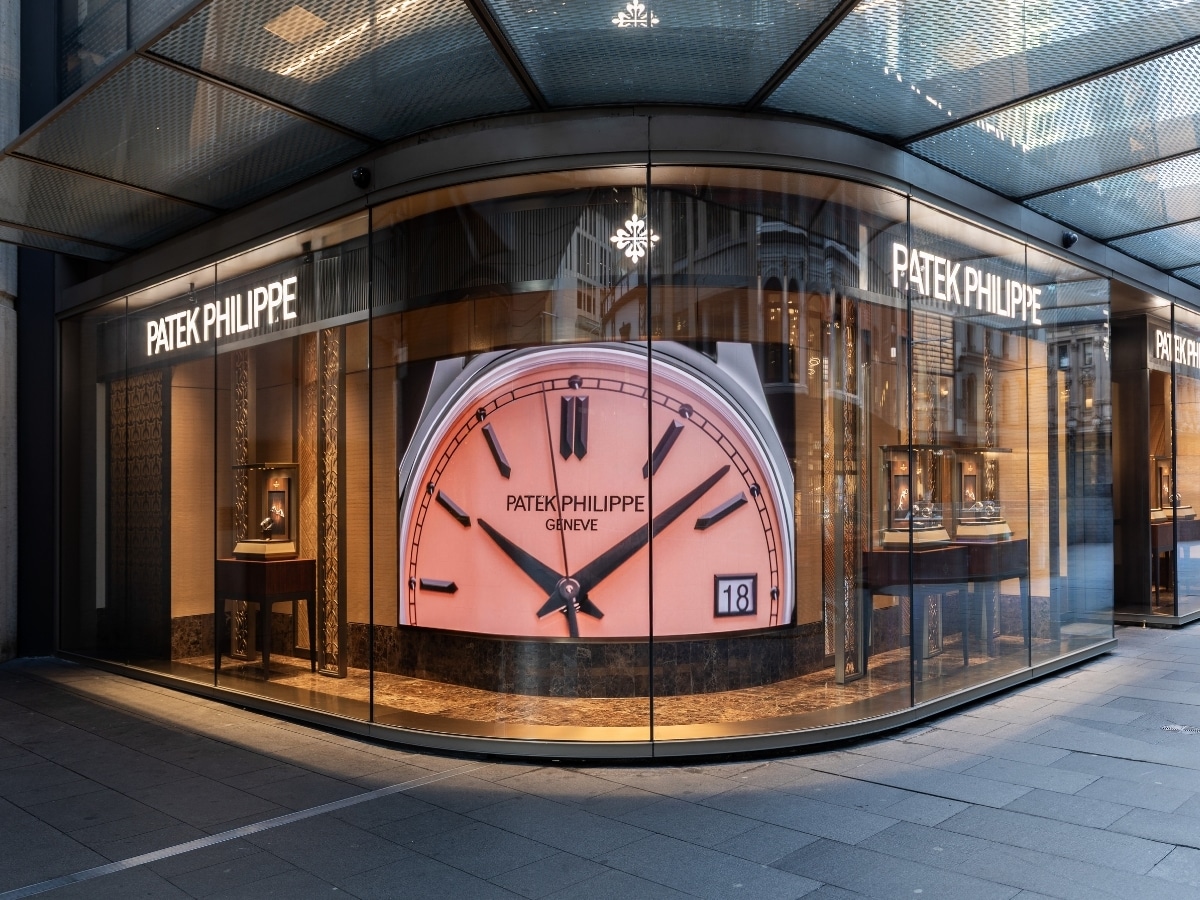
Patek Philippe, often cited as the pinnacle of the "Holy Trinity" of Swiss watchmaking alongside Vacheron Constantin and Audemars Piguet, has officially opened its new boutique on Sydney’s King Street. Although the technical address of the development is situated on George Street, the boutique’s primary facade and entrance command a prominent position on King Street, firmly anchoring the brand within the city’s most concentrated luxury precinct. This location places the Maison in immediate proximity to other LVMH and Richemont-owned brands, including Cartier, Piaget, Hublot, and Jaeger-LeCoultre.
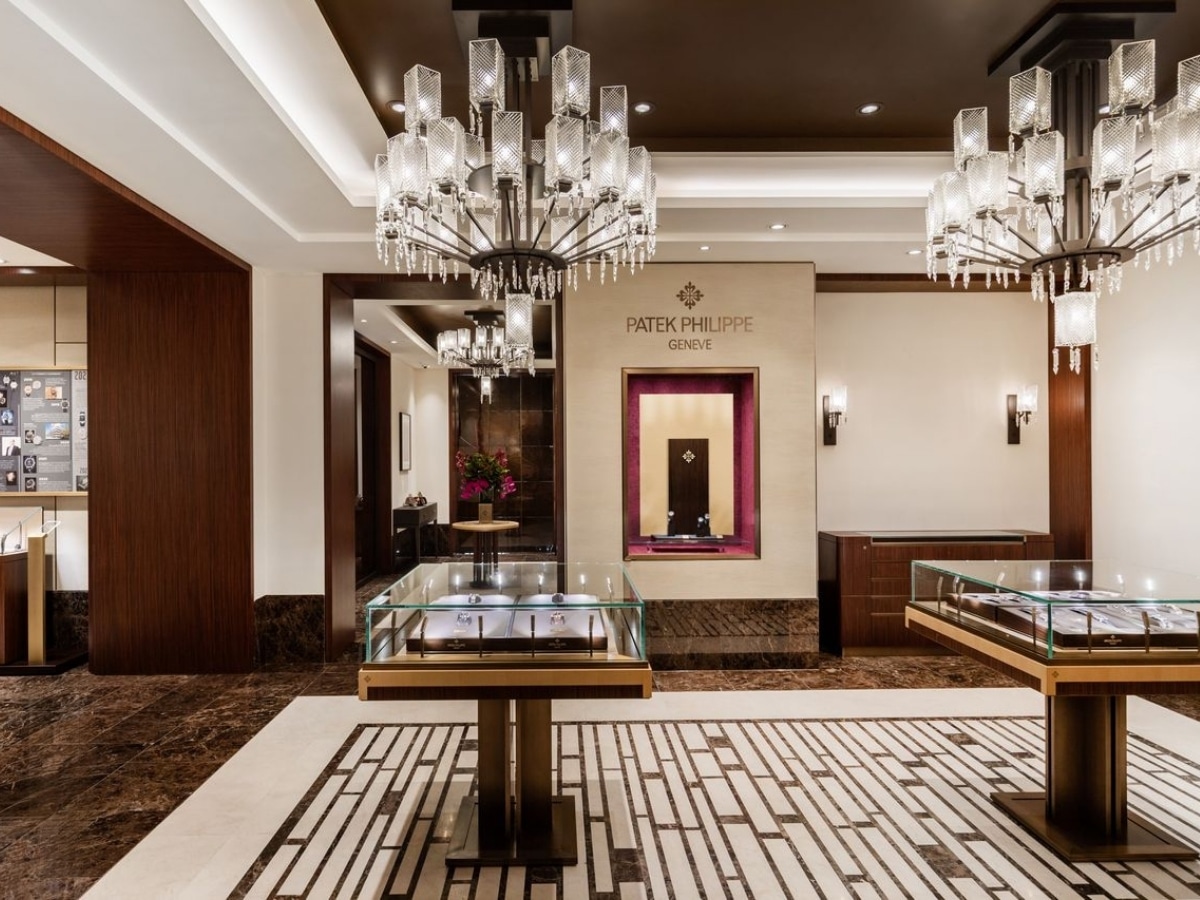
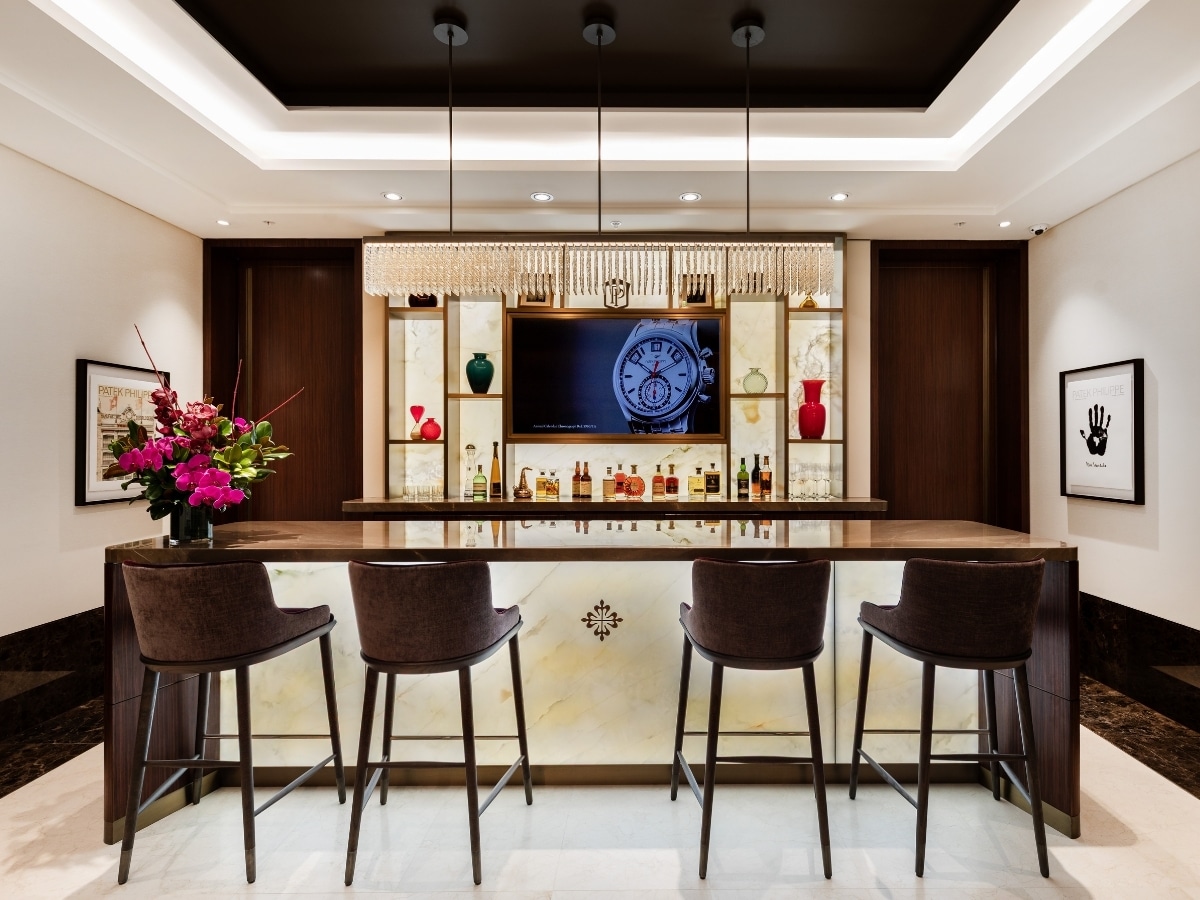
The boutique’s interior design adheres to the global aesthetic standards set by the Geneva-based manufacture. The space is characterized by a sophisticated palette of cream and polished wood finishes, complemented by wall-mounted displays lined with maroon velvet—a specific shade utilized in Patek Philippe’s historic salons in Switzerland. The retail environment is designed to provide an immersive experience, featuring a dedicated bar with a curated spirits selection and a historical gallery. This gallery serves an educational purpose, showcasing a timeline of the brand’s innovations since its founding in 1839, alongside various horological artifacts that illustrate the evolution of the mechanical movement.
Industry analysts suggest that the opening of a dedicated boutique in Sydney is a strategic response to the increasing demand for high-complication timepieces in the Australian market. By providing a physical space where clients can view references such as the Nautilus, the Calatrava, and the 5172G-001 Chronograph, Patek Philippe strengthens its brand equity and maintains its exclusive relationship with the local clientele.
Rado Establishes First Australian Flagship in Melbourne
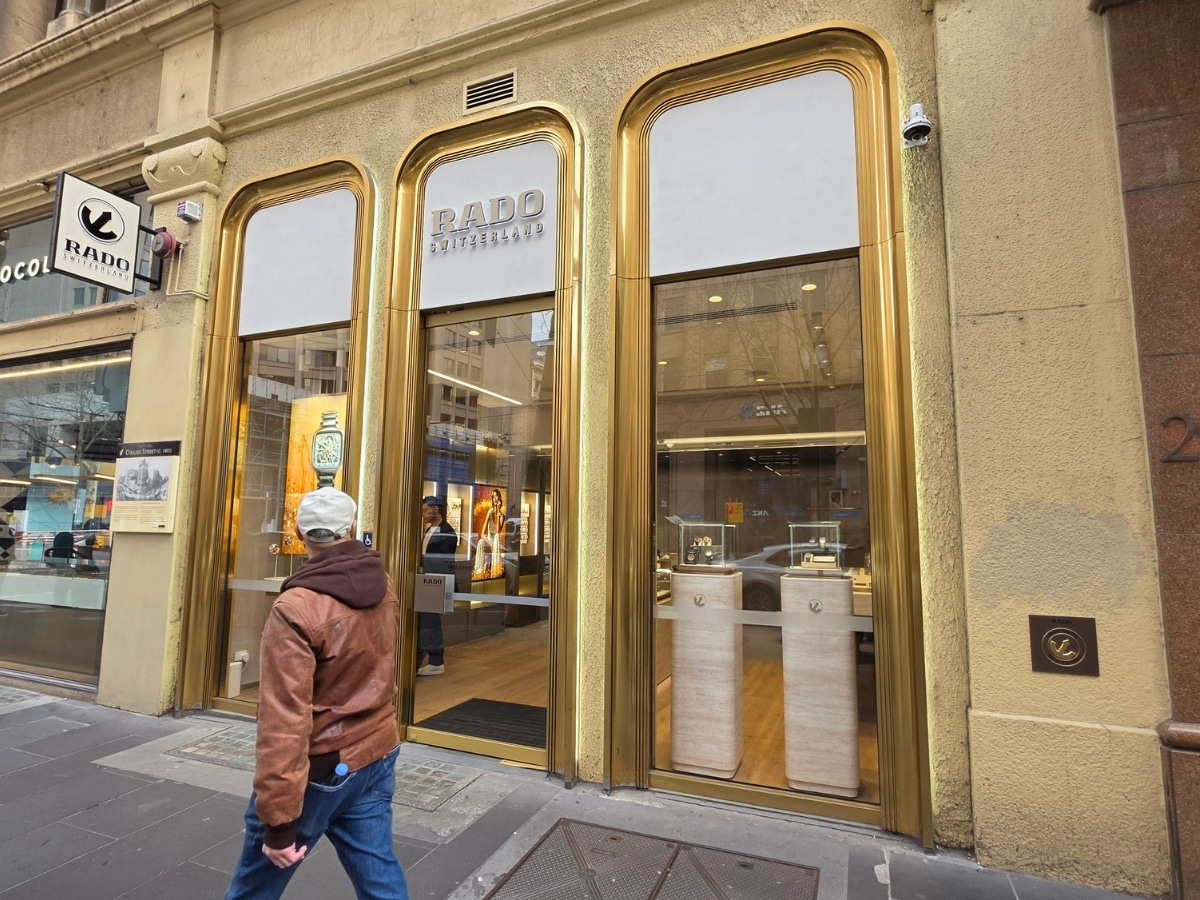
Following the Sydney launch, the Swatch Group-owned brand Rado celebrated the opening of its first Australian boutique on Melbourne’s prestigious Collins Street. Known as the "Master of Materials" for its pioneering work with high-tech ceramics, Rado’s move into a dedicated retail space represents a significant shift from its traditional reliance on multi-brand retailers and department stores within the region.

The ribbon-cutting ceremony was attended by high-profile figures, including Melbourne Lord Mayor Nicholas Reece and Rado Chief Executive Officer Adrian Bosshard. The brand’s commitment to the Australian market was further emphasized by the presence of global ambassadors, including retired world number-one tennis player Ash Barty and professional cricketer Cameron Green.
The Melbourne boutique houses a comprehensive catalog of over 200 references, the largest collection available in the country. This includes the brand’s signature True Square collections and the Captain Cook divers’ series. The establishment of this boutique is part of a broader trend where luxury brands seek to control the entire consumer journey—from the initial presentation of the product to the after-sales service—thereby ensuring a consistent brand message and premium customer experience.
IWC Schaffhausen and the Mercedes-AMG PETRONAS Partnership
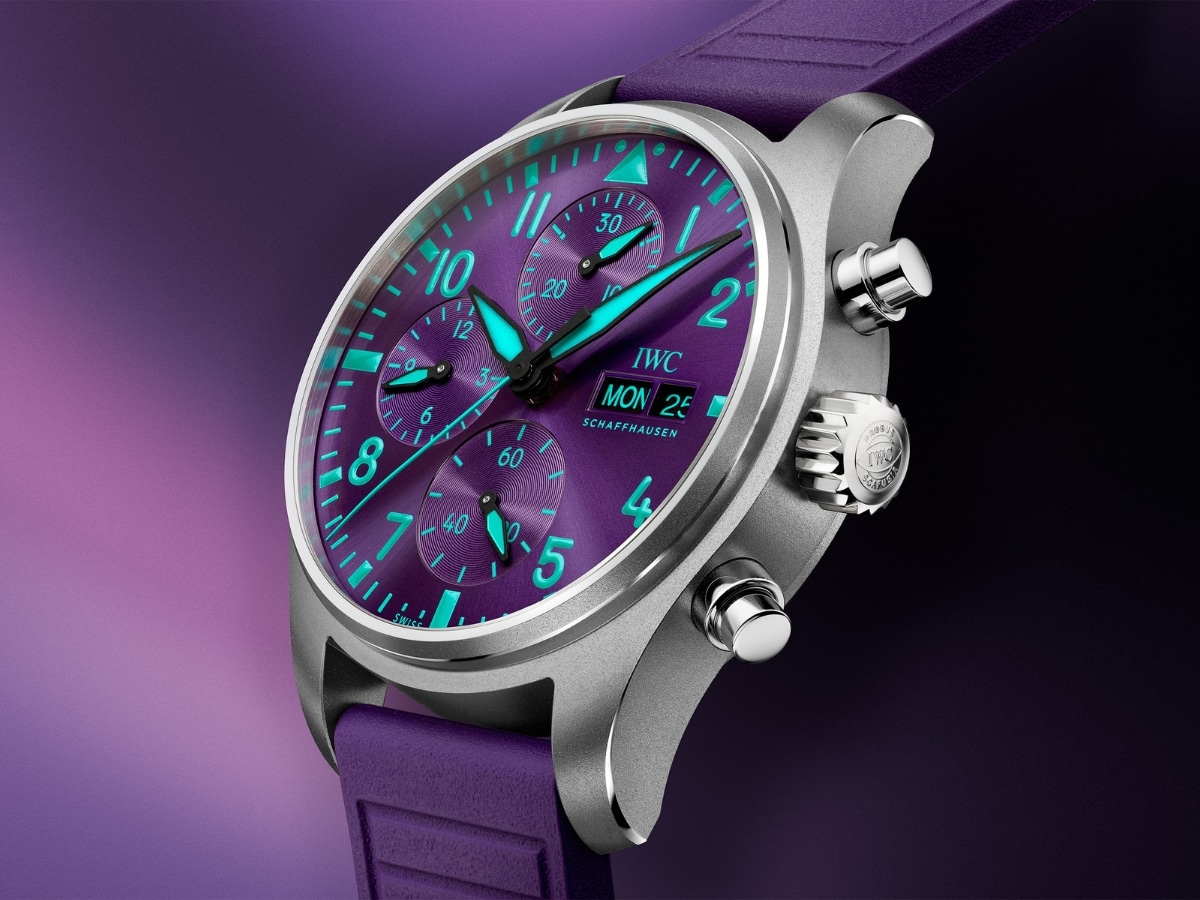
In the realm of product innovation, IWC Schaffhausen has unveiled a new iteration of its Pilot’s Watch Chronograph 41, dedicated to the Mercedes-AMG PETRONAS Formula One Team. This release marks the fourth official team watch produced under a partnership that dates back to 2013. The latest model features a striking purple dial and strap, a color palette inspired by the Vanda Miss Joaquim orchid, the national flower of Singapore. This design choice serves as a thematic precursor to the Singapore Grand Prix, a key event on the Formula One calendar.
The timepiece is constructed from Grade 5 titanium, a material chosen for its high strength-to-weight ratio and resistance to corrosion—qualities essential in the high-performance environment of a Formula One pit lane. The watch is powered by the IWC-manufactured 69385 calibre, a robust automatic movement that utilizes a column-wheel design to ensure precision in chronograph operations.
Technical Specifications: IWC Pilot’s Watch Chronograph 41 (Ref. IW388121)
- Case Material: Grade 5 Titanium
- Diameter: 41.1 mm
- Movement: Calibre 69385 (Automatic, self-winding)
- Power Reserve: 46 hours
- Water Resistance: 10 bar (100 meters)
- Dial Color: Purple with PETRONAS green luminescence
- Strap: Purple rubber with IWC EasX-CHANGE system
- Retail Price: AUD $14,300
The integration of the "PETRONAS green" on the numerals and indices provides a high-contrast visual that maintains the legibility required of a pilot’s watch while honoring the racing team’s corporate identity. This model will be issued to team personnel, including engineers and mechanics, further solidifying the watch’s status as a functional tool within the motorsport industry.
Bell & Ross Explores Cosmic Materials with the BR-X5 Meteorite
Simultaneously, Bell & Ross has introduced a limited-edition timepiece that utilizes extraterrestrial materials: the BR-X5 Meteorite. This release is part of the brand’s high-end BR-X5 line, which emphasizes technical architecture and manufacturing excellence. The dial of the watch is fashioned from a slice of the Muonionalusta meteorite, which struck Earth roughly one million years ago and is estimated to be over four billion years old.
The meteorite dial features the Widmanstätten pattern, a unique crystalline structure that forms only during the extremely slow cooling of iron-nickel alloys in space. Because this pattern cannot be replicated in a laboratory, each of the 250 pieces in this limited run possesses a distinct aesthetic signature.
Technical Specifications: Bell & Ross BR-X5 Meteorite
- Case: 41 mm steel with multi-layer "sandwich" construction
- Dial: Genuine Muonionalusta meteorite
- Movement: Calibre BR-CAL.323 (Manufacture movement by Kenissi)
- Certification: COSC-certified chronometer
- Power Reserve: 70 hours
- Limitation: 250 pieces worldwide
The BR-X5 Meteorite utilizes the brand’s signature square-within-a-circle design, but with an advanced case construction that allows for a mix of materials and finishes. The inclusion of a COSC-certified movement, provided by the movement specialist Kenissi, elevates the BR-X5 from a design-focused piece to a high-performance horological instrument.
Chronology of Events and Industry Context
The simultaneous expansion of retail and the launch of specialized products reflect a broader timeline of recovery and growth in the luxury sector.
- Post-2022 Market Correction: Following the unprecedented boom in luxury watch prices in 2021 and early 2022, the market saw a stabilization. Brands responded by shifting focus from "hype" models to craftsmanship and heritage-based storytelling.
- Infrastructure Investment (Early 2024): Major luxury groups (Richemont, Swatch Group, and LVMH) began intensifying their presence in "secondary" global hubs like Sydney and Melbourne, anticipating a resurgence in luxury tourism and a maturing local collector base.
- The Q3 2024 Launch Cycle: The timing of the Patek Philippe and Rado openings, paired with the IWC and Bell & Ross releases, aligns with the buildup to the end-of-year festive season and major sporting events (Singapore GP), which traditionally drive significant luxury consumption.
Market Implications and Analysis
The investment in Australian physical retail by Patek Philippe and Rado suggests that the digital-first approach of the pandemic era is being balanced by a return to "experiential retail." For brands at the level of Patek Philippe, the physical boutique is not merely a point of sale but a sanctuary for brand culture where the scarcity of the product is managed through personal relationships between staff and clients.
Furthermore, the product releases from IWC and Bell & Ross demonstrate two distinct paths for modern horology:
- IWC’s Path: Leveraging high-profile sporting partnerships and bold, lifestyle-oriented color palettes to appeal to a younger, more fashion-conscious demographic.
- Bell & Ross’s Path: Utilizing rare materials and technical certifications (COSC) to appeal to the "purist" collector who values material science and mechanical transparency.
The Australian market, currently estimated to be worth hundreds of millions in the luxury watch segment alone, is proving to be a resilient environment. The competition between Sydney’s King Street and Melbourne’s Collins Street for the title of "Australia’s Premier Watch District" is ultimately a benefit for the consumer, as it leads to better access to limited editions, improved service facilities, and a wider variety of brands.
As these boutiques begin their operations, the focus will likely shift to the availability of stock—particularly for Patek Philippe, where waitlists for popular models can span several years. However, the presence of these flagships ensures that the Australian horological community remains at the forefront of global trends, with direct access to the latest innovations from the world’s leading watchmakers.



 Joko Widodo
 admin
admin
 Nila Kartika Wati
 Pevita Pearce
 Eva Lovia