
 Lina Irawan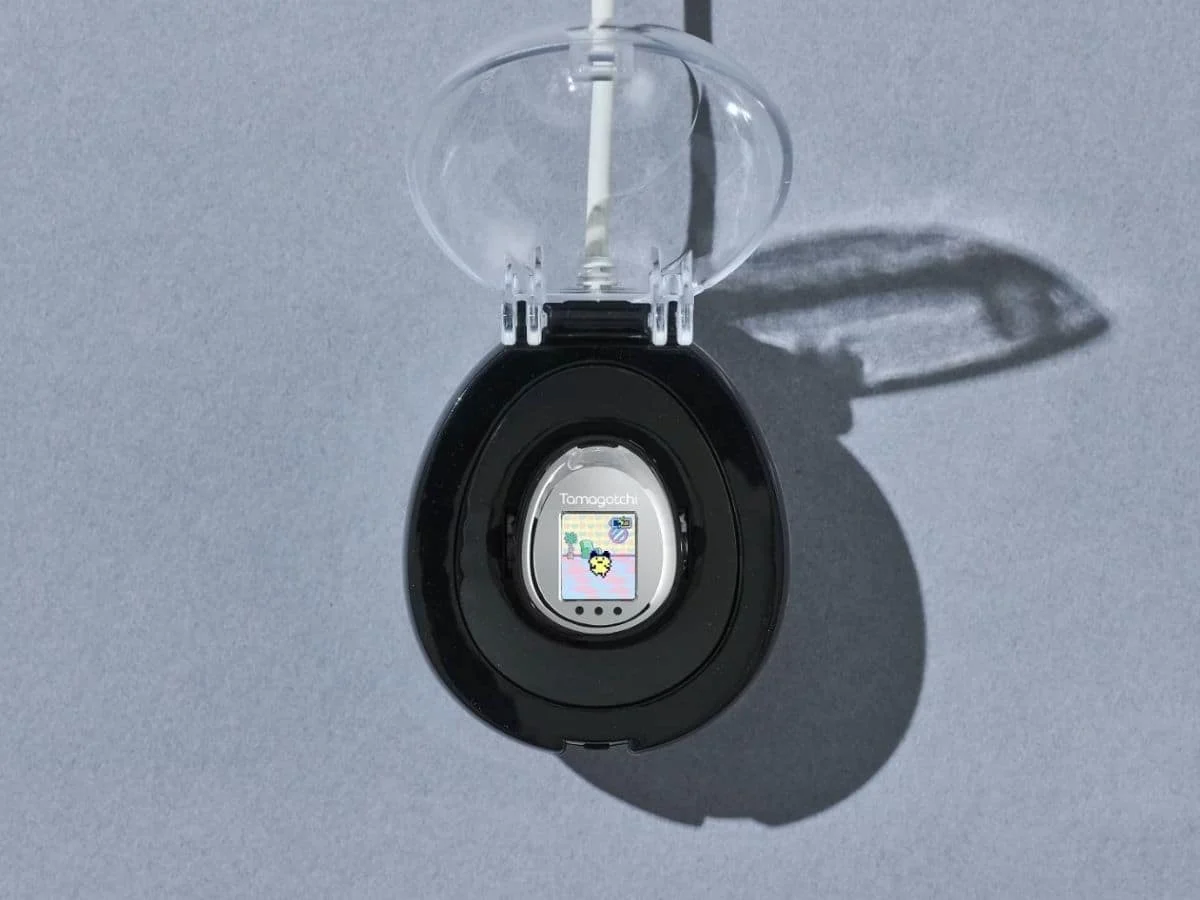
The global landscape of wearable technology is currently dominated by health-focused peripherals such as the Oura Ring and the Samsung Galaxy Ring, devices designed to monitor physiological data through unobtrusive form factors. However, Bandai Namco has announced a significant pivot in the "smart ring" category by introducing a miniaturized, fully functional version of its iconic virtual pet. The Tamagotchi Ring, slated for a 2027 release, represents a departure from biometric tracking, focusing instead on the gamification of jewelry through extreme miniaturization and nostalgia-driven engineering.
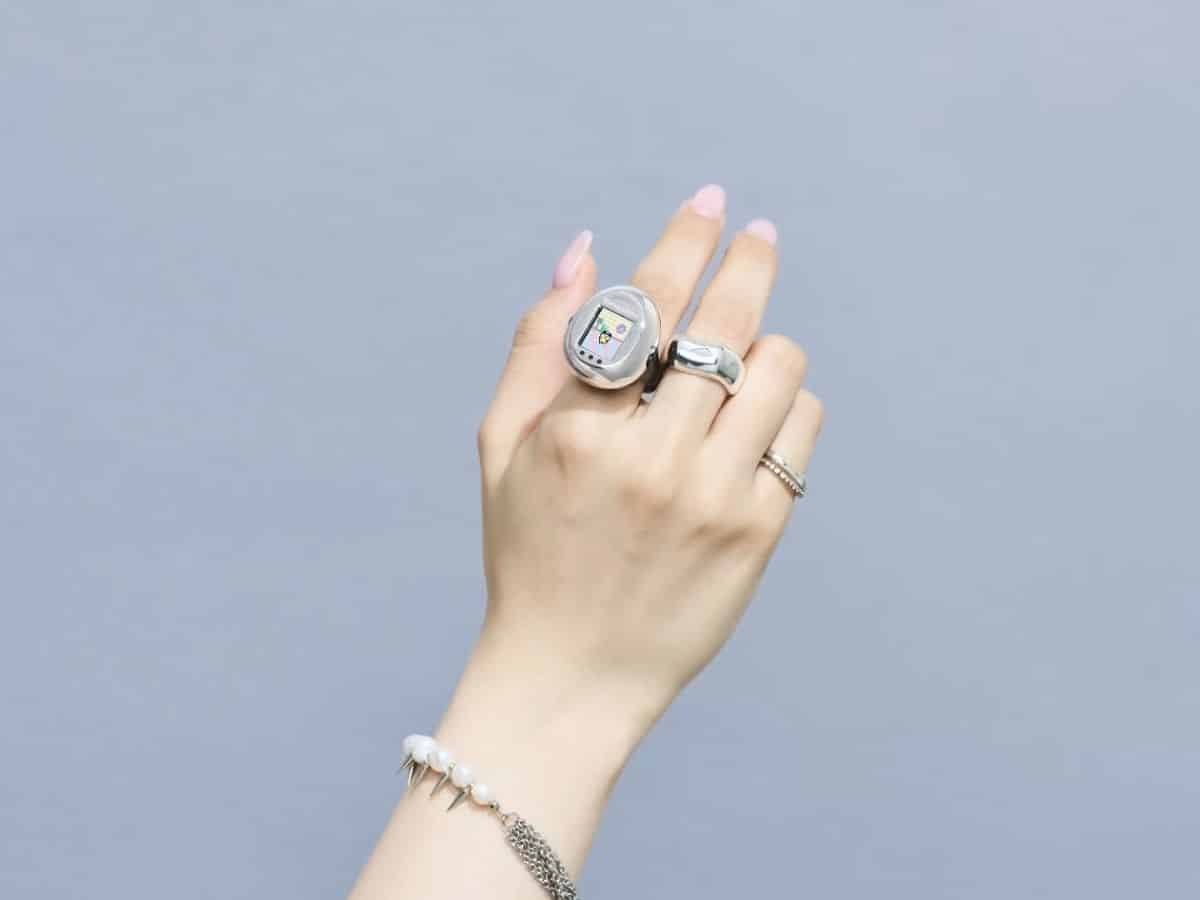
The device is not a smart ring in the conventional sense; it does not feature heart-rate sensors, accelerometers, or sleep-tracking algorithms. Instead, it serves as a complete port of the Tamagotchi experience, housed within a chassis measuring only 28mm in height and 23mm in width. Despite its diminutive size, the wearable includes a 0.56-inch full-color liquid crystal display (LCD) and the signature three-button interface that has defined the brand since its inception in the mid-1990s.
Engineering Challenges and Technical Specifications
The development of the Tamagotchi Ring was a multi-year endeavor that required a total overhaul of the internal architecture used in standard Tamagotchi models. According to Bandai, the project took approximately two years of research and development to move from concept to a production-ready prototype. The primary hurdle was the reconciliation of a high-resolution color screen with a battery and circuit board small enough to fit on a human finger.
To achieve this, Bandai engineers successfully reduced the internal component count to just 64 individual parts. For context, the current flagship model, the Tamagotchi Paradise, utilizes 116 components. This 45 percent reduction in complexity was achieved through the use of highly integrated circuits and a redesigned power management system.
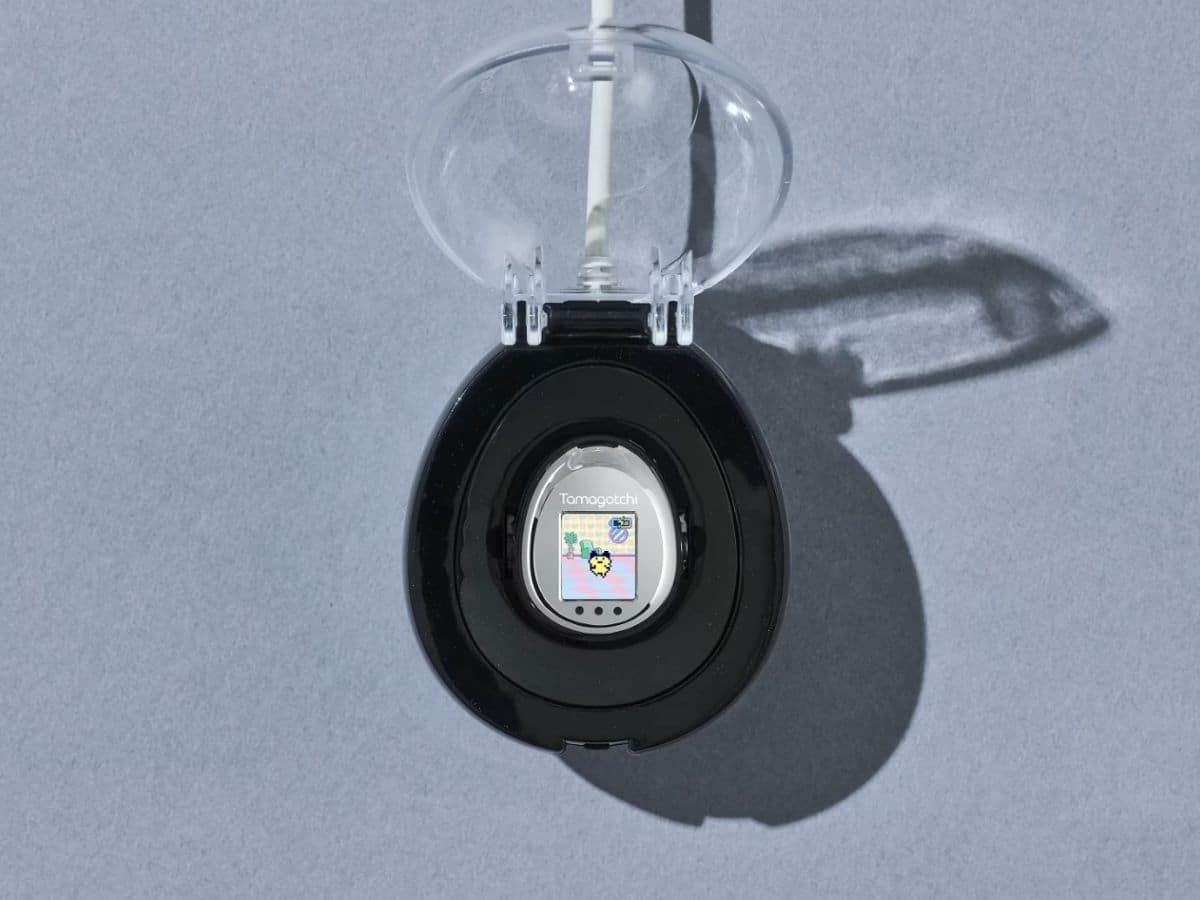
One of the most notable engineering trade-offs involves the device’s charging mechanism. Due to the limited surface area on the ring’s 28mm frame, Bandai was unable to include a standard USB-C or proprietary charging port without compromising the structural integrity or aesthetic of the device. Consequently, the Tamagotchi Ring will utilize a dedicated charging case—a first for the franchise. This approach mirrors the charging solutions used for wireless earbuds, providing a portable power bank that both protects and recharges the ring when not in use.
A Chronological History of Tamagotchi Miniaturization
The Tamagotchi Ring is the culmination of a thirty-year trend in virtual pet evolution, though the path to miniaturization has not been linear. When the original Tamagotchi launched in Japan in 1996, it measured approximately 50mm in height. At the time, the monochrome screen and simple 8-bit processing allowed for a relatively thin, egg-shaped profile that fit comfortably on a keychain.
In 2008, Bandai introduced the first color-screen model, the Tamagotchi Plus Color. However, the demands of the color display and the increased processing power required for more complex animations necessitated a larger physical footprint. The 2008 model grew to 68mm in height to accommodate the larger battery arrays needed to sustain the backlit screen. For over a decade, the "color era" of Tamagotchi remained significantly bulkier than the original 1996 release.
The announcement of the Tamagotchi Ring marks the first time Bandai has successfully shrunk the color-screen technology below the dimensions of the original 1996 monochrome device. By standing at only 28mm, the new wearable is nearly 60 percent smaller than the version that launched the color revolution in 2008, signaling a breakthrough in high-density electronics manufacturing for the toy and hobby sector.
Gameplay and User Interface
Despite the radical change in form factor, the core gameplay loop remains intact. Users are tasked with the survival of a digital organism, which requires regular feeding, cleaning, and emotional engagement. The ring features more than 30 distinct Tamagotchi characters, including "secret evolutions" that are triggered by specific care patterns.
Interacting with a 0.56-inch screen presented ergonomic challenges. To address this, Bandai moved beyond the three front-facing buttons, incorporating additional control inputs on the lateral sides of the ring. This "side-access" control scheme allows users to navigate menus and perform care actions without their fingers obstructing the tiny display. This ergonomic adjustment ensures that the device remains functional as a game while serving as a piece of statement jewelry.
Market Context: The Rise of "Kidult" Tech and Luxury Miniatures
The Tamagotchi Ring arrives at a time when the "kidult" market—adults who purchase toys and collectibles—is seeing unprecedented growth. Market research indicates that nostalgia is a primary driver in the consumer electronics sector, particularly in Japan and North America. Bandai is not the only firm capitalizing on this trend by shrinking functional technology into wearable jewelry.

Casio, the Japanese electronics giant, recently saw significant success with its CRW-001 Ring Watch and a miniature version of the G-SHOCK. These devices, which function as digital timepieces but are worn on the finger, sold out rapidly, proving that there is a viable market for "micro-wearables" that prioritize aesthetic and novelty over the comprehensive health suites found in Apple or Garmin products.
Industry analysts suggest that the Tamagotchi Ring serves a dual purpose: it is both a functional toy for a new generation and a high-tech fashion accessory for millennials who grew up with the original brand. By positioning the device as a ring rather than a keychain, Bandai is moving the product into the realm of "tech-jewelry," a niche but expanding category.
Pricing and Economic Implications
The Tamagotchi Ring is positioned as a premium product within the Bandai lineup. The initial launch price in Japan is set at ¥7,700, which converts to approximately AUD$70. However, regional pricing for international markets reflects the logistical and demand-based complexities of such a niche release. In Australia, early listings from specialized retailers like The Gamesmen have placed the device at AUD$109.95.
When adjusted for inflation, the price hike is significant. The original 1996 Tamagotchi sold for ¥1,980 (roughly AUD$22 at the time, or AUD$45 in 2024 currency). At nearly double the inflation-adjusted price of the original, the Tamagotchi Ring is a clear play for the collector’s market. Consumers are paying a premium for the engineering feat of miniaturization and the novelty of the wearable form factor.
Anticipated Release Timeline and Global Availability
The rollout for the Tamagotchi Ring is scheduled to begin in Japan in February 2027. This long lead time suggests that Bandai is still finalizing the manufacturing pipelines for the 64-component architecture. International markets, including Australia, are expected to receive the device shortly thereafter, with current projections pointing toward an April 2027 arrival.
While Bandai has not yet confirmed a wide release for North American or European retailers, the brand’s recent history of global launches for products like the Tamagotchi Uni suggests that a worldwide rollout is likely, provided the initial Japanese production run meets quality standards.
Broader Implications for the Wearable Industry
The success or failure of the Tamagotchi Ring may dictate the future of "entertainment wearables." If the device finds a stable audience, it could pave the way for other intellectual properties to enter the space. There is already speculation regarding whether Bandai will apply similar miniaturization techniques to its Digimon franchise, which traditionally uses "Vital Bracelet" wearables. Furthermore, the possibility of Pokémon-themed rings or other interactive jewelry could transform the smart ring market from a purely medical and fitness-oriented sector into one that includes significant gaming and social components.
From a technical standpoint, the Tamagotchi Ring proves that high-resolution color displays and complex interactive software can be maintained in a device smaller than 30mm. This could have implications beyond toys, potentially influencing the design of future medical alerts or notification-only wearables that seek to minimize their physical presence on the body.
As the tech industry continues to debate the utility of screens on our wrists and fingers, Bandai’s latest venture suggests that for a certain segment of the population, the value of a wearable is not found in how much data it can collect about the user, but in how much joy it can provide through the care of a digital companion. The Tamagotchi Ring is a testament to the enduring power of 90s nostalgia, reimagined through the lens of modern, high-precision Japanese engineering.




 Joko Widodo
 admin
admin
 Nila Kartika Wati
 Pevita Pearce
 Eva Lovia