Pevita Pearce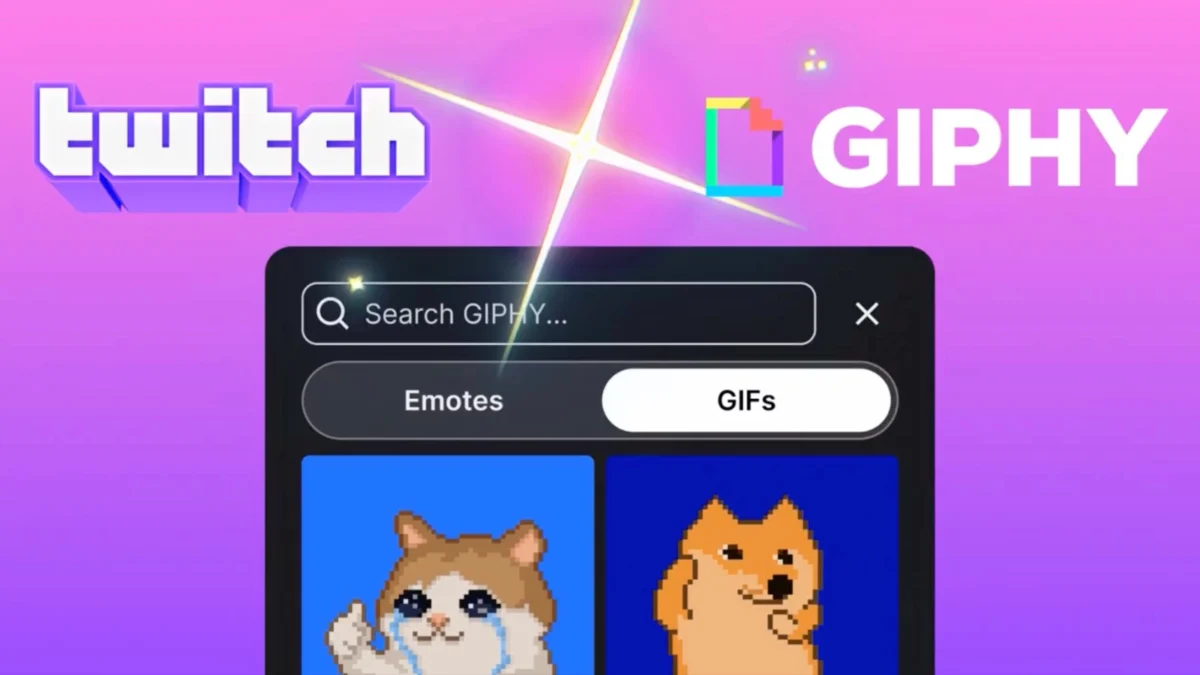
Twitch, the Amazon-owned titan of the live-streaming industry, officially launched a significant update to its subscription benefits on September 1, 2026, introducing a native GIF Keyboard for Tier 2 and Tier 3 subscribers. This new feature allows the platform’s most dedicated financial supporters to search for and post animated images directly from GIPHY into the chat stream, marking a departure from the platform’s long-standing reliance on static emotes and third-party browser extensions. By integrating GIPHY’s extensive library, Twitch aims to provide more tangible value to its higher-priced subscription tiers, which have historically struggled to offer incentives that significantly distinguish them from the standard Tier 1 offering.
The rollout is currently in a controlled evaluation phase, with the feature being activated on a select group of partner and affiliate channels. This phased approach allows Twitch to monitor the impact on chat latency, moderation efficacy, and overall community sentiment before committing to a global release. While a definitive date for a wider rollout has not been disclosed, the company has signaled that the feedback gathered during this pilot period will be instrumental in shaping the final iteration of the tool.
Technical Implementation and User Experience
The GIF Keyboard is designed to be an intuitive addition to the existing Twitch user interface. In channels where the feature is enabled, eligible subscribers—specifically those paying for the $9.99 Tier 2 or $24.99 Tier 3 monthly packages—can access the library by clicking the standard Emote icon located in the chat bar. A new "GIFs" tab has been added alongside the traditional emote and sticker categories.
Once the tab is selected, users can utilize a search bar powered by GIPHY to find specific reactions, memes, or cultural references. To prevent the chat from becoming overwhelmed by rapid-fire animations, Twitch has implemented a mandatory 30-second cooldown period for GIF messages per user. Furthermore, GIFs are sent as standalone messages; users cannot currently append text to the same message as a GIF, ensuring that the visual element remains the focal point of that specific interaction.
For viewers who find animated images distracting or those using older hardware with limited processing power, Twitch has included a "static" mode. Within the chat appearance settings, users can opt to disable animations, which replaces moving GIFs with a single-frame preview. On legacy devices or browsers that do not support GIF rendering, the platform will display the text name of the GIF, ensuring that the context of the conversation remains accessible to all participants.
The Economic Context of Subscription Tiers
The introduction of the GIF Keyboard is widely viewed by industry analysts as a strategic move to bolster the appeal of Twitch’s premium subscription levels. For years, the value proposition for Tier 2 and Tier 3 subscriptions remained relatively narrow. While a Tier 1 subscription ($4.99) grants ad-free viewing (on specific channels), a sub badge, and custom emotes, the higher tiers primarily offered a few additional emotes and a modified badge border.
By locking GIF functionality behind the Tier 2 and Tier 3 paywalls, Twitch is creating a "status symbol" within the chat environment. This tier-based gating is a common tactic in the creator economy, where "whale" contributors—those willing to spend significantly more than the average user—seek unique ways to stand out and interact with their favorite broadcasters. As Twitch continues to face pressure to increase profitability for its parent company, Amazon, enhancing the conversion rate from Tier 1 to Tier 3 is a high priority.
Safety, Moderation, and Creator Controls
One of the primary concerns regarding the integration of third-party media in live chat is the potential for harassment, "trolling," or the distribution of inappropriate content. Twitch has addressed these concerns by layering the GIF Keyboard with several tiers of moderation.
First, the feature is opt-out for creators. Streamers who prefer a text-heavy or emote-only chat environment can disable the GIF Keyboard entirely through their Creator Dashboard settings. If a creator chooses to disable the perk, all Tier 2 and Tier 3 subscribers in that channel will receive an automated notification explaining that the feature is unavailable.
Second, the system is integrated with Twitch’s existing AutoMod technology. If a user searches for a term that is banned on a specific channel, the GIPHY search will return no results for that query. Additionally, streamers and their designated moderators have the authority to delete individual GIF messages just as they would any other chat entry.
Third, the content is filtered based on GIPHY’s internal rating system. By default, Twitch sets the filter to "PG," which excludes content deemed suggestive or inappropriate for general audiences. Streamers can further restrict this to a "G" rating, ensuring a strictly "all-ages" experience. Twitch has made it clear that despite the automated filters, users are ultimately responsible for the content they post. If a GIF violates Twitch’s Community Guidelines—such as those prohibiting hate speech, harassment, or explicit sexual content—the user faces the same disciplinary actions as they would for a text-based violation.
Evolution of Interactive Features on Twitch
The integration of GIPHY marks a significant milestone in the evolution of Twitch’s chat culture. For much of its history, Twitch chat was defined by its unique language of "global emotes" like Kappa, PogChamp, and LUL. As the platform grew, third-party extensions like BetterTTV (BTTV) and FrankerFaceZ (FFZ) became industry standards, allowing users to see GIFs and custom emotes that were not natively supported by Twitch.
However, these extensions required viewers to install browser add-ons, creating a fragmented experience where only a portion of the audience could see the intended humor or reaction. By bringing GIF support natively to the platform, Twitch is reclaiming control over the visual language of its chat while simultaneously monetizing a feature that was previously only available through free, third-party tools.
Chronology of Twitch Chat Innovations
To understand the significance of the September 1st announcement, it is helpful to look at the timeline of how Twitch has expanded its interactive features:
- 2011: Twitch launches with a basic set of global emotes.
- 2015: The introduction of the "Partner" program allows creators to offer custom emotes to subscribers, sparking the "emote meta" that defines the platform today.
- 2017: Twitch introduces "Bits" and "Cheering," providing a way for users to support streamers with animated "Cheermotes."
- 2019: The launch of "Channel Points" allows non-paying viewers to interact with the stream through visual and auditory cues.
- 2022: Twitch expands the Emote library and introduces "Follower Emotes," lowering the barrier for community interaction.
- 2024-2025: Experimental features involving "Hype Chat" and pinned messages are tested to increase visibility for paying users.
- September 1, 2026: Native GIF Keyboard is introduced for Tier 2 and Tier 3 subscribers, signaling a shift toward richer media integration.
Market Competition and Platform Stability
Twitch’s move also comes at a time of heightened competition in the live-streaming sector. Platforms like Kick and YouTube Gaming have been aggressive in poaching top talent and offering alternative monetization models. Kick, in particular, has leaned into a more "anything goes" chat culture, while YouTube has integrated its massive library of video content into its "Clips" and "Shorts" features.
By adding GIFs, Twitch is attempting to modernize its interface to match the expectations of a younger demographic accustomed to the media-rich environments of Discord, TikTok, and WhatsApp. In these ecosystems, communication is often more visual than textual. For Twitch to maintain its dominance, it must ensure that its chat—the "heart" of the platform—remains the most engaging and technologically advanced in the industry.
Potential Implications for Streamers and Brands
The introduction of GIFs opens new doors for brand partnerships and "meta" humor within individual communities. Streamers can now encourage their communities to find specific GIFs that align with their "inside jokes," potentially leading to higher engagement rates during key moments of a broadcast.
From a brand perspective, the integration of GIPHY—which is owned by Shutterstock—suggests potential for future sponsored GIF campaigns. If a movie studio or game developer can populate GIPHY with high-quality promotional GIFs, and Tier 3 "superfans" use those GIFs to celebrate a victory or a trailer reveal on stream, it creates a form of organic, user-generated advertising that is highly valuable to marketers.
However, some veteran broadcasters have expressed concern that the feature could lead to "visual clutter." In high-traffic channels where chat moves at hundreds of messages per minute, a constant stream of 480p animated GIFs could make it difficult for streamers to read meaningful questions or feedback. The 30-second cooldown is the primary defense against this, but the long-term impact on "chat readability" remains one of the key metrics Twitch will be monitoring during the pilot phase.
Conclusion and Future Outlook
The launch of the GIF Keyboard for Tier 2 and Tier 3 subscribers represents a calculated attempt by Twitch to bridge the gap between user engagement and platform monetization. By providing a high-visibility, media-rich perk, Twitch is rewarding its most loyal fans while providing streamers with a new tool to energize their communities.
As the pilot program continues, the industry will be watching closely to see if this feature leads to a measurable uptick in high-tier subscriptions. If successful, it is likely that Twitch will not only expand the feature to all channels but also explore further media integrations, such as short-form video clips or interactive stickers, further blurring the line between a traditional chat room and a modern social media feed. For now, the September 1st update stands as a clear signal that the future of Twitch chat is no longer just about what you say, but what you show.

 admin
admin
 Lina Irawan
 Yuyun Lusiyani
 Nana Wu
 Joko Widodo