Lina Irawan
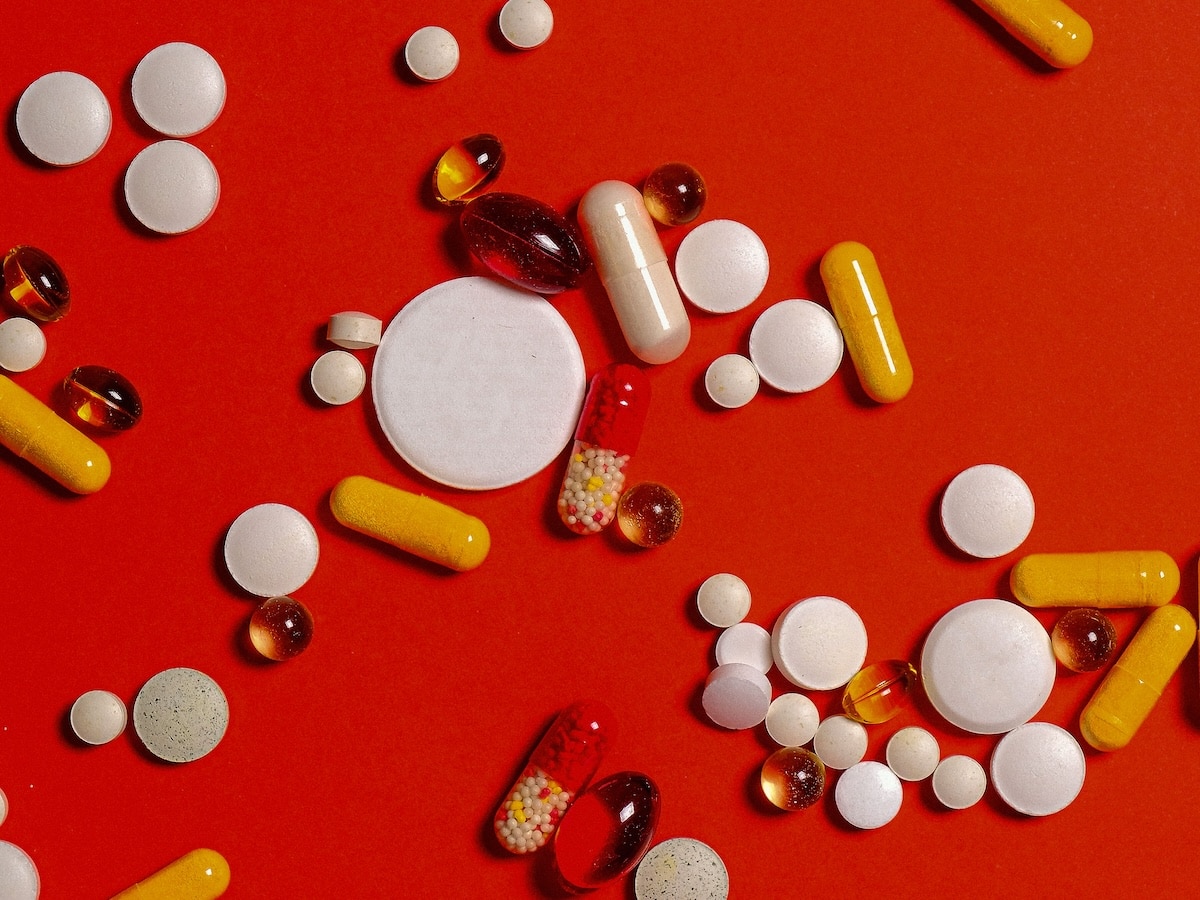
The New South Wales government has announced a landmark shift in its approach to public health and drug policy, committing $4.3 million to establish a permanent drug-checking service at music festivals across the state. Starting in October 2026, the program will facilitate pill testing at up to 15 major festivals annually, transitioning from a successful trial phase into a core component of the state’s harm reduction strategy. This decision follows a comprehensive 12-month pilot program that provided critical data on drug consumption patterns and demonstrated a measurable reduction in drug-related hospitalisations during events.
The move marks a significant evolution in the political landscape of New South Wales, where the debate over pill testing has persisted for over a decade. By formalising this service, the Minns Government has moved toward a pragmatic health-led model, acknowledging that while illicit drug use remains illegal and inherently dangerous, providing consumers with chemical analysis of substances can prevent fatalities and reduce the burden on emergency services.
Analysis of the NSW Pill-Testing Trial Results
The decision to implement a permanent program was informed by a rigorous independent evaluation of a trial that spanned 12 music festivals. During this period, health professionals and chemists tested nearly 1,500 samples submitted by festival-goers. The primary objective was to provide an anonymous, free service that identified the chemical composition of substances, allowing users to understand if the drugs they possessed were what they believed them to be.
The findings revealed a significant discrepancy between market expectations and reality. Approximately 8.1 per cent of the samples tested contained unexpected or highly dangerous substances. In many instances, substances sold as MDMA or cocaine were found to contain synthetic fillers, high-potency cathinones, or other hazardous adulterants.

The behavioral impact of this information was profound. According to the government’s evaluation, 30 per cent of individuals who received an "unexpected" result chose to discard the substance immediately. A further 37.5 per cent indicated they would reduce their planned dosage, and 7.5 per cent stated they would not consume the drug at all. Furthermore, for a majority of participants, the testing tent represented their first interaction with a formal health or harm-reduction service, providing a unique "teachable moment" for clinicians to discuss the risks of drug use without the immediate threat of criminal repercussions.
Impact on Emergency Services and Hospital Presentations
One of the most compelling arguments for the permanent adoption of pill testing was the impact on the state’s healthcare infrastructure. Data collected during the trial showed that drug-related hospital presentations averaged 2.3 per festival day. This figure represents a notable decrease from the average of 3.6 presentations per day recorded over the preceding two years.
In several instances, festivals equipped with drug-checking services recorded zero hospital presentations, despite high attendance numbers. The independent evaluation concluded that the presence of the service was directly associated with a reduction in urgent drug-related hospitalisations and intensive care unit (ICU) admissions. By diverting potential overdose cases away from emergency departments, the program not only saves lives but also alleviates the financial and operational strain on the NSW Health system.
NSW Health Minister Ryan Park emphasized that while the service is effective, it is not a "silver bullet" for the complexities of substance abuse. "No level of illicit drug use is safe," Minister Park stated. "There will always be risks involved when consuming these substances, and this initiative does not endorse drug use. However, drug checking at music festivals can reduce harms associated with drug use, and it ultimately saves lives."
A Chronology of Policy Reform in New South Wales
The road to a permanent pill-testing program in NSW has been defined by years of advocacy, coronial recommendations, and political shifts. The current policy stands in stark contrast to the "zero-tolerance" approach maintained by previous administrations.

In 2019, following a series of tragic deaths at music festivals, Deputy State Coroner Harriet Grahame led a high-profile inquest. Her final report strongly recommended the introduction of pill testing, arguing that the traditional "just say no" messaging was failing to protect young people. Despite the coroner’s findings, the government at the time resisted the change, citing concerns that testing might provide a "false sense of security."
The momentum shifted following the 2023 state election and the subsequent NSW Drug Summit in 2024. The summit brought together medical experts, law enforcement, and community advocates to devise a modern framework for drug policy. One of the primary recommendations of the summit was the implementation of a festival-based drug-checking trial. The success of that trial, and its subsequent evaluation, provided the evidence base necessary for the government to commit to the $4.3 million permanent rollout scheduled for late 2026.
The Strategy for Implementation
The permanent program will not be a universal fixture at every event. Instead, NSW Health will adopt a risk-based approach to determine which festivals receive the service. Selection criteria will include the size of the event, the historical data regarding drug-related harm at similar venues, and the specific demographics of the attendees.
By targeting up to 15 festivals a year, the government aims to cover the highest-risk environments. The $4.3 million funding will cover the cost of high-tech laboratory equipment—such as Fourier-transform infrared (FTIR) spectrometers—and the staffing of the sites with qualified chemists, peer-support workers, and healthcare professionals.
The Push for Fixed-Site Services
While the festival-based program has been welcomed by harm-reduction advocates, many argue that it only addresses a fraction of the problem. Data from the Australian Institute of Health and Welfare (AIHW) suggests that the vast majority of drug-related harm occurs outside the festival gates.
In 2023, approximately 75 per cent of overdose deaths in Australia occurred in private residences. Research specifically focused on MDMA-related fatalities found that 73 per cent took place in homes, compared to just 7 per cent at music festivals or dance parties. This disparity has led organisations like Unharm to call for the establishment of "fixed-site" drug-checking services in urban centres.
Dr. Will Tregoning, CEO of Unharm, noted that while the festival program is a vital step, it leaves many regular drug users without access to life-saving information. The 2024 NSW Drug Summit also recommended that the evaluation of the festival trial be used to inform the development of fixed-site models. While the NSW government has expressed formal support for this recommendation in principle, it has yet to commit to a specific timeline or budget for a permanent metropolitan testing hub.
Interstate Comparisons: ACT and Victoria
NSW is following the lead of the Australian Capital Territory (ACT) and Victoria, both of which have already integrated drug checking into their public health frameworks.
Canberra’s "CanTEST" service, which opened in 2022, serves as a blueprint for fixed-site testing. Operating year-round, it offers free, confidential chemical analysis. An evaluation by the Australian National University (ANU) found that 70 per cent of CanTEST users had never previously engaged with a healthcare professional regarding their drug use. The service has also acted as an early-warning system for the entire country, identifying several new synthetic substances that had never before been seen in the Australian market.
Similarly, Victoria has established a permanent site in Fitzroy. In its first year of operation, the facility tested over 5,000 samples and issued 28 public drug notifications, including urgent warnings about high-potency substances circulating in the community. These interstate models demonstrate that drug checking can provide real-time intelligence for law enforcement and health authorities, allowing them to issue alerts before a dangerous batch of drugs causes a mass-casualty event.

Federal Enforcement and the Global Context
The NSW policy shift occurs alongside a major federal push to intercept drugs before they reach Australian shores. Simultaneously with the NSW announcement, the federal government revealed the "Waqa Moana" initiative—a $600 million package designed to disrupt drug trafficking routes in the Pacific.
The initiative focuses on aerial surveillance and increased policing cooperation with Pacific Island nations to stop the flow of cocaine and methamphetamines. This highlights the dual nature of Australian drug policy: a multi-million-dollar enforcement strategy at the borders, paired with a multi-million-dollar health strategy at the point of consumption.
The contrast underscores a growing acknowledgement among policymakers: despite the best efforts of border security, illicit substances will inevitably enter the domestic market. Once they are in the hands of the public, the priority shifts from interdiction to harm minimisation. Pill testing acts as the final safety net in this chain.
Future Implications and Public Health Outlook
The decision to make pill testing permanent in NSW represents a significant pivot toward evidence-based policy. By moving away from purely punitive measures and toward a health-centric model, the state is aligning itself with international best practices seen in parts of Europe and North America.
The long-term success of the program will likely be measured by its ability to continue reducing hospital presentations and its potential expansion into fixed-site locations. As the October 2026 start date approaches, the government will focus on refining the operational logistics to ensure that the service remains anonymous and accessible, maintaining the trust of the community it aims to protect.

Ultimately, the permanent adoption of drug checking acknowledges a difficult reality: the total eradication of drug use is an improbable goal. By providing users with the tools to make informed decisions, the NSW government is choosing to prioritise the preservation of life and the stability of the public health system over the continuation of a failed "zero-tolerance" status quo.




 admin
admin
 Yuyun Lusiyani
 Nana Wu
 Joko Widodo