Nila Kartika Wati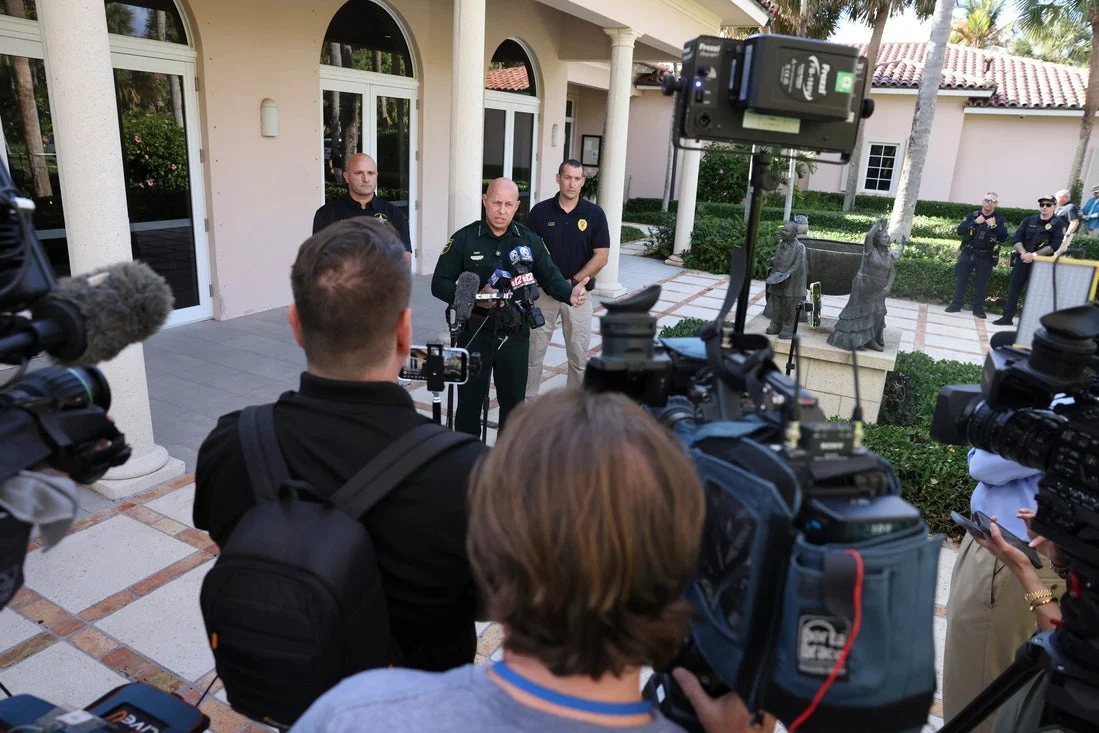
Golfer Tiger Woods is scheduled to appear in Martin County court on Wednesday for a change-of-plea hearing concerning his arrest for driving under the influence and property damage earlier this year. The hearing, listed on the court docket for 8:30 a.m. ET before Judge Darren Steele, marks a significant development in the legal proceedings that began with his rollover crash on Jupiter Island on March 27, 2026. This appearance requires Woods’ personal presence, a departure from standard status hearings where legal counsel can often represent the defendant.
The shift to a change-of-plea hearing suggests a potential resolution to the charges, which initially saw Woods enter a plea of not guilty. His attorney, Douglas Duncan, had previously requested a jury trial following that initial plea. However, a separate document filed by Duncan on the court docket describes the upcoming proceeding as a "plea conference," indicating a move towards an agreement or admission of guilt.
Background of the Incident
The legal drama stems from a single-vehicle rollover crash that occurred just after 2 p.m. on March 27, 2026, in the 200 block of Beach Road on Jupiter Island. According to official accounts and witness statements, Woods was driving his Mercedes-Benz SUV when the vehicle reportedly crossed over double solid lines. The affidavit further detailed that Woods swerved to avoid a pickup truck and its trailer, ultimately losing control of his vehicle and rolling over.
Deputies from the Martin County Sheriff’s Office were the first responders to the scene. Upon their arrival, they observed Woods exhibiting "signs of impairment." An arrest affidavit later released by the authorities revealed that Woods refused to submit to a lawful Breathalyzer or urine test, a decision that led to additional charges of refusal to submit to a lawful test. During the subsequent search of the vehicle and Woods’ belongings, deputies also recovered two hydrocodone pills.
Chronology of Events
The legal timeline following Woods’ arrest has been marked by several key developments:
- March 27, 2026: Tiger Woods is arrested on Jupiter Island following a rollover crash, subsequently charged with driving under the influence (DUI) with property damage and refusal to submit to a lawful test.
- Post-Arrest: Woods is detained at the Martin County Jail for the state-mandated eight-hour period before being granted bail.
- Subsequent Legal Proceedings: Woods enters a plea of not guilty to the charges.
- September 8, 2026: A status hearing is initially scheduled for this date, intended to review the progress of the case.
- Recent Development: The court docket is updated to reflect a change-of-plea hearing scheduled for Wednesday, October 14, 2026, at 8:30 a.m. ET.
Legal Implications and Precedents
The requirement for Woods’ personal appearance at a change-of-plea hearing underscores the seriousness of the proceedings. In such hearings, the defendant must directly address the court and enter their plea. This contrasts with a status hearing, where attorneys typically provide updates on discovery, evidence exchange, and potential settlement discussions.
The decision to pursue a "plea conference" could signify a strategic move by Woods’ legal team to mitigate potential penalties. DUI convictions, especially those involving property damage and refusal to submit to testing, can carry significant consequences, including license suspension, fines, mandatory education programs, and even jail time, depending on the jurisdiction and prior offenses.
Furthermore, the court previously granted Woods’ request to leave the country for treatment. Woods’ legal team argued that he needed to seek rehabilitation in a controlled environment outside the United States to "focus on my health." This granted departure highlights the court’s consideration of Woods’ well-being alongside the legal process, while also indicating the potential for the case to extend beyond the immediate jurisdiction.
Supporting Data and Context
Driving under the influence remains a significant public safety concern across the United States. According to data from the National Highway Traffic Safety Administration (NHTSA), in 2020, 11,654 people died in alcohol-impaired driving traffic fatalities, accounting for 30% of all traffic fatalities in the United States. While specific data for Florida in 2026 is not yet available, the trend of impaired driving fatalities has been a persistent issue.
The charges against Woods, DUI with property damage and refusal to submit to a lawful test, are common in impaired driving cases. Refusal to submit to a chemical test often carries its own set of penalties, typically including an automatic license suspension, regardless of whether the driver is ultimately convicted of DUI. This is because the implied consent laws in most states require drivers to submit to such tests upon reasonable suspicion of impairment.
The presence of hydrocodone pills in the vehicle, while not a direct charge in this instance, could be a factor considered by the court. Prescription drug impairment is a growing concern, and the effects of certain medications can significantly impair a driver’s ability to operate a vehicle safely.
Official Responses and Reactions
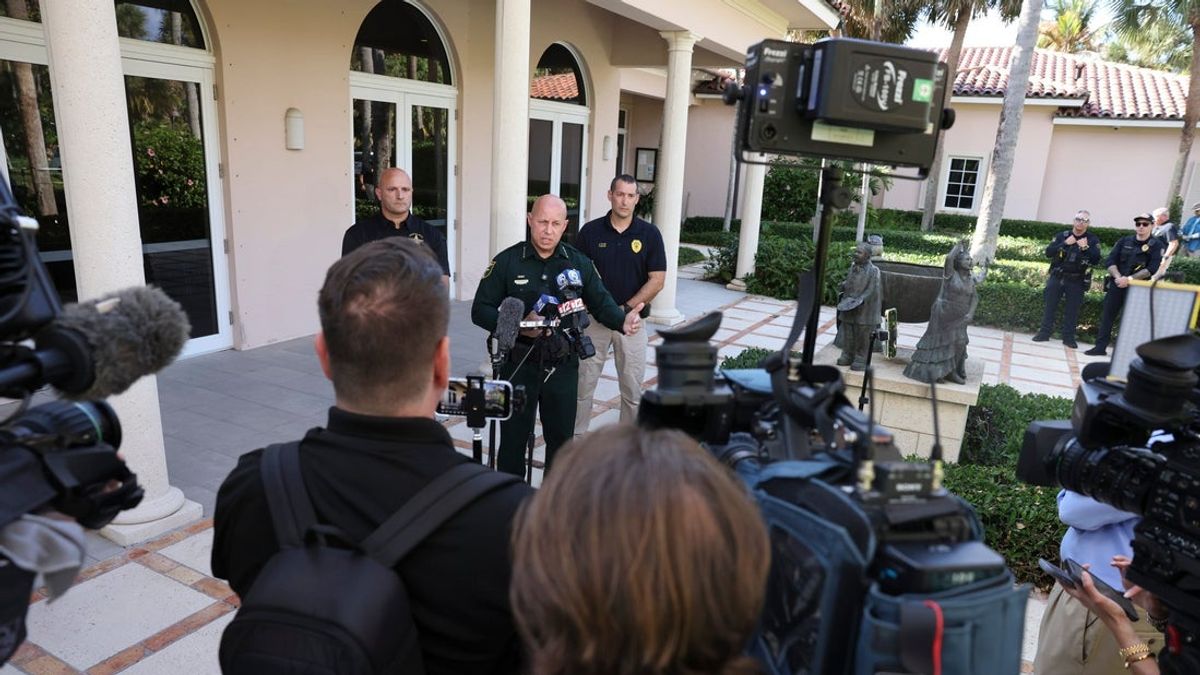
Martin County Sheriff John Budensiek, who spoke at a press conference following the incident, provided initial details about the crash and Woods’ condition. While no direct statements have been attributed to Sheriff Budensiek regarding the upcoming change-of-plea hearing, his office has been the primary source of information regarding the investigation and arrest.
Tiger Woods’ representatives have largely maintained a private stance regarding the ongoing legal proceedings. His attorney, Douglas Duncan, has been the primary conduit for legal updates, with the filing of the "plea conference" document being the most recent public communication from his legal team.
The broader sporting world and the public at large have reacted to the news with a mixture of concern and anticipation. Woods, one of the most recognizable and influential athletes globally, has faced significant personal and professional challenges throughout his career. His legal battles, coupled with his ongoing recovery from injuries, have been closely followed by fans and media alike.
Broader Impact and Implications
The outcome of this change-of-plea hearing could have several implications for Tiger Woods’ personal life, his career, and his public image. A favorable resolution, such as a plea agreement with reduced penalties, could allow him to continue his focus on rehabilitation and potentially a return to professional golf. Conversely, a less favorable outcome could lead to more significant legal repercussions, potentially impacting his ability to travel or participate in certain professional activities.
This case also serves as a reminder of the pervasive issue of impaired driving and the legal consequences associated with it, regardless of an individual’s public profile. The legal system is designed to hold all individuals accountable for their actions, and the proceedings involving Tiger Woods are no exception.
As the legal process unfolds, the Martin County court will weigh the evidence, the defendant’s plea, and any proposed agreements. The change-of-plea hearing represents a critical juncture in determining the ultimate resolution of the charges stemming from the March 27, 2026, rollover crash. The public and media will be observing the proceedings closely for any indications of the path forward for one of golf’s most iconic figures.




 admin
admin
 Lina Irawan
 Yuyun Lusiyani
 Nana Wu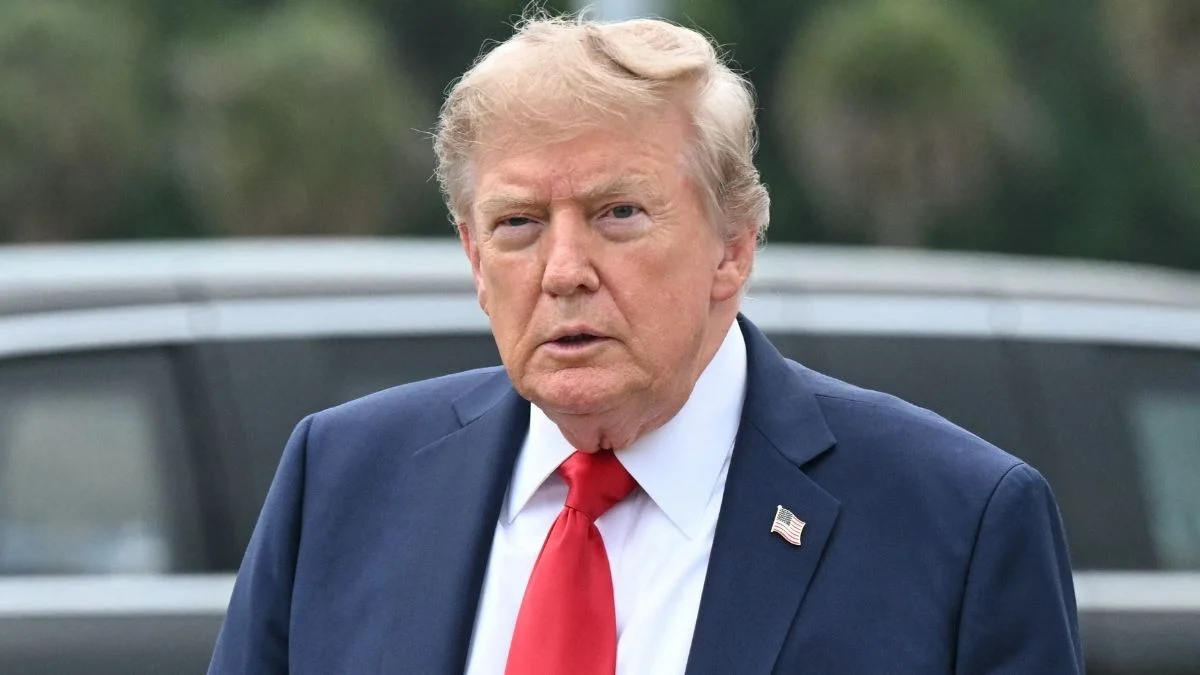
 Joko Widodo