
 admin
admin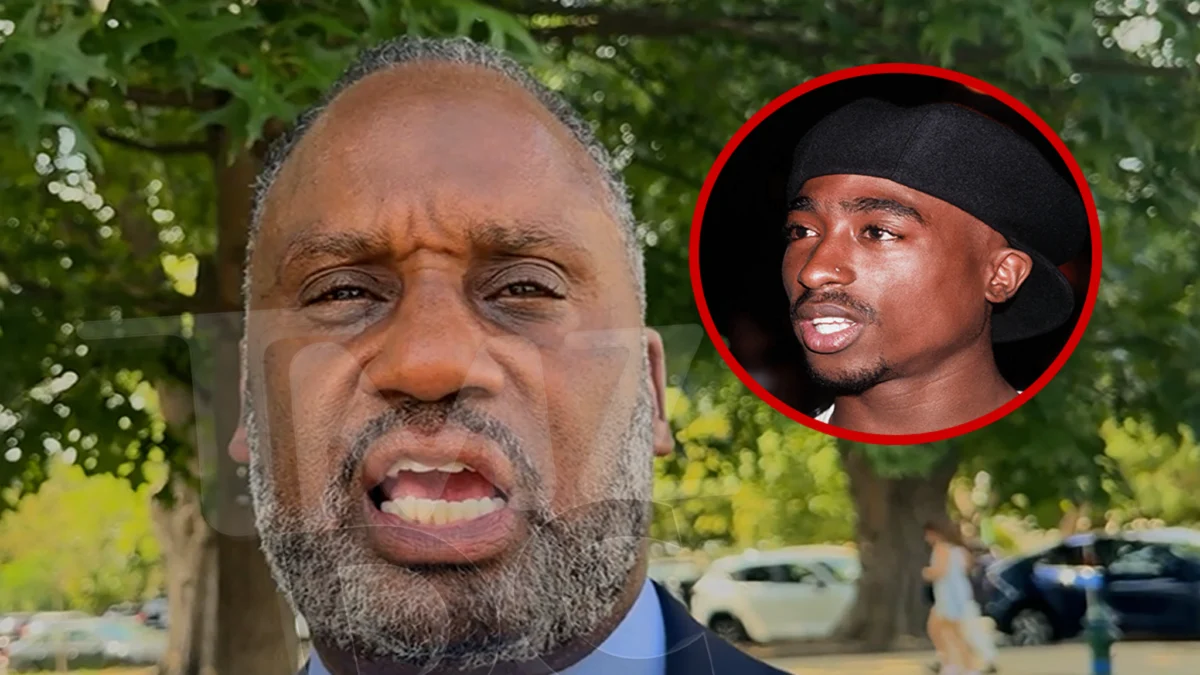
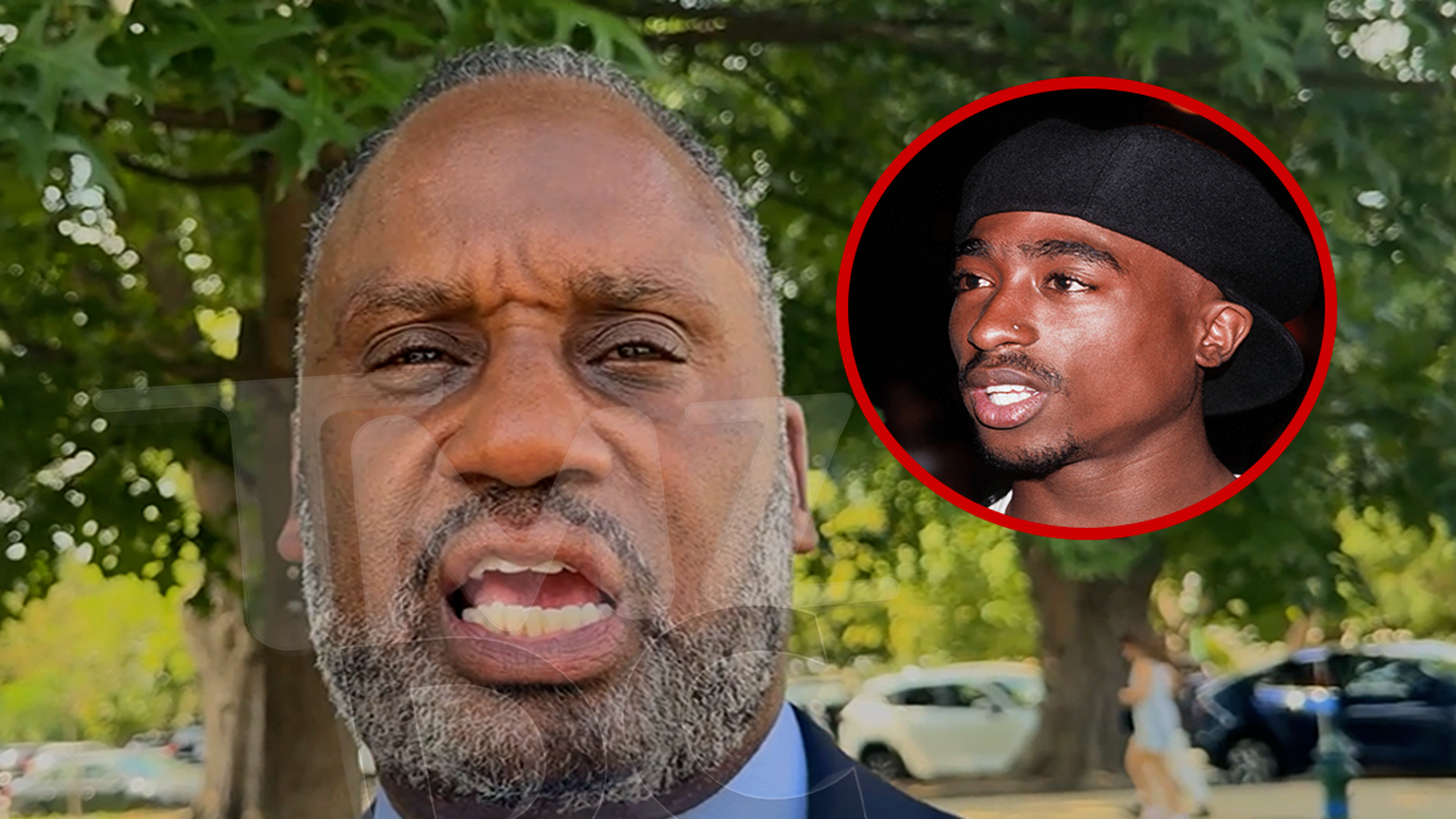
Congressman Jonathan Jackson (D-IL) expressed a potent mix of relief and profound frustration following the conviction of Duane "Keffe D" Davis for the 1996 murder of iconic rapper Tupac Shakur. Speaking from Capitol Hill on Tuesday, September 1, 2026, Jackson recounted the harrowing night he witnessed Shakur clinging to life, emphasizing that while justice has finally been served, its nearly three-decade delay underscores systemic inequities that often deny young Black men the full weight of justice as victims.
The verdict, delivered on August 31, 2026, found Davis guilty of first-degree murder, closing a chapter on one of hip-hop’s most enduring and publicly debated cold cases. For Jackson, the conviction brought back vivid, painful memories of September 7, 1996, when he and his father, civil rights leader Rev. Jesse Jackson, visited a critically wounded Tupac Shakur at University Medical Center in Las Vegas. Jackson described Shakur as being in "pretty bad shape," a scene etched into his memory. "I’ve prayed for this day," Jackson stated regarding the verdict, yet his sentiments were far from a celebration of law enforcement’s efforts, instead pointing to a long-overdue reckoning.
A Personal Witness to a Cultural Tragedy
The night of Tupac Shakur’s shooting unfolded with a dramatic intensity that mirrored the rapper’s public persona. On September 7, 1996, Shakur had attended a Mike Tyson heavyweight championship fight against Bruce Seldon at the MGM Grand Garden Arena in Las Vegas. Accompanied by Death Row Records CEO Suge Knight, Shakur left the arena following the fight. What began as a celebratory evening quickly descended into tragedy when, at approximately 11:15 PM, a white Cadillac pulled alongside Knight’s black BMW at a red light on Flamingo Road. Gunshots erupted from the Cadillac, striking Shakur multiple times.
News of the shooting sent shockwaves across the nation, particularly within the music industry and the Black community. Rev. Jesse Jackson, a prominent figure known for his civil rights activism and moral leadership, traveled to Las Vegas to offer support and prayer. He was granted access to Shakur’s hospital room, where the young congressman, then a younger man, accompanied him. Jonathan Jackson’s recollection of seeing Shakur in such a dire state provides a rare, firsthand account from a non-medical professional of the rapper’s final days, underscoring the severity of his injuries and the tragic inevitability of his passing six days later, on September 13, 1996, from respiratory failure and cardiac arrest. This personal connection lends significant weight to Jackson’s subsequent critique of the protracted investigation.
The Long Road to Conviction: A Chronology of a Cold Case
Tupac Shakur’s murder remained officially unsolved for nearly three decades, fueling countless theories, documentaries, and public speculation. The lack of an arrest became a symbol of perceived negligence or incompetence by law enforcement, especially given the high-profile nature of the victim.
- September 7, 1996: Tupac Shakur is shot four times in a drive-by shooting in Las Vegas, Nevada.
- September 13, 1996: Tupac Shakur dies from his injuries at University Medical Center. His death sparks widespread grief and intensifies the notorious East Coast-West Coast hip-hop rivalry, which many believe also contributed to the murder of Christopher "The Notorious B.I.G." Wallace just six months later.
- Years of Inaction: For decades, the official investigation by the Las Vegas Metropolitan Police Department (LVMPD) yielded no arrests. The case went cold, despite persistent public interest and numerous unofficial investigations. A significant challenge cited by authorities was the "code of silence" prevalent in gang-related crimes, making witness cooperation difficult.
- Keffe D’s Public Admissions: A turning point in the public narrative came with Duane "Keffe D" Davis’s increasingly public admissions. Davis, identified as a self-proclaimed former leader of the South Side Compton Crips, began speaking openly about his involvement and knowledge of the shooting. In his 2019 memoir, "Compton Street Legend," and in various interviews, Davis claimed he was in the car from which the fatal shots were fired and identified the shooter as his nephew, Orlando Anderson, who was killed in a separate shooting in 1998. These admissions, while widely known, did not immediately lead to an arrest, much to the frustration of many, including Congressman Jackson.
- Resurgence of the Investigation (2023): In July 2023, the LVMPD executed a search warrant at Davis’s home in Henderson, Nevada, signaling a renewed and serious effort to solve the case. This search reportedly uncovered evidence related to the murder.
- Arrest and Indictment (September 2023): On September 29, 2023, Duane "Keffe D" Davis was arrested and subsequently indicted by a grand jury on a charge of murder with a deadly weapon. Prosecutors argued that Davis, as the alleged "shot caller," orchestrated the killing in retaliation for an earlier altercation involving Tupac and his nephew.
- Trial and Conviction (August 31, 2026): After a protracted legal process, a jury found Davis guilty of first-degree murder. The conviction, nearly 30 years after Shakur’s death, represents a monumental development in a case that had long haunted the cultural landscape.
Critique of Law Enforcement and Systemic Issues
Congressman Jackson did not mince words when assessing the prolonged investigation. He pointed directly to Keffe D’s public admissions, arguing that if law enforcement had conducted "proper police work" and genuinely believed witnesses, the case could have been cracked "decades ago." This criticism echoes a sentiment widely held among the public and within the hip-hop community: that authorities either lacked the will or the resources to aggressively pursue justice for Tupac Shakur.
Jackson’s critique extends beyond the specific details of Shakur’s case, touching upon broader systemic issues within the American justice system. He lamented that young Black men, when they become victims of violent crime, "too often don’t get the full weight of justice." To illustrate his point, Jackson cited not only Tupac Shakur but also Christopher "The Notorious B.I.G." Wallace, whose murder also remains officially unsolved, and Nolan Wells.
Nolan Wells was a 13-year-old Black boy shot and killed in Chicago in 2012. His case, like many involving young Black victims in urban areas, drew the attention of Rev. Jesse Jackson, who advocated for justice and highlighted the disproportionate impact of gun violence on Black communities. By grouping these names, Congressman Jackson underscored a troubling pattern: that investigations into the deaths of Black men, particularly those in high-risk environments or involving gang affiliations, often face greater hurdles, including a perceived lack of urgency or thoroughness from authorities.
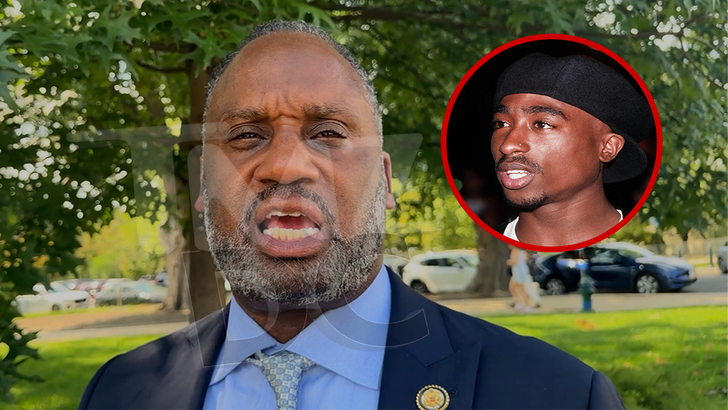
When directly asked if Tupac’s murder would have been solved sooner had he been white, Jackson refrained from making an explicit accusation of racial bias. However, he strongly implied that "authorities damn sure could’ve put more effort into the case," regardless of race. This nuanced statement suggests that while overt racism might not be the sole factor, a lack of prioritization or resources, potentially influenced by implicit biases or societal assumptions about the victims, can lead to justice being delayed or denied.
Statistics on cold cases and racial disparities in homicide clearance rates offer some context to Jackson’s concerns. Nationally, homicide clearance rates have been declining for decades, and studies often indicate that cases involving Black victims are less likely to be solved than those involving white victims. While many factors contribute to this disparity—including socioeconomic status, neighborhood characteristics, and community trust in law enforcement—the perception of unequal justice persists and is a deeply felt reality for many communities.
Reactions and Broader Implications
The conviction of Duane "Keffe D" Davis has elicited a range of reactions from various stakeholders:
- Tupac’s Family and Estate: While Tupac’s mother, Afeni Shakur, passed away in 2016, she spent years advocating tirelessly for justice for her son. The conviction, though coming after her death, represents a culmination of her enduring hope. The Shakur estate and remaining family members have yet to issue extensive public statements, but the verdict undoubtedly brings a measure of closure, even if tinged with the sadness of how long it took.
- Law Enforcement: The Las Vegas Metropolitan Police Department, under pressure for decades, can claim a significant victory. While acknowledging the lengthy process, officials have stated that the renewed investigation benefited from new technologies, a fresh look at old evidence, and, crucially, Davis’s own admissions, which provided the prosecutorial leverage needed. The case highlights the challenges of prosecuting cold cases, often relying on witnesses who may have been reluctant to come forward years ago or whose credibility might be questioned over time.
- Legal Experts: The conviction of Davis, largely based on his own public statements, sets a precedent for how past admissions can be used in cold cases. Legal analysts note the difficulty of building a case after so many years, requiring meticulous evidence gathering and compelling arguments to overcome the passage of time and potential witness memory degradation.
- The Public and Hip-Hop Community: For millions of fans worldwide, Tupac Shakur remains a cultural icon whose music and message continue to resonate. The conviction provides a sense of finality to a mystery that has long captivated and frustrated them. However, it also reignites calls for renewed attention to other unsolved cases, particularly the murder of The Notorious B.I.G., which shares many similarities with Shakur’s case in terms of its high profile and prolonged lack of resolution.
The implications of this conviction extend beyond the individuals involved. It serves as a powerful reminder of the enduring quest for justice, even across decades. It forces a critical examination of how law enforcement prioritizes and investigates cases, particularly when victims are from marginalized communities or involve complex, often gang-related, dynamics. Congressman Jackson’s impassioned remarks highlight that true justice is not just about a verdict, but also about timeliness and equitable application for all, regardless of race or background.
Nearly three decades after his untimely death, Tupac Shakur’s murder finally has a conviction tied to it. Yet, as Congressman Jonathan Jackson articulated, the lingering question remains: at what cost, and why did justice move so agonizingly slow? The verdict closes one chapter, but it opens another for reflection on the systemic challenges that continue to impede the pursuit of swift and equitable justice for all victims of violent crime.




 Lina Irawan
 Yuyun Lusiyani
 Nana Wu
 Joko Widodo