Nila Kartika Wati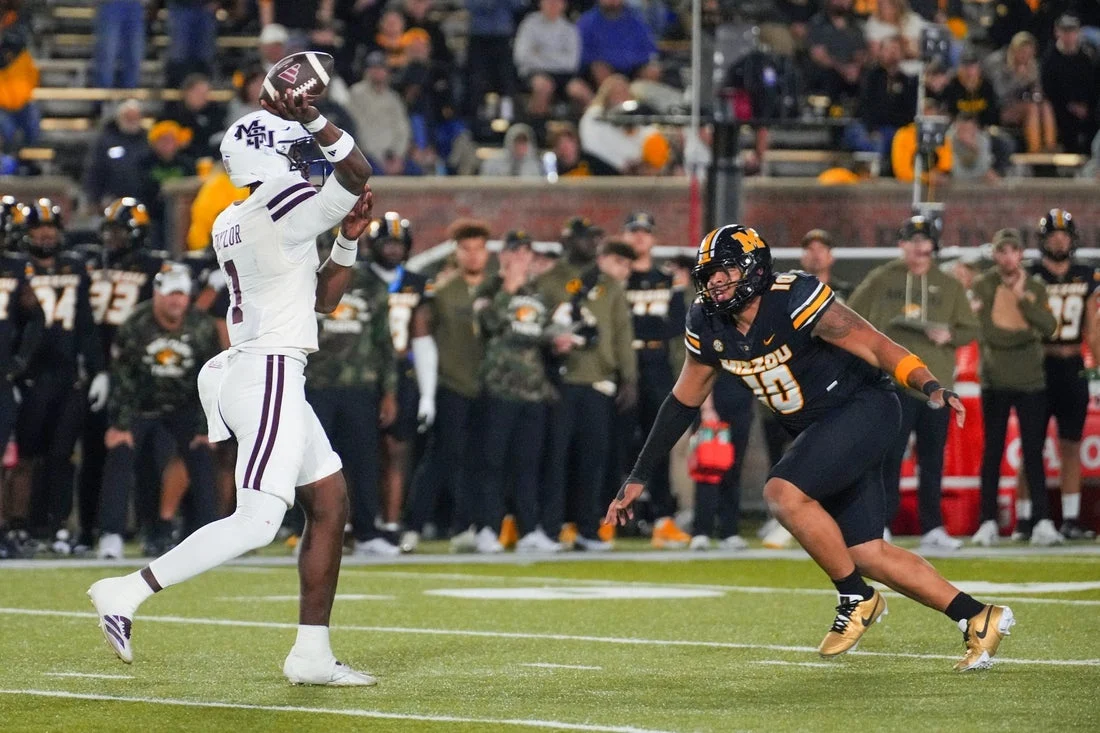
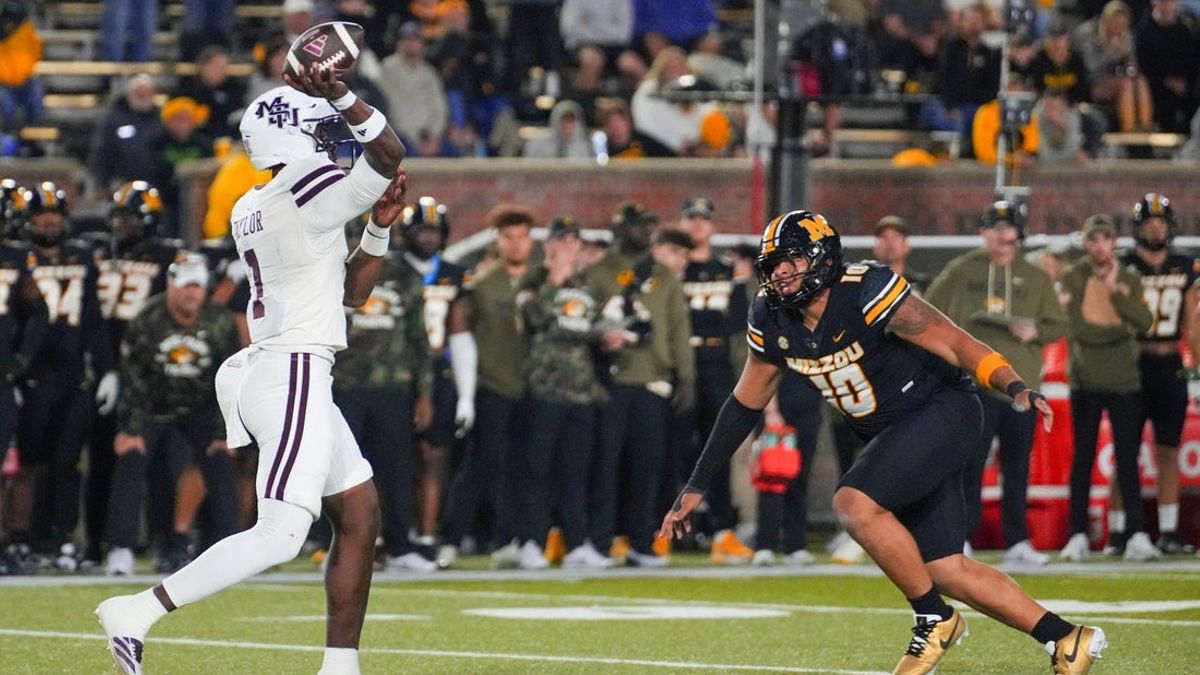
Defensive tackle Sterling Webb has officially been cleared to play his fifth year of college football for the Missouri Tigers following a significant court decision on Wednesday. A judge denied the NCAA’s motion to dismiss a temporary restraining order, paving the way for Webb to rejoin the team on the field. The ruling comes after Webb initiated legal action against the NCAA over its eligibility rules, specifically a new policy that grants college athletes five years of eligibility within a five-year period. As a high school graduate in 2022, Webb found himself excluded from the transitional provisions of this rule, leading to his lawsuit.
Background of the Eligibility Dispute
The NCAA’s "five-year clock" rule, implemented to standardize eligibility across collegiate sports, has become a point of contention for athletes who experienced disruptions due to the COVID-19 pandemic. While the NCAA initially offered a blanket eligibility waiver for the 2020 season, subsequent rule adjustments aimed to create a more structured five-year window. For athletes like Webb, who graduated high school in 2022, this meant their eligibility clock started ticking without the benefit of the pandemic-related extensions that might have applied to athletes who graduated earlier.
Webb’s collegiate career began at New Mexico State, where he played two seasons before transferring to Missouri. He made an immediate impact for the Tigers, starting eight games last season and three games in the current 2024 season. His continued participation in collegiate athletics hinges on the resolution of this eligibility challenge. The lawsuit filed by Webb argues that the NCAA’s implementation of the five-year rule unfairly penalizes athletes who, through no fault of their own, might find themselves outside the intended scope of the rule.
Chronology of Events Leading to the Ruling
The timeline of Webb’s eligibility dispute is crucial to understanding the legal and athletic implications.
- High School Graduation (2022): Sterling Webb graduated from high school, marking the beginning of his collegiate eligibility clock under standard NCAA regulations.
- NCAA Rule Implementation: The NCAA introduced its "five-year eligibility in five years" rule, with specific transition provisions. Athletes graduating in 2022 were generally not included in the transitional exceptions designed for earlier graduating classes.
- Transfer to Missouri: Webb transferred to the University of Missouri, continuing his academic and athletic career.
- Lawsuit Filed: Webb initiated legal proceedings against the NCAA, challenging the application of the eligibility rule that would have limited his remaining playing time.
- Temporary Restraining Order Granted: Prior to Wednesday’s hearing, Webb was granted a temporary restraining order, allowing him to participate in team activities while the legal battle ensued.
- NCAA Motion to Dismiss Denied: On Wednesday, a judge in St. Louis County, Missouri, denied the NCAA’s motion to dismiss the temporary restraining order. This denial effectively allows Webb to be eligible to play.
- SEC Coaches Teleconference (Wednesday): Missouri Head Coach Eli Drinkwitz learned of the court’s decision during the SEC coaches teleconference on Wednesday.
Reactions and Immediate Implications
Head Coach Eli Drinkwitz had previously indicated a willingness to accommodate Webb while the legal proceedings were ongoing. In July, he welcomed Webb back to practice, stating, "I accept that he is doing what he thinks is best for him." This sentiment reflects a common approach in college athletics where coaches often support their athletes through personal and legal challenges.
The timing of the ruling is particularly significant as No. 25 Missouri prepares to open its season on Thursday against Arkansas-Pine Bluff. The uncertainty surrounding Webb’s eligibility had cast a shadow over the team’s preparations. While the court’s decision grants him eligibility, Drinkwitz remained cautious about immediate game participation. "I’m just trying to figure out who’s eligible for our games — tomorrow," Drinkwitz remarked on Wednesday, highlighting the rapid nature of such rulings and the logistical challenges they present for coaching staff.
The decision to grant Webb a fifth year of eligibility has broader implications beyond just the Missouri Tigers roster. It raises questions about the NCAA’s rule-making process and its impact on individual athletes. The NCAA has historically strived for uniformity in its regulations, but legal challenges like Webb’s highlight the complexities of applying standardized rules to a diverse group of athletes with varied personal circumstances and collegiate paths.
Supporting Data and Precedents
While specific data on the number of athletes pursuing similar legal challenges against the NCAA is not readily available in public domain, cases involving eligibility disputes are not entirely uncommon. These often center on issues like transfer rules, medical hardship waivers, and, as in Webb’s case, the interpretation of eligibility clocks.
The NCAA operates under the assumption that its rules provide a fair and equitable framework for collegiate athletics. However, legal interventions can arise when athletes or their representatives believe these rules are being applied in a manner that is arbitrary, capricious, or otherwise unlawful. The success of such challenges often depends on the specific facts of the case, the jurisdiction of the court, and the legal arguments presented.
The court’s decision to deny the NCAA’s motion to dismiss suggests that Webb’s legal team presented a compelling argument that warranted further judicial review, or that the temporary restraining order’s criteria were met. This could be due to arguments related to irreparable harm or the likelihood of success on the merits of the case.
Broader Impact and Analysis
The eligibility ruling for Sterling Webb underscores the ongoing tension between the NCAA’s regulatory authority and the rights of individual student-athletes. As college sports continue to evolve, particularly with the rise of Name, Image, and Likeness (NIL) opportunities and increased athlete advocacy, the legal landscape surrounding eligibility and athlete welfare is becoming increasingly complex.
This case could serve as a precedent for other athletes who feel unfairly constrained by the NCAA’s eligibility rules. It highlights the potential for legal avenues to be utilized when internal appeals or regulatory processes are perceived as insufficient. For the NCAA, such rulings may prompt a re-evaluation of their rule-making procedures and how they address transitional periods and athlete-specific circumstances.
The immediate impact for the Missouri Tigers is the potential addition of a seasoned defensive tackle to their lineup. Webb’s experience, having started significant games at both New Mexico State and Missouri, could provide a valuable boost to their defensive front. However, his integration back into game-day readiness will be a key factor, as noted by Coach Drinkwitz.
Looking ahead, the NCAA may face increased scrutiny regarding the fairness and equity of its eligibility regulations. The outcome of Webb’s case, and any further legal developments, will be closely watched by college sports stakeholders, including athletes, coaches, administrators, and legal experts. The fundamental question remains: how can the NCAA best balance the need for consistent rules with the recognition of individual athlete circumstances in an ever-changing collegiate athletic environment? The court’s decision in Sterling Webb’s case offers a glimpse into the judiciary’s role in shaping that balance.


 Lina Irawan
 Yuyun Lusiyani
 Pevita Pearce
 admin
admin