
 admin
admin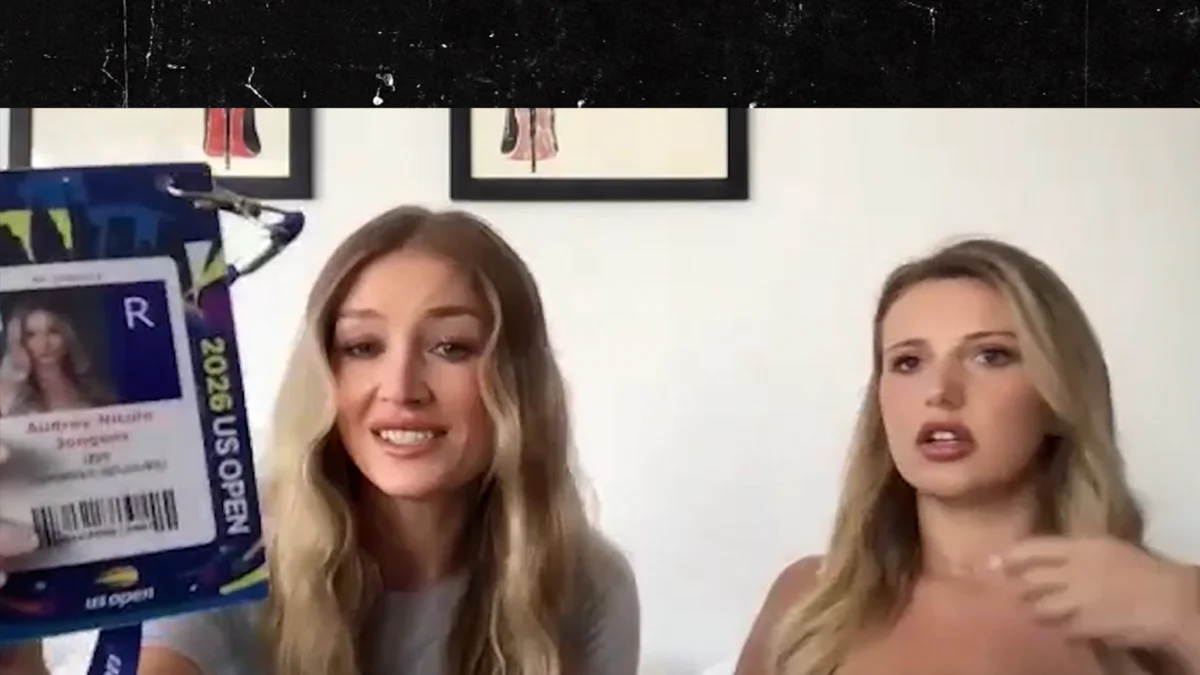
The Incident: A Rapid Revocation
Radice and Jongens arrived at the USTA Billie Jean King National Tennis Center in Flushing Meadows, New York, with high expectations. They had secured credentials through a partnership with one of the tournament’s on-site restaurants, intending to produce engaging content throughout the two-week event. This marked their fourth consecutive year attending the U.S. Open, though it was their first time with official media or partner access, a privilege they had reportedly coveted.
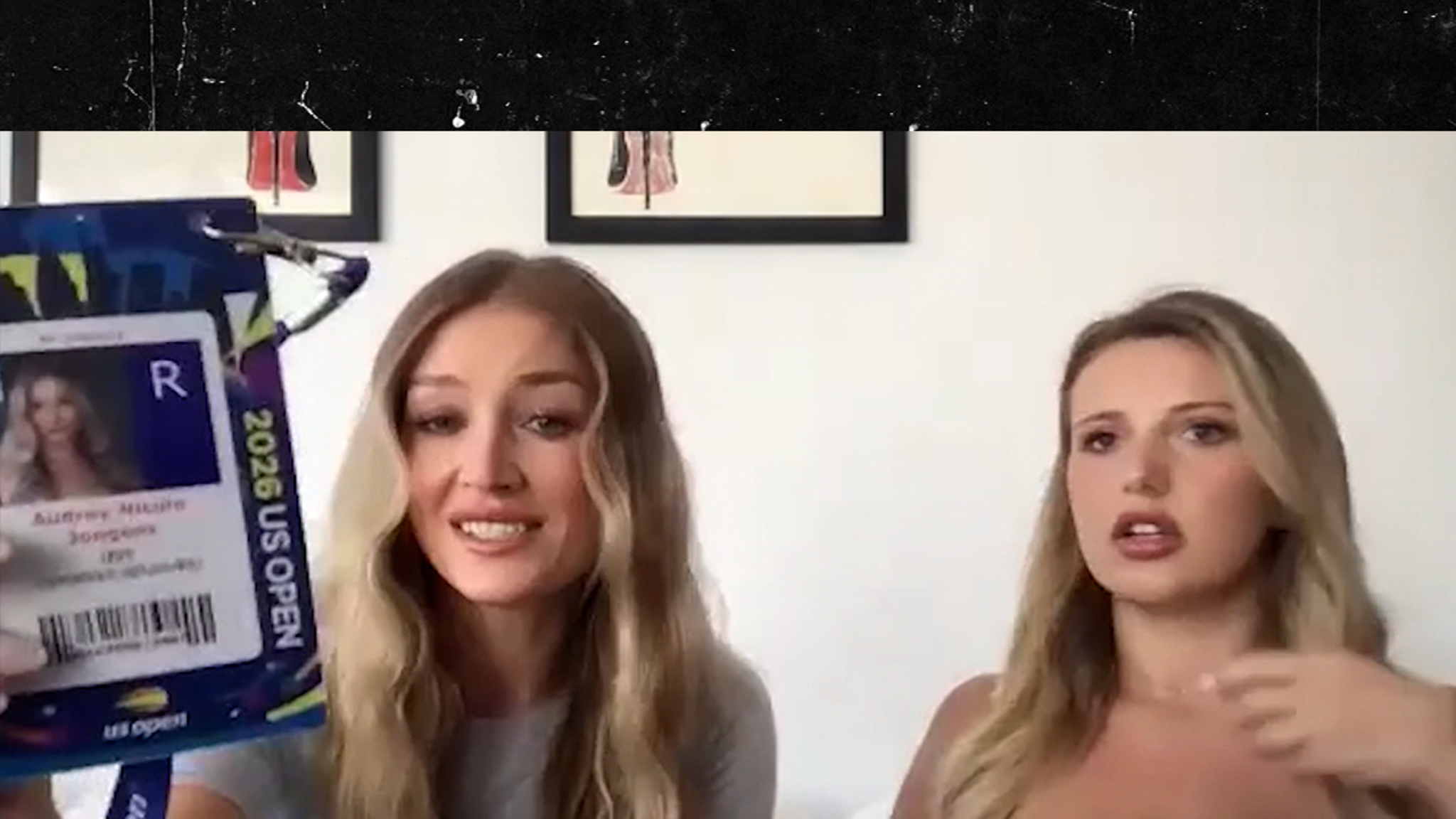
Upon receiving their coveted credentials, the influencers shared photographs of them on their Instagram Stories, a common practice among content creators keen to showcase their exclusive access and generate buzz among their followers. However, this act of sharing quickly backfired. According to their account provided to TMZ, after enjoying dinner and drinks at their partner restaurant, and before they had even reached the tennis courts to commence their planned content creation, they were informed that their credentials had been deactivated. Their access, granted just a few hours prior, was summarily stripped, leaving them outside the gates of one of the tennis world’s most significant events.
Background: The U.S. Open and the Value of Credentials
The U.S. Open is one of the four Grand Slam tennis tournaments, alongside the Australian Open, French Open, and Wimbledon. Held annually in late August and early September, it is a pinnacle event in the global sports calendar, attracting hundreds of thousands of spectators, elite athletes, celebrities, and a vast international media contingent. The tournament generates significant revenue, exceeding hundreds of millions of dollars annually, from ticket sales, sponsorships, broadcasting rights, and merchandise. Its economic impact on New York City and the wider region is substantial, supporting thousands of jobs and driving tourism.
Access to the U.S. Open, particularly through official credentials, is highly sought after. These passes are meticulously categorized, each granting varying levels of access to restricted areas such as player zones, media centers, hospitality suites, and specific court access. The issuance of credentials is a tightly controlled process, managed by the United States Tennis Association (USTA), which prioritizes security, operational efficiency, and the integrity of the event. Each credential typically bears unique identifiers, including names, affiliations, photographs, and sometimes QR codes or RFID chips, making them personal and non-transferable. The terms and conditions associated with these credentials are often extensive, detailing proper usage, prohibited actions, and consequences for misuse. While the specific clause regarding online display was not explicitly cited by the USTA, it is a widely understood security best practice at major events that credentials should not be publicly displayed in a manner that could compromise security, facilitate counterfeiting, or aid unauthorized access.
The Rise of Influencer Marketing and Event Security
The incident involving Radice and Jongens underscores a growing tension between traditional event security protocols and the burgeoning landscape of influencer marketing. In recent years, major sporting events, music festivals, and cultural gatherings have increasingly embraced social media influencers as a vital component of their promotional strategies. Influencers offer an authentic, peer-to-peer marketing channel, capable of reaching highly engaged niche audiences that traditional advertising might miss. Their content, often shared in real-time, creates a sense of immediacy and FOMO (fear of missing out), driving interest and attendance.
For events like the U.S. Open, partnerships with influencers can extend their reach beyond traditional sports media, tapping into lifestyle, fashion, and travel demographics. These collaborations often involve providing influencers with privileged access, unique experiences, and, crucially, official credentials. However, this integration also introduces new challenges. The very nature of influencer marketing – sharing experiences transparently and frequently with a digital audience – can inadvertently clash with stringent security policies.
Security at large-scale public events has become an paramount concern globally. Following various incidents worldwide, organizers are under immense pressure to implement robust security measures. This includes controlling access points, monitoring crowds, and preventing unauthorized entry. The public display of credentials, even seemingly innocuous photos, can provide malicious actors with information that could be exploited. This might include details about credential design, security features, or even the layout of the text, which could aid in creating counterfeit passes or identifying individuals with specific access levels. While Radice and Jongens insist their actions were purely innocent, motivated by enthusiasm, event security teams often operate under a zero-tolerance policy for actions that could be perceived as compromising safety or control.
The Influencers’ Plea and the USTA’s Unspoken Stance
Meg Radice and Audrey Jongens expressed profound regret and disappointment following their ejection. They stated they were unaware that posting photos of their credentials constituted a violation of any rules, attributing their actions to pure excitement. "We had no idea posting the credentials violated any rules," they told TMZ, emphasizing their genuine desire to share their experience with their followers. They had meticulously cleared their schedules, planning to attend the entirety of the two-week tournament, further highlighting their commitment and the unexpected nature of their expulsion.
Despite the setback, the influencers have adopted a conciliatory tone, eager to regain access. They affirmed their deep affection for the U.S. Open, calling it their "favorite sporting event," and insisted there was "no beef" with the organizers. Their appeal is direct and immediate: they "don’t even need an apology… they just want their credentials back." They even expressed willingness to accept an invitation from "anyone," including a "random person," if it meant re-entry into the tournament. This reflects both their passion for the event and perhaps an understanding of the potential damage to their brand if they were to adopt a confrontational stance.
As of the latest reports, the USTA has not issued an official statement regarding the incident. This silence is typical for major organizations dealing with specific security or credential-related issues, as public commentary could inadvertently reveal vulnerabilities or set precedents. However, the USTA’s actions — the swift revocation of access — speak volumes. It underscores a firm stance on credential integrity and event security. While they may not have explicitly communicated the rule against posting credentials online to the influencers, the general expectation at high-profile events is that all official passes are handled with discretion. The terms and conditions for credentials, often presented during the application or pickup process, typically include clauses about safeguarding the pass and not compromising event security. It is plausible that such a general clause covers actions like publicly displaying credentials.
Implications for Influencers and Event Organizers
This incident carries several implications for both the influencer community and major event organizers. For influencers, it serves as a stark reminder of the responsibilities that come with privileged access. The line between sharing engaging content and breaching security protocols can be thin, and a lack of awareness is rarely an acceptable defense in the eyes of event security. It highlights the critical need for influencers to thoroughly review and understand all terms and conditions associated with credentials and partnerships, and to proactively seek clarification on any ambiguous policies. This incident could lead to increased scrutiny of influencer behavior at future events, potentially resulting in more explicit guidelines or mandatory briefings for content creators receiving credentials.
For event organizers like the USTA, the situation presents a learning opportunity in refining their communication strategies with partners and influencers. While security protocols are paramount, ensuring that all credential holders, particularly those new to official access, are fully aware of specific prohibitions related to digital sharing could prevent similar incidents. This might involve clearer onboarding processes, concise "do’s and don’ts" checklists, or dedicated points of contact for influencer relations. Balancing the desire for viral social media promotion with the absolute necessity of maintaining security integrity is a continuous challenge that requires clear policy, effective communication, and consistent enforcement.
Furthermore, this event contributes to a broader dialogue about digital ethics and accountability in the influencer industry. As influencers gain more power and access, the expectation for professional conduct and adherence to established rules, even when unwritten or implicitly understood, increases. The incident at the U.S. Open serves as a case study in the evolving dynamics between traditional institutions and the new guard of digital media creators.
Looking Ahead: Deuces to the Tourney?
For now, Meg Radice and Audrey Jongens find themselves on the outside looking in, having effectively said "Deuces" to the tennis tourney. Their appeal to the U.S. Open, while publicly expressed, has not yet yielded any reported results. The likelihood of their immediate reinstatement remains uncertain, as event organizers are typically hesitant to reverse security-related decisions without significant justification, fearing it could undermine their authority or set a precedent.
The incident is a vivid illustration of the intersection of modern digital culture, the allure of exclusive access, and the unyielding demands of large-scale event security. While the influencers’ intentions may have been benign, the consequences underscore the seriousness with which major events treat any potential compromise to their operational integrity and attendee safety. As the U.S. Open continues without them, the "VIP List" will likely reflect on the lessons learned, navigating the complex landscape of digital content creation with a newfound appreciation for the fine print. The tennis world, meanwhile, continues to grapple with how to best integrate the power of digital media without compromising the foundational pillars of security and order.

 Nila Kartika Wati
 Jia Lissa
 Yuyun Lusiyani
 Pevita Pearce
 Nana Wu