
 admin
admin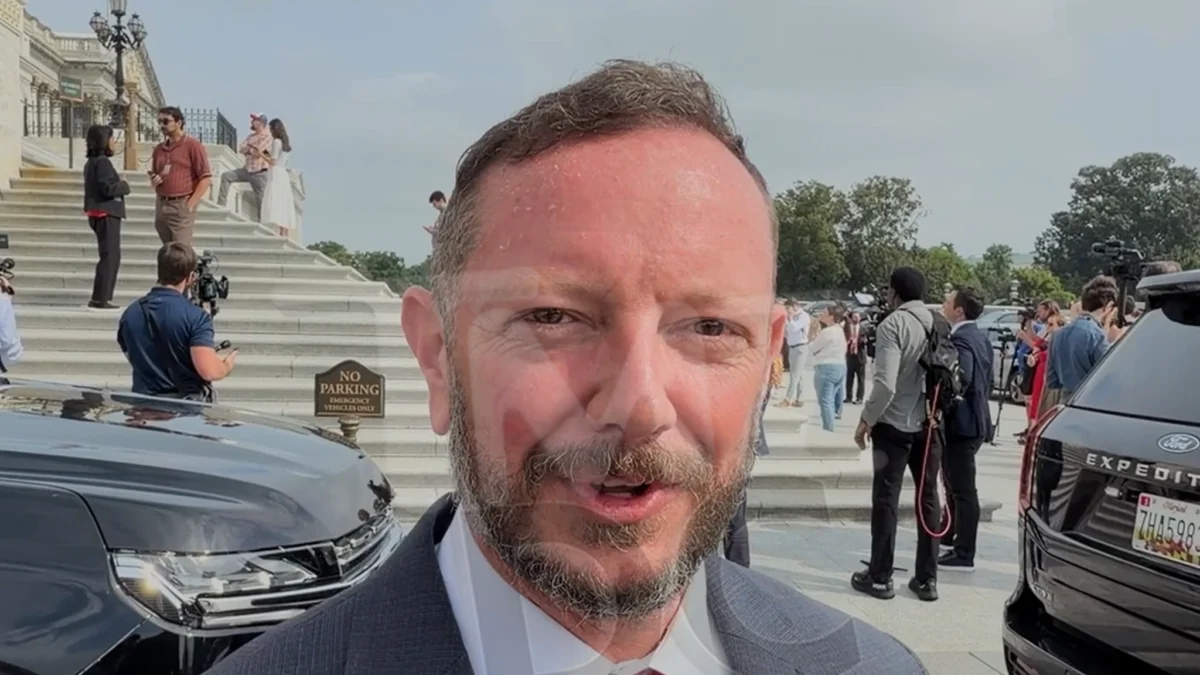
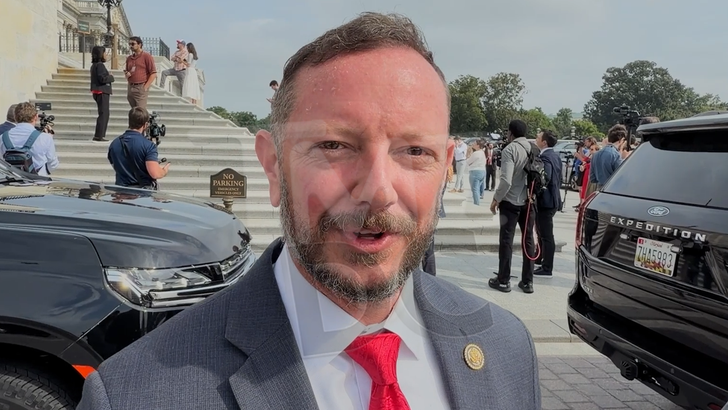
Washington D.C. – U.S. Congressman Eric Burlison (R-MO) ignited a spirited debate outside the U.S. Capitol on Thursday, September 3, 2026, when he levied sharp criticism against the Los Angeles Dodgers, branding them "the best team money can buy." The unscripted exchange, captured by TMZ D.C., saw the Missouri representative, a staunch St. Louis Cardinals fan, challenge the Dodgers’ massive payroll and recent successes against the backdrop of the Cardinals’ storied history, transforming a casual interview into an unexpected public sports commentary.
The incident unfolded on a seemingly ordinary Thursday morning in the nation’s capital. TMZ D.C. reporters, including Jacob Wasserman and Charlie Cotton, were engaging with members of Congress, seeking lighter insights beyond the typical political discourse. Charlie Cotton initiated the conversation with Congressman Burlison by posing a seemingly innocuous question about his preferred method of relaxation. What began as a "softball" query quickly escalated into a spirited defense of his beloved St. Louis Cardinals and a pointed critique of their perennial rivals, the Los Angeles Dodgers.
Burlison wasted no time in injecting a dose of baseball rivalry into the legislative atmosphere. His immediate response to Cotton’s question was unequivocal: "I follow TMZ, and I watch the Cardinals destroy the Dodgers." This declaration set the stage for a rapid-fire exchange that resonated far beyond the confines of Capitol Hill, quickly circulating across social media platforms and sports news outlets.
The core of Burlison’s argument pivoted on the significant financial disparity between the two Major League Baseball (MLB) franchises. He challenged the TMZ crew, asking, "Our payroll is [$92 million]. What’s your payroll?" The rhetorical question was swiftly answered by the stark reality of the Dodgers’ financial might: a staggering $336.5 million. This figure, representing one of the highest, if not the highest, payrolls in professional sports, served as the congressman’s primary cudgel in his verbal assault.
Jacob Wasserman, representing the Los Angeles perspective, quickly countered Burlison’s financial argument by emphasizing performance and results. "Payroll? It’s not about the payroll, okay? It’s about getting that W. World Series champs!" Wasserman retorted, alluding to the Dodgers’ recent championship successes. This common retort from fans of high-spending teams highlights the direct correlation many see between investment and on-field glory.
However, Congressman Burlison was prepared with a historical counter-argument, asserting the Cardinals’ superior legacy in the sport’s most coveted prize. "I think we have more than you. So I’m just, like, you could do a little bit of research. We actually have a lot more World Series wins," Burlison declared, effectively shifting the debate from recent dominance to historical prowess. He was factually correct: the St. Louis Cardinals boast 11 World Series championships, while the Los Angeles Dodgers hold 9. This historical perspective, often cherished by traditional baseball fans, served as Burlison’s ultimate "closer." He then delivered his definitive statement, encapsulating his critique: "The Dodgers have the best team money can buy."
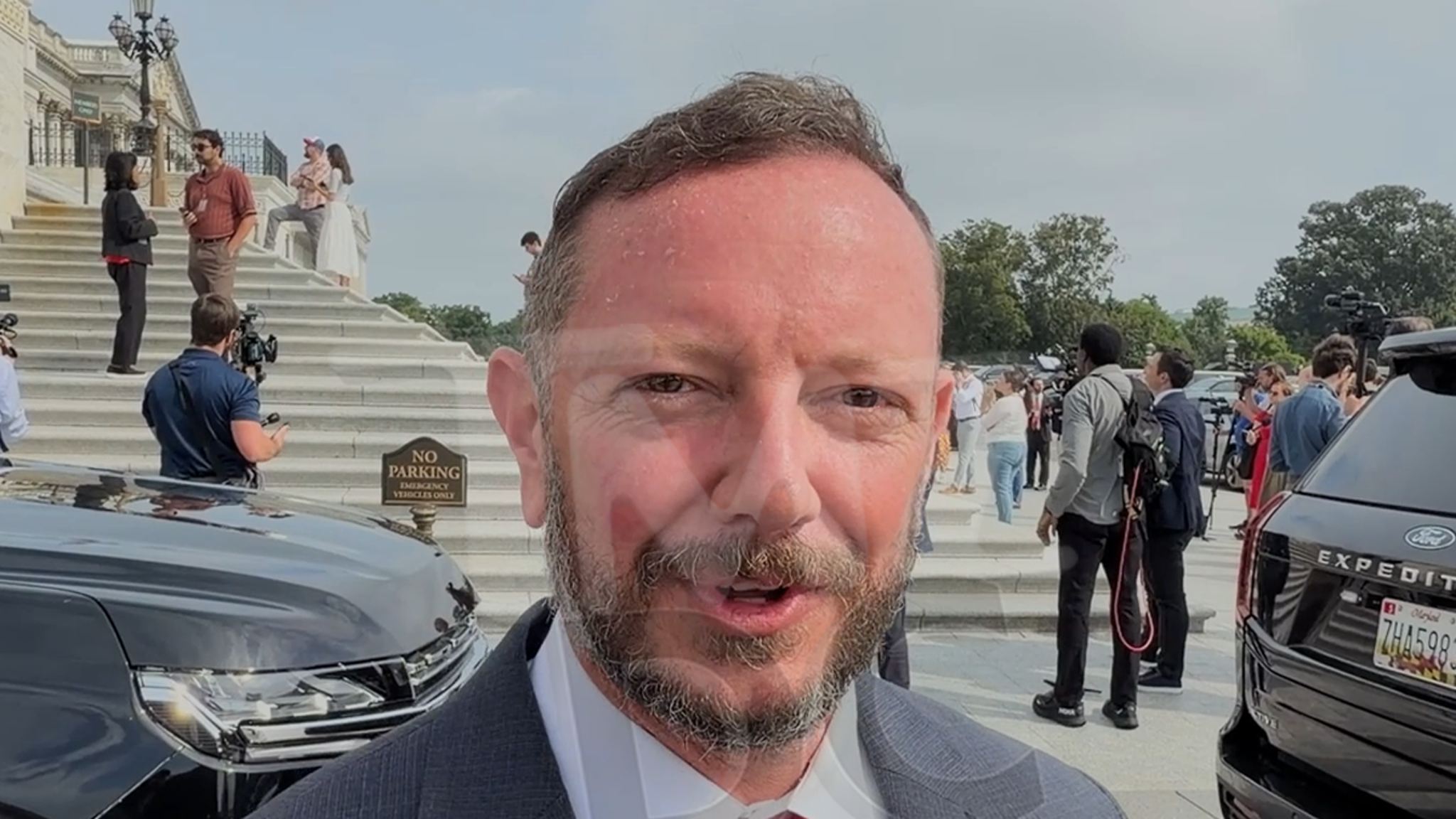
The Unscripted Exchange: A Detailed Chronology
The interaction, which took place on a bustling sidewalk outside the U.S. Capitol, provided a rare glimpse into the personal passions of a public official. The impromptu interview began with Charlie Cotton’s attempt to elicit a lighthearted response from Congressman Burlison, inquiring about his leisure activities. The congressman, representing Missouri’s 7th congressional district, immediately veered into his sporting allegiances, setting the tone for the ensuing debate.
Burlison’s initial comment about watching the Cardinals "destroy" the Dodgers was delivered with a playful yet firm conviction, signaling his deep-seated loyalty to the St. Louis franchise. This quickly transitioned into a more pointed discussion about team economics, a topic often debated among baseball enthusiasts. By contrasting the Cardinals’ reported $92 million payroll with the Dodgers’ formidable $336.5 million, Burlison tapped into a broader narrative within professional sports regarding financial fair play and competitive balance.
The subsequent back-and-forth with Jacob Wasserman underscored the core philosophical divide among sports fans: does success stem from shrewd management and organic talent development, or is it primarily a function of financial might? Wasserman’s quick pivot to "World Series champs" was a direct appeal to the ultimate measure of success in baseball, suggesting that the means (high payroll) are justified by the ends (championships).
Burlison’s riposte, referencing the Cardinals’ historical lead in World Series titles, highlighted a different metric of success – one rooted in enduring legacy rather than transient, albeit significant, contemporary achievements. His concluding statement, "The Dodgers have the best team money can buy," was not just a jab but a commentary on what he perceives as a fundamental aspect of the modern baseball landscape, where financial resources can often dictate competitive advantage. The entire interaction served as a compelling microcosm of the intense rivalries and deeply held beliefs that characterize America’s pastime.
Behind the Numbers: Financial Disparities in Major League Baseball
The payroll figures cited by Congressman Burlison are not merely abstract numbers; they represent fundamental aspects of MLB’s economic structure and competitive landscape. The Los Angeles Dodgers’ reported $336.5 million payroll for the 2026 season places them squarely at the top tier of professional sports spending, a position they have frequently occupied in recent years. This expenditure reflects a strategic approach by their ownership group, Guggenheim Partners, to assemble a roster replete with generational talent.
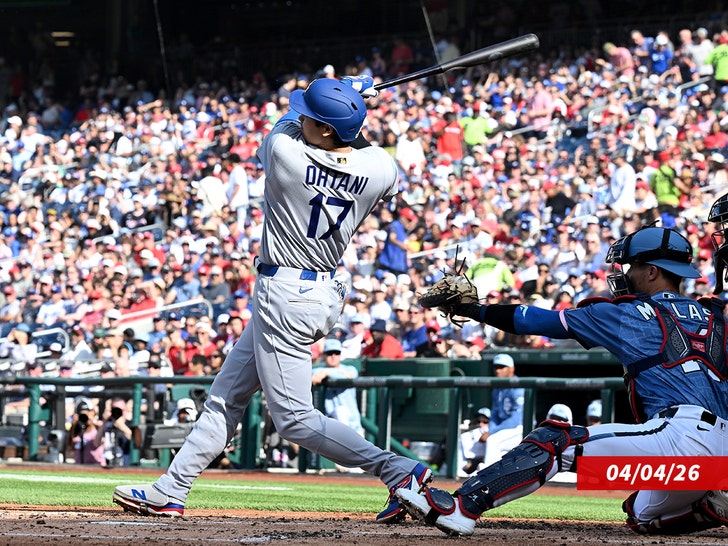
Since their acquisition of the Dodgers, Guggenheim has consistently demonstrated a willingness to invest heavily in marquee players. This strategy was exemplified by monumental contracts for stars like Mookie Betts, Freddie Freeman, and, most notably, Shohei Ohtani and Yoshinobu Yamamoto, whose record-breaking deals in prior seasons significantly inflated the team’s financial commitments. These investments are designed not just to win championships but also to create a global brand presence and maximize revenue through ticket sales, merchandise, and broadcasting rights.
In contrast, the St. Louis Cardinals, with their $92 million payroll, represent a more traditional MLB franchise model. While consistently competitive, the Cardinals typically operate with a mid-tier payroll, emphasizing a robust farm system and player development. Their success often relies on identifying and cultivating talent internally, supplementing with strategic, often less extravagant, free-agent signings. This philosophy is deeply ingrained in the organization’s culture and is often lauded by fans who appreciate a perceived "purer" form of team building.
The vast difference in payrolls between the two teams – the Dodgers’ being over 3.6 times that of the Cardinals – sparks perennial debates about competitive balance in MLB. The league operates under a "luxury tax" system, officially known as the Competitive Balance Tax (CBT), which penalizes teams for exceeding predetermined spending thresholds. However, for a franchise with the financial muscle of the Dodgers, these penalties are often viewed as a cost of doing business, a necessary expense to maintain a championship-contending roster. Critics argue that such disparities undermine the integrity of the competition, creating an uneven playing field where smaller-market teams struggle to keep pace. Proponents, however, contend that high spending reflects commitment to winning and generates excitement, benefiting the league as a whole.
A Legacy Measured in Rings: Historical Performance
Congressman Burlison’s appeal to historical World Series counts highlights a crucial dimension of baseball rivalry that transcends contemporary payrolls or recent winning streaks. The St. Louis Cardinals, with their 11 World Series championships, possess one of the richest and most enduring legacies in Major League Baseball. Founded in 1882, the franchise has cultivated a reputation for consistent excellence and a fiercely loyal fan base known as "Cardinal Nation."
Key eras in Cardinals history include the Gas House Gang of the 1930s, the Stan Musial-led teams of the 1940s and 50s, the Bob Gibson-era dominance of the 1960s, and more recent triumphs in 1982, 2006, and 2011. This sustained success across multiple generations has solidified the Cardinals’ position as one of baseball’s most respected and decorated franchises. Their emphasis on fundamental baseball, strong pitching, and community engagement often resonates with fans who value tradition and long-term stability over flash and extravagance.
The Los Angeles Dodgers, while slightly trailing the Cardinals with 9 World Series titles, also boast an illustrious history that spans both coasts. Originating as the Brooklyn Atlantics in 1883 and later becoming the Brooklyn Dodgers, the franchise moved to Los Angeles in 1958, ushering in a new era of West Coast baseball. The Dodgers’ legacy includes iconic figures like Jackie Robinson, who broke baseball’s color barrier, and a consistent commitment to innovation and social progress within the sport.
Their championships include the Brooklyn title in 1955, followed by multiple victories in Los Angeles, most recently in 2020. The Dodgers have often been at the forefront of player development and international scouting, bringing stars like Fernando Valenzuela and Hideo Nomo to prominence. While their recent spending habits have drawn attention, their historical foundation is built on a tradition of competitive baseball and cultural impact.
Burlison’s point about the Cardinals having "a lot more World Series wins" directly challenges the notion that the Dodgers, despite being the "team of the moment" with massive financial backing, can claim superior overall historical success. This aspect of the debate speaks to the heart of what many fans cherish: the long-term narrative and the enduring spirit of a franchise, not just its current financial clout.
Reactions and Broader Implications
Congressman Burlison’s candid remarks quickly transcended the realm of sports commentary, touching upon political messaging, regional pride, and the very nature of public discourse in the digital age. For Burlison, a representative from Missouri, aligning himself with the St. Louis Cardinals is a shrewd move that resonates deeply with his constituency. Missouri is unequivocally Cardinals country, and voicing support for the local team, especially against a high-spending rival like the Dodgers, can be a powerful way for a politician to connect with voters on a personal, relatable level. It humanizes the often-staid image of a Washington D.C. official and taps into the fierce regional loyalties that baseball often inspires. His critique of the Dodgers’ "money can buy" philosophy also subtly aligns with a populist sentiment that often views excessive spending with skepticism.
While no official statement from the Los Angeles Dodgers organization was immediately available, the team’s typical response to such criticisms would likely be to let their on-field performance speak for itself. A franchise that consistently invests heavily in talent aims for championships, and in the high-stakes world of professional sports, results are the ultimate validation. Dodgers fans, accustomed to their team’s financial might and recent successes, would likely dismiss Burlison’s comments as sour grapes from a rival fan, focusing instead on the team’s competitive drive and star power.
The incident also highlights the evolving role of media outlets like TMZ in capturing candid moments from public figures. In an era of constant connectivity and viral content, even a brief, unscripted exchange can quickly become a national talking point, blending the worlds of politics, sports, and entertainment. This dynamic underscores the increasing scrutiny public figures face and the potential for off-the-cuff remarks to shape public perception.
Beyond the immediate reactions, Burlison’s comments reignite the perennial debate within MLB about the influence of money on competitive balance. While the league strives for parity, the economic realities of large-market versus small-market teams often create significant disparities. This leads to philosophical questions about what constitutes "fair" competition and whether a team’s ability to "buy" talent ultimately devalues the sport. For many purists, the ideal of baseball revolves around skill, strategy, and team chemistry, not simply who can outspend whom. For others, the ability to attract and compensate top talent is a testament to a franchise’s ambition and commitment to its fan base.

Precedent and Parallels
The intersection of politics and sports commentary is not new, and Congressman Burlison’s remarks fit into a long tradition of public figures leveraging their platforms for sporting allegiances or rivalries. From presidents throwing out first pitches to senators making friendly wagers on championship games, sports often provide a common ground for politicians to connect with the electorate beyond policy debates. However, Burlison’s direct and pointed criticism of a specific team’s financial model goes a step further, subtly intertwining economic philosophy with sports fandom.
Historically, political figures have often used sports to demonstrate relatability or to rally regional pride. For example, former President Barack Obama was famously a Chicago White Sox fan, and his occasional comments on MLB often garnered attention. Similarly, governors and mayors frequently engage in friendly banter about their state’s or city’s teams. What makes Burlison’s interaction notable is its raw, unvarnished nature, delivered directly to a pop culture news outlet, eschewing the more formalized settings often chosen for political-sports crossovers.
This event serves as a reminder that sports are deeply embedded in the cultural fabric of the United States, often transcending traditional divides. Yet, as Burlison’s comments demonstrate, they can also become a battleground for regional identity, economic principles, and historical pride. The debate over whether success is earned through fiscal prudence and player development or simply purchased through massive investments is a foundational one in professional sports, and it appears to resonate as strongly on the steps of the Capitol as it does in any ballpark bleacher.
Conclusion
Congressman Eric Burlison’s impromptu "trashing" of the Los Angeles Dodgers outside the U.S. Capitol on September 3, 2026, provided a memorable and unexpected moment, blending the worlds of Washington D.C. politics with the fervent passion of America’s pastime. His sharp critique, centered on the Dodgers’ monumental payroll versus the St. Louis Cardinals’ more modest spending and superior historical World Series count, ignited a spirited debate that reverberated across national media.
The exchange underscored the enduring tension within professional sports between financial might and historical legacy, and the deeply personal connection fans, including public officials, have to their teams. While the Dodgers’ strategy of investing heavily in superstar talent has yielded significant recent successes, Burlison’s comments served as a powerful reminder that for many, the narrative of a franchise is measured not just in current wins or financial muscle, but in its long-term heritage and the perceived integrity of its approach. This candid moment not only humanized the Congressman but also reaffirmed the potent cultural force of baseball rivalries, proving that even in the serious corridors of power, the call of the ballpark can still provoke the most impassioned responses.



 Joko Widodo
 Lina Irawan
 Jia Lissa
 Yuyun Lusiyani
 Pevita Pearce