
 Eva Lovia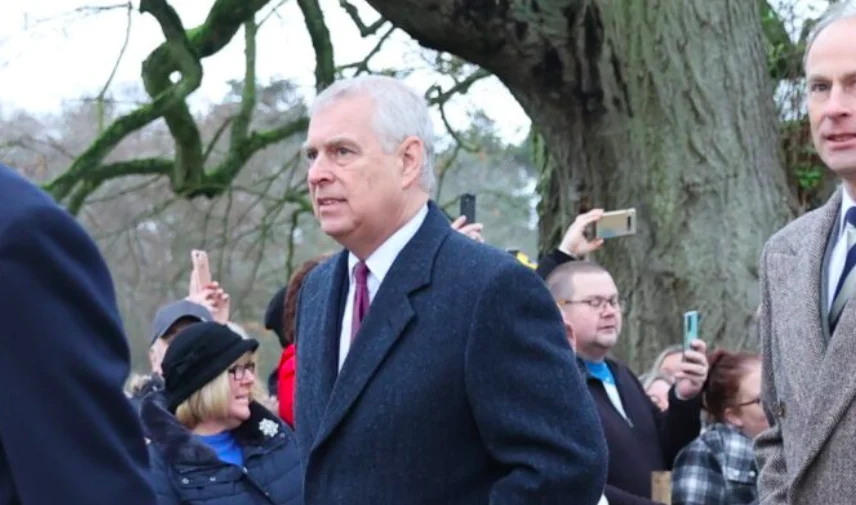
The future of the Royal Lodge, the expansive Windsor Great Park residence formerly occupied by Prince Andrew, is set to transition from a royal tenancy to a commercial lease, presenting a potential tenant with a staggering annual upkeep bill estimated at around £400,000. This significant property, boasting 30 rooms, has stood vacant since Prince Andrew’s departure in February, a move prompted by the fallout from revelations concerning his association with the late convicted sex offender Jeffrey Epstein. The Duke of York subsequently relocated to a more modest dwelling on the King’s Sandringham estate in Norfolk.
The Crown Estate is poised to assume control of the lease when Prince Andrew’s current agreement concludes in October. Prospective tenants will not only be subjected to rigorous security assessments but will also need to provide concrete evidence of their capacity to shoulder the substantial financial burden associated with maintaining the historic estate. The Royal Lodge is far more than a mere country house; it encompasses multiple outbuildings, a swimming pool, and critically, the Royal Chapel of All Saints, situated within its grounds. Any new leaseholder will be contractually obligated to grant access to members of the Royal Family for use of the chapel, underscoring the continued royal connection to the property despite its changing occupancy.
The apparent lack of interest from any other member of the Royal Family in assuming the lease has cleared the path for the Crown Estate to seek a private, commercial tenant for what is undeniably one of Windsor’s most distinctive and prestigious properties. This situation is further coloured by the property’s unusual financial history, which has previously drawn considerable public and official scrutiny.
A Complex Financial History and Scrutiny
Prince Andrew’s initial acquisition of the lease for the Royal Lodge involved a payment of £1 million. Following this, his annual rent was reduced to a nominal “peppercorn” payment, contingent on it being demanded. In addition to this remarkably low ground rent, the Duke of York also contributed a further £7.5 million towards significant refurbishments that were completed in 2005. These substantial investments in the property’s infrastructure and aesthetics have contributed to its current condition and allure.
Adding another layer of complexity to the financial narrative, a National Audit Office (NAO) investigation, published in June, brought to light that Prince Andrew had been receiving an undisclosed private income derived from subletting three cottages located on the Royal Lodge estate. This subletting arrangement had reportedly been in place for over two decades, a period during which the full extent of this income stream remained private.
While the precise amount earned by Prince Andrew from these subletting activities was not officially disclosed, property experts have offered estimates that shed light on the potential scale of this income. Robin Edwards, a property buying agent, previously suggested that comparable cottages within the Windsor estate could command monthly rents ranging from £2,500 to £5,000 each. Extrapolating these figures, three such cottages could have potentially generated an annual rental income of between £90,000 and £180,000. This income would have been generated irrespective of the nominal rent paid for the main lodge, suggesting a significant supplementary financial benefit for the Duke of York over many years.
The contrast between Prince Andrew’s former arrangement, which potentially involved substantial rental income from sublet properties alongside a nominal lease cost for the main residence, and the property’s future under a commercial lease is striking. The incoming tenant will inherit the responsibility for a grand mansion with a formidable annual maintenance bill, estimated at £400,000. Simultaneously, the Crown Estate is now positioned to secure a commercial lease for one of the most unique residences within the Windsor landscape, a move that could generate significant revenue for the Crown.
Chronology of Key Events
The situation surrounding the Royal Lodge and Prince Andrew’s residency has unfolded over a period marked by significant developments:
- Early 2000s: Prince Andrew reportedly secured the lease for the Royal Lodge. Subletting of cottages on the estate is believed to have commenced during this period, continuing for over two decades.
- 2005: Significant refurbishments were completed at the Royal Lodge, with Prince Andrew contributing £7.5 million towards the cost.
- Late 2019/Early 2020: Revelations concerning Prince Andrew’s association with Jeffrey Epstein intensify, leading to increased public and media scrutiny of his affairs.
- November 2019: Prince Andrew steps down from public duties following a disastrous BBC interview regarding his connections to Epstein.
- February 2022: Following the settlement of a civil sexual assault lawsuit brought against him in the United States, Prince Andrew vacates the Royal Lodge. He subsequently takes up residence in a more modest property on the King’s Sandringham estate in Norfolk.
- June 2022: The National Audit Office (NAO) publishes a report revealing Prince Andrew’s undisclosed private income from subletting cottages at the Royal Lodge.
- October 2022: Prince Andrew’s current lease agreement for the Royal Lodge is scheduled to conclude, with the Crown Estate expected to take control of the property and begin seeking a new commercial tenant.
This timeline highlights the gradual shift in the status of the Royal Lodge, from a royal residence to a property facing a new commercial future, influenced by both financial arrangements and public controversies.
Supporting Data and Context
The Royal Lodge, a Grade II listed building, was originally built in the 17th century and has undergone numerous alterations and expansions over the centuries. Its substantial size and extensive grounds contribute to its significant upkeep requirements. The estimated £400,000 annual maintenance bill is not an arbitrary figure; it reflects the cost of maintaining a property of this scale, which includes extensive gardens, multiple outbuildings, a swimming pool, and the structural integrity of a historic building. This figure would likely encompass costs such as landscaping, property repairs, security, utilities, and specialized conservation work required for a listed building.
The historical financial arrangements for royal properties often involve complex agreements between the Crown Estate, royal family members, and various government bodies. Prince Andrew’s lease, with its nominal rent and significant refurbishment contribution, reflects a unique historical agreement. The "peppercorn" rent, while seemingly negligible, is a traditional form of land tenure where a token payment is made annually. However, the substantial refurbishment costs indicate a significant personal investment by the Duke of York in making the property habitable and suitable for his use.
The subletting of cottages on royal estates is not entirely unprecedented, but the prolonged nature and the undisclosed private income generated from these arrangements have raised questions about transparency and the financial management of royal assets. The NAO report’s findings underscore the need for greater clarity in such matters, particularly when public funds or publicly managed assets are involved, even indirectly.
Broader Impact and Implications
The decision to lease the Royal Lodge to a private commercial tenant signifies a departure from its traditional use as a royal residence. This shift has several potential implications:
- Financial for the Crown Estate: A commercial lease for such a prestigious property could generate substantial revenue for the Crown Estate, which manages a diverse portfolio of land and property on behalf of the monarch. This revenue can then be channelled back to the Treasury, contributing to public finances.
- Public Perception and Royal Finances: The public’s attention will undoubtedly remain on the Royal Lodge, given its association with Prince Andrew and the controversies surrounding him. The manner in which the lease is managed and the type of tenant secured will likely be subject to public interest. The contrast between the Duke of York’s previous arrangements and the new commercial lease will be a point of discussion regarding the financial stewardship of royal assets.
- Security and Access: The requirement for future tenants to allow access to the Royal Chapel of All Saints highlights the ongoing importance of the property for royal services. This will necessitate careful coordination between the tenant and the Royal Household to ensure seamless access for religious ceremonies and family events. Security considerations for the property and its occupants will also be paramount, given its royal connections and the potential for public interest.
- Future of Royal Residences: The move away from a royal occupancy at the Royal Lodge may signal a broader trend in how certain royal properties are managed. As the Royal Family evolves and estate management practices are reviewed, the Crown Estate may increasingly look towards commercial opportunities for properties that are no longer central to royal duties or residences.
The transition of the Royal Lodge from a royal home to a commercial lease presents a complex scenario, intertwining historical royal patronage with modern property management and financial transparency. The ultimate success of this new chapter for the Royal Lodge will depend on securing a suitable tenant capable of meeting the property’s significant demands and on the continued transparency in its management.



 Nana Wu
 Amara Maple
 Joko Widodo
 admin
admin
 Nila Kartika Wati