
 Yuyun Lusiyani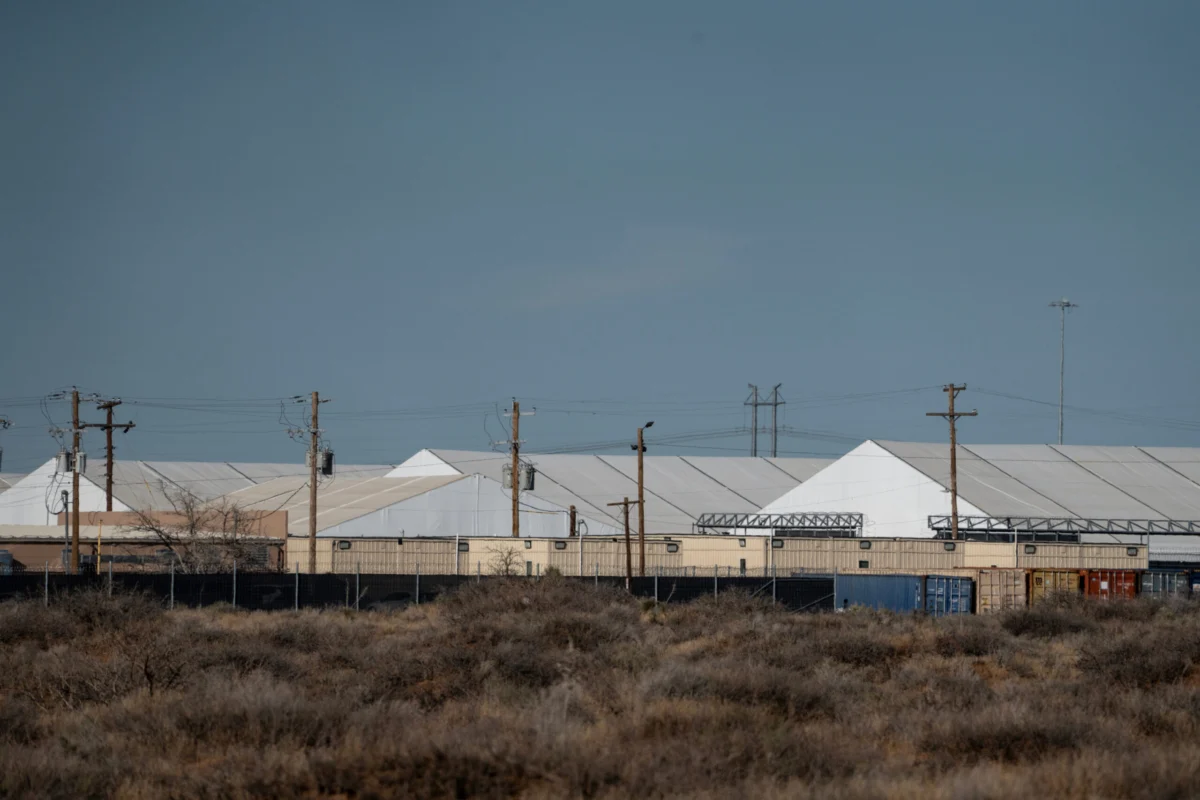
The first emergency call concerning a detainee attempting self-harm at Camp East Montana, an immigration detention center in El Paso, Texas, emerged barely a month after the facility began housing immigrants. It was 2:50 p.m. on Friday, September 12, 2025, when a chilling request for aid pierced the routine, setting the stage for a protracted period of alarmingly frequent medical and mental health crises. The call provided an immediate, stark contradiction to the facility’s intended role as a streamlined model for mass deportations under the Trump administration.
In the audio recording of that initial 911 call, a nurse from the facility relayed an urgent situation: "We have a patient currently in holding who is saying he’s got suicidal ideations, swallowed some foreign object, has refused our basic medical care here." The raw sound of moaning and yelling in the background underscored the gravity of the emergency. The nurse elaborated on the detainee’s deteriorating state, describing him as "unable to speak and rolling on the floor in agonizing pain, holding his stomach." A preliminary X-ray had confirmed the presence of a foreign object, necessitating immediate transfer to the nearest hospital for verification and potential surgical removal. This incident was not an isolated event but a grim precursor to a pattern of distress and alleged neglect that would come to define Camp East Montana.
The Troubled Genesis of Camp East Montana
Camp East Montana was established on barren military land with an ambitious, albeit controversial, mandate: to serve as a flagship facility for the Trump administration’s escalated deportation efforts. Envisioned as an efficient hub for processing and detaining immigrants, it quickly became a focal point for what could go catastrophically wrong within the U.S. immigration detention system. Despite persistent allegations of inhumane conditions and systemic abuse, which Department of Homeland Security (DHS) officials have consistently dismissed as "categorically false," the facility remains operational. As reported by The Associated Press, Immigration and Customs Enforcement (ICE) has extended its contract for Camp East Montana, planning to keep it running at least through September 30, 2027, rejecting calls from human rights organizations and advocates for its closure.
The operational backdrop for Camp East Montana is the broader landscape of immigration detention in the United States, a system often criticized for its reliance on private contractors, its opaque nature, and its documented struggles with providing adequate medical and mental healthcare. Facilities like Camp East Montana operate largely out of public view, making external oversight challenging and often dependent on whistleblowers, legal challenges, and investigative journalism to expose internal conditions. The El Paso region, situated on a critical international border, is a high-volume area for immigration, placing immense pressure on detention infrastructure and resources.
A Deadly Span: Three Deaths in Six Weeks
The severity of conditions at Camp East Montana became tragically evident during a six-week period between December 2025 and January 2026, when three men died while in custody. This grim statistic positioned Camp East Montana as one of the deadliest detention centers in the country at the time, drawing significant scrutiny and raising profound questions about the standard of care and oversight within the facility.
The first fatality was Francisco Gaspar-Andres, a 48-year-old Guatemalan national, who died on December 3, 2025, due to liver and kidney failure. His death, initially reported by ICE as resulting from "suspected natural causes," highlighted the vulnerability of detainees with pre-existing medical conditions within a detention environment.
Just over a month later, on January 3, 2026, Geraldo Lunas Campos, a 55-year-old Cuban national with a documented history of mental illness, died following an altercation with guards over his medication. A medical examiner later ruled Lunas Campos’s death a homicide, a finding that dramatically contradicted initial official accounts. The Trump administration initially claimed Lunas Campos had experienced "medical distress." However, DHS officials later revised their statement, acknowledging that "guards had used force to keep him from killing himself." This shifting narrative raised serious concerns about transparency and accountability regarding incidents within the facility.
Less than two weeks after Lunas Campos’s death, on January 15, 2026, Victor Manuel Díaz, a 36-year-old Nicaraguan man, was found unresponsive with a piece of fabric around his neck. Díaz had been detained during "Operation Metro Surge" in Minneapolis, underscoring the broad geographic reach of individuals funneled into facilities like Camp East Montana. The circumstances surrounding his death remain shrouded in questions, as his autopsy report has not been made public, further fueling demands for greater transparency and independent investigation into detainee deaths.
Investigative Journalism Uncovers Hidden Realities
Months of dedicated reporting, including a joint investigation by ProPublica and The Texas Tribune, aimed to shed light on the pervasive issues at Camp East Montana. The investigation, published in July, delved specifically into the death of Geraldo Lunas Campos. It revealed that Lunas Campos had repeatedly voiced concerns about his mental health during his detention. Despite staff allegedly acknowledging the need for a higher level of care and repeatedly stating they were working to transfer him to a more suitable facility, such a transfer never materialized. This failure to act on documented mental health needs points to systemic deficiencies in assessing and responding to vulnerable detainees.
To understand the facility’s emergency response protocols and the broader patterns of distress, the investigating reporter obtained more than 160 emergency call recordings through public records requests. This trove of audio, coupled with interviews with staff, government officials familiar with the facility, former detainees, lawyers, and advocates, painted a detailed and often disturbing picture of life inside Camp East Montana. The emergency calls, though difficult to listen to, offer an invaluable, unfiltered glimpse into a facility largely inaccessible to external scrutiny, serving as a critical window into the daily realities and challenges faced by both detainees and, at times, the medical staff themselves.
Official Responses and Contrasting Narratives
In response to inquiries about the reporting and the specific 911 calls, a spokesperson for DHS did not comment on the particular incidents but offered a generalized defense of the facility’s operations. The spokesperson asserted that Camp East Montana provides "comprehensive medical services, including mental health services." They added that detainees requiring a higher level of medical care are referred to local emergency services "as needed." Strikingly, the official also claimed that for many immigrant detainees, the healthcare received while in custody is "the best they’ve gotten in their lives."
This official narrative stands in stark contrast to the raw accounts embedded within the emergency calls and the testimonies of detainees and advocates. Critics argue that such broad assertions fail to address the specific, documented failures in care and the tragic outcomes that have occurred within the facility. They highlight a disconnect between policy statements and the practical implementation of healthcare services in detention settings.
Voices from Inside: A Deeper Look at Emergency Calls
The collection of 911 calls reveals recurring themes of medical neglect, mental health crises, and a desperate struggle for adequate care.
October 12, 2025: "They will not give them medical treatment."
Just two months into its operation, detainees at Camp East Montana were reportedly so desperate for medical attention that their friends and relatives resorted to calling 911 on their behalf. On October 12, 2025, a man from North Texas placed three such calls, pleading for emergency care for his partner, who was suffering from kidney stones. The 911 operator’s bewildered question, "Why isn’t the facility calling?" was met with a scathing indictment of the center’s care: "Because they don’t care. They don’t care about any of the detainees. They will not give them medical treatment; they don’t care. … He does not like to go to the hospital. So when he is saying he is in emergent pain at a level of 10 out of 10 and he needs to go to the emergency room, it is no joke; it has got to be very, very serious."
This external plea for help underscores a profound lack of trust in the facility’s internal medical processes and suggests that detainees and their loved ones perceived the internal system as unresponsive or unwilling to provide necessary care. An ACLU declaration from December 2025, made by a 32-year-old Venezuelan man identified by the pseudonym Xavier, who fits the profile of the detainee with kidney stones, corroborates this sentiment. Xavier stated he had initiated a hunger strike due to a lack of information about his case and court dates, describing his experience: "Being here feels like torture. I feel like this experience is finishing me emotionally and physically. I don’t feel like I can survive for another month at this place. They treat us like animals." Such declarations provide crucial context to the distress calls, illustrating the psychological and physical toll of detention.
November 2, 2025: "We don’t have any oxygen for her."
In some emergency calls, the medical providers at Camp East Montana themselves voiced frustration and alarm over their limited resources and capacity to treat patients. On November 2, 2025, a nurse from the facility dialed 911 regarding a 46-year-old woman with COVID-19 experiencing severe shortness of breath and dropping oxygen saturation levels. The nurse’s urgent plea highlighted a critical deficiency: "But the issue is we don’t have any oxygen for her, especially if she does start desaturating even more. She just doesn’t look good."
Further into the call, the nurse revealed a concerning delay in care: "Apparently she’s been sick for the last couple of days and she’s asked to be brought into the clinic and they hadn’t brought her in. She was just brought in today, bless her heart, so I’m just worried about her." This admission points to a systemic failure to provide timely medical attention, even for potentially life-threatening conditions like severe COVID-19, raising questions about internal triage processes and the prioritization of detainee health.
February 28, 2026: "Was this accidental or intentional?"
Even after the deaths of three detainees, the emergency calls continued to flow from Camp East Montana. On February 28, 2026, a nurse informed an emergency operator, "OK, we have a guy who’s overdosed. He’s a detainee." The 60-year-old man had only recently arrived at the facility, and details about what he had ingested were sparse, though someone had witnessed him "popping pills" and stumbling approximately an hour prior. The operator’s immediate follow-up question, "Was this accidental or intentional?" was met with a stark and unsettling response: "Intentional."
This incident underscores the persistent and severe mental health challenges faced by detainees, many of whom arrive with pre-existing conditions or develop acute distress due to the realities of detention. The intentional overdose indicates a profound level of despair and highlights the inadequacy of mental health screening and support systems within the facility, particularly for new arrivals.
Broader Implications and Ongoing Concerns
The events at Camp East Montana reflect broader systemic issues within the U.S. immigration detention apparatus. The repeated emergency calls, the tragic deaths, and the detailed investigative findings collectively paint a picture of a system struggling to uphold its fundamental responsibility for the care and safety of those in its custody.
One significant implication is the critical need for enhanced oversight and accountability. The lack of transparency, coupled with official denials in the face of mounting evidence, creates an environment where abuses and neglect can persist unchecked. Independent monitoring bodies, regular unannounced inspections, and transparent reporting of incidents, including all detainee deaths and serious medical emergencies, are crucial steps towards ensuring humane treatment.
The mental health crisis within detention centers is another pressing concern. Immigrants often arrive having experienced trauma in their home countries, during their journeys, or both. The stress of indefinite detention, separation from family, and uncertainty about their future can exacerbate existing mental health conditions or trigger new ones. The incidents at Camp East Montana, particularly the suicide attempt and intentional overdose, highlight the urgent need for robust mental health screening, comprehensive psychological support services, and clear protocols for transferring individuals to facilities equipped to handle severe mental health needs.
Furthermore, the allegations of medical neglect, ranging from delayed care for kidney stones to a lack of basic life-saving equipment like oxygen, underscore a potential deficiency in medical resources and staffing. While ICE states it provides "comprehensive medical services," the emergency calls suggest gaps in immediate care capabilities and a potential reluctance to transfer detainees to external hospitals promptly, despite clear medical necessity.
The continued operation of Camp East Montana, with its contract extended through 2027, despite the documented history of fatalities and emergency calls, signifies a broader policy challenge. Critics argue that the prioritization of detention capacity over detainee welfare undermines the ethical foundations of the immigration system. Advocacy groups and human rights organizations continue to call for the closure of facilities with documented histories of abuse and neglect, advocating instead for community-based alternatives to detention that are proven to be more humane and cost-effective.
The revelations from Camp East Montana serve as a sobering reminder that behind policy debates and statistical reports lie individual lives, often vulnerable and desperate for basic human dignity and care. The 911 calls, in their raw and unedited form, are not just recordings of emergencies; they are urgent pleas for attention to a system that, for many, has become a place of profound suffering rather than temporary holding. The ongoing scrutiny of facilities like Camp East Montana remains vital to hold the system accountable and push for reforms that prioritize the well-being of all individuals within its purview.


 Pevita Pearce
 Eva Lovia
 Nana Wu
 Amara Maple
 Joko Widodo