
 Pevita Pearce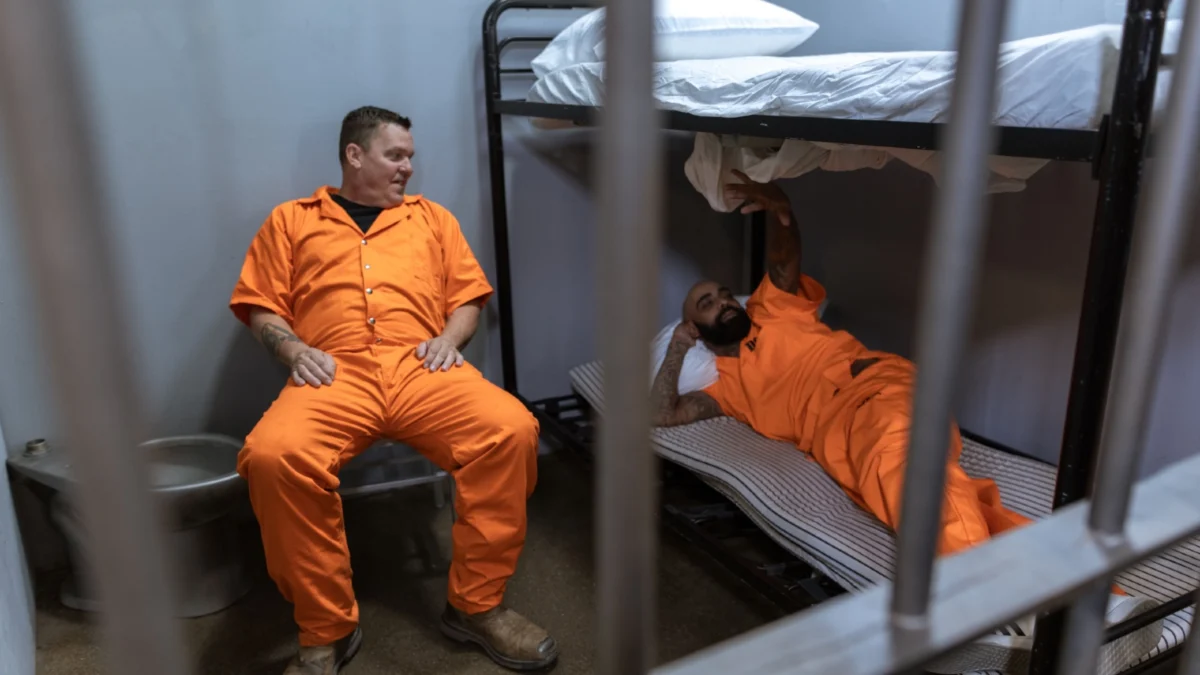
In an unprecedented display of community support and restorative justice, a group of incarcerated men at the Norton Correctional Facility has successfully raised thousands of dollars to alleviate the financial burden of unpaid student meal accounts within the Norton Community Schools district. The donation, which totaled $4,267, was presented to school officials at the conclusion of the 2025-2026 academic year, providing a significant reprieve for families struggling with food insecurity in northwest Kansas. The funds specifically targeted the "unsettled lunch debt" accumulated by Norton Community Schools (USD 211), a public district that provides essential nutrition to hundreds of students daily. By the end of the school year, the district’s deficit had reached approximately $6,000, a figure that reflects a growing national trend of school meal debt following the expiration of pandemic-era federal assistance programs.
The fundraising effort was spearheaded by the Norton chapter of Reaching Out From Within (ROFW), an inmate-led organization dedicated to personal transformation and the promotion of nonviolent behavior. Through a coordinated internal campaign, the incarcerated members of the group collected $3,810 from their own modest earnings and personal accounts. This contribution was further bolstered by staff members of the Kansas Department of Corrections (KDOC), who donated an additional $457 to the cause. The total sum was delivered to Superintendent Corey Roy by a delegation of nearly 30 men, marking a rare moment of direct positive interaction between the correctional population and the local educational system.
The Economic Context of School Lunch Debt in Kansas
To understand the impact of this donation, it is necessary to examine the fiscal landscape of public school nutrition. Norton Community Schools, like many rural districts in the Midwest, serves a population where agricultural fluctuations and limited industrial diversity can lead to periods of acute financial stress for families. When a student’s family is unable to pay for breakfast or lunch, the district continues to provide the meals to ensure the child does not go hungry during the school day. However, the costs of these meals do not disappear; they accumulate as "debt" on the district’s balance sheet.
In the state of Kansas, school meal programs are primarily funded through a combination of federal reimbursements from the U.S. Department of Agriculture (USDA) and payments from families. While students from households meeting specific low-income thresholds qualify for free or reduced-price meals, many families fall into a "coverage gap"—they earn too much to qualify for federal aid but not enough to consistently cover the rising costs of school meals, which have been impacted by significant food price inflation over the last several years.
The $6,000 debt reported by USD 211 at the end of the 2025-2026 cycle represents a significant portion of the district’s discretionary operating budget. When lunch debt remains unpaid, districts are often forced to use general fund money—which would otherwise be spent on textbooks, teacher salaries, or classroom technology—to cover the shortfall. By erasing over 70% of this debt, the inmates of Norton Correctional Facility have effectively redirected resources back into the classroom.
The Role of Reaching Out From Within (ROFW)
The organization behind the fundraiser, Reaching Out From Within, was founded on the principle that long-term rehabilitation requires incarcerated individuals to take accountability for their past actions while contributing positively to the society they hope to re-enter. The ROFW program operates in several facilities across Kansas and is unique because it is largely peer-led. Members participate in weekly "blue card" meetings where they discuss behavioral changes, emotional intelligence, and strategies for community service.
The decision to target school lunch debt was born out of a collective desire among the inmates to address the needs of the most vulnerable members of the Norton community: children. For many of the men involved, the issue of food insecurity was personal. Statistical data from the Department of Justice often highlights that a significant percentage of the incarcerated population comes from backgrounds marked by poverty and lack of access to basic resources. By addressing school hunger, the members of ROFW sought to break a cycle they themselves may have experienced.
The fundraising process within a correctional facility is a testament to the commitment of the participants. Inmates in the Kansas correctional system typically earn very low wages for their labor, often ranging from a few cents to a little over a dollar per hour for facility maintenance, laundry, or food service roles. To reach a total of $3,810, the men had to sacrifice significant portions of their limited income over an extended period.
Chronology of the Fundraising Campaign
The initiative began in the early months of 2026, as ROFW members became aware of the rising debt levels in the local school district. The following timeline outlines the progression of the campaign:
- January 2026: ROFW leadership at Norton Correctional Facility identifies local school lunch debt as their primary community service target for the year. They begin petitioning the facility administration for permission to hold a formal fundraising drive.
- February – April 2026: The "Inmate Trust Fund" system is utilized to allow participants to authorize transfers from their personal accounts to the ROFW charity fund. During this period, the group holds internal awareness sessions to encourage contributions.
- May 2026: As the school year nears its conclusion, KDOC staff members at Norton observe the inmates’ dedication and launch a parallel staff-led collection to supplement the total.
- June 2026: The final tally is confirmed, and a meeting is arranged between the Kansas Department of Corrections and USD 211 administration.
- September 2026: Superintendent Corey Roy visits the facility to officially accept the donation and speak with the men involved in the project.
Official Responses and Community Impact
Superintendent Corey Roy expressed profound gratitude for the donation, noting that the gesture reached far beyond the monetary value of the check. During his visit to the facility, Roy engaged in one-on-one conversations with the donors, many of whom expressed a renewed sense of purpose through the act of giving.
"I was moved at how the men wanted to make a positive impact to help others in the community," Roy stated following the presentation. "I was very appreciative to have the chance to talk to them as a group, but also individually to hear how this made them feel to help someone else. I wanted them to know that they made a difference in a positive way."
Roy further emphasized the psychological weight lifted from families within the district. For parents who have spent the year worrying about an growing balance on their child’s account, the news that a significant portion of that debt had been cleared by an anonymous—and unlikely—group of donors provided immense relief.
From the perspective of the Kansas Department of Corrections, the event serves as a successful case study in restorative justice. Public safety is often measured not just by the security of a facility’s walls, but by the successful reintegration of individuals into society. Programs that encourage inmates to look outward and assist their neighbors are credited with reducing recidivism rates and fostering a sense of civic duty.
Broader Implications and the Future of School Nutrition
The situation in Norton is a microcosm of a larger national debate regarding universal free school meals. During the COVID-19 pandemic, federal waivers allowed all students, regardless of income, to eat for free. When these waivers expired, school districts across the United States saw an immediate and sharp increase in unpaid meal debt. According to data from the School Nutrition Association, total national school meal debt reached into the hundreds of millions of dollars by the mid-2020s.
While some states, such as Minnesota and New Mexico, have passed legislation to provide permanent universal free meals, Kansas continues to operate on a tiered system. This leaves individual districts to manage the fallout when families cannot pay. The intervention by the inmates of Norton Correctional Facility highlights the gaps in the current social safety net and the role that private or community-led philanthropy is increasingly forced to play.
Furthermore, the act of giving by the incarcerated population challenges societal stigmas. It suggests that the path to rehabilitation is paved with opportunities for individuals to prove their worth to the community. As the $4,267 is applied to the accounts of students in Norton, the immediate result is a hot meal for a child. The long-term result, however, may be a shift in how the community views those behind the fence—not just as people who have taken from society, but as people who are actively working to build it back up.
The remaining $1,733 of the district’s debt continues to be a point of focus for local community groups, but the massive dent made by the ROFW fundraiser has ensured that the 2026-2027 school year begins on a much more stable financial footing for the families of Norton. For the men of the Norton Correctional Facility, the project stands as a reminder that positive choices have a ripple effect, reaching through the bars and into the lives of the next generation.




 Joko Widodo
 admin
admin
 Nila Kartika Wati
 Lina Irawan
 Jia Lissa
 Yuyun Lusiyani