
 admin
admin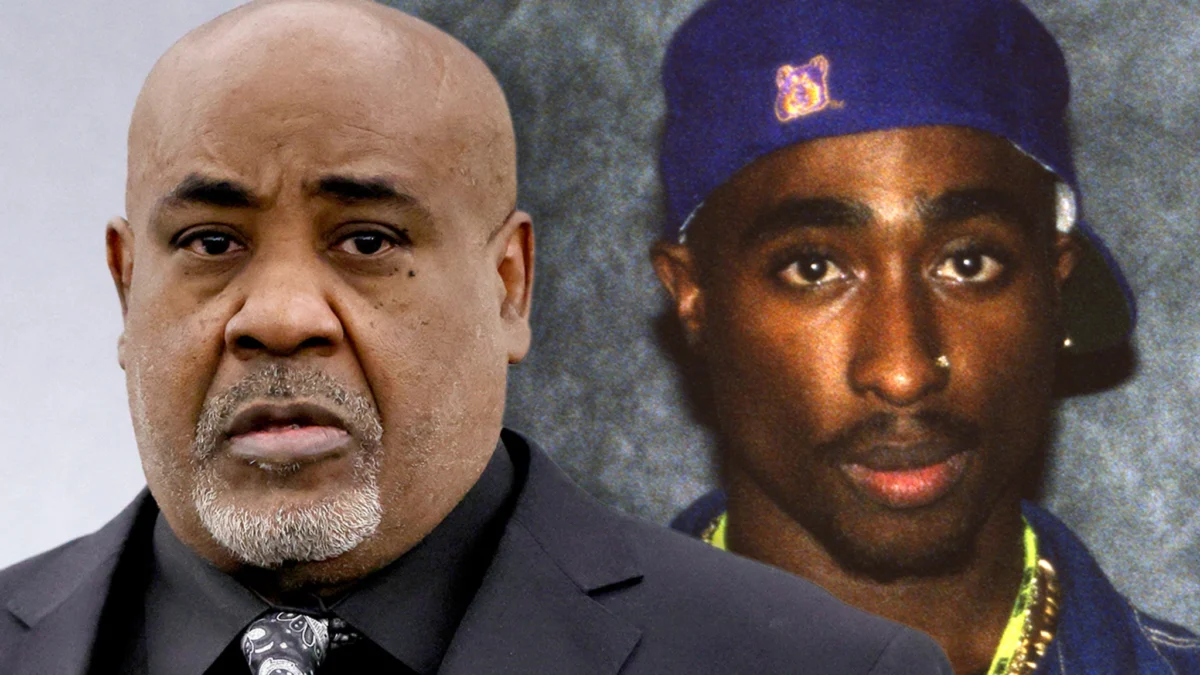
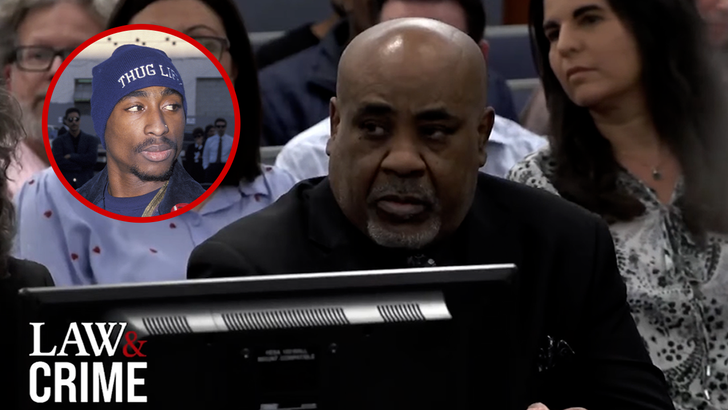
Duane "Keffe D" Davis, recently convicted in the 1996 murder of iconic rapper Tupac Shakur, is steadfastly asserting his innocence ahead of his October 13 sentencing. In an exclusive interview with The Hollywood Reporter, published Friday, Davis proclaimed, "I’m innocent, man. They got an innocent man sitting in jail," while simultaneously revealing his intent to appeal the verdict and offering a starkly different account of his whereabouts on the night of the murder. This defiant stance from the man prosecutors identified as the orchestrator of the drive-by shooting in Las Vegas reopens old wounds and injects new layers of controversy into one of music’s most enduring cold cases.
A Conviction Decades in the Making
Davis’s conviction on August 31, 2026, marked a seismic development in a case that had haunted the hip-hop world and law enforcement for nearly three decades. Prosecutors successfully argued that while Davis did not personally pull the trigger, he was the mastermind, providing the firearm to one of the occupants in the vehicle from which the fatal shots were fired. This legal strategy focused on his role as an accessory to murder, leveraging Nevada’s laws that allow for prosecution of those who aid and abet in a crime. The verdict brought a measure of closure to many who had long awaited justice for Tupac Amaru Shakur, whose life was tragically cut short at the age of 25.
The trial itself was a culmination of years of investigative work, renewed interest, and, critically, Davis’s own admissions. For decades, the murder remained unsolved, fueling countless conspiracy theories and leaving a gaping void in the music industry. Davis’s arrest in September 2023, following a grand jury indictment, was a direct consequence of his public statements and a book he authored, where he detailed his involvement in the events surrounding Shakur’s death.
The Shifting Narrative: From Confession to Alibi
Central to the prosecution’s case were Davis’s own words. In a 2008 interview with federal authorities, reportedly part of a proffer agreement, Davis confessed to orchestrating the murder. He claimed to have acquired the weapon and then actively pursued Tupac Shakur and Marion "Suge" Knight after an altercation earlier that night involving his cousin. These admissions were later amplified in his 2018 memoir, "Compton Street Legend," where he provided graphic details, positioning himself as an eyewitness and a key participant in the tragic events.
However, in his recent interview with The Hollywood Reporter, Davis presented an entirely new narrative, directly contradicting his previous statements and the evidence that led to his conviction. He now claims he was not even at the crime scene. Instead, he asserts that after attending the Mike Tyson boxing match at the MGM Grand in Las Vegas—the same event that preceded the fateful altercation—he drove to a bar near UCLA in Los Angeles. He further stated that he returned home the following morning to have breakfast with his son and daughters. This sudden shift from orchestrator to distant alibi is a significant development and will undoubtedly form a cornerstone of his upcoming appeal.
During his trial, Davis’s defense attorney had attempted to mitigate the impact of his past confessions, arguing to the jury that his client was merely "bragging" and fabricating details to sell copies of his book. This defense strategy aimed to discredit Davis’s own incriminating statements, portraying them as self-aggrandizing fiction rather than factual admissions. The jury, however, evidently found the prosecution’s interpretation of these confessions more compelling.
The Alleged Non-Prosecution Agreement: A Legal Battleground
One of the most contentious points raised by Davis in his post-conviction interview is the alleged violation of a non-prosecution agreement. He claims to have had a deal with federal authorities, specifically the Department of Justice (DOJ), ensuring that his 2008 admissions would not be used against him in court. "The DOJ gave me a deal," Davis stated, adding, "It came from the top and they said that they was never going to use it in court against me." He expressed confidence that this alleged violation would lead to a successful appeal.
Non-prosecution agreements (NPAs) are formal arrangements between prosecutors and individuals, often in exchange for cooperation or testimony, where the government agrees not to prosecute the individual for certain crimes. Such agreements are complex and typically involve strict conditions. If Davis can indeed prove the existence and violation of such an agreement, it could present a formidable challenge to his conviction. However, proving the specifics of such an agreement, especially one reportedly made years ago, and demonstrating its alleged breach will be a significant legal hurdle. Prosecutors would likely argue that Davis either violated the terms of the agreement himself, that the agreement had limitations, or that it simply does not apply to the current state-level prosecution. The burden of proof would lie heavily on the defense to substantiate these claims in the appellate court. Legal experts suggest that while such agreements are binding, their scope and enforceability often depend on precise language and the fulfillment of all stipulated conditions by the cooperating party.
A Cold Case Decades in the Making: The Chronology of Events
To fully appreciate the significance of Davis’s conviction and subsequent claims, it’s crucial to revisit the chronology of events surrounding Tupac Shakur’s murder:
- September 7, 1996: Tupac Shakur, alongside Death Row Records CEO Suge Knight, attends the Mike Tyson vs. Bruce Seldon boxing match at the MGM Grand Garden Arena in Las Vegas. After the fight, a physical altercation erupts in the casino lobby between Tupac, Knight, and Orlando Anderson, a suspected Southside Crip gang member and Davis’s nephew.
- Later, September 7, 1996: Around 11:15 PM, as Shakur and Knight drive in a black BMW 750iL on Las Vegas Boulevard, a white Cadillac pulls alongside them at a red light. Shots are fired from the Cadillac, hitting Shakur multiple times and grazing Knight.
- September 13, 1996: After being placed on life support at the University Medical Center of Southern Nevada, Tupac Shakur succumbs to his injuries and dies, six days after the shooting. His death sends shockwaves through the music world and beyond.
- 1996-2000s: The murder remains a cold case. Numerous theories emerge, implicating various individuals and rival gangs, including the East Coast-West Coast hip-hop rivalry, with speculation often pointing towards Orlando Anderson, who was killed in an unrelated shooting in 1998.
- 2008: Duane "Keffe D" Davis, a self-proclaimed former leader of the Southside Crips gang, is interviewed by federal authorities. During this interview, he allegedly confesses to his role in orchestrating the shooting, stating he passed the gun to a passenger in the Cadillac.
- 2018: Davis publishes his memoir, "Compton Street Legend," further detailing his account of the night Tupac was killed, including his presence in the Cadillac.
- September 2023: After decades of investigation, Duane Davis is arrested in Henderson, Nevada, and indicted by a grand jury on a charge of murder with a deadly weapon. The arrest is largely based on his previous admissions and ongoing investigative work.
- August 31, 2026: A jury finds Duane "Keffe D" Davis guilty of Tupac Shakur’s murder, determining his role as an accessory in providing the weapon.
- September 5, 2026: Davis’s interview with The Hollywood Reporter is published, where he claims innocence, reveals an appeal, and offers a new alibi.
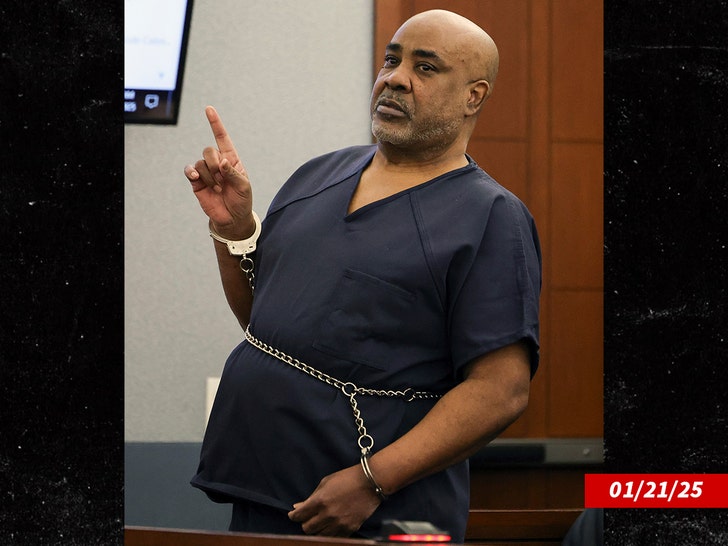
- October 13, 2026: Duane Davis is scheduled to be sentenced.
Background Context: The Fateful Night and Gang Rivalries
The events leading to Tupac Shakur’s death were deeply entwined with the volatile gang culture of the 1990s Los Angeles and the intense rivalry between Death Row Records (associated with the Mob Piru Bloods) and Bad Boy Records (associated with East Coast gangs, though not directly involved in the Vegas shooting). The altercation at the MGM Grand was reportedly a retaliation for an earlier robbery and beating of a Death Row affiliate by members of the Southside Crips.
Davis, as a self-proclaimed high-ranking member of the Southside Crips, stated in his confessions that the shooting was a direct act of revenge for the beating of his nephew, Orlando Anderson, by Tupac and Knight’s entourage. He described how he and his associates were actively searching for Shakur and Knight after the casino brawl. The subsequent drive-by shooting was, according to his own earlier accounts, the culmination of this retaliatory hunt. The details provided in his book aligned with some aspects of the long-standing theories surrounding the case, offering what many believed was the missing piece of the puzzle.
Tupac Shakur’s Enduring Legacy
The murder of Tupac Shakur remains one of the most significant unsolved crimes in music history, alongside that of his rival, The Notorious B.I.G., who was killed just six months later. Tupac’s influence as an artist, poet, and cultural icon has only grown in the decades since his death. His music, often socially conscious and deeply personal, continues to resonate with new generations. The mystery surrounding his demise has contributed to his legendary status, transforming him into a martyr figure for many fans.
The conviction of Duane Davis, regardless of his appeal, represents a monumental step towards accountability for a crime that has cast a long shadow over hip-hop’s golden era. For Tupac’s family, friends, and legions of fans, the verdict offered a long-awaited answer to who was responsible, even if the full truth of every detail remains contested.
Implications and What Lies Ahead
Duane Davis’s claims of innocence and the alleged non-prosecution agreement introduce significant legal complexities that will define the next phase of this saga.
- The Appeal Process: Davis’s defense team will meticulously review the trial proceedings for any procedural errors, evidentiary issues, or constitutional violations. The alleged non-prosecution agreement will be a primary focus, requiring detailed legal arguments and potentially the production of evidence to substantiate its existence and terms. The appellate court will assess whether the trial court correctly applied the law and if Davis’s rights were upheld.
- Prosecution’s Response: Prosecutors in Clark County, Nevada, will likely vigorously oppose the appeal. They will defend the integrity of the conviction, argue against the validity of Davis’s claims regarding the non-prosecution agreement, or assert that any such agreement was not violated in a manner that warrants overturning the verdict.
- Sentencing: Barring any unforeseen legal developments, Davis is scheduled to be sentenced on October 13. Given the severity of the crime and his conviction, he faces a potentially lengthy prison sentence, possibly life imprisonment, under Nevada law. The sentencing will be a somber moment, marking the legal conclusion of the initial trial phase.
- Public Perception and Legacy: Regardless of the legal outcome of the appeal, the public narrative surrounding Tupac’s murder has irrevocably shifted. For many, Davis’s conviction provides a definitive answer to a decades-long question. However, his continued denial and the introduction of new alibis will keep the case in the public consciousness, ensuring that debates and discussions about the full truth will persist.
The pursuit of justice for Tupac Shakur has been a long and arduous journey. While Duane Davis’s conviction provided a significant breakthrough, his latest assertions ensure that the final chapter in this historic case is far from written. The upcoming appeal and the legal battle surrounding the alleged non-prosecution agreement will be closely watched, as they hold the potential to either solidify or unravel the latest resolution in one of music history’s most tragic and enduring mysteries.


 Joko Widodo
 Nila Kartika Wati
 Lina Irawan
 Jia Lissa
 Yuyun Lusiyani