
 Jia Lissa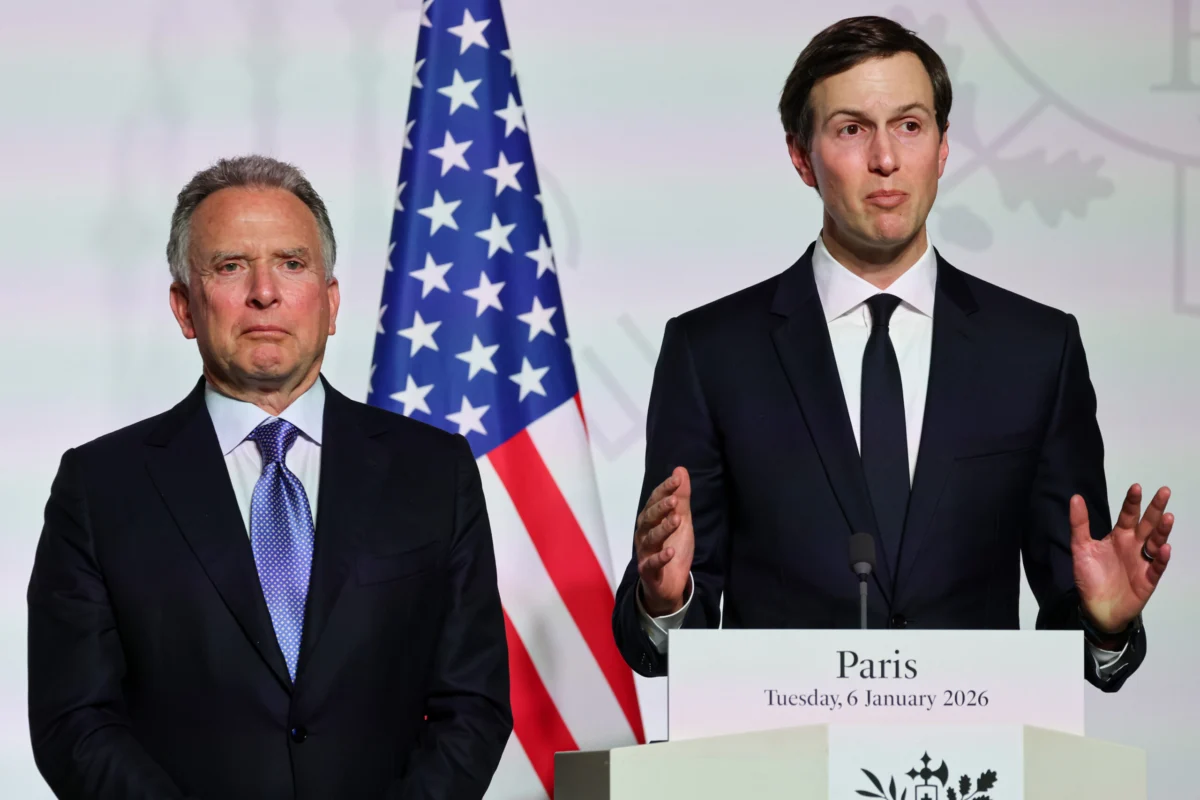
U.S. envoys Steve Witkoff and Jared Kushner arrived in Moscow on Saturday, marking a pivotal moment in a renewed diplomatic push to broker an end to the protracted conflict between Russia and Ukraine. The high-stakes visit, confirmed by international news agencies and Russian state media, serves as the precursor to a scheduled Sunday visit to Kyiv—a trip that would represent the first time the pair has entered the Ukrainian capital since the commencement of their mediation efforts. The diplomatic mission unfolds against a backdrop of intensified military activity, with Ukrainian President Volodymyr Zelensky reporting a series of lethal Russian strikes targeting civilian infrastructure and strategic aviation hubs just hours before the envoys’ arrival.
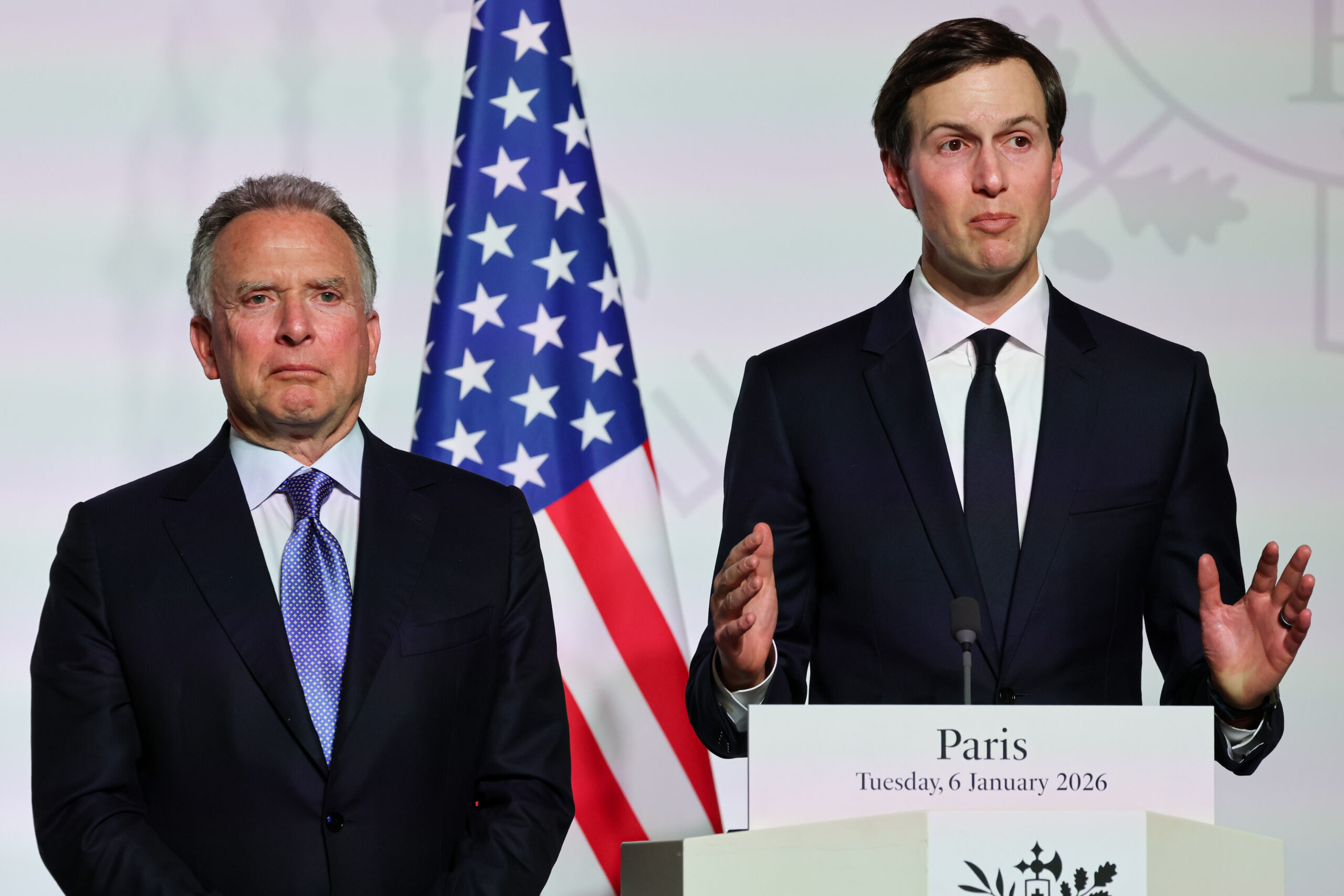
Steve Witkoff, 69, a prominent real estate executive and trusted confidant of President Donald Trump, and Jared Kushner, 45, the President’s son-in-law and former senior advisor, were greeted in Moscow by Kirill Dmitriev, a high-ranking Russian envoy and head of the Russian Direct Investment Fund. This delegation represents a distinct shift in American foreign policy, utilizing personal envoys to navigate the complexities of the Kremlin’s demands and Ukraine’s sovereignty. Their arrival in the Russian capital follows a previous high-level meeting with Russian President Vladimir Putin in January 2026, which occurred shortly after the "Coalition of the Willing" summit in Paris where security guarantees for a post-ceasefire Ukraine were first formally debated.
The Diplomatic Objective and Regional Obstacles
The primary objective of the Witkoff-Kushner mission is to identify "real options" for de-escalating a war that has entered its fifth year, causing unprecedented economic disruption and a humanitarian crisis across Eastern Europe. However, the path to Kyiv has been fraught with logistical and political hurdles. According to reports from the Kyiv Independent, the scheduled visit to the Ukrainian capital has been postponed or canceled multiple times in recent weeks. Sources familiar with the negotiations indicate that Russian officials have actively discouraged the envoys from visiting Kyiv, citing security risks.
There is a perceived divergence in the diplomatic approach within the U.S. delegation. Reports suggest that Witkoff has remained sensitive to Russian sentiments regarding the optics of a Kyiv visit, while the Ukrainian government remains adamant that any peace proposal must be discussed on Ukrainian soil to be considered legitimate. The tension highlights the delicate balancing act required of the American mediators, who must navigate the Kremlin’s desire to isolate Ukraine diplomatically while addressing Zelensky’s demand for direct engagement and security assurances.
A Timeline of Escalation: The Friday Strikes
The urgency of the envoys’ mission is underscored by a significant escalation in hostilities. On Friday, less than 24 hours before Witkoff and Kushner landed in Moscow, Russia launched a coordinated wave of strikes across several Ukrainian regions. President Zelensky detailed the aftermath of these attacks, which he characterized as a "demonstrative" response to the impending American visit.
In the Dnipro region, a strike on a civilian enterprise in Kamianske resulted in the deaths of four individuals and injuries to five others. Residential buildings were also damaged in Kherson, Boryspil, and the Kharkiv region. Furthermore, Russian-Iranian "Shahed" drones were deployed against shopping malls in Sumy and Mykolaiv. Perhaps most significantly, Russian forces targeted Kyiv and Boryspil airports. These facilities are essential for the logistical handling of high-level diplomatic arrivals, and Zelensky noted that the timing of these strikes was clearly intended to complicate or deter the U.S. envoys from landing their aircraft in Ukraine.
In addition to the aviation infrastructure, Russia targeted the headquarters of the Security Service of Ukraine (SBU) in central Kyiv. The SBU has been instrumental in orchestrating intelligence and sabotage operations within Russian territory, making its headquarters a high-value symbolic and functional target for the Kremlin. The smoke rising from the center of the capital served as a stark reminder of the volatility of the environment the American envoys are attempting to stabilize.
Zelensky’s Ceasefire Pledge and Technical Guarantees
In an effort to facilitate the peace talks, President Zelensky issued a public statement pledging a temporary pause in Ukrainian strikes while the U.S. envoys are in the region. Zelensky emphasized that Ukraine would ensure the "normal functioning of Russian airspace" to allow the negotiators to travel safely between the two capitals.
"We are looking out for them, not for Russia," Zelensky stated via social media. "There will be no air strikes from our side, and Russia must do the same, ensuring there are no air strikes from its side for the time needed to hold these talks and handle the logistical matters related to this American visit."
The Ukrainian President’s offer of a localized ceasefire is a strategic move designed to place the onus of safety on the Russian Federation. By guaranteeing the safety of the U.S. delegation, Ukraine aims to demonstrate its commitment to a "constructive and substantive" diplomatic process. However, the Russian strikes on Friday suggest that Moscow may not be prepared to reciprocate the gesture, instead using military pressure to influence the starting positions of the upcoming talks.
Background: The Role of Witkoff and Kushner in the 2026 Peace Process
The involvement of Steve Witkoff and Jared Kushner marks a departure from traditional State Department-led diplomacy. Their roles were solidified during the January 2026 summit at the Elysee Palace in Paris, where they stood alongside international leaders to sign a declaration on the deployment of post-ceasefire forces in Ukraine. This summit, organized under the "Coalition of the Willing" framework, sought to establish a multinational security architecture that could provide Ukraine with long-term protection without immediate NATO membership—a key sticking point in negotiations with Moscow.
Witkoff’s background in high-stakes real estate negotiation and Kushner’s previous experience with the Abraham Accords in the Middle East have been cited by the Trump administration as the necessary qualifications for breaking the deadlock in Eastern Europe. Critics, however, have raised concerns about the lack of formal diplomatic training and the potential for personal business interests to intersect with national security priorities. Despite these criticisms, the pair has maintained a direct line to both the Kremlin and the Mariinskyi Palace, making them the most influential intermediaries currently active in the conflict.
Supporting Data: The Cost of Continued Hostilities
The economic and human data surrounding the conflict provide a grim context for the envoys’ mission. As of late 2025, international monitors estimated the total cost of reconstruction for Ukraine to exceed $600 billion. The war has also led to a significant contraction of the Russian economy due to sustained sanctions, with the IMF reporting a projected 2.5% decline in Russia’s GDP for the current fiscal year.
The human toll remains the most pressing issue. While exact casualty figures are often disputed, independent analysts suggest that combined military and civilian casualties since the 2022 invasion have surpassed one million. The ongoing use of ballistic missiles and long-range drones has decimated Ukraine’s energy grid, leaving millions at risk of power outages during the winter months. For the American envoys, the objective is not merely a cessation of fire, but the establishment of a framework that prevents a resurgence of violence and allows for the gradual reintegration of the regional economy.
Geopolitical Implications and Analysis
The success or failure of the Sunday visit to Kyiv will likely determine the trajectory of the peace process for the remainder of 2026. If Witkoff and Kushner are able to land safely and conduct meetings with Zelensky, it will signal that a diplomatic corridor exists despite the ongoing bombardment. If the visit is canceled again due to Russian threats or safety concerns, it will reinforce the perception that Moscow is not yet ready to negotiate in good faith.
The "demonstrative" strikes on Ukrainian airports suggest that Russia is employing a "talk and fight" strategy—engaging with U.S. envoys to maintain a diplomatic façade while simultaneously attempting to degrade Ukraine’s remaining infrastructure to force a more favorable settlement. Zelensky’s response, which included a warning that Ukraine would "adjust our operation accordingly regarding Russian airspace" next week, indicates that the window for a negotiated ceasefire may be closing if the U.S. mission does not yield immediate results.
Furthermore, the international community is watching closely to see if the Witkoff-Kushner approach can achieve what traditional diplomacy could not. European allies, particularly those in the "Coalition of the Willing," are concerned that a deal brokered primarily between Washington and Moscow might overlook the long-term security needs of the European Union. The inclusion of the post-ceasefire force declaration in January was a nod to these concerns, but the details of who will provide those forces and under what mandate remain unresolved.
Conclusion and Future Outlook
As Saturday evening falls in Moscow, the eyes of the world are on the private meetings taking place between the American delegation and Russian officials. The proposals Steve Witkoff and Jared Kushner have brought from Washington remain largely confidential, but they are expected to involve complex trade-offs regarding territorial integrity, sanction relief, and international security guarantees.
The scheduled flight to Kyiv on Sunday remains the most critical litmus test for the mission. It represents a physical and symbolic bridge between two warring nations that have seen little common ground in years. For the residents of Kyiv, Dnipro, and Kherson, the hope is that these high-level discussions will finally translate into a tangible reduction in the violence that has defined their lives since February 2022. Whether the "American visit" can overcome the "Russian-Iranian Shaheds" remains the defining question of this diplomatic endeavor.



 Joko Widodo
 admin
admin
 Nila Kartika Wati
 Lina Irawan
 Yuyun Lusiyani