
 Nila Kartika Wati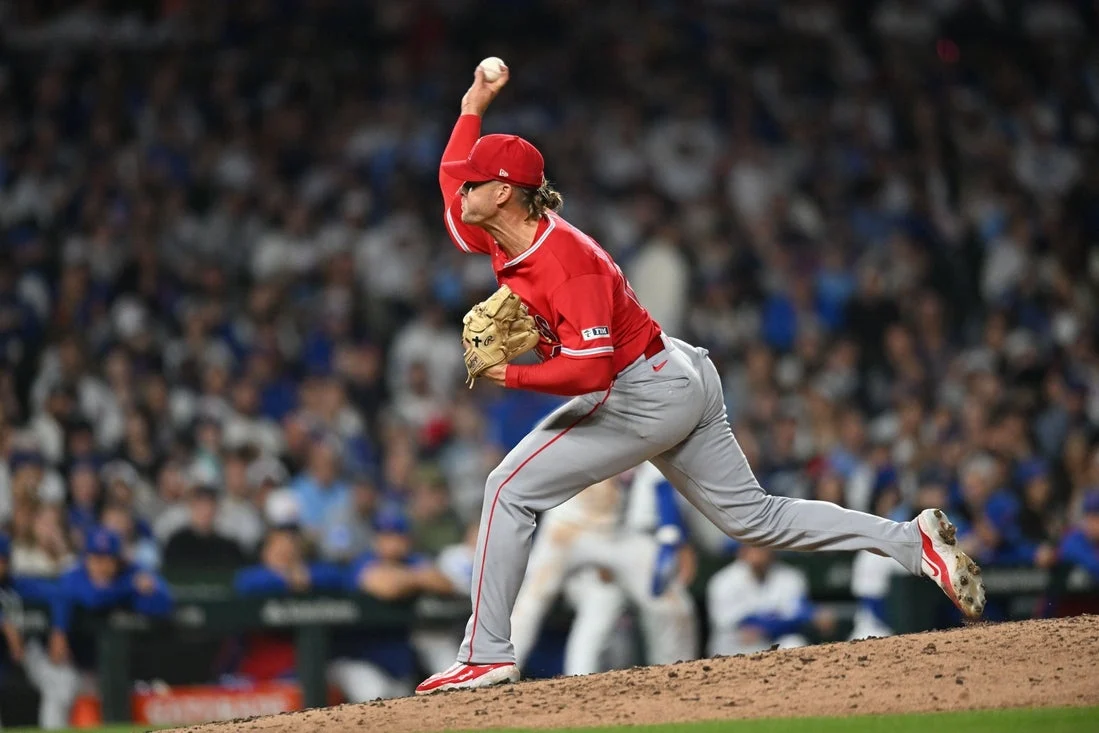
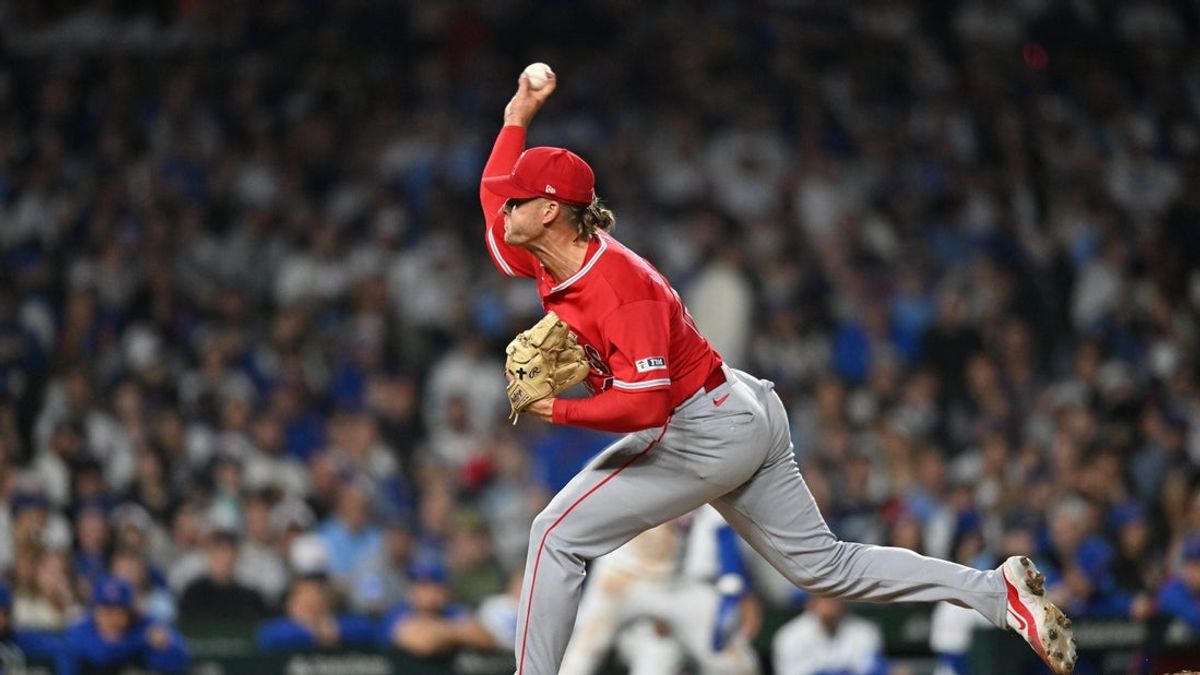
The Los Angeles Angels have once again opted to retain the services of right-handed pitcher Shaun Anderson, signing him to a minor league contract on Friday. This move marks another chapter in Anderson’s often-fluid tenure with the Angels organization, a period characterized by frequent roster adjustments and a consistent battle to secure a permanent spot on the major league club. The 31-year-old pitcher has become a familiar figure in the Angels’ transactions log over the past two seasons, experiencing the designation for assignment (DFA) on three separate occasions within the current campaign alone. This latest agreement suggests a continued belief, however conditional, in Anderson’s potential to contribute, even as the Angels navigate their own season and roster strategies.
A Season of Flux: Anderson’s On-Again, Off-Again Relationship with the Angels
Anderson’s recent history with the Angels paints a picture of a player perpetually on the fringes of the active roster. The designation for assignment, a procedural move that allows a team to remove a player from its 40-man roster while still retaining their contractual rights, has become a recurring theme for Anderson. Each DFA signifies a moment of uncertainty, where other MLB teams have the opportunity to claim the player off waivers. When those claims do not materialize, as has been the case for Anderson, the player is typically offered back to their original team on a minor league deal, or becomes a free agent. The Angels’ decision to re-sign him on multiple occasions underscores a strategic approach to maintaining organizational depth and having a known quantity available should injuries or performance issues arise among their major league pitchers.
This season, Anderson has appeared in 12 games for the Angels, all in relief capacities. His statistical output thus far in 2026 reflects the challenges he has faced in establishing consistent effectiveness. He carries a 7.65 earned run average (ERA) and a 1.75 walks plus hits per inning pitched (WHIP) ratio, alongside 17 strikeouts. These numbers indicate a pitcher who has struggled to limit opposing offenses, a common hurdle for relievers tasked with maintaining leads or preventing runs from scoring. While the strikeout total is respectable for the limited innings pitched, the higher ERA and WHIP suggest that when batters do connect, they have often done so effectively.
Career Overview: A Statistical Snapshot of Shaun Anderson
Looking at Anderson’s broader MLB career, spanning seven years, the statistical trends continue to highlight a pitcher who has yet to fully solidify his role or achieve consistent success at the highest level. His career ERA stands at a challenging 6.53, accompanied by a 1.72 WHIP. Over 88 games, including 18 starts, he has accumulated 145 strikeouts. These figures, when viewed collectively, suggest a pitcher with a certain level of talent and the ability to miss bats, but one who has also been prone to giving up runs and allowing baserunners at a high rate.
The dichotomy between his minor league performance and his major league numbers has often been a point of discussion for players in similar situations. Organizations invest in developing talent at the minor league level, and when a player like Anderson shows flashes of potential or has a history of success in the minors, teams are often willing to take a chance on them, even if their MLB results have been inconsistent. The Angels, in particular, have been active in exploring their pitching depth, a necessity for any team aiming for a prolonged season.
The Broader Context: Roster Management and the Minor League System
The re-signing of Shaun Anderson is not an isolated event but rather a reflection of the intricate and often volatile nature of Major League Baseball roster management, particularly for teams that are not perennial contenders. For the Los Angeles Angels, a franchise that has been in a state of rebuilding or retooling for several seasons, maintaining a robust farm system and having experienced, albeit developing, major league arms available is crucial.
The minor league contract is a strategic tool for teams. It allows them to retain a player’s services without committing a spot on their 40-man roster, which is a critical resource. The 40-man roster dictates which players are eligible for major league call-ups and provides protection against other teams acquiring them through waivers. By signing Anderson to a minor league deal, the Angels keep him within their organization, able to play for their Triple-A affiliate (likely the Salt Lake Bees in the Pacific Coast League, though affiliations can change) and be recalled to the majors if needed. This provides flexibility and allows the team to monitor his performance and development closely.
The frequency with which Anderson has been moved on and off the roster, including multiple designations for assignment, speaks to the competitive landscape for pitchers within an organization. There are always other pitchers vying for roster spots, both internally and from outside the organization through trades or free agency. Anderson’s situation highlights the precarious nature of being a "fringe" player in professional baseball.
Analyzing the Implications: Depth, Development, and Roster Spot Competitiveness
The Angels’ continued investment in Shaun Anderson, even with his mixed results, suggests a few potential underlying strategies. Firstly, it points to a need for organizational depth in the pitching department. Injuries are an inevitable part of a 162-game season, and having a pool of pitchers who have major league experience, even if limited, can be invaluable. Anderson provides a known quantity that the coaching staff is familiar with, potentially saving the team the uncertainty of bringing in a completely unknown player.
Secondly, it could indicate a belief that Anderson’s underlying metrics or mechanics might be closer to major league readiness than his raw statistics suggest. Pitching coaches and analysts often look beyond ERA and WHIP, examining pitch velocity, movement, spin rates, and other advanced metrics. It’s possible that the Angels’ player development staff sees something in Anderson’s arsenal that they believe can be harnessed with further refinement.
However, the repeated DFA’s also suggest that Anderson has not consistently demonstrated the performance necessary to hold down a major league roster spot. Each time he is designated for assignment, it indicates that another player on the 40-man roster has been deemed more valuable or that the team needs to make space for another acquisition. This creates a cycle of uncertainty for the player and a constant evaluation process for the team.
From a fan perspective, these types of transactions can be frustrating, as they often signify a lack of confidence in existing talent or a continued search for solutions. However, from a team-building perspective, they are often necessary maneuvers to navigate the complexities of a long season and maintain a competitive roster.
The Path Forward: Will Anderson Find Stability?
The immediate future for Shaun Anderson will likely involve continued work at the minor league level, where he will aim to improve his performance and demonstrate the consistency that has eluded him in the majors. The Angels will monitor his progress, and depending on the team’s needs, his performance, and the availability of other pitching options, he may once again find himself on the cusp of a major league call-up.
His career trajectory thus far has been one of perseverance and resilience, navigating the constant flux of professional baseball. The Angels’ decision to bring him back into the fold, even on a minor league contract, speaks to a willingness to give him another opportunity. Whether this latest iteration of his tenure with the Angels will be the one where he finally finds a stable footing remains to be seen, but his journey underscores the relentless pursuit of talent and depth that defines modern baseball organizations. The organization’s continued reliance on him, despite the roster gymnastics, suggests a calculated gamble on a known commodity within their system, a common strategy in the ever-evolving landscape of Major League Baseball.


 Joko Widodo
 admin
admin
 Lina Irawan
 Jia Lissa
 Yuyun Lusiyani