
 Jia Lissa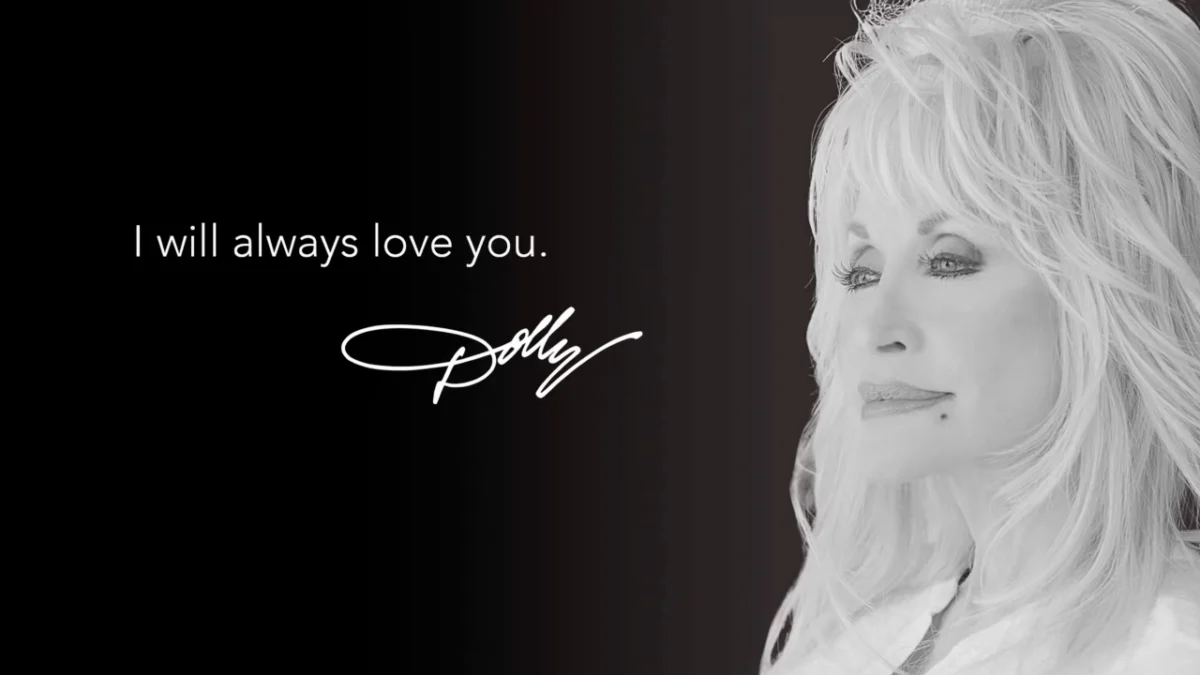
The passing of Dolly Parton on August 25, 2026, at the age of 80, has left a profound void in the global cultural landscape, triggering an outpouring of grief from millions of fans. However, the period of mourning has been complicated by the rapid proliferation of digital misinformation and what the Parton family describes as exploitative content. Stella Parton, the 77-year-old sister of the late icon, recently took to social media to address the challenges the family has faced in the wake of this loss, specifically targeting the "endless garbage" and artificial intelligence-generated content that has flooded the internet since the singer’s death following a reported battle with cancer.
In a comprehensive statement shared on Instagram, Stella Parton expressed a mixture of gratitude for the public’s genuine condolences and frustration with the modern media environment. Writing during her "coffee hour," Stella acknowledged that while the family is navigating their bereavement in their own personal ways, the visibility of their lives has made them vulnerable to "incredible pressure and insensitivity from strangers." She specifically highlighted the role of AI in generating misleading narratives, a phenomenon that has become increasingly prevalent in the digital age when high-profile figures pass away.
The Digital Aftermath: AI and Misinformation
The "garbage" referred to by Stella Parton encompasses a wide array of digital content, ranging from AI-generated videos claiming to reveal "hidden secrets" of the singer’s final days to deepfake audio and fabricated estate disputes. Since the announcement of Parton’s passing, social media platforms have seen a surge in "obituary baiting," where accounts use AI to churn out low-quality, often factually incorrect videos and articles designed to capture search traffic and ad revenue.
Stella Parton’s critique underscores a growing concern among the families of deceased public figures regarding the lack of digital ethics. "As time passes, those who are in the business of exploiting the loss and tragedies of others on a daily basis will move on to the next stampede of endless misinformation," she noted. Her comments highlight the "chilling" reality of how technology can be used to capitalize on tragedy, often before the immediate family has had the opportunity to privately process their grief.
Industry analysts note that the death of a figure as beloved as Dolly Parton—who maintained a rare "universal" appeal across political and social divides—presents a unique opportunity for bad actors in the digital space. Because Parton was a "unifier," the demand for content related to her life and legacy is exceptionally high, creating a vacuum that misinformation and AI-generated content frequently fill.
A Timeline of the Week Following Parton’s Passing
The week following August 25 was marked by a series of tributes, controversies, and incidents that reflected both the magnitude of Parton’s influence and the volatility of public discourse.
- August 25, 2026: Official announcement of Dolly Parton’s death at age 80. Tributes begin pouring in from world leaders, musicians, and the general public.
- August 26-27, 2026: Major landmarks globally are illuminated in Parton’s honor. The Empire State Building is lit in pink, and the Santa Monica Ferris wheel displays heart patterns. In London, fans gather at various venues to hold vigils.
- August 28, 2026: Comedian Bill Maher faces immediate backlash following a segment on Real Time with Bill Maher where he made jokes regarding the global reaction to Parton’s death.
- August 29, 2026: Reports emerge that Parton’s star on the Hollywood Walk of Fame was vandalized. The Hollywood Chamber of Commerce takes swift action to replace the tribute.
- August 30, 2026: Stella Parton issues her formal statement on Instagram, addressing the family’s grief and the rise of AI-driven exploitation.
The Hollywood Walk of Fame Incident
The physical manifestations of the public’s reaction were not limited to digital spaces. On August 29, Variety reported that the Hollywood Chamber of Commerce had to replace Parton’s star on the Hollywood Walk of Fame. The star, originally awarded to her in 1984, had reportedly been scratched and vandalized shortly after news of her death broke.
While the star had previously sustained a minor crack due to age and foot traffic, the recent damage was described as intentional. The act of vandalism on a memorial site for a woman widely considered a "national treasure" sparked outrage among fans and local residents. The Hollywood Chamber of Commerce moved quickly to restore the site, ensuring that the landmark remained a place where fans could continue to pay their respects safely.
Media Controversy and the Bill Maher Backlash
The sensitivity surrounding Parton’s death was further highlighted by the reaction to Bill Maher’s monologue on the August 28 episode of Real Time. Maher, known for his acerbic wit and frequent critiques of American culture, attempted to satirize the scale of the mourning. He joked about the various tributes, stating, "The Sphere in Las Vegas added a nipple," in reference to Parton’s iconic silhouette and the global landmarks turning pink.
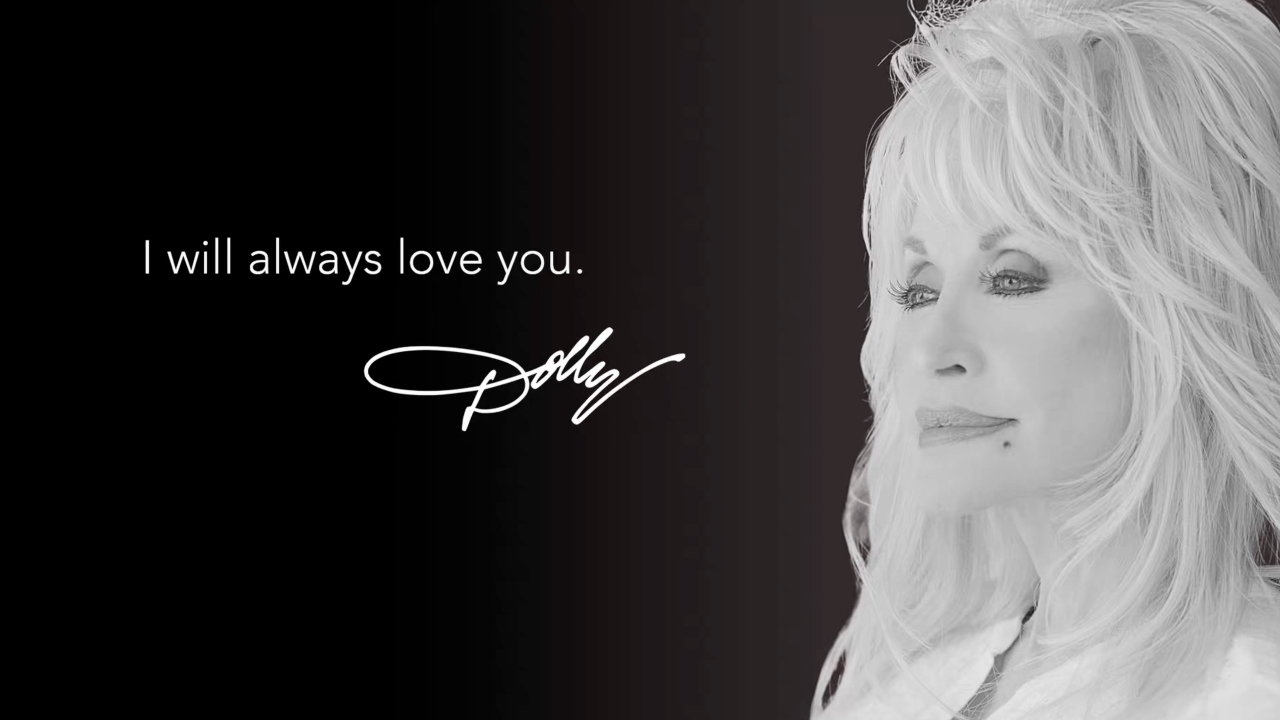
The joke was almost immediately condemned across social media and by media critics. Critics labeled Maher a "soulless ghoul" and "lame," arguing that the attempt at humor was poorly timed and ignored the genuine cultural significance of Parton’s life. The backlash against Maher illustrates the high level of protective affection the public maintains for Parton, whose philanthropic efforts and musical contributions spanned over six decades.
The Legacy of Neutrality and Public Service
One of the most poignant aspects of Stella Parton’s statement was her reflection on why her sister chose to remain neutral on polarizing topics. Throughout her career, Dolly Parton famously avoided taking hardline stances on politics or religion, a strategy that allowed her to remain a beloved figure to people of all backgrounds.
"She loved her fans and the public in general," Stella wrote. "That is the reason she chose not to express on a lot of things like politics, religion and individuals in the public eye."
This neutrality was a cornerstone of the "Dolly Parton Brand," but it was rooted in a genuine desire to provide a "big tent" for her audience. Parton’s philanthropy, however, was never neutral. Her "Imagination Library" has gifted over 150 million books to children worldwide, and her $1 million donation to Vanderbilt University Medical Center in 2020 was instrumental in the development of the Moderna COVID-19 vaccine. These tangible contributions to society have bolstered her legacy, making the recent wave of "garbage" and vandalism even more jarring to those who valued her impact.
Broader Implications for Celebrity Estates and Legacies
The challenges faced by the Parton family are indicative of a broader shift in how celebrity legacies are managed in the 21st century. The rise of "digital afterlives"—where AI can recreate a person’s voice, likeness, and even "new" content—presents a legal and emotional minefield for surviving relatives.
Legal experts suggest that the Parton estate may need to take aggressive steps to protect Dolly’s likeness from unauthorized AI exploitation. The "endless misinformation" Stella Parton referred to is not just a nuisance; it can have long-term effects on the historical record and the commercial value of a celebrity’s brand.
Furthermore, the incident highlights the need for social media platforms to implement more robust filters for AI-generated misinformation following the death of a major public figure. As Stella noted, the "stampede of misinformation" moves quickly, often leaving families to clean up the emotional and reputational wreckage.
Conclusion: A Family Grieving in the Public Eye
As the Parton family continues to navigate their bereavement, Stella Parton’s message serves as a reminder of the human element behind the headlines. While the world remembers a superstar, a songwriter, and a philanthropist, the Partons are mourning a sister and a friend.
The family has requested privacy as they move forward, though they remain cognizant of the public’s desire to honor Dolly’s memory. Stella’s statement concludes with the belief that Dolly would have been "surprised and delighted" by the genuine love shown to her family, a sentiment that aligns with the late singer’s lifelong reputation for humility and grace.
Despite the "garbage" of the digital age and the occasional insensitivity of media figures, the overarching narrative of the past week remains one of profound respect for a woman who defined country music and American philanthropy for more than half a century. The restoration of her Hollywood star and the global tributes serve as a testament to a legacy that, despite the efforts of exploiters, remains unshakeable.


 Joko Widodo
 admin
admin
 Nila Kartika Wati
 Lina Irawan
 Yuyun Lusiyani