
 Lina Irawan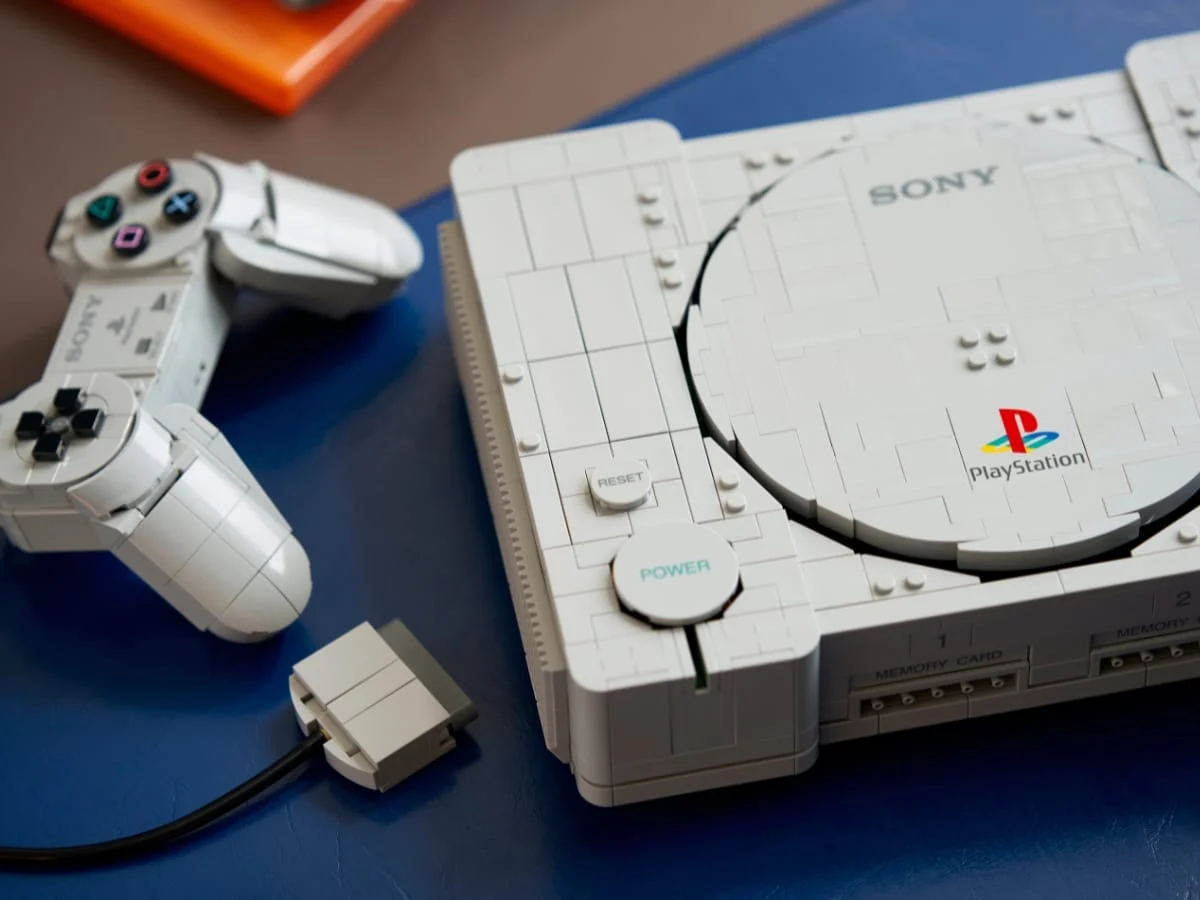
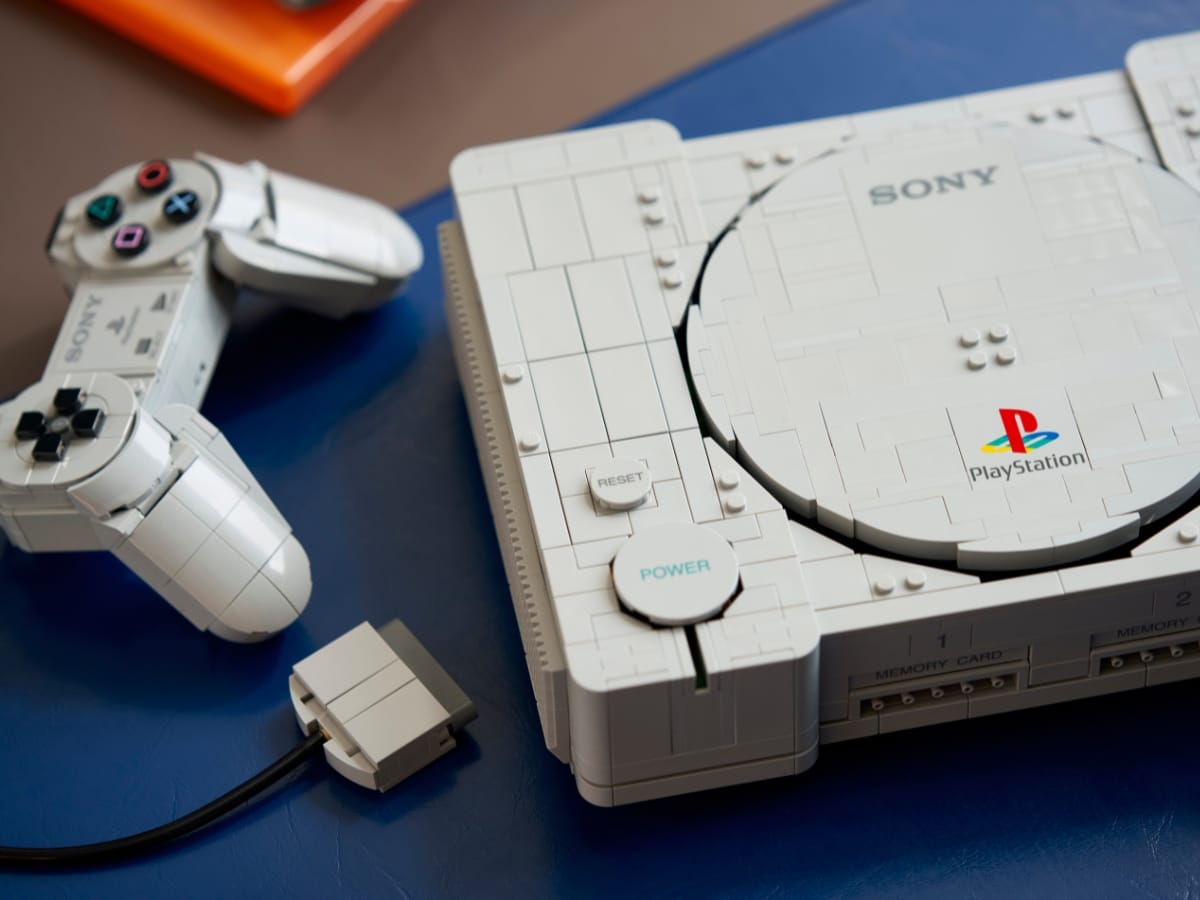
The LEGO Group and Sony Interactive Entertainment have officially unveiled a collaborative scale model of the original 1994 PlayStation console, designated as set number 72306. Comprising 1,911 individual pieces, the set is designed as a detailed tribute to the hardware that fundamentally altered the landscape of the global video game industry three decades ago. This release follows a successful pattern of high-fidelity, adult-oriented "Icons" style sets that recreate iconic technology, joining the ranks of the previously released LEGO Nintendo Entertainment System (NES) and the Atari 2600. The LEGO PlayStation aims to capture the specific aesthetic of the mid-1990s, utilizing a specialized color palette and complex building techniques to replicate the console’s distinct "battleship grey" chassis, circular disc cover, and the original digital controller.
Engineering and Physical Design Specifications
The design of the LEGO PlayStation 72306 focuses heavily on dimensional accuracy, a task the LEGO design team has identified as one of the most rigorous aspects of the development process. The original PlayStation hardware, launched in Japan in December 1994, measured approximately 27 centimeters in width, 6 centimeters in height, and 18.8 centimeters in depth. The brick-built iteration closely mirrors these specifications, standing at 26 centimeters wide, just over 6 centimeters high, and 19 centimeters deep. This near 1:1 scale ratio ensures that the model serves as a convincing display piece for collectors and historians of the medium.
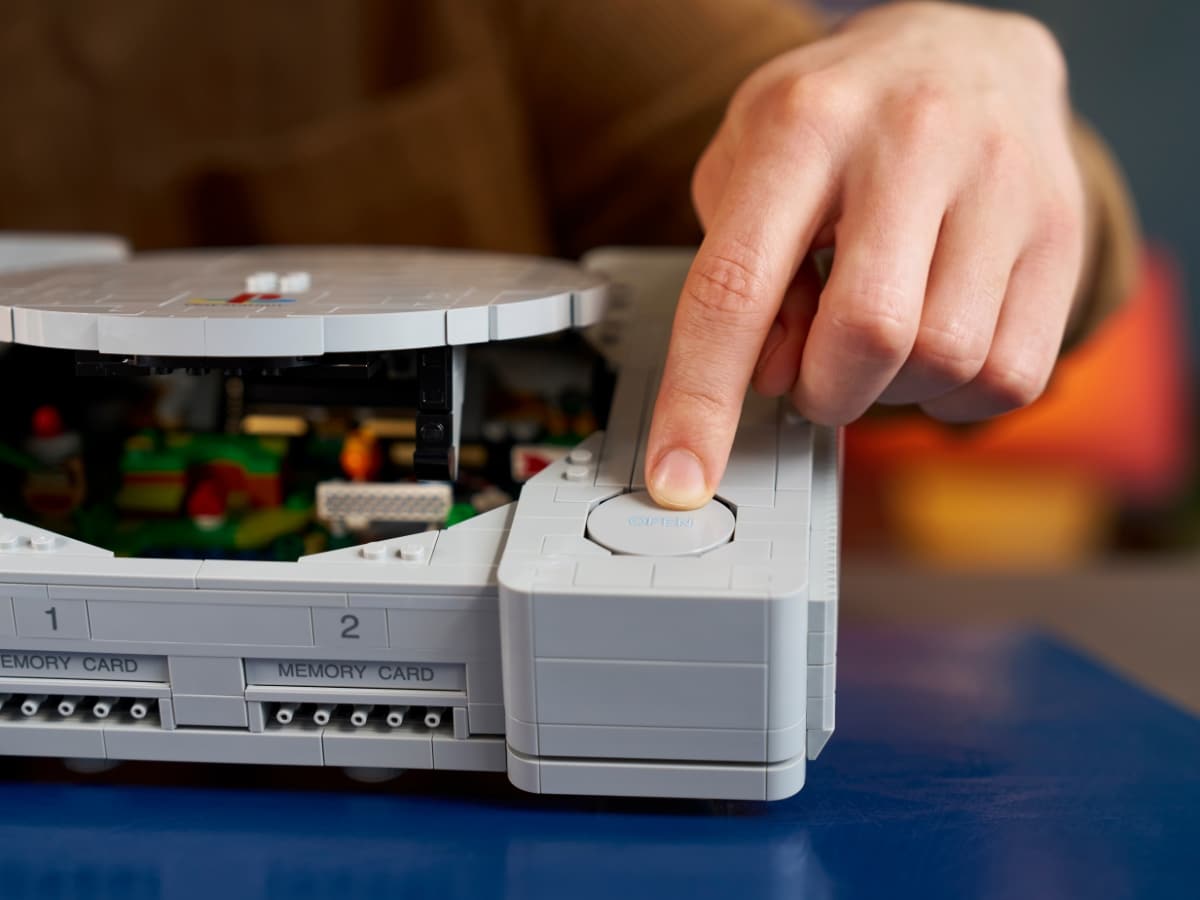
Key functional features have been integrated into the build to provide a tactile experience reminiscent of the original hardware. The set includes a functional "Open" button that, when pressed, triggers a mechanical linkage to lift the circular disc lid, revealing the internal components and the optical drive assembly. Similarly, the "Power" button features a spring-loaded mechanism to simulate the physical resistance of the 1994 unit. The controller, which connects to the front of the console via a brick-built cable and plug, is a recreation of the first-generation PlayStation controller. Notably, this version precedes the 1997 introduction of the DualShock, meaning it lacks the dual analog sticks and vibration motors that later became industry standards, focusing instead on the classic D-pad and the four iconic geometric symbols: the green triangle, red circle, blue cross, and pink square.
Internal Tributes and Software Legacy
Beyond the exterior shell, the LEGO PlayStation 72306 incorporates internal "Easter eggs" designed to commemorate the software library that defined the platform’s early success. The set features two removable dioramas that can be stored inside the console or displayed externally. These miniature builds represent two of Sony’s most influential franchises: Gran Turismo and Ape Escape.
The Gran Turismo tribute recreates a stylized racing circuit complete with micro-scale vehicles. Launched in 1997, Gran Turismo became the highest-selling game on the original PlayStation, praised for its technical realism and expansive car roster. The inclusion of this diorama highlights the console’s role in pioneering the simulation racing genre.
The second internal build is dedicated to Ape Escape, a title released in 1999 that was historically significant for being the first game to require the use of the DualShock analog sticks for gameplay. The LEGO version depicts an island environment featuring one of the game’s "Pipo Monkeys," including a helmet with a light that can be toggled between red and blue to signify the monkey’s alert state. While some observers have noted a chronological discrepancy—pairing an Ape Escape diorama with a non-analog original controller—the design choice reflects a broader celebration of the console’s entire lifecycle rather than a strict adherence to a single point in the 1994–2000 timeline.
Historical Context: The Rise of the PlayStation
To understand the significance of the LEGO PlayStation set, one must look at the historical context of the original machine’s debut. The PlayStation was born out of a failed partnership between Sony and Nintendo in the early 1990s. Initially intended to be a CD-ROM add-on for the Super Nintendo Entertainment System (SNES), the project was abruptly canceled by Nintendo, leading Sony executive Ken Kutaragi to push for the development of a standalone Sony-branded console.
When it launched in 1994 (and 1995 in Western markets), the PlayStation disrupted a market dominated by Sega and Nintendo. By utilizing CD-ROM technology rather than expensive proprietary cartridges, Sony offered developers more storage capacity for high-fidelity audio and full-motion video (FMV). This technological shift facilitated the move from 2D sprites to 3D polygonal graphics, paving the way for cinematic experiences in games like Final Fantasy VII, Metal Gear Solid, and Resident Evil. The PlayStation eventually became the first "computer entertainment platform" to ship over 100 million units worldwide, a milestone reached in approximately nine years. The LEGO set serves as a physical archive of this pivotal moment in technological history.
Chronology of Development and Release
The path toward the official LEGO PlayStation set has been marked by several years of fan anticipation and previous collaborations between the two companies. While LEGO has long produced sets based on various intellectual properties, its focus on retro gaming hardware solidified in 2020 with the release of the LEGO NES (71374). This was followed in 2022 by the Atari 2600 (10306), establishing a precedent for high-detail, 18+ rated console recreations.

The timeline for the PlayStation 72306 release is structured to prioritize the LEGO Insiders loyalty program:
- Early September 2026: Official reveal of the set via global press releases and promotional trailers.
- October 1, 2026: Exclusive early access for LEGO Insiders members through official online and physical stores.
- October 4, 2026: General retail availability across LEGO.com, LEGO brand stores, and authorized third-party retailers.
The retail price has been set at AUD$279.99 (approximately USD$190.00 / €175.00), positioning it as a premium collector’s item within the LEGO Icons sub-brand.
Official Responses and Design Philosophy
Frédéric Roland Andre, the lead designer for the LEGO PlayStation project, articulated the design philosophy behind the set during the product reveal. He described the model as a "love letter" between two creative communities. Andre emphasized that the goal was not merely to create a toy that looked like a console, but to evoke the specific sensory memories associated with the hardware—the click of the buttons, the texture of the plastic, and the mechanical sound of the disc tray.
Sony Interactive Entertainment has expressed support for the collaboration, viewing it as a celebration of the brand’s 30th anniversary. Spokespersons for the company noted that the original PlayStation was designed to be a piece of "lifestyle technology" that fit into a living room better than the toy-like consoles of the previous generation. Recreating this aesthetic using the modularity of LEGO bricks presents a unique challenge in maintaining the clean, minimalist lines of the 1994 design while ensuring structural integrity.
Market Analysis and Cultural Implications
The release of the LEGO PlayStation 72306 reflects a significant trend in the toy and collectibles market often referred to as the "kidult" phenomenon. Data from market research firms, such as the NPD Group, indicates that adults now account for a substantial portion of total toy sales, driven by nostalgia and a desire for sophisticated display pieces. By targeting the generation that grew up during the 32-bit era, LEGO and Sony are tapping into a demographic with significant disposable income and a deep emotional connection to the PlayStation brand.
Furthermore, this set highlights the increasing convergence of physical and digital play. While the LEGO console does not play actual discs or connect to a television, it serves as a bridge between the physical act of building and the digital memories of gaming. Analysts suggest that such collaborations are beneficial for both brands: LEGO reinforces its position as a versatile medium for adult hobbyists, while Sony strengthens the legacy of its hardware in a tangible format that outlasts the functional lifespan of the original electronic components.
Broader Impact on Future Collaborations
The successful launch of the LEGO PlayStation is expected to fuel speculation regarding future entries in the brick-built console series. Given the chronological progression from the 1970s (Atari) to the 1980s (NES) and now the 1990s (PlayStation), industry observers suggest that hardware from the early 2000s may be the next logical step.
Potential candidates for future sets include the original Microsoft Xbox, known for its distinctive "X" chassis and large "Duke" controller, or the Sega Dreamcast, which retains a cult following for its innovative design and VMU (Visual Memory Unit) peripherals. The inclusion of internal dioramas in the PlayStation set has established a new standard for these models, suggesting that future sets will likely include miniature scenes from iconic titles like Halo or Sonic Adventure.
The LEGO PlayStation 72306 stands as a testament to the enduring influence of the 1990s gaming revolution. By meticulously recreating the 1,911-piece model, the LEGO Group has provided a way for fans to engage with the history of technology through the meditative process of construction. As the set prepares for its October 2026 launch, it remains a significant milestone in the ongoing partnership between two of the world’s most prominent entertainment entities.



 Pevita Pearce
 Eva Lovia
 Nana Wu
 Amara Maple
 Joko Widodo