
 Nila Kartika Wati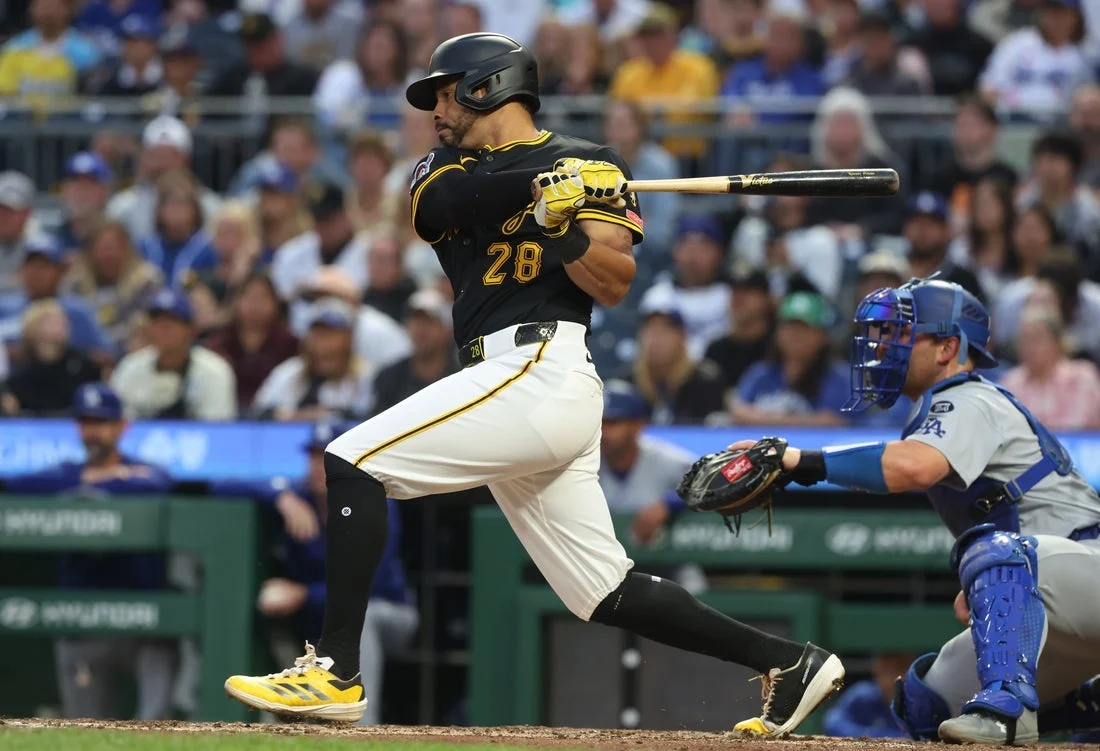
The Chicago White Sox have placed veteran outfielder Tommy Pham on the 10-day injured list, a move that casts a shadow over his brief tenure with the team and highlights the persistent challenges of roster management in professional baseball. The injury, a left calf strain, is retroactive to Thursday, meaning Pham has been sidelined since late last week. This setback comes just weeks after his arrival in Chicago, acquired via trade on August 31st from the Philadelphia Phillies. His time on the field for the White Sox has been minimal, with only one game played since the transaction, underscoring the immediate impact of this unfortunate development.
Pham’s Journey to Chicago and Immediate Setback
Tommy Pham’s acquisition by the Chicago White Sox was part of a series of roster adjustments as the team navigated the latter stages of the MLB season. The trade, which saw Pham join the White Sox from the Philadelphia Phillies on August 31st, was an attempt to inject some veteran presence and potential offensive spark into the lineup. However, this plan has been abruptly derailed by the left calf strain that has now landed him on the injured list. The retroactive nature of the designation means that Pham has effectively been dealing with the issue since before the official placement, raising questions about the exact timing of its onset and its severity.
The 38-year-old outfielder’s career has been marked by his journeyman status, having played for ten different Major League Baseball teams over a span of 13 seasons. This extensive experience has seen him accumulate a respectable statistical profile, including a career batting average of .256, 149 home runs, 522 runs batted in, and 131 stolen bases. His ability to contribute across multiple offensive categories has made him a sought-after commodity, particularly for teams looking to bolster their rosters during the pennant race. However, the current injury now prevents him from adding to those career numbers in a White Sox uniform.
The White Sox’s Roster Response: Edgar Quero Recalled
In response to Pham’s injury and the ensuing roster spot, the White Sox have recalled catcher Edgar Quero from their Triple-A affiliate, the Charlotte Knights. This move signifies a shift in immediate personnel, bringing a younger prospect into the major league fold. Quero, 23, has been having a modest season with Charlotte, posting a .245 batting average with one home run and 10 runs batted in across 26 games. His performance at the Triple-A level indicates potential, though it also suggests he is still developing as a player.
Quero has already had brief stints with the White Sox in the current season, appearing in 65 games over three separate call-ups. During these major league opportunities, he has batted .208 with three home runs and 19 runs batted in. The recall of Quero suggests that the White Sox organization views him as a viable option to fill roster needs, even if it is in a different capacity than the veteran outfielder he is replacing. The decision to recall a catcher when an outfielder is injured highlights the intricate balancing act of roster construction, where positional needs and injury situations can lead to less direct replacements.
Background on Tommy Pham’s Career and Impact
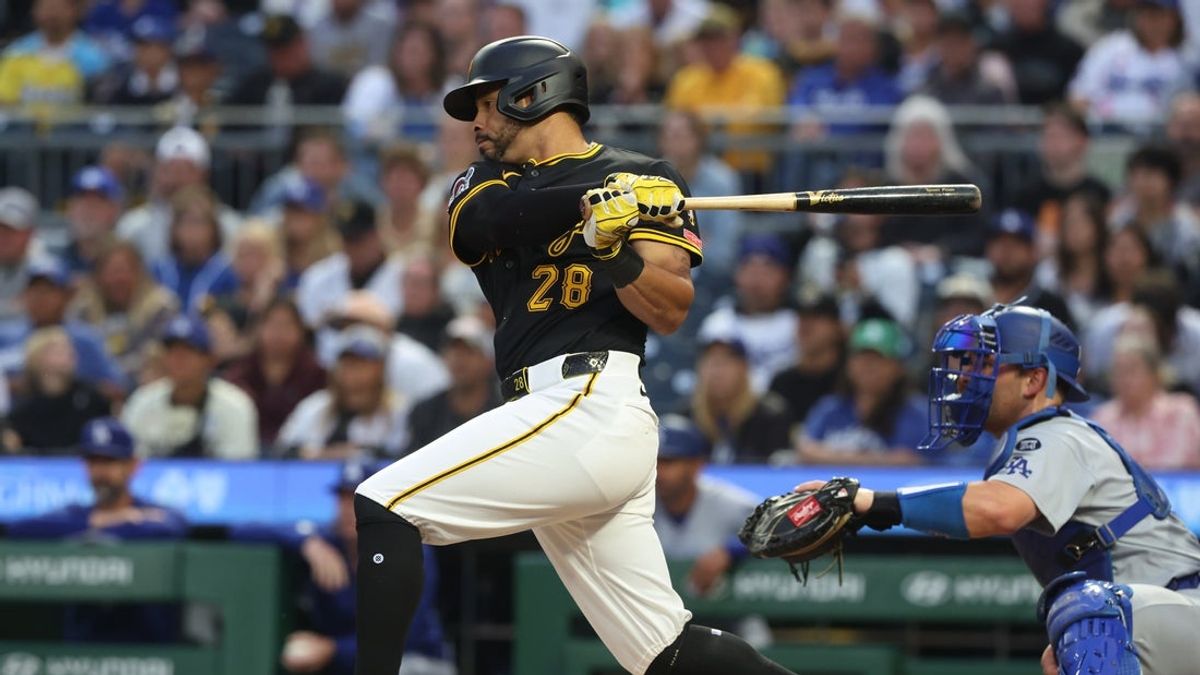
Tommy Pham’s career trajectory is a testament to his resilience and adaptability in a sport that can be unforgiving. Since his MLB debut in 2014 with the St. Louis Cardinals, he has been a part of numerous organizations, including the Tampa Bay Rays, San Diego Padres, Boston Red Sox, and most recently, the Cincinnati Reds and Philadelphia Phillies before his brief stint with the White Sox. His ability to remain a productive player for over a decade, despite frequently changing teams, speaks to his consistent performance and value as a veteran presence.
Pham’s style of play has often been characterized by a blend of power and speed, coupled with a reputation for playing with intensity. He has been known to contribute defensively and can provide a significant boost to an offense when healthy. His presence on a team, particularly in the late season, is often seen as an attempt to galvanize the clubhouse and provide a reliable option in the outfield. The White Sox, like many teams in similar positions, would have been hoping to leverage Pham’s experience and proven track record to improve their chances in the remaining games.
Broader Implications for the White Sox and Pham
The injury to Tommy Pham presents a dual challenge. For the Chicago White Sox, it means losing a player they had just integrated into their roster, forcing them to adjust their lineup and strategic options once again. In a season where the White Sox have been looking to identify and develop talent, the inability to evaluate Pham over a sustained period is a missed opportunity. It also adds another layer of complexity to their ongoing roster management, especially as they navigate the final stretch of the season and begin to look towards the future. The immediate need for an outfielder, even if a temporary one, will likely be addressed through other internal options or potentially another minor league call-up.
For Tommy Pham, this injury is another hurdle in what has been a career filled with both triumphs and setbacks. At 38, his opportunities to play in Major League Baseball are becoming increasingly valuable. A calf strain, while not typically a season-ending injury for younger players, can be more problematic for veterans, potentially impacting their ability to perform at their peak upon return. The duration of his recovery and his performance afterward will be crucial for his future prospects, whether that is with the White Sox or another organization in the upcoming seasons. The retroactive designation of the IL also suggests that the injury may have been developing for some time, and the demands of playing exacerbated it.
The Dynamics of Baseball Trades and Injuries
The scenario involving Tommy Pham is a microcosm of the inherent risks and rewards associated with Major League Baseball trades, particularly those that occur close to the trade deadline or in the final months of the season. Teams often make acquisitions with the hope of immediate impact, but injuries can quickly derail these plans. The cost of acquiring a player, in terms of prospects or financial commitments, can feel magnified when they are unable to contribute due to health issues.
Furthermore, the timing of injuries is often unpredictable and can have a significant ripple effect on a team’s performance and their long-term strategy. For a team like the White Sox, who may be in a rebuilding or retooling phase, every player acquisition and every roster move is scrutinized for its potential impact on both the present and the future. The placement of Pham on the IL, while a standard procedure, underscores the fragility of such plans and the constant need for flexibility and contingency planning within a baseball organization. The focus now shifts to how the White Sox will manage their outfield depth and what their plans are for Edgar Quero’s role, if any, during this period. The next few weeks will be critical in determining how this latest roster adjustment impacts the team’s performance and its outlook for the remainder of the season.


 Lina Irawan
 Pevita Pearce
 Eva Lovia
 Nana Wu
 Amara Maple