
 Eva Lovia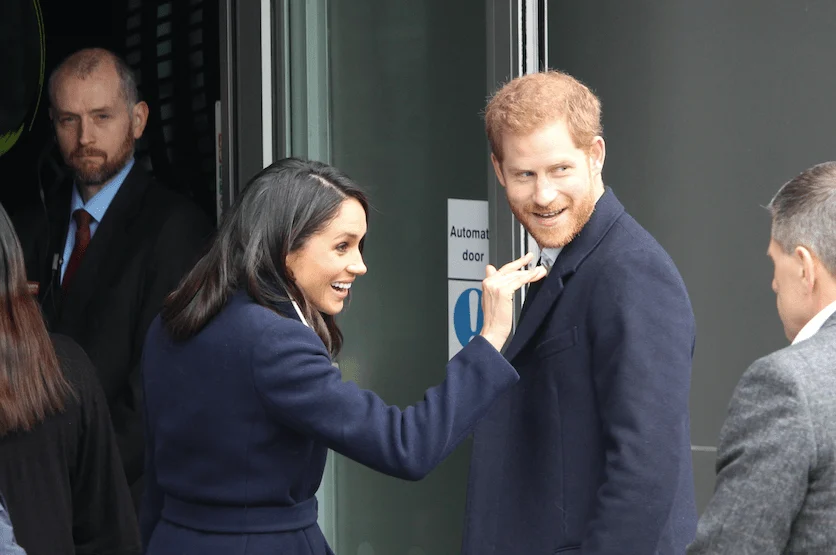
Weeks of mounting speculation surrounding the Duke and Duchess of Sussex’s recent return to the United Kingdom have culminated in a definitive and public statement from Buckingham Palace. In a move interpreted as a clear delineation of royal status, King Charles III has issued written confirmation to numerous official bodies, including government officials, military personnel, and Lord Lieutenants, clarifying that Prince Harry and Meghan Markle are not engaged as working members of the Royal Family. This official communication underscores their position as private citizens undertaking charitable and other engagements independently.
The directive, disseminated via the Lord Chamberlain, the highest-ranking official in the King’s Household, serves as a formal reiteration of the status quo established following the "Sandringham Agreement" in early 2020. This agreement was brokered after the Sussexes announced their intention to step back from senior royal duties, a decision that necessitated a redefinition of their roles and responsibilities. The core of the agreement stipulated that pursuing private business ventures would preclude them from continuing in any official royal capacity, a point that the recent communication forcefully reinforces.
This official clarification arrives at a pivotal moment, occurring mere hours after reports emerged suggesting the Duchess of Sussex’s potential recommitment to charitable work within the UK and an apparent understanding that such public appearances would be photographed. The Palace’s swift and unequivocal response is widely perceived as a direct and "sharp reminder" of their non-working status, aiming to preempt any ambiguity regarding their engagement in public life.
The Sandringham Agreement: A Defining Moment in Royal Reconfiguration
The current confirmation traces its origins back to January 2020, when Prince Harry and Meghan Markle, then the Duke and Duchess of Sussex, publicly declared their intention to step back as senior members of the Royal Family. This decision, announced via social media, sent ripples through the monarchy and the public alike. The initial statement articulated a desire to achieve financial independence while continuing to support their respective patronages and the Commonwealth.
Following this announcement, a significant family meeting was convened at Sandringham, the King’s country estate. This summit, attended by Queen Elizabeth II, Prince Charles (then Prince of Wales), Prince William, and the Duke and Duchess of Sussex, was crucial in negotiating the terms of their departure. The "Sandringham Agreement," as it became known, was a compromise that allowed the couple to pursue independent careers and personal projects but strictly curtailed their ability to represent the Crown. Critically, their expressed wish to continue representing the Royal Family at events such as Trooping the Colour was explicitly rejected, setting a clear precedent for their future public engagements.
Formalizing Non-Working Status: A Broad Distribution of Communication
The letter from the Lord Chamberlain is not a discreet internal memo but a widely circulated directive intended to leave no room for misinterpretation. Its recipients encompass a comprehensive list of individuals and entities involved in the planning and execution of official royal events. This includes:
- Government Officials: Ensuring that governmental departments understand the Sussexes’ private capacity when engaging with them on matters potentially related to public duties.
- Military Personnel: Clarifying that any involvement with military ceremonies or units by the Duke and Duchess is as private citizens, not as representatives of the Sovereign or the armed forces.
- Lord Lieutenants: These vice-regal representatives of the Crown in counties across the UK are crucial in organizing royal visits and local ceremonial events. Their clear understanding of the Sussexes’ status is paramount to avoid any protocol breaches.
- Organizers of Official Royal Events: This broad category likely includes various palace departments, event management companies, and protocol officers responsible for the logistics and guest lists of state occasions and royal tours.
Furthermore, the letter has also been directly communicated to the Duke and Duchess of Sussex themselves. This dual approach – informing those who arrange events and the individuals concerned – underscores the Palace’s commitment to clarity and the avoidance of any potential misunderstandings or misrepresentations of their current standing within the Royal Family.
Implications of the Palace’s Public Statement
The public acknowledgment of this communication by the Palace is a significant development. It transforms what might have been an internal administrative matter into a public declaration of the Sussexes’ status. This move carries several key implications:
- Reinforcement of Royal Boundaries: The confirmation serves to firmly demarcate the boundaries between working royals and those who have stepped back. It signals that while the Duke and Duchess may undertake private initiatives, they do not hold an official mandate to represent the King or the wider Royal Family.
- Prevention of Confusion: By notifying all relevant parties, the Palace aims to prevent any future confusion or misattribution of royal duties. This is particularly important in scenarios where the Sussexes might be photographed or reported as being involved in events that could be perceived as official engagements.
- Upholding the Sandringham Agreement: The letter acts as a robust defense of the original agreement. It demonstrates the Palace’s commitment to the terms set out in 2020 and ensures that the principles established then continue to be upheld.
- Signaling of Royal Patronage and Support: The fact that the Duke and Duchess are not working royals means they do not carry out official duties on behalf of the King. This also implies that their patronages, if any remain, are likely managed and supported in a private capacity, distinct from official royal endorsements.
- Prohibition on Public Use of Royal Titles: A critical component of their non-working status, as reinforced by this communication, is the restriction on the public use of their royal titles. While they retain their titles as Duke and Duchess of Sussex, their use in official capacities or in a manner that implies royal endorsement is prohibited. This reinforces their identity as private citizens.
The Sussexes’ Recent Return and Future Engagements
The Duke and Duchess of Sussex’s return to the UK in August of the preceding year was characterized by a "sudden and unexpected announcement." This timing coincided with the commencement of the autumn term, as their children, Archie and Lilibet, were enrolled in a new school. Their residence in the UK during this period, and their subsequent appearances, have been a subject of intense media scrutiny, fueling speculation about their future royal involvement.
Their return also followed a period of significant personal and professional development in the United States, where they have established their independent ventures, including Archewell Productions and Archewell Foundation. The recent confirmation from Buckingham Palace appears to be a preemptive measure to ensure that their activities in the UK, whether personal or charitable, are clearly understood within the context of their private status, separate from the official duties of the monarchy.
The implications of this formal clarification are far-reaching, not only for the Duke and Duchess of Sussex but also for the broader perception of the Royal Family’s structure and operational protocols. It underscores a commitment to transparency and a clear understanding of roles and responsibilities within the institution, particularly in an era where public figures often navigate complex personal and professional spheres. The Palace’s decisive action leaves no doubt about the current standing of Prince Harry and Meghan Markle, solidifying their position as private citizens operating independently of the Crown’s official engagements. This clear communication aims to provide a stable framework for their future public interactions, both within the UK and internationally.

 Joko Widodo
 admin
admin
 Lina Irawan
 Jia Lissa
 Pevita Pearce