
 admin
admin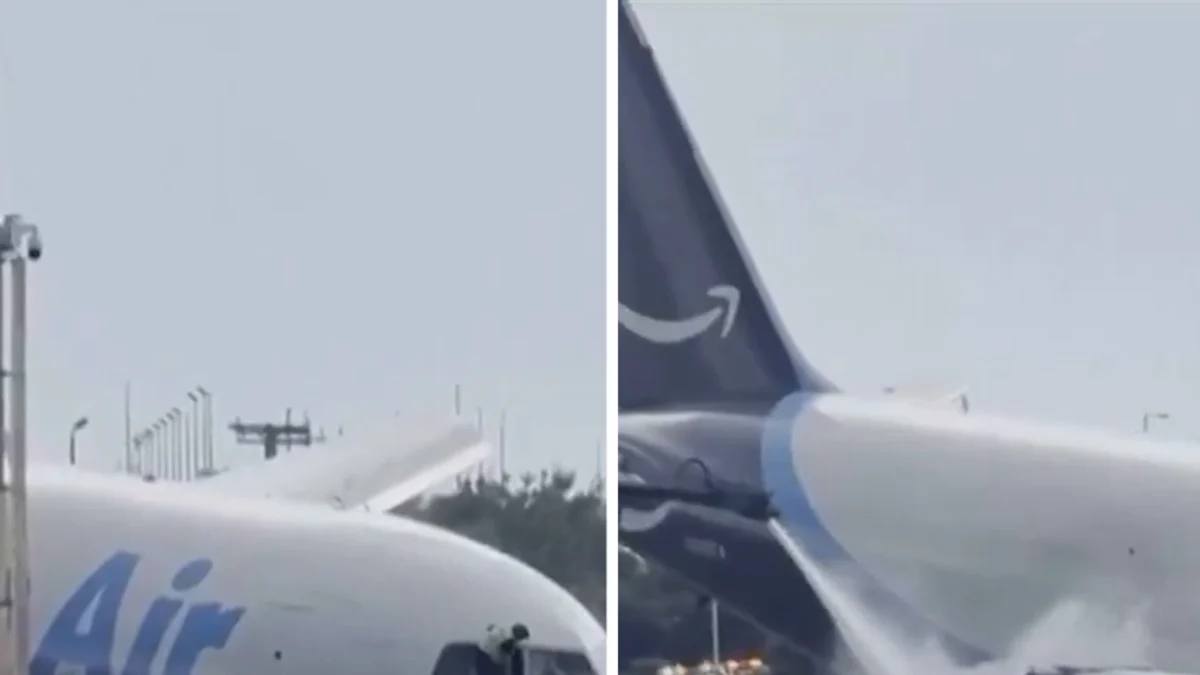
A devastating incident unfolded on Sunday, September 7, 2026, at Miami International Airport (MIA) when an Amazon Prime Air cargo plane, operated by 21 Air, overran the runway during landing, resulting in a fiery crash that claimed five lives and left five others injured. Emergency services, notably Miami-Dade County Fire Rescue, immediately sprang into action, with a newly surfaced video capturing the harrowing attempts by firefighters to extract survivors from the charred cockpit of the aircraft amidst ongoing flames. The crash prompted a significant three-hour ground stop at one of the nation’s busiest international air cargo hubs, sending shockwaves through the aviation industry and global logistics networks.
The Catastrophic Incident and Immediate Aftermath
The ill-fated flight, identified as 21 Air Flight 7598, had departed from San Juan, Puerto Rico, and was on its final approach to Miami International Airport. Reports indicate that upon landing, the Boeing 767 cargo jet failed to stop within the confines of the runway, overshooting it with catastrophic consequences. The aircraft veered off the paved surface, impacting vehicles on a nearby highway before coming to a violent halt in an adjacent field. The force of the impact and subsequent friction ignited a fire, with plumes of thick black smoke visible for miles around the airport perimeter.
Dispatch audio from Broadcastify, a public safety communications platform, provided early insights, revealing that the plane had collided with a truck on the roadway, a detail later confirmed by authorities. The scene was one of chaos and devastation, with wreckage strewn across the crash site and multiple vehicles caught in the path of the runaway aircraft. Among the five confirmed fatalities, one individual was tragically discovered beneath the plane’s right wing, a stark testament to the sheer destructive power of the incident.
Dramatic Rescue Efforts Caught on Video
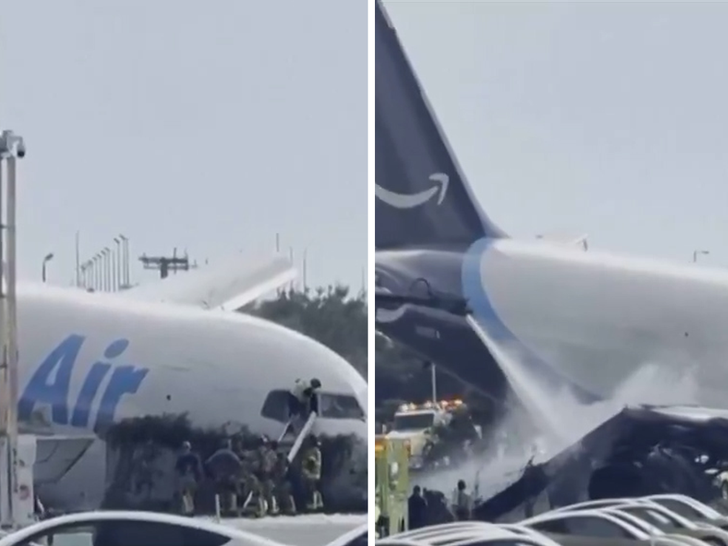
The newly released video footage offers a visceral glimpse into the courageous and perilous rescue operations undertaken by Miami-Dade County Fire Rescue personnel. The footage shows multiple firefighters clustered around the cockpit area, with one brave rescuer perched precariously atop a ladder extended from the tarmac directly to an open window of the cockpit. Through the smoke and visible charring, this firefighter can be seen actively attempting to extricate individuals trapped inside the severely damaged flight deck.
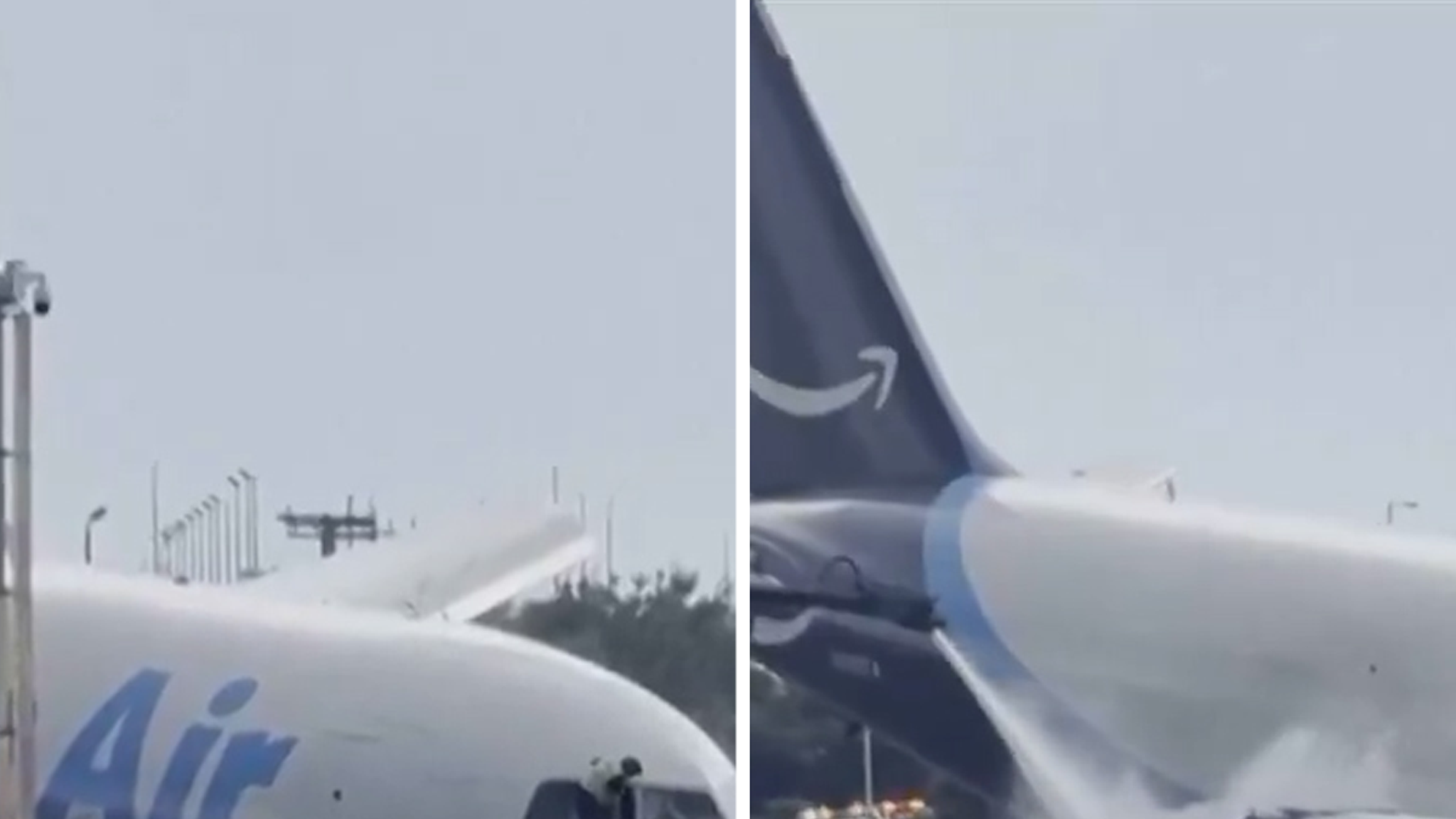
Simultaneously, other firefighters were captured hosing down one of the wings at the rear of the aircraft, battling the persistent flames that erupted from the smoking carcass. Fox News had reported that a fire flared specifically within one of the engines, indicating the complex and multi-faceted nature of the conflagration that emergency crews were forced to confront. The intensity of the fire, combined with the structural damage to the aircraft, presented immense challenges to the rescue teams, who worked tirelessly against time to locate and save any potential survivors. The coordination required for such a high-stakes operation, involving both fire suppression and extrication, underscores the rigorous training and bravery of the first responders on site.
Casualties and Medical Response
The human toll of the crash was significant. Of the ten individuals affected, five tragically lost their lives. The remaining five sustained various injuries and were immediately transported to local hospitals. Miami-Dade County Fire Rescue confirmed that three of the injured victims were listed in critical condition upon arrival at the hospital, battling life-threatening injuries. The other two injured individuals were also hospitalized after initial assessment, though their specific conditions were not immediately released to the public. The rapid deployment of paramedics and medical personnel to the scene was crucial in providing immediate care and stabilizing the injured before transport, a critical factor in improving survival rates in such severe incidents. The hospitals involved activated their mass casualty protocols, ensuring that adequate staff and resources were available to handle the influx of critically injured patients.
A Deep Dive into the Chronology of Events
The events leading up to and immediately following the crash unfolded rapidly.
- Early Sunday Morning (Departure): 21 Air Flight 7598, a Boeing 767-300 freighter, departs from Luis Muñoz Marín International Airport (SJU) in San Juan, Puerto Rico, carrying cargo for Amazon Prime Air. The flight is routine for this route, connecting a major Caribbean hub with a key logistical gateway in the U.S.
- Approx. 5:15 AM PDT (Initial Landing Phase): The aircraft begins its descent into Miami International Airport (MIA), a facility renowned for its extensive cargo operations. Air traffic control communications are standard, with no immediate indications of distress or mechanical issues reported by the flight crew.
- Approx. 5:18 AM PDT (Crash Landing): Upon touching down on the designated runway, the aircraft fails to decelerate effectively. It overruns the runway end, crashing through perimeter fencing.
- Impact and Fire Ignition: The runaway plane collides with vehicles on a public highway adjacent to the airport, causing immediate fatalities and injuries. The severe impact and friction from the runway excursion and subsequent ground movement trigger fires, with flames quickly engulfing parts of the aircraft and affected vehicles.
- Emergency Services Alerted: MIA’s control tower issues an immediate alert, initiating the airport’s comprehensive emergency response plan. Miami-Dade County Fire Rescue, airport police, and other emergency personnel are dispatched to the scene within minutes.
- Initial Response and Firefighting: Firefighters arrive to a chaotic scene of smoke, fire, and debris. Their primary objectives are fire suppression to prevent further escalation and immediate search and rescue. Water cannons and foam are deployed to combat the blaze, particularly in the engine areas and sections of the fuselage.
- Rescue Operations Commence: Teams focus on areas where survivors might be trapped, including the cockpit and the highway vehicles. The dramatic cockpit rescue attempt, as depicted in the new video, begins shortly after.
- Ground Stop Implemented: To ensure safety and facilitate emergency operations, Miami International Airport implements a full ground stop, halting all incoming and outgoing flights. This measure significantly impacts airport operations, leading to delays and diversions.
- Casualty Management: Injured individuals are extricated and receive immediate medical attention from paramedics on site before being transported to area hospitals. Fatalities are confirmed and secured.
- Investigation Initiated: As the immediate emergency subsides, preliminary investigations by the Federal Aviation Administration (FAA) and the National Transportation Safety Board (NTSB) begin, with initial assessments of the crash site and securing of evidence.
- Airport Reopening: After approximately three hours, with the crash site secured and immediate dangers mitigated, MIA gradually resumes limited operations, though the incident’s impact on air traffic continues for several more hours.
The Aircraft and Amazon Prime Air Operations
The aircraft involved in the crash was a Boeing 767-300ERF (Extended Range Freighter), a twin-engine wide-body jet renowned for its reliability and efficiency in cargo operations. This model is a workhorse in the global air freight industry, forming a significant portion of Amazon Prime Air’s fleet, which relies on contracted carriers like 21 Air to fulfill its vast logistical demands. Amazon Prime Air was established to enhance Amazon’s shipping capabilities, ensuring faster and more reliable delivery services for its customers worldwide. By operating its own dedicated cargo network, Amazon aims to reduce its dependence on third-party carriers and exert greater control over its supply chain.
21 Air, a U.S.-based cargo airline, operates a fleet of Boeing 767 freighters, typically under ACMI (Aircraft, Crew, Maintenance, and Insurance) contracts for larger logistics companies. These contractual arrangements are common in the air cargo sector, allowing e-commerce giants like Amazon to scale their operations without directly owning and maintaining an entire fleet of aircraft and crew. The safety record of Boeing 767s in cargo configuration is generally excellent, reflecting decades of robust design and maintenance standards. Therefore, any incident involving such an aircraft is thoroughly scrutinized to identify potential systemic issues rather than individual aircraft flaws.
Miami International Airport: A Critical Cargo Hub
Miami International Airport (MIA) is a pivotal gateway for international trade and travel, particularly for cargo moving between the United States, Latin America, and the Caribbean. It consistently ranks among the top airports globally for international freight, handling millions of tons of cargo annually. The airport’s strategic location and extensive infrastructure make it an indispensable link in the global supply chain, serving as a critical logistics hub for numerous companies, including Amazon.
MIA boasts multiple long runways designed to accommodate large cargo and passenger aircraft. The runway involved in the incident, like others at major airports, is equipped with various safety features, including engineered materials arrestor systems (EMAS) at some ends, though it is not yet confirmed if EMAS was present or effective at the specific overrun point of this crash. The approximately three-hour ground stop at MIA caused significant disruptions. Flights were diverted to alternative airports, leading to cascading delays across the air traffic network, particularly affecting time-sensitive cargo and passenger connections. The incident underscored the fragility of complex logistical systems when faced with unforeseen disruptions at critical nodes like MIA.
The Rigorous Investigation Ahead
Both the Federal Aviation Administration (FAA) and the National Transportation Safety Board (NTSB) have initiated comprehensive investigations into the crash. The FAA, responsible for regulating civil aviation safety, will focus on air traffic control communications, adherence to flight regulations, and initial operational factors. The NTSB, as the primary federal agency for investigating civil aviation accidents, will lead the more extensive inquiry to determine the probable cause of the incident.
The NTSB’s investigative process is meticulous and multi-faceted:

- Site Survey and Wreckage Documentation: Investigators will meticulously document the crash site, mapping debris fields, and analyzing impact points.
- Black Box Recovery: The flight data recorder (FDR) and cockpit voice recorder (CVR), commonly known as "black boxes," will be retrieved and sent to specialized laboratories for data extraction and analysis. These recorders provide critical information about the aircraft’s performance, control inputs, and cockpit conversations in the moments leading up to the crash.
- Wreckage Examination: Experts will examine the aircraft’s components, including engines, landing gear, flight control surfaces, and structural integrity, for any signs of mechanical failure, pre-existing damage, or fatigue.
- Witness Interviews: Air traffic controllers, ground personnel, other pilots, and any individuals who witnessed the crash will be interviewed to gather firsthand accounts.
- Crew Background and Records Review: The NTSB will review the flight crew’s training records, medical history, flight hours, and rest periods to assess any potential human factors.
- Maintenance Records Analysis: Extensive scrutiny of the aircraft’s maintenance history will be conducted to ensure all scheduled and unscheduled maintenance was performed correctly and on time.
- Environmental Factors: Investigators will also consider environmental factors such as weather conditions (wind shear, precipitation, visibility) at the time of landing, as well as runway conditions.
This exhaustive process can take months, or even over a year, to culminate in a final report detailing the probable cause and issuing safety recommendations to prevent similar incidents in the future. Both Amazon and 21 Air have publicly stated their full cooperation with the investigating authorities, emphasizing their commitment to safety and transparency.
Broader Implications and Industry Scrutiny
The Amazon Prime Air cargo plane crash carries significant implications beyond the immediate tragedy.
- Air Cargo Safety Standards: While aviation is statistically one of the safest modes of transportation, any major incident prompts a rigorous review of existing safety protocols, particularly within the rapidly expanding air cargo sector. This investigation may lead to recommendations for enhanced pilot training, updated runway safety measures, or modifications to aircraft systems.
- Supply Chain Resilience: For Amazon, a company built on efficient logistics, an incident of this magnitude highlights potential vulnerabilities in its supply chain. While one aircraft represents a small fraction of its vast network, a significant disruption or a perceived safety issue could impact operational confidence and potentially lead to adjustments in fleet deployment or carrier contracts.
- Airport Safety Protocols: The crash into a highway underscores the critical interface between airport operations and surrounding civilian infrastructure. Investigators will likely examine the adequacy of runway overrun protection zones and the design of airport perimeters to mitigate risks to external areas.
- Public Confidence: Although cargo flights do not carry passengers, such high-profile incidents can indirectly affect public perception of aviation safety as a whole. Transparency in the investigation and clear communication from authorities will be vital in maintaining public trust.
- Economic Impact: The direct economic costs include aircraft replacement, insurance claims, and potential legal liabilities. Indirect costs involve operational disruptions and potential reputational damage for the airline and Amazon.
The tragic Amazon Prime Air cargo plane crash at Miami International Airport serves as a somber reminder of the inherent risks in aviation, even with advanced technology and stringent safety measures. The bravery of the first responders, the dedication of investigators, and the resilience of the aviation community will be crucial in understanding what went wrong and in working towards an even safer future for air travel and cargo operations. The world watches as the NTSB and FAA piece together the full narrative, seeking answers and striving to prevent such tragedies from recurring.




 Lina Irawan
 Jia Lissa
 Pevita Pearce
 Joko Widodo