
 Jia Lissa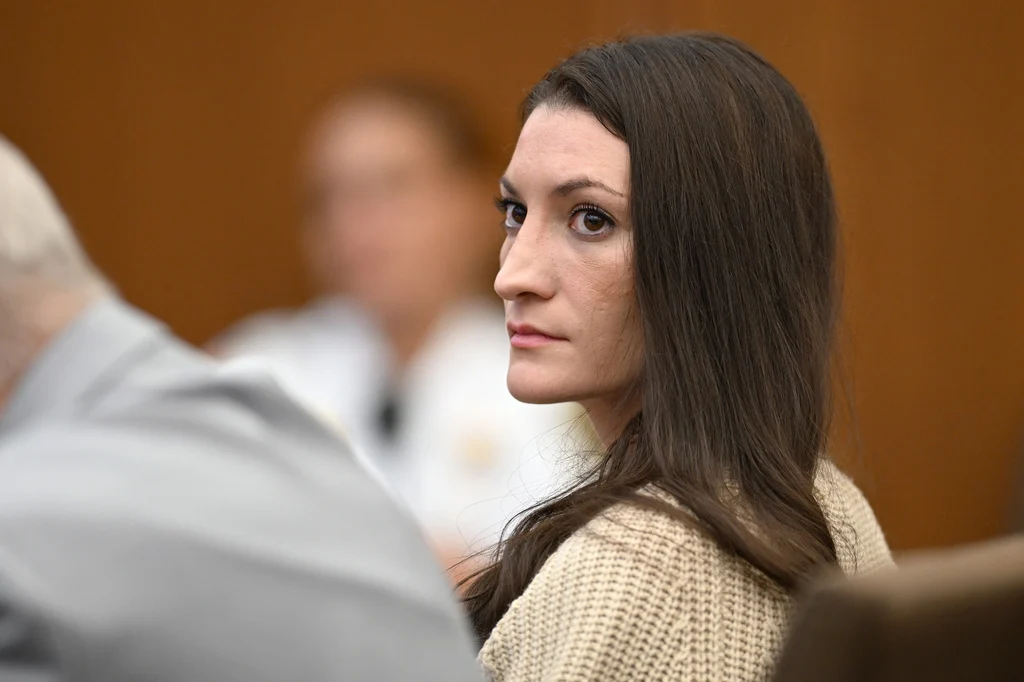
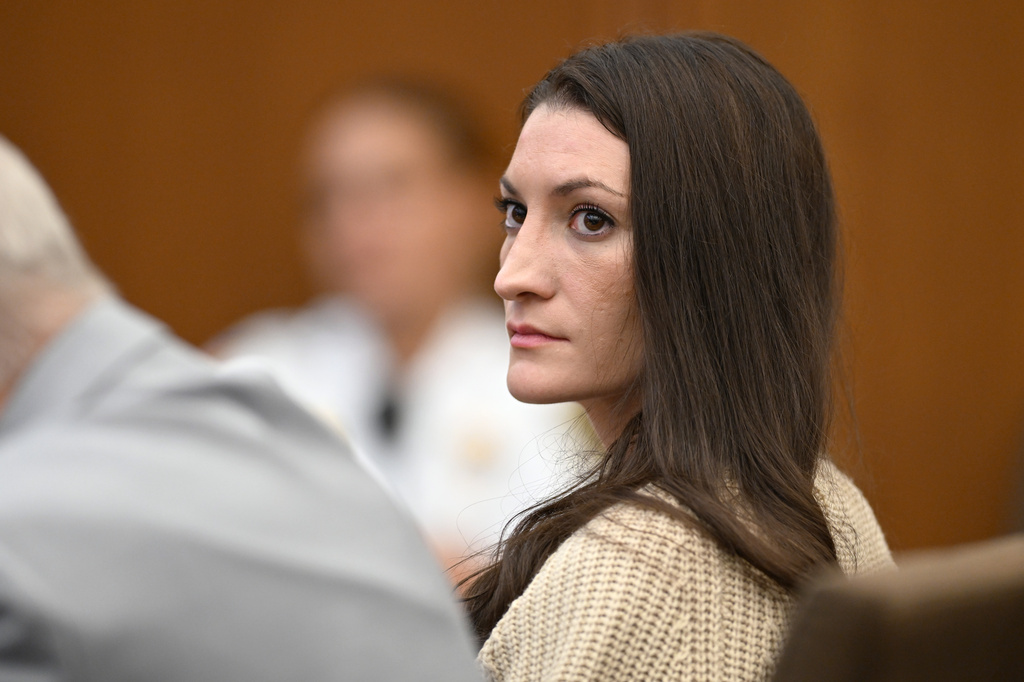
In a strongly worded statement that highlights the intersection of high-profile criminal proceedings and the volatile nature of digital discourse, Howard Cooper, the attorney for Patrick Clancy, has officially denounced what he describes as a "relentless, escalating and destructive" campaign of defamation against his client. The statement arrives in the immediate wake of a mistrial in the case of Lindsay Clancy, who is accused of the January 2023 murders of the couple’s three young children. Cooper’s intervention signals a significant shift in the legal strategy for Patrick Clancy, transitioning from a posture of private mourning to one of active legal defense against a wave of online conspiracy theories that have attempted to implicate him in the tragic deaths of five-year-old Cora, three-year-old Dawson, and eight-month-old Callan Clancy.
The mistrial, declared by Judge William Sullivan after more than six days of deadlocked jury deliberations, has left the Massachusetts community of Duxbury and the nation at large without a clear legal resolution. However, the vacuum created by the lack of a verdict has been filled by a surge of speculative content across social media platforms. According to Cooper, this content—driven by "minor celebrities" and "so-called influencers"—has transcended mere speculation, evolving into actionable defamation that threatens Patrick Clancy’s safety, reputation, and livelihood.
The Genesis of a National Tragedy
The case began on the evening of January 24, 2023, in the affluent coastal town of Duxbury, Massachusetts. Patrick Clancy had briefly left the family home to pick up a takeout order and medication, a routine errand that took approximately 55 minutes. Upon his return, he discovered his wife, Lindsay Clancy, a labor and delivery nurse at Massachusetts General Hospital, had jumped from a second-story window in an apparent suicide attempt. Inside the home, Patrick found his three children in the basement; they had been strangled with exercise bands.
Cora and Dawson were pronounced dead shortly after being discovered. Eight-month-old Callan was transported to a hospital and remained on life support for several days before succumbing to his injuries. Lindsay Clancy survived the fall but was left paralyzed from the waist down. The defense has consistently maintained that Lindsay was suffering from severe postpartum psychosis, a rare but devastating mental health condition, and was overmedicated with a cocktail of psychiatric drugs at the time of the killings. The prosecution, conversely, argued that the acts were premeditated, citing the timing of the errand and the methodology of the strangulations as evidence of a "planned" event.
A Chronology of the Clancy Case and Legal Proceedings
The legal timeline of the Clancy case reflects the complexity of balancing mental health defenses with the gravity of multiple homicides.
- January 24, 2023: The incident occurs at the Clancy residence in Duxbury. Lindsay Clancy is hospitalized; Patrick Clancy issues a public statement shortly after, asking for forgiveness for his wife.
- February 7, 2023: Lindsay Clancy is arraigned from her hospital bed. Prosecutors detail the timeline of the evening, while the defense highlights her history of seeking mental health treatment.
- Spring-Summer 2023: Multiple evidentiary hearings take place. Lindsay is moved to a state-run mental health facility for ongoing evaluation and treatment.
- August 2023: Reports emerge regarding Patrick Clancy’s personal life, including his eventual move and efforts to rebuild his life, which trigger the first wave of social media scrutiny.
- September 2026: The murder trial begins. The jury hears weeks of testimony from medical experts, law enforcement, and family members.
- Late September 2026: After six days of deliberation, the jury informs the court they are unable to reach a unanimous verdict. Judge Sullivan declares a mistrial.
- October 2026: Howard Cooper issues a formal statement addressing the defamation campaign against Patrick Clancy.
The Rise of Social Media "True Crime" Sleuthing
The statement released by Howard Cooper specifically targets the "influencer" culture that has adopted the Clancy case as a source of content. In the years following the tragedy, platforms like TikTok, YouTube, and X (formerly Twitter) have seen the rise of "true crime" creators who analyze court documents and bodycam footage. In the Clancy case, this has manifested in baseless theories suggesting Patrick Clancy was either an accomplice or the primary instigator of the violence.
Cooper’s statement noted, "This campaign of misinformation has been launched and promoted by minor celebrities, so-called influencers and outright conspiracy theorists who appear intent on boosting their own social media profiles and potential profit by publishing what they know to be outright falsehoods."
Legal experts suggest that the "gamification" of criminal trials by social media users often leads to the harassment of victims and witnesses. In Patrick Clancy’s case, the fact that he has since remarried and attempted to move forward has been used by online theorists as "evidence" of a motive—a claim that law enforcement and prosecutors have never substantiated. Cooper emphasized that law enforcement has been notified of the specific threats and defamatory statements, indicating that civil litigation against specific online personalities may be imminent.
Supporting Data: Postpartum Psychosis and Perinatal Mental Health
Central to the trial and the public discourse is the medical reality of postpartum psychosis (PPP). According to Postpartum Support International (PSI), PPP is a severe mental health emergency that occurs in approximately 1 to 2 out of every 1,000 deliveries. Unlike postpartum depression, PPP is characterized by a break from reality, hallucinations, and delusions.
Data from the National Institutes of Health (NIH) indicates that the risk of infanticide or suicide is significantly elevated in patients experiencing untreated or improperly treated PPP. In the Clancy case, the defense argued that Lindsay had sought help at least 22 times in the months leading up to the tragedy. This medical context is frequently ignored by online conspiracy theorists, who prefer a narrative of domestic malice over a complex medical tragedy.
The statement from Patrick Clancy’s attorney reaffirmed Patrick’s commitment to "supporting other women facing perinatal mental health challenges," suggesting that despite the personal attacks, he remains dedicated to the cause of maternal mental health awareness—a cause he championed shortly after the deaths of his children through various charitable initiatives.
Official Responses and Potential Legal Recourse
The declaration of a mistrial puts the Massachusetts District Attorney’s office in a difficult position. Prosecutors must now decide whether to seek a retrial, offer a plea agreement, or drop the charges entirely—though the latter is considered highly unlikely given the severity of the crimes.
"Enough is enough," Cooper’s statement read. "Those responsible should understand that there will be consequences, and every appropriate measure will be pursued to hold them accountable, including legally."
From a legal standpoint, Patrick Clancy may have strong grounds for defamation suits. In Massachusetts, a private individual must prove that a defendant published a false statement about them to a third party that caused harm. When the statements involve the accusation of a crime (such as murder), they may be considered "defamation per se," where damages are presumed. The challenge for Clancy’s legal team will be identifying the anonymous or semi-anonymous actors behind the social media accounts and proving that their statements were made with at least negligence regarding the truth.
Broader Implications for High-Profile Litigation
The Clancy case serves as a harbinger for the future of high-profile criminal litigation in the digital age. The "court of public opinion" has moved from the sidelines of the evening news to the palm of the hand, where unverified claims can reach millions in seconds.
The harassment of Patrick Clancy highlights a growing trend where those left behind in the wake of a tragedy are revictimized by digital spectators. For the legal system, this presents a challenge in jury selection and the maintenance of a fair trial environment. If a retrial is scheduled, the pervasive nature of the conspiracy theories mentioned by Cooper will make it increasingly difficult to find an untainted jury pool in the Commonwealth of Massachusetts.
As the legal community awaits the District Attorney’s decision on a retrial, the focus remains on the boundaries of free speech versus the right to be free from defamatory harassment. Patrick Clancy’s decision to move forward with legal warnings suggests that the patience of those caught in the center of "true crime" sensations is wearing thin. For now, the memory of Cora, Dawson, and Callan remains overshadowed by a complex legal stalemate and a digital firestorm that shows no signs of abating.




 Yuyun Lusiyani
 Joko Widodo
 Pevita Pearce
 admin
admin
