
 Pevita Pearce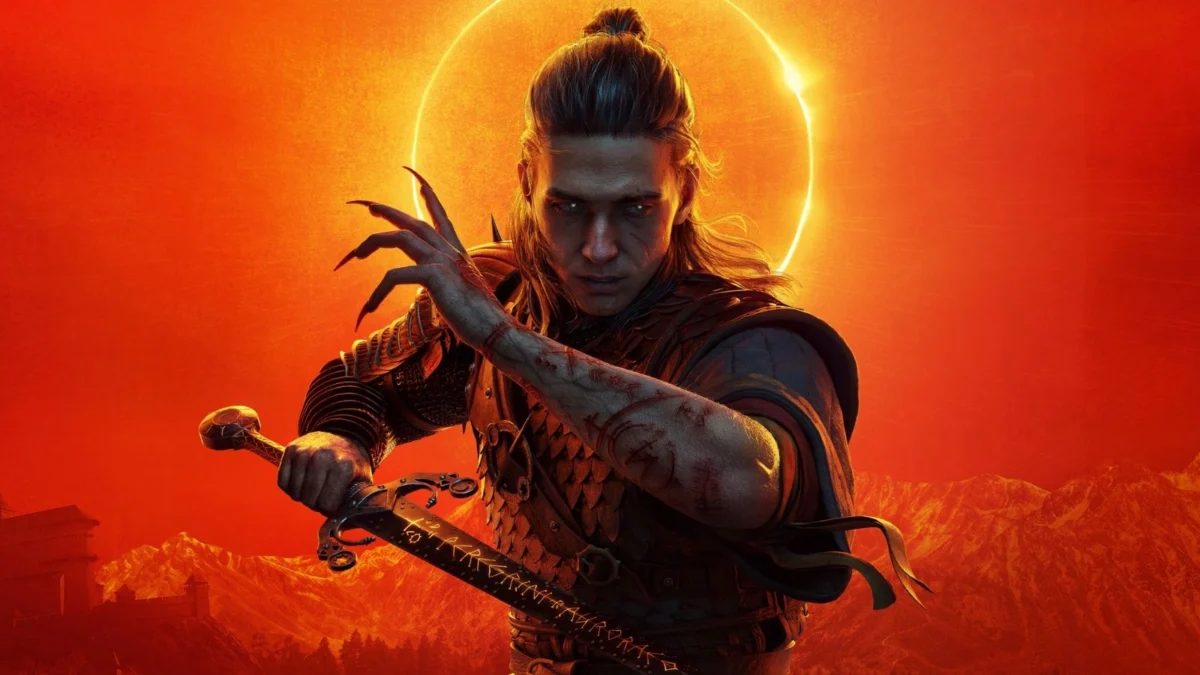
The move signals an aggressive expansion strategy for Rebel Wolves, a studio that has sought to redefine the boundaries of the action role-playing game (ARPG) genre since its inception. The recent job listing for a Lead Writer, intended to join the Narrative Team either in-house in Warsaw or via remote collaboration, marks the formal commencement of pre-production for the next chapter in the Dawnwalker universe. This role is not merely a creative position but a leadership one, reporting directly to Narrative Director Jakub Szamałek, a name synonymous with high-caliber storytelling in the industry. The successful candidate will be tasked with managing a dedicated team of writers, overseeing the development of dialogue and cinematic sequences, and ensuring the internal consistency of a lore-heavy universe that spans multiple eras.
The Genesis of Rebel Wolves and the Dawnwalker Legacy
To understand the significance of the current expansion, one must look at the pedigree of Rebel Wolves. Founded by Konrad Tomaszkiewicz, the former Game Director of The Witcher 3: Wild Hunt, the studio was built on a philosophy of creative independence and a "team-first" mentality. The objective was to create a "boutique" AAA experience—games that possess the high production values of major industry blockbusters but are developed within a more agile, developer-centric environment.
The Blood of Dawnwalker was the first realization of this vision. From its early teaser phases, the project drew significant attention due to its dark fantasy aesthetic and its promise of a mature, choice-driven narrative. The game centers on Coen, a protagonist whose journey is inextricably linked to the supernatural and the historical. The studio’s ability to deliver a polished, new IP that resonated with both hardcore RPG fans and mainstream audiences has provided the financial and creative "runway" necessary to commit to long-term franchise planning.
The decision to hire a Lead Writer so soon after launch reflects a common practice among high-tier studios looking to minimize the "dead time" between releases. Given that modern AAA titles often require four to six years of development, establishing the narrative framework for a sequel or expansion is a critical first step. By securing leadership for the writing team now, Rebel Wolves ensures that the thematic and structural foundations of the next game are laid while the momentum of the first title is still at its peak.
Analyzing the Multi-Era Narrative Ambition
One of the most striking aspects of the Dawnwalker franchise is its chronological scope. In June, prior to the game’s launch, Rebel Wolves teased a narrative structure that departs from the traditional linear progression of fantasy sequels. The studio unveiled a CGI trailer that depicted the protagonist, Coen, being transitioned from a 14th-century setting into a period much closer to the modern day. This suggests that the "Dawnwalker saga" is intended to be a centuries-spanning epic, tracing the evolution of its world and characters through different historical epochs.
Jakub Szamałek has described the project as an "epic series in the making," emphasizing that the world itself will undergo radical transformations between entries. This presents a unique challenge for the narrative team: maintaining the identity of a franchise while the fundamental setting—technology, social structures, and cultural norms—shifts entirely. A vampire hunting monsters in medieval Europe operates under a completely different set of constraints and tropes than a vampire navigating the complexities of the 21st century.
The requirement for a Lead Writer with "leadership chops" and a "documented track record" is a direct response to this complexity. The studio is looking for an architect who can bridge these temporal gaps, ensuring that the core "DNA" of the story remains intact even as the world around Coen changes. This approach to world-building is reminiscent of high-concept literary sagas, positioning Rebel Wolves as a studio that prioritizes narrative innovation alongside graphical fidelity.
Technical Benchmarks and Market Reception
The success of The Blood of Dawnwalker is particularly noteworthy given the technical demands it placed on its player base. Prior to launch, the game’s PC requirements were a subject of intense discussion within the gaming community. To experience the game at 4K resolution with optimal settings, players were informed they would need hardware equivalent to high-end, modern graphics cards—specifications that some deemed "eye-watering."

However, rather than deterring players, these requirements seem to have underscored the game’s status as a true next-generation experience. Built on Unreal Engine 5, The Blood of Dawnwalker utilized advanced lighting and geometry systems to create a world of unprecedented detail. The high barrier to entry on PC was balanced by optimized console versions, allowing the game to reach a broad audience. The one-million-sales figure is a testament to the fact that players are willing to invest in high-spec hardware if the software justifies the expenditure.
The critical reception further bolstered these sales. Reviewers praised the game for its "rare feat" of establishing a brand-new IP that felt lived-in and narratively complete. Comparisons to The Witcher 3 were inevitable given the studio’s lineage, but most critics agreed that Dawnwalker managed to carve out its own identity, particularly through its darker, more atmospheric tone and its focus on the internal conflict of its protagonist.
Economic Impact and Studio Growth
The financial success of the debut title has significant implications for the Polish game development sector and the broader industry. As an independent studio that secured investment from giants like NetEase, Rebel Wolves has demonstrated that there is a viable path for veteran-led startups to compete with established publishers. The "seven-figure debut" provides a level of financial security that allows the studio to expand its headcount and invest in even more ambitious technology for the sequel.
The current hiring surge is likely only the beginning. As the narrative team takes shape under the new Lead Writer and Jakub Szamałek, other departments—including art, level design, and engineering—will eventually follow suit to support the production of the "next chapter." This growth cycle is essential for a studio aiming to maintain a regular release cadence while keeping the quality of their output at a "must-play" level.
Furthermore, the decision to offer remote work options for the Lead Writer position reflects a modern approach to talent acquisition. By casting a global net, Rebel Wolves is positioning itself to attract top-tier narrative talent from across the world, potentially bringing in writers with experience in film, television, or literature to supplement their existing game-writing expertise.
Future Implications: What Comes After Coen?
While the current game focuses heavily on Coen’s initial journey, the studio’s talk of a "saga" suggests that the Dawnwalker universe is being built to outlast any single character or era. The recruitment of a Lead Writer to "craft the next chapter" implies that the story is moving beyond the immediate resolution of the first game’s plot.
If the studio follows through on its promise of a centuries-spanning narrative, the next installment could potentially explore the "middle ages" of the Dawnwalker timeline—perhaps the Renaissance or the Industrial Revolution—before fully arriving at the modern setting teased in the trailers. This would allow Rebel Wolves to explore different sub-genres of fantasy and horror, from gothic romance to urban fantasy, all within the framework of a single franchise.
The implications for the industry are clear: Rebel Wolves is not content with being a "one-hit wonder." They are meticulously constructing a franchise intended to stand alongside the giants of the RPG genre. With a proven sales record, a team of seasoned veterans, and a clear vision for a multi-era epic, the studio is well-positioned to become a dominant force in narrative-driven gaming for the next decade.
As the search for the new Lead Writer concludes and development on the next chapter intensifies, the industry will be watching closely. The Blood of Dawnwalker has set a high bar, not just for Rebel Wolves, but for all independent studios aiming for AAA excellence. The next chapter will be the true test of whether this "vampire saga" can maintain its bite across the centuries.




 Yuyun Lusiyani
 Joko Widodo
 Jia Lissa
 admin
admin
