
 Yuyun Lusiyani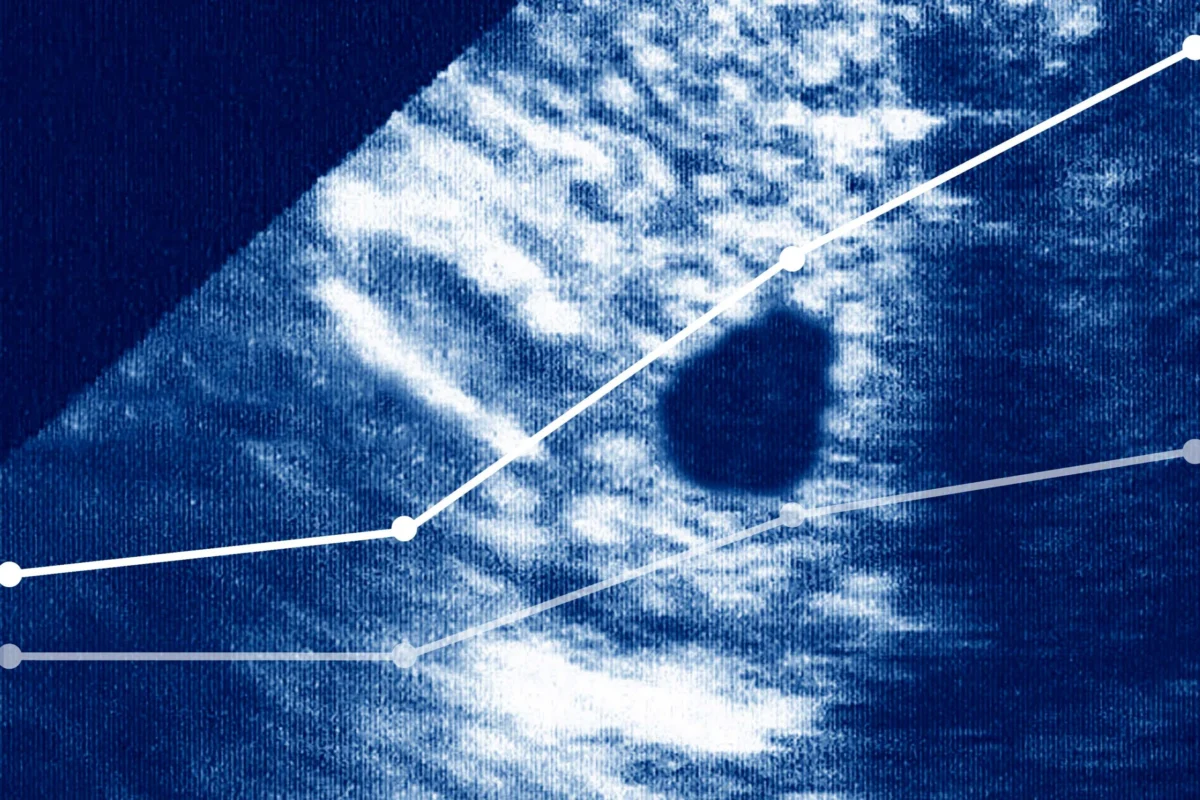
A recent ProPublica investigation has unveiled a alarming increase in deaths stemming from ectopic pregnancies across the United States in recent years, a critical public health issue that has largely escaped official scrutiny and response. This mounting crisis, detailed through an extensive analysis of Centers for Disease Control and Prevention (CDC) data, signals a troubling regression in maternal health outcomes for a condition that medical experts widely consider preventable with timely intervention.
Ectopic pregnancies are a life-threatening obstetric emergency, occurring when a fertilized egg implants outside the uterus, most commonly within a fallopian tube. Unlike a uterine pregnancy, an ectopic pregnancy cannot progress to term and, if left untreated, the growing embryo will inevitably cause the organ to rupture. This catastrophic event leads to severe internal bleeding, shock, and, without immediate medical attention, death. Maternal health experts unequivocally state that with prompt and appropriate medical care, women should not die from an ectopic pregnancy. Yet, ProPublica’s analysis reveals a stark and baffling increase: nearly 200 women died from this condition between 2020 and 2025, a dramatic doubling compared to approximately 100 deaths recorded in the preceding six years. "A death related to ectopic pregnancy should really be a never event," emphasized Dr. Alice Abernathy, an OB-GYN based in Philadelphia, underscoring the gravity of this surge.
The Intersecting Crises: Pandemic, Policy, and Patient Safety
The timeline of this alarming trend coincides with two significant disruptions to the U.S. healthcare landscape: the COVID-19 pandemic and the widespread imposition of state-level abortion restrictions following the Supreme Court’s 2022 decision to overturn Roe v. Wade. While the initial chaos and access issues at hospitals during the pandemic likely contributed to some of the early increase in deaths, the persistence and exacerbation of the surge raise serious questions about the profound role of the latter: state-mandated restrictions on abortion.
Treating an ectopic pregnancy, which is almost never viable and poses an immediate threat to the patient’s life, necessitates its termination. This medical procedure, often involving medication like methotrexate or surgical intervention, is legally considered an abortion in many contexts. Consequently, in states with strict abortion bans, medical providers face an agonizing dilemma. Lawsuits and federal complaints have documented instances where doctors, fearing criminal penalties or professional repercussions for performing an "abortion," have hesitated or outright refused to provide timely care for ectopic pregnancies. Patients caught in this precarious legal and medical limbo have described profound terror and near-fatal experiences.
Kyleigh Thurman’s harrowing ordeal in Texas in 2023 exemplifies this crisis. Despite clear signs of an ectopic pregnancy, she was sent home by two emergency departments without her complication being resolved. Her right fallopian tube eventually ruptured, necessitating its removal. "I genuinely thought I was going to die," Thurman recounted, describing the terrifying uncertainty she faced. Similarly, Leitaea Lowrimore of Oklahoma, in a lawsuit filed after being denied treatment for an ectopic pregnancy at multiple hospitals in February 2024, echoed this fear: "There were a few times I asked my husband if I was going to die. I kept thinking about our kids."
A Widening Divide: Ectopic Deaths in Ban States
To move beyond anecdotal evidence, ProPublica’s analysis delved into CDC data from every state, revealing a growing and disturbing divide. While the uptick in ectopic deaths has occurred nationwide, the increase has been significantly steeper in states that enacted strict abortion bans after the Supreme Court’s 2022 ruling. These "strict ban" states typically implement prohibitions at six weeks of pregnancy or earlier, creating a climate of fear and uncertainty for both patients and providers.
Maternal health experts, many of whom were unaware of the specific spike in ectopic deaths due to chronic under-researching of early pregnancy complications, cautioned that abortion bans alone cannot explain the national rise. However, they uniformly agreed that any comprehensive examination of this surge must include the documented delays in care directly attributable to these restrictive laws, including for ectopic pregnancies. This confluence of factors, they argue, creates a perfect storm for preventable tragedies.
Kyleigh Thurman’s case underscores the systemic failures. Regulators in 2025 found that one of the hospitals she visited, Ascension Seton Williamson, failed to properly screen her for a suspected ectopic pregnancy and did not call in an OB-GYN, violating both hospital policies and federal law (EMTALA) requiring emergency departments to treat and stabilize patients. Thurman has an ongoing malpractice lawsuit against Ascension Seton Williamson and another hospital, Ascension Seton Highland Lakes. She likened her condition to having "a time bomb you can’t control," highlighting the extreme vulnerability patients experience. Ascension Seton hospitals, through a spokesperson, stated they provide "medically indicated treatment, including treatment for an ectopic pregnancy," while denying Thurman’s malpractice allegations in court filings.
Ectopic pregnancies, though rare (affecting up to 2% of pregnancies in the U.S.), have long been recognized as the leading cause of maternal deaths in the first trimester. The true incidence of the condition itself is difficult to ascertain, as government agencies do not mandate tracking or reporting of overall ectopic diagnoses. While other pregnancy-related deaths also saw increases during the pandemic, those trends have largely subsided, making the continued rise in ectopic deaths particularly perplexing. Experts are still working to understand why, especially as the increase in deaths has been even more stark among younger women, despite ectopic pregnancies being generally more common in older women.
Medical Quandaries and Legislative Ambiguity
The core issue in ban states often revolves around the diagnostic challenges of early pregnancy. Many state abortion bans nominally include exceptions for ectopic pregnancies. However, clinicians report that the fear of legal repercussions makes them hesitant to offer treatment without an "ironclad diagnosis," which can take days or even weeks to confirm and significantly escalate risks to the mother.
Ectopic pregnancy symptoms, such as abdominal pain and bleeding, often prompt emergency room visits. Doctors use ultrasounds and blood tests (monitoring hCG levels) to locate the pregnancy. Critically, in very early stages, an embryo may not be visible on an ultrasound, leading to a diagnosis of "pregnancy of unknown location." This could indicate an ectopic pregnancy, a very early normal pregnancy, or a miscarriage. While blood tests over several days can help clarify the situation, waiting for definitive visual confirmation via ultrasound in a ban state can prove deadly.
"Seeing a mass is not the only reason to have high suspicion for an ectopic pregnancy," asserted Dr. Rebecca Nerenberg, an emergency medicine doctor in New York and clinical director at Access Bridge, an organization that educates ER doctors on reproductive healthcare. Experts contend that doctors should be able to initiate treatment based on other compelling symptoms, such as plateauing pregnancy hormone levels, persistent bleeding, and abdominal pain. Treatment can involve a procedure or a methotrexate injection, a drug that stops cell growth. However, in states with bans, this crucial flexibility is often curtailed by legal anxieties.
Lowrimore’s case further illustrates this. Despite living near the state border in Oklahoma, she sought care in Arkansas after experiencing severe symptoms. Diagnosed with a "pregnancy of unknown location," she was repeatedly sent home and denied treatment across three different hospitals in both states over a week. Even with exceptions for ectopic pregnancies in state laws, doctors hesitated. One physician explicitly told her that intervening could lead to "10 years in the poky," a chilling testament to the chilling effect of these laws. Lowrimore eventually drove to Kansas, where abortion is legal, and received life-saving methotrexate within hours. Her ongoing lawsuit seeks to block Arkansas’s abortion ban, and regulators cited Mercy Hospital in Fort Smith, Arkansas, for failing to provide care during her eight-hour wait. Mercy Hospital declined to comment on the specific case, stating it provides "all medically indicated treatment to save her life" in life-threatening situations.
Texas: A Case Study in Complications
ProPublica’s further analysis of hospital data from Texas, the most populous state with an abortion ban, provides compelling evidence of increased severe health outcomes. In 2023 and 2024, Texas saw 310 more patients experience substantial blood loss after an ectopic pregnancy compared to 2018 and 2019 – an approximate 29% increase. Similar to the death rates, this rise began during the COVID-19 pandemic but remained elevated even after hospital systems stabilized and the state’s restrictive law took effect.
In response to ProPublica’s prior reporting on other deadly impacts of Texas’s abortion ban, the state passed the "Life of the Mother Act" in 2025, attempting to clarify medical exceptions, explicitly adding ectopic pregnancies to the list. However, subsequent guidance from the Texas Medical Board only included a case study featuring an ectopic pregnancy clearly visible on an ultrasound. It remained conspicuously silent on the common scenario where early ultrasounds fail to detect implantation location. This ambiguity leaves doctors in a precarious position, facing potential 99-year prison sentences for "illegal abortions," and allows prosecutors to question diagnoses that lack definitive visual confirmation. A spokesperson for the Texas Medical Board stated their course is not exhaustive and that physicians following evidence-based medicine face minimal risk, but declined to comment on the necessity of a conclusive ultrasound for diagnosis.
Michelle Maloney, an attorney representing Thurman and other Texas women denied care for pregnancy complications (including seven with ectopic pregnancies), confirms the ongoing crisis: "I don’t think specific exemptions address the massive gray areas that arise in pregnancy." Solutions from within these states are unlikely, as previous ProPublica investigations found that states with strict bans are not studying whether their laws contribute to maternal deaths, and few have followed Texas in attempting to amend their bans.
Gaps in Research, Training, and Federal Awareness
Beyond the legislative landscape, a fundamental challenge to reducing ectopic pregnancy deaths nationwide is a glaring lack of awareness, comprehensive research, and robust data collection. Crucially, no national system tracks whether women experiencing ectopic pregnancies also had common risk factors such as a history of previous ectopics, infertility, or use of hormonal intrauterine devices. Similarly, there is no published research addressing the potential connection between rising ectopic deaths and untreated sexually transmitted infections (like gonorrhea and chlamydia), which saw substantial increases during the pandemic and can cause pelvic inflammatory disease, a known risk factor for ectopic pregnancies.
The silence from the CDC and other federal agencies across two administrations regarding this death spike, despite having access to the same data ProPublica analyzed, is deeply troubling. Experts lament that the country’s capacity to respond to such crises has been severely diminished. Robert F. Kennedy Jr., Secretary of the Department of Health and Human Services, stated in April that improving maternal health outcomes is a priority. Yet, the current administration has significantly cut funding for healthcare research and decimated staff dedicated to maternal health. The CDC’s Division of Reproductive Health, for example, lost most of its 100 employees, with an entire division responsible for the Pregnancy Risk Assessment Monitoring System now on paid administrative leave. "You’re losing the capacity to know what’s going on with pregnant women," warned Lee Warner, former chief of the Women’s Health and Fertility Branch at the CDC, adding, "It’s going to take decades to build this capacity back."
These funding cuts also extend to critical awareness and training initiatives. Ectopic pregnancies often cause complications before standard prenatal care begins, meaning patients frequently rely on emergency departments, where doctors may lack specialized training in early pregnancy care. The CDC, in 2025, ceased funding a partnership with the American College of Obstetricians and Gynecologists (ACOG) aimed at educating emergency medicine doctors about reproductive healthcare. While ACOG’s foundation now funds this initiative, and new guidelines for managing tubal ectopic pregnancies in the ED are in development, the withdrawal of federal support created a dangerous void. A spokesperson for HHS asserted that the agency continues to track maternal mortality trends and provide funding for research, stating that this "important work is being accelerated." However, the evidence suggests a significant lag in federal acknowledgment and targeted action on the ectopic pregnancy crisis.
Lessons from Abroad: The UK’s Proactive Response
The stark contrast with the United Kingdom’s response to a similar, albeit smaller, spike in ectopic deaths during the pandemic highlights the U.S.’s systemic failures. Researchers and officials in the U.K. and Ireland identified a surge in 2021 and 2022, with 12 women dying from ectopic pregnancies – a near doubling of their death rate. Crucially, they investigated these deaths, identifying culprits such as overstretched emergency services and inadequate early pregnancy screenings.
Professor Marian Knight of the University of Oxford, who leads the U.K.’s maternal mortality reporting, co-authored a 2024 report specifically focusing on these deaths and offering policy recommendations. Working with policymakers and a U.K. charity, Knight’s team raised awareness among both medical professionals and the public about ectopic pregnancy symptoms. Officials also implemented changes to how patients with suspected ectopic pregnancies are prioritized for ambulance services, leading to faster response times. Knight emphasized the critical first step: "If we’re not tracking and not just understanding the numbers, but understanding the why behind the numbers, we have no ability to respond."
In the U.S., there are no national maternal mortality reviews. Instead, CDC epidemiologists compile national totals from state data, largely leaving in-depth case reviews and policy recommendations to state and local maternal mortality committees. Eugene Declercq, a public health researcher at Boston University and a member of the Massachusetts Maternal Mortality and Morbidity Review Committee, noted that his committee has not identified a notable increase in ectopic deaths in Massachusetts, as such deaths are often too sporadic at the state level to reveal trends in isolation. It is only at the national level, through analyses like ProPublica’s, that this deeply concerning increase in avoidable deaths becomes visible.
The rising death toll from ectopic pregnancies in the United States, particularly among younger women, is a grim indicator of a healthcare system under strain and increasingly impacted by legislative interference. "This is a potentially profound consequence of the regulation," stated Caitlin Myers, a Dartmouth College economist who studies abortion policy, calling for urgent investigation. Dr. Courtney Schreiber, a professor of obstetrics and gynecology, summarized the gravity of the situation: "Reproductive health is unusual across medicine when we consider how swiftly policy changes affect the care patients can receive… That is not what we should be seeing in the United States of America." The data unequivocally demands immediate attention, comprehensive research, and policy reforms to ensure that preventable tragedies like ectopic pregnancy deaths do not continue to become a tragic norm.




 Joko Widodo
 Jia Lissa
 Pevita Pearce
 admin
admin