
 Lina Irawan
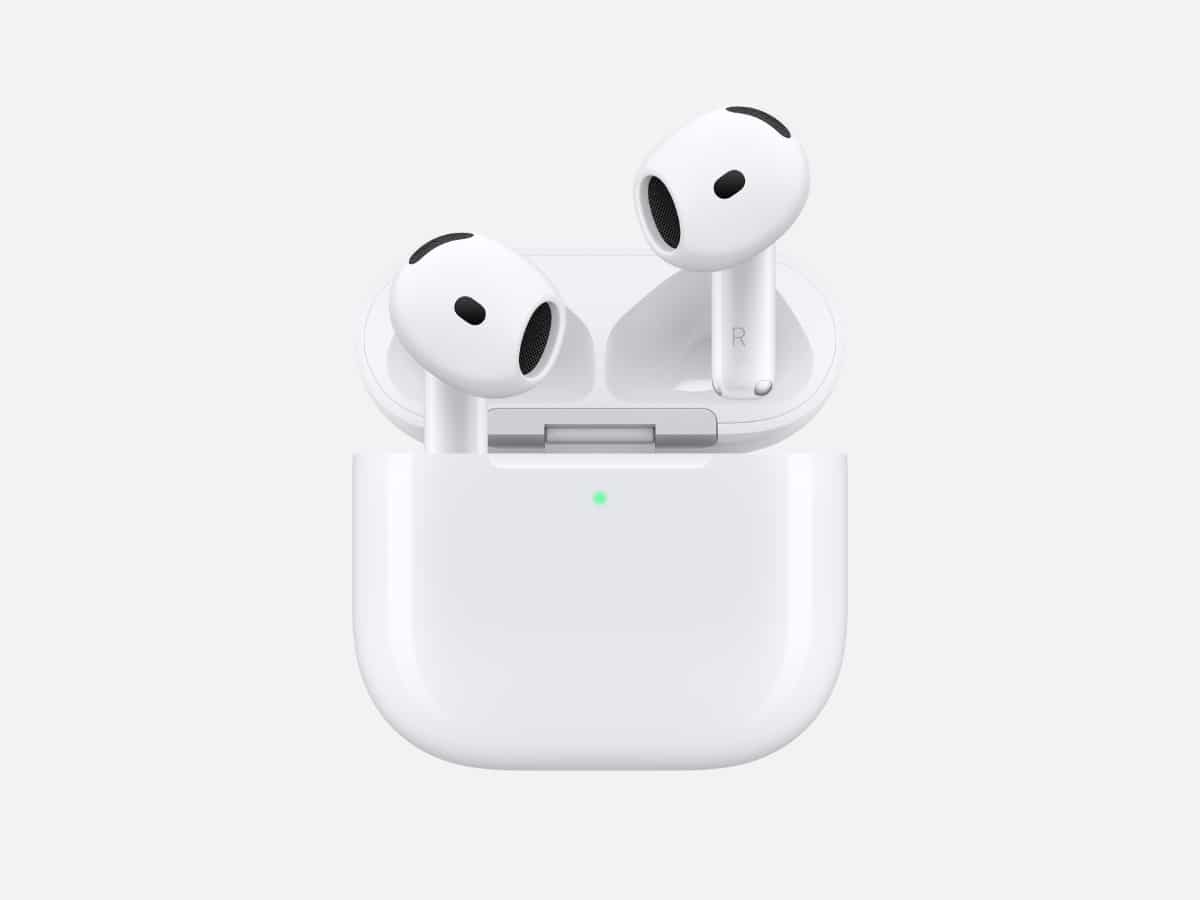
The global personal audio market shifted significantly this week as Apple officially unveiled the AirPods 5, marking a pivotal moment in the democratization of high-end audio features. For the first time in the product line’s history, Active Noise Cancellation (ANC) has transitioned from a premium "Pro" exclusive to a standard feature in Apple’s entry-level earbuds. Despite a volatile economic climate that has seen recent price hikes across the MacBook and iPad portfolios, Apple has maintained a competitive entry price of AUD$219 for the base AirPods 5, effectively increasing the value proposition for consumers seeking a balance between the classic open-ear fit and modern isolation technology.
This strategic release follows years of research into acoustic engineering and computational audio, aiming to solve the inherent challenges of providing noise cancellation in a non-sealed earbud design. By integrating the H2 chip across the lineup and redesigning the internal acoustic architecture, Apple claims the AirPods 5 can neutralize up to 50 percent more external environmental noise than the preceding AirPods 4 with ANC. This development positions the AirPods 5 not merely as an incremental update, but as a significant technological leap that narrows the gap between the standard and professional tiers of Apple’s wearable ecosystem.
The Evolution of the AirPods Ecosystem: A Chronology of Innovation
The journey to the AirPods 5 reflects a broader trend in the consumer electronics industry toward "feature trickledown," where technologies once reserved for flagship models become the baseline for the entire category. To understand the impact of the AirPods 5, one must look at the timeline of Apple’s audio development.
In 2016, the original AirPods debuted, polarizing the market with their "stem" design but eventually becoming the world’s most popular wireless earbuds. In 2019, the AirPods Pro introduced ANC and a sealed in-ear fit, creating a clear distinction between "convenience" and "performance." Subsequent updates in 2021 and 2022 focused on spatial audio and battery efficiency. The launch of the AirPods 5 in September 2024 represents the most aggressive move yet to consolidate these features.
During the keynote event at Apple Park, executives highlighted that the development of the AirPods 5 relied on a massive dataset of ear shapes. Apple utilized advanced modeling techniques, including 3D photogrammetry and laser topography, to analyze thousands of individual ear geometries. The result is a refined "open-ear" shape that aims to provide a secure fit for a wider demographic without the need for silicone tips, which some users find intrusive or uncomfortable during long-term wear.

Technical Specifications and the H2 Chip Architecture
At the heart of the AirPods 5 is the H2 silicon, a proprietary chip designed specifically to handle the complexities of real-time computational audio. The H2 chip enables the new "multiport acoustic architecture," which manages airflow and sound pressure more efficiently than previous generations. This architecture is critical for the implementation of ANC in an open-ear design.
Unlike the AirPods Pro, which use physical silicone seals to block noise, the AirPods 5 rely entirely on "destructive interference"—generating anti-noise waves to cancel out external sounds before they reach the eardrum. Because the ear remains "open" to the environment, the H2 chip must perform billions of calculations per second to adjust the anti-noise profile as the earbuds shift slightly in the user’s ear.
Apple’s updated Adaptive EQ further complements this hardware. By using inward-facing microphones to monitor what the user is hearing, the AirPods 5 automatically adjust low and mid-frequencies in real-time. This ensures that even if the seal isn’t perfect, the bass response remains punchy and the vocals remain crisp. For the Australian market, where commuting and outdoor exercise are primary use cases, these improvements are designed to maintain audio fidelity against the backdrop of wind, traffic, and public transport.
The Tiered Pricing Strategy: AUD$219 vs. AUD$249
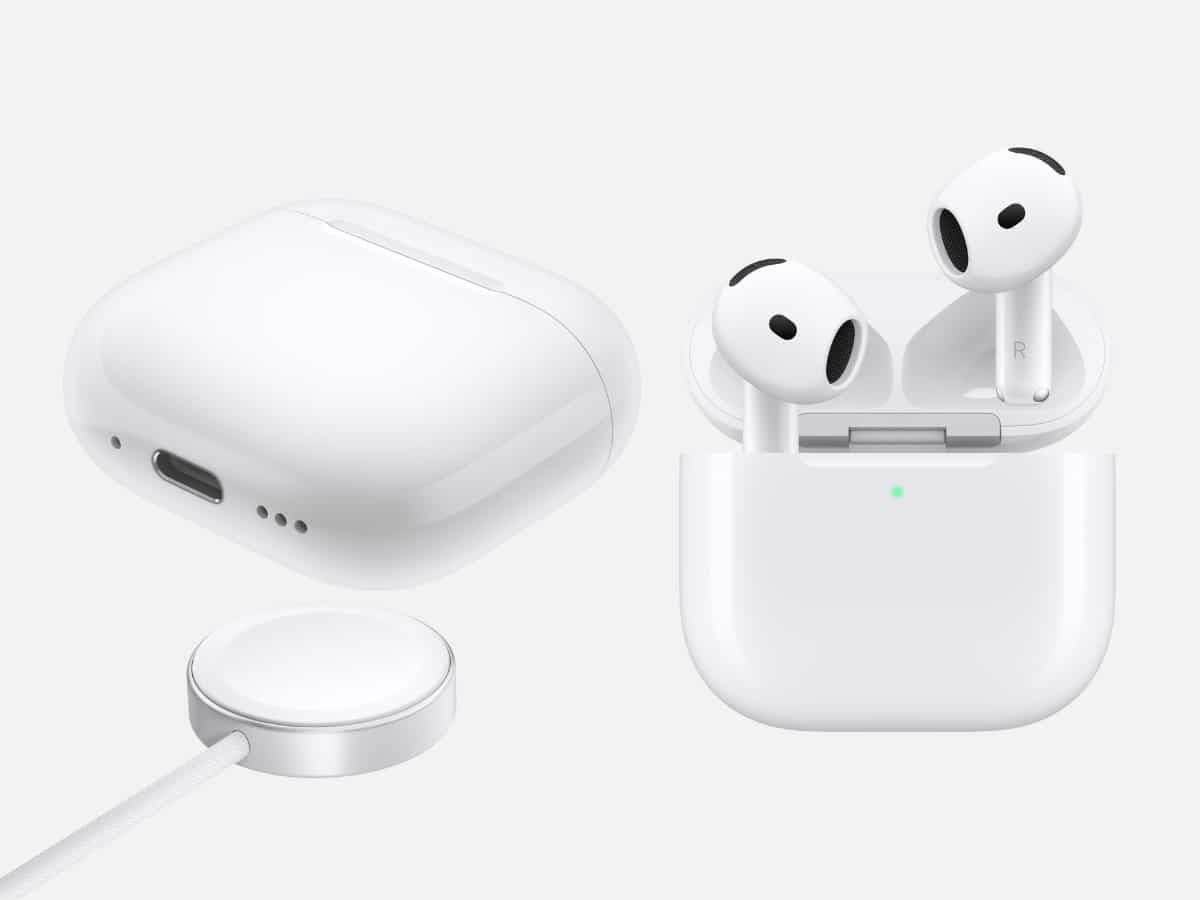
Apple has introduced a two-tiered approach to the AirPods 5 lineup, allowing consumers to choose based on their charging preferences and interface requirements. The base model, priced at AUD$219, includes the core audio experience: ANC, Transparency Mode, Adaptive Audio, and the H2 chip.
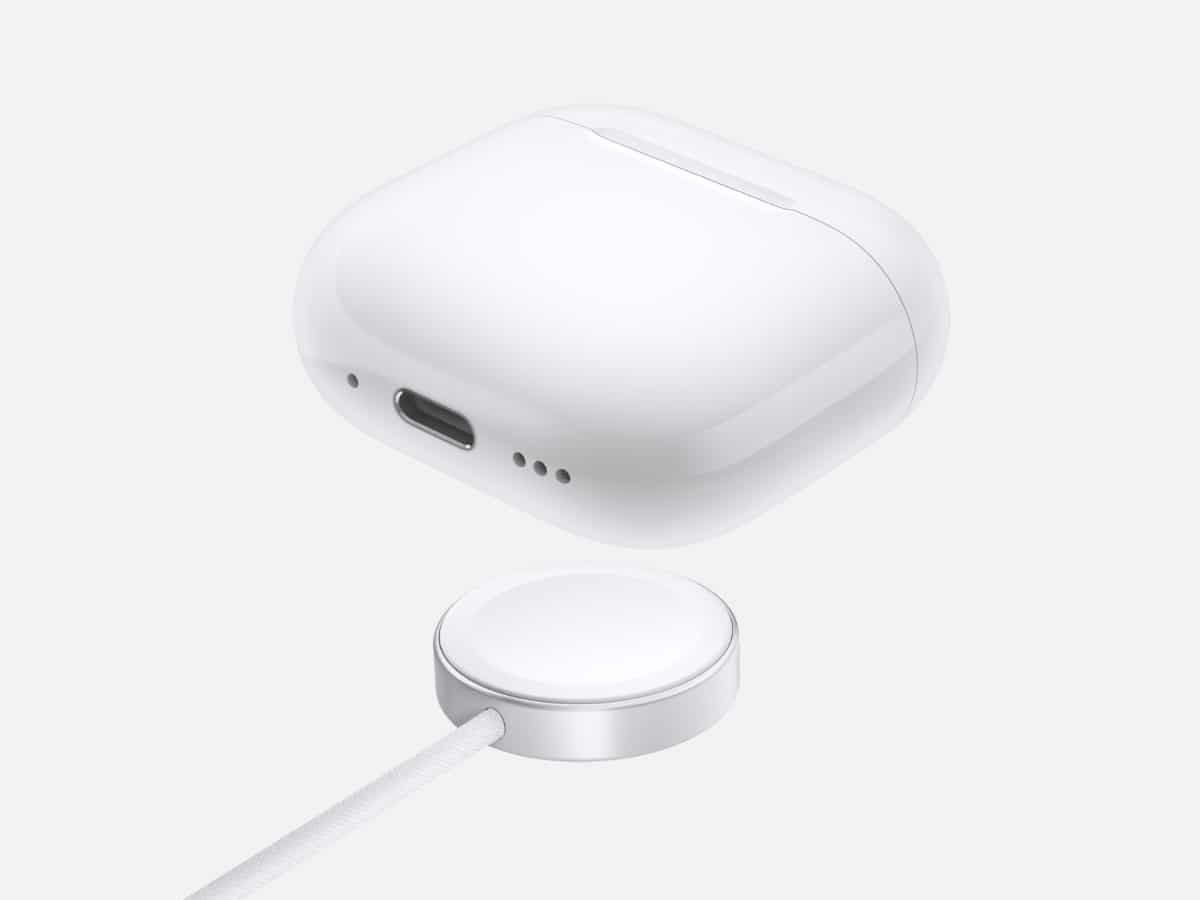
For an additional AUD$30, the "AirPods 5 with Wireless Charging Case" (AUD$249) offers several quality-of-life upgrades. This premium case supports Qi-certified chargers and Apple Watch chargers, providing more flexibility for users already entrenched in the Apple ecosystem. Furthermore, the AUD$249 model features a built-in speaker in the charging case, which integrates with the "Find My" network to emit an audible alert if the case is misplaced.
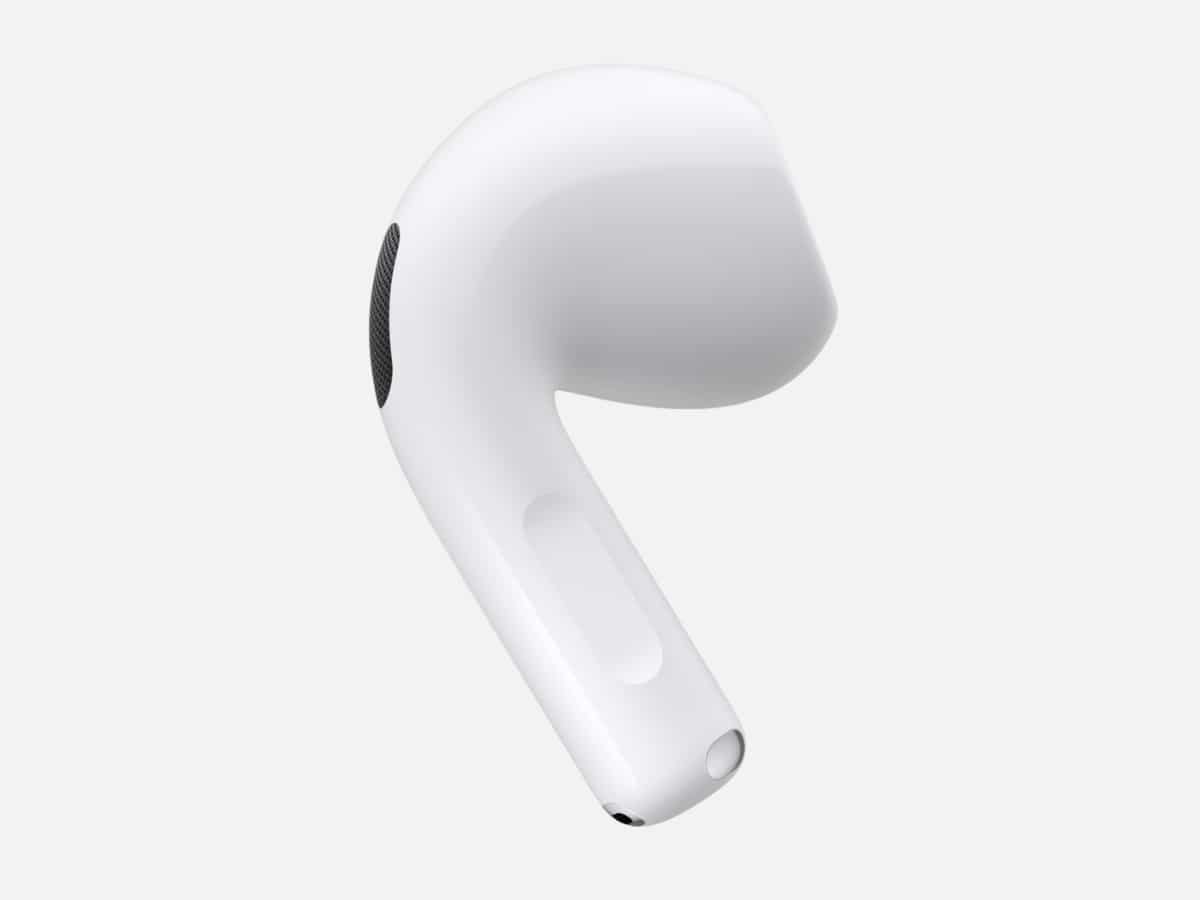
Perhaps the most notable functional difference between the two models is the inclusion of on-stem volume control on the wireless charging version. This "volume swipe" feature allows users to slide their finger up or down the stem to adjust levels without reaching for their iPhone or Apple Watch. This physical interface distinction suggests that Apple is using convenience features, rather than core audio quality, to drive upsells within the product line.

Integration with Apple Intelligence and Siri AI
The AirPods 5 are designed to serve as the primary interface for "Apple Intelligence," the company’s suite of generative AI and personal context features. When paired with a compatible iPhone (such as the iPhone 15 Pro or the new iPhone 16 series), the AirPods 5 facilitate a more conversational and intuitive relationship with Siri.
One of the standout features is the introduction of head gestures. Users can now respond to Siri’s announcements—such as incoming calls or messages—by simply nodding "yes" or shaking their head "no." This hands-free, voice-free interaction is powered by the accelerometers and gyroscopes within the earbuds, processed through the H2 chip’s machine-learning cores.
Additionally, the AirPods 5 support "Live Translation." This feature allows travelers to hear translated speech directly in their ears during a conversation, effectively acting as a real-time interpreter. While this feature is being rolled out across several AirPods models via software updates, the improved microphone array in the AirPods 5, which features "Voice Isolation" technology, ensures that the AI can accurately capture the user’s speech even in noisy environments like airports or crowded markets.
Battery Life and Environmental Durability
Battery performance remains a critical metric for wireless earbuds. The base AirPods 5 provide up to four hours of listening time with ANC enabled on a single charge. The wireless charging model extends this slightly to five hours. When factoring in the additional charges provided by the case, the total listening time reaches 20 hours for the base model and 22 hours for the premium model.
While these figures are lower than the eight hours offered by the flagship AirPods Pro 3, they represent a significant engineering feat given the power requirements of running ANC on the H2 chip in a smaller, open-ear chassis. For users who prioritize longevity over the open-ear form factor, the AirPods Pro remain the logical choice, but for the average daily commuter, 20+ hours of total battery life is generally considered sufficient for a full work week.
Durability has also been upgraded to an IP57 rating. This means the earbuds and the case are resistant to dust, sweat, and water immersion up to one meter for 30 minutes. This rating is an improvement over the IPX4 rating of previous generations, making the AirPods 5 more resilient for gym sessions and outdoor activities in Australia’s varied climate.
Market Implications and Competitive Analysis
The decision to make ANC standard at the AUD$219 price point is widely seen by industry analysts as a preemptive strike against competitors like Sony, Bose, and Samsung. Traditionally, the "standard" wireless earbud market has been flooded with mid-range options that offer ANC, often undercutting Apple’s previous non-ANC offerings. By closing this feature gap, Apple is leveraging its ecosystem "lock-in" to prevent users from straying to third-party hardware.
Furthermore, the continued existence of the AirPods Pro 3 (priced at AUD$429) maintains a high-end "prosumer" tier. The Pro model still justifies its premium price through superior noise cancellation (which Apple claims is three times more effective than the AirPods 5), specialized hearing-health features, and heart-rate sensing capabilities. By clearly defining these tiers—Convenience (AirPods 5) vs. Performance/Health (AirPods Pro)—Apple is catering to two distinct segments of the market.
Environmental Impact and Sustainability Goals
In line with Apple’s "2030" goal to be carbon neutral across its entire supply chain and product life cycle, the AirPods 5 incorporate several environmental innovations. The internal magnets use 100 percent recycled rare earth elements, and the plating of multiple printed circuit boards uses 100 percent recycled gold. The packaging is now 100 percent fiber-based, bringing Apple closer to its goal of removing plastic from all packaging by 2025. These sustainability efforts are becoming increasingly important to the Australian consumer base, which has shown a growing preference for brands with verifiable ESG (Environmental, Social, and Governance) credentials.

Summary of Release and Availability
The AirPods 5 represent a sophisticated rebalancing of Apple’s audio portfolio. By standardizing ANC and integrating advanced AI capabilities, Apple has ensured that its "entry-level" product remains at the forefront of the industry.
Key Takeaways:
- Pricing: AUD$219 (Standard) / AUD$249 (Wireless Charging Case).
- Availability: Pre-orders are currently open; retail availability begins Friday, September 18.
- Core Upgrades: H2 Chip, standard ANC, IP57 rating, and Apple Intelligence integration.
- Target Audience: Users who prefer an open-ear design but require modern noise-canceling technology and seamless ecosystem integration.
As the personal audio landscape continues to evolve, the AirPods 5 set a new benchmark for what consumers should expect from a standard pair of earbuds. While the "Pro" line remains the choice for audiophiles and health-conscious users, the AirPods 5 provide a formidable combination of technology, convenience, and value that is likely to maintain Apple’s dominance in the global wearables market.




 Yuyun Lusiyani
 Joko Widodo
 Jia Lissa
 Pevita Pearce
 admin
admin
