
 Yuyun Lusiyani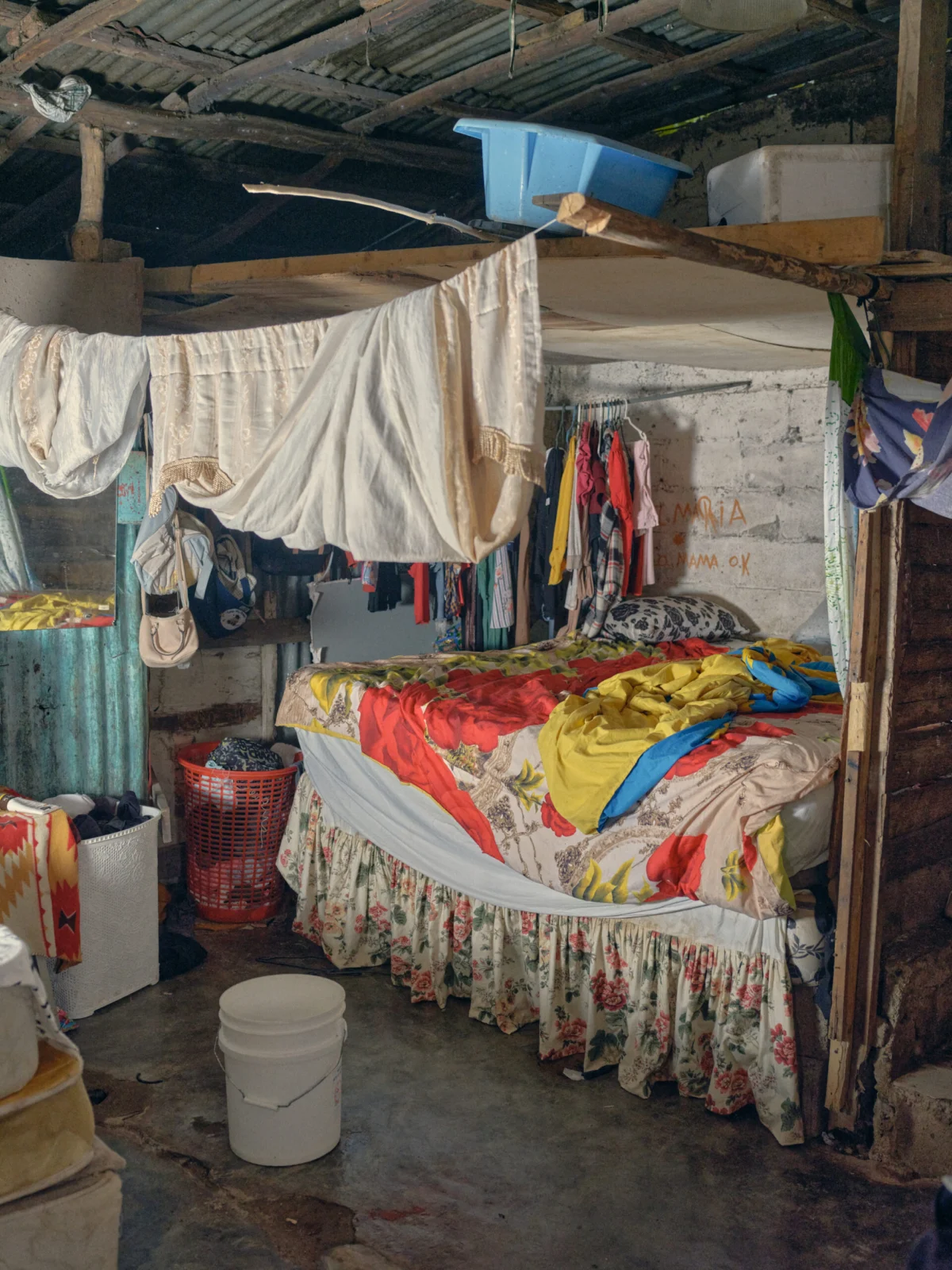
The shimmering promise of a multi-million-dollar baseball contract, a beacon of hope for families trapped in poverty, often dissolves into a cruel illusion in the Dominican Republic. This stark reality is epitomized by the story of Belfi Rivera, a prodigious 14-year-old outfielder from a Santo Domingo shantytown, who in late 2021 was virtually guaranteed a $1.8 million signing bonus by the Arizona Diamondbacks. Yet, within two and a half years, the vast majority of this life-changing sum was systematically siphoned away by his trainer and a powerful moneylender, Santo Caraballo, whose business interests were controversially intertwined with those of baseball icon David "Big Papi" Ortiz. Rivera’s journey exposes a deeply entrenched, unregulated system of "preacuerdos" (early agreements) and predatory lending that Major League Baseball (MLB) has long acknowledged but failed to curb, leaving countless young athletes and their families vulnerable to exploitation.

The Promise and the Plunder: Belfi Rivera’s Ordeal
Belfi Rivera’s talent was evident early on, described by an early trainer as "gifted by God." His speed, arm strength, fielding prowess, and contact hitting skills made him a coveted prospect, destined to become one of the highest-paid international signings outside the United States. His parents, Eduardo Rivera and Rita Muñoz, who lived in a modest wooden and tin shack outside the capital, saw baseball as their family’s singular escape from destitution. Their lives, however, were irrevocably altered not by the wealth itself, but by the shadowy figures who controlled its distribution.

The initial handshake agreement with the Diamondbacks was negotiated by John Carmona, Belfi’s trainer and de facto caretaker since age 11, without the knowledge or consent of Belfi or his parents. This "preacuerdo" is a common, albeit rule-skirting, practice in Dominican baseball, allowing MLB teams to commit to players years before they are officially eligible to sign at age 16. The Diamondbacks, like many other teams, did not respond to inquiries about this practice, highlighting the widespread, tacit acceptance of these early deals.
With a future fortune on the horizon, but immediate needs pressing, the Rivera family became targets for Santo Caraballo, a notorious "prestamista" (moneylender). Caraballo, who leveraged a network of informants among trainers to identify promising prospects with early deals, presented himself as a benefactor. He claimed to be "la mano derecha" (the right hand) of David Ortiz, an association that instilled trust in the unsuspecting, often illiterate, Rivera parents. Their initial request for a modest $25,000 loan to waterproof their leaky home and settle minor debts ballooned under Caraballo’s influence. He convinced them to sell 10% of Belfi’s future bonus, netting them the $25,000 but obligating them to repay $180,000 upon signing – an exorbitant return.

Caraballo further entangled the family, encouraging them to invest in a new apartment and business venture, all financed by additional loans at a staggering 7% monthly interest. He doled out funds in small increments, often through vouchers redeemable at his overpriced supermarket, ensuring continued dependency. The Rivera family, mesmerized by the prospect of partnership with Ortiz and Caraballo, unwittingly signed away more of Belfi’s future earnings.
On January 15, 2024, Belfi officially signed his contract with the Arizona Diamondbacks. Less than a month later, the first $900,000 installment of his bonus arrived. At the BHD bank, a hub for prospect payments, Caraballo, Carmona, and other former trainers converged. Of the $900,000, Carmona received $630,000 (his 35% commission), while Caraballo claimed $180,000 for the initial loan and an additional sum from buying out Belfi’s early trainer’s stake. Belfi left the bank with nothing.

The second installment on June 13, 2024, proved equally contentious. Caraballo, driving the family to the bank in his luxury SUV, intensified his pitch for them to invest the remaining bonus with him and Ortiz, promising monthly dividends. It was in this car ride that Belfi first understood he might receive little of his money. At the bank, amidst a heated confrontation between Caraballo and Belfi’s former trainer, Jhonatan Jimenez, Belfi managed to retain $196,000 with the banker’s help. Caraballo departed with a cashier’s check for $703,900, marked as a "trainer payment." The Rivera family’s dream had been hijacked.
Dominican Republic: A Baseball Factory Under Siege

The Dominican Republic, a nation roughly the size of Ohio with a population under 12 million, stands as an unparalleled "baseball factory." For over four decades, it has produced more Major League Baseball players than any country outside the United States. In recent years, Dominicans have consistently accounted for nearly 10% of all MLB players, with 144 players in the league last year alone. This talent pipeline has seen a staggering 12,700 international rookies signed between 2012 and 2026, with half originating from the Dominican Republic. Baseball is deeply woven into the national fabric, visible in every village’s "el play" (ballfield), grandiose murals of Hall of Famers, and the castle-like training academies established by all 30 MLB teams. The sport is a massive economic driver, estimated to generate up to $400 million annually for the Dominican economy.
This success, however, comes at a steep price. Boys as young as 10 are pulled from school to train full-time in hundreds of unregulated academies, living away from their families in pursuit of a dream. These academies are run by "buscones" (finders/trainers) who act as instructors, surrogate parents, and agents, often receiving between 35% and 50% of a player’s signing bonus. This system fosters an intensely competitive and Darwinian environment. While MLB teams sign approximately 450 Dominican prospects each year, most for bonuses around $30,000, fewer than two-thirds reach the lowest minor leagues, and a mere 10% ever play a single day in the majors. The lucrative bonuses of high-value prospects like Belfi Rivera effectively subsidize the vast majority who fail, perpetuating a cycle of sacrifice and often, disappointment.

The Shadow Economy of "Preacuerdos" and "Prestamistas"
At the heart of the Dominican baseball crisis are the "preacuerdos"—verbal, unregulated agreements made with players younger than 16, directly flouting MLB rules. Despite the prohibition, "Everybody makes early agreements," a major league scout confessed, highlighting the pervasive nature of the practice. Social media is rife with trainers openly touting multi-million-dollar deals for 11-, 12-, and 13-year-olds. A 2022 lawsuit against the Los Angeles Angels by the parents of 14-year-old Willy Fañas, alleging a reneged $1.8 million early agreement, further underscored the prevalence and tacit acceptance of these illicit deals.

This lack of enforcement by MLB has created a fertile ground for "prestamistas" like Santo Caraballo. With usury laws repealed in the Dominican Republic 24 years ago, these moneylenders operate with impunity, offering loans at interest rates that would be illegal in many other countries. Yaniris Paula, an attorney representing young ballplayers, estimates that 80% of all major league bonuses paid to Dominican prospects have a loan attached. From 2012 to early 2026, Dominican prospects received over $1 billion in bonuses, but experts suggest that as much as half a billion dollars is immediately diverted to trainers and lenders.
Caraballo’s business model is particularly predatory. He identifies players with confirmed "preacuerdos" and approaches their impoverished, often financially unsophisticated, families with loans. Examples abound: Ricki Moneys’ father borrowed $27,000, only to repay $72,000 thirteen months later, an annual interest rate of nearly 150%. Kenny Fenelon’s father borrowed $50,000, with Caraballo initially demanding $400,000 before settling for a $75,000 interest payment. Caraballo’s tactics often include withholding contract copies, making it difficult for families to understand their obligations, and leveraging his association with David Ortiz to gain trust. He has expanded his reach, even "signing" players as young as 10 to contracts demanding 50% or more of their future bonuses, then outsourcing their training to other academies.

Major League Baseball’s Complicity and Failed Reforms
For decades, Major League Baseball has been acutely aware of the systemic abuses and exploitation rampant in Dominican baseball. Yet, its response has been marked by "indifference and helplessness," according to Lou Melendez, former MLB vice president of international operations. MLB has never publicly penalized a team for engaging in "preacuerdos," and its efforts to educate families about predatory lenders have been largely ineffective. A spokesperson for MLB declined to comment, reiterating past calls for an "overhaul of the Dominican system."

Commissioner Rob Manfred has consistently advocated for an international draft, similar to the one used for American and Canadian players, as the "best solution to early deals." Such a draft would eliminate competitive bidding and pre-agreements, theoretically curbing exploitation. However, this proposal has met staunch opposition from the Major League Baseball Players Association (MLBPA), which argues that a draft would restrict player choice and depress bonuses. The MLBPA acknowledges the system’s flaws but blames the league for not enforcing existing rules.
The tension between the league and the union over the international draft has spanned decades. In 2017, a "hard cap" was imposed on international spending, an attempt to control the market that inadvertently exacerbated the problem. With monetary competition limited, teams resorted to making commitments to increasingly younger players, fueling the "preacuerdo" ecosystem and, by extension, the moneylending industry. Rafa Nieves, a prominent agent for Dominican players, suggests MLB’s inaction is intentional, aiming to make the system "worse and worse so the only solution is an international draft."

David Ortiz’s Dual Role: Hero and Financier
The entanglement of Santo Caraballo with David Ortiz, a national hero and Hall of Famer, adds a layer of complexity and controversy to this exploitative system. Ortiz, known affectionately as "Big Papi" for his charismatic personality and clutch hitting that led the Boston Red Sox to three World Series titles, remains an immensely influential figure in the Dominican Republic. His partnership with Caraballo, confirmed by Ortiz himself, involved investing "millions of dollars" into Caraballo’s baseball business, an enterprise frequently advertised under the "CS" (Caraballo Sports Enterprise) logo.

Ortiz’s influence was dramatically demonstrated during the 2022 collective bargaining negotiations. As MLB and the MLBPA neared an agreement that would include an international draft, Ortiz intervened. He circulated a voice message to Dominican players and trainers, issuing a "red alert" and urging them to vociferously oppose the draft. He claimed the draft would negatively impact "more than 40% of the population" dependent on baseball. His intervention, widely reported, played a significant role in the union’s ultimate rejection of the draft, allowing the "preacuerdo" system and its associated predatory lending to persist.
Ortiz, through his lawyer, stated that his opposition to the draft was "never motivated by personal interests" and was based on his "views regarding the development of Dominican players and the impact I believed such a system would have on baseball in our country." However, court records reveal Ortiz’s name on at least one contract with a player’s parents, detailing a 35% stake in a 13-year-old’s potential bonus in exchange for "economic support, food, studies, housing, training, clothing, supply of protein and vitamins." This contract, typical of Caraballo’s arrangements, granted extraordinary control over the young player’s life, including clauses preventing him from leaving the academy without permission and ensuring the lenders’ cut regardless of performance.

When confronted, Ortiz initially distanced himself from Caraballo’s broader activities, stating, "Caraballo, my compadre, he has a whole bunch of different businesses that I don’t know… I’m not his guard. Hopefully, he’s not doing anything illegal – not that I know." Later, he claimed to have ended his personal relationship with Caraballo "a year and a half to two years ago" due to "inappropriate conduct." Yet, social media posts from as recently as September show them together on a private jet to a Bad Bunny concert, raising questions about the veracity of his claims. His financial interest in Caraballo’s lending business, combined with his public campaign against reforms that would undermine that business, presents a clear conflict of interest that perpetuates the very exploitation he claims to oppose.
The Unraveling: Belfi’s Fight for His Future

Belfi Rivera’s personal tragedy continued to unfold after his bonus payments were disbursed. The family’s initial legal complaint against Caraballo for fraud, filed in November 2024, alleged that Caraballo’s promise to invest their money for dividends was a deception preying on Belfi’s "vulnerability as a minor." However, just before his 18th birthday in December 2024, Belfi was picked up by an unknown man with a holstered gun and taken to meet Caraballo. Under duress and fearing legal repercussions, Belfi, who only had a third-grade education, was persuaded to sign documents firing his lawyers, hiring Caraballo’s attorneys, and withdrawing the complaint. "Fear talked," Belfi later admitted. The criminal action against Caraballo was "extinguished."
By Christmas 2024, the $196,000 Belfi had managed to keep was gone—spent on family debts, his father’s foot surgery, his brother’s struggling barbershop, and, by his own admission, "dumb stuff" like loans to friends and jewelry. His parents, Rita and Eduardo, found themselves in a worse position than before the bonus, with Rita rising at 4 AM to run a fly-infested food stand earning $5 a day, and Eduardo continuing as a night watchman.

Belfi’s on-field performance has suffered. After two seasons in the Dominican Summer League (DSL) hitting a meager .202 with one home run, he has fallen out of international prospect rankings. Friends who signed the same year have advanced, including his brother Bernardo, now in the U.S. minor leagues with the Texas Rangers. Belfi receives only $100 a week during the short DSL season, and teams provide equipment only at signing. He was forced to borrow $2,500 from a local lender at 30% biweekly interest to buy basic gear, driving him further into debt and away from his family. "Why keep working, if everything I earn, I lose?" he lamented, expressing the profound demotivation that trainers and scouts have observed affecting his game.
A System in Crisis: Broader Implications and Calls for Change

The exploitation in Dominican baseball is not an isolated incident but a systemic failure. Sports attorney Arturo J. Marcano, who in 2002 compared the Dominican pipeline to human trafficking, now calls the situation "a hundred times worse." The confluence of poverty, uneducated families, immense baseball talent, and an unregulated signing process creates a perfect storm for predatory practices.
MLB’s continued inaction and the MLBPA’s opposition to an international draft—fueled, in part, by influential figures like David Ortiz with personal financial stakes in the current system—ensure the perpetuation of this corrosive cycle. The "boatload mentality" of signing hundreds of young prospects, with the vast majority destined to fail, means that the significant investments in players like Belfi are largely absorbed by a shadow economy of trainers and lenders, rather than directly benefiting the athletes or their communities.

The BHD bank, where most bonuses are disbursed, stated its commitment to "the protection of all our clients," but its role in facilitating transactions where large sums are immediately siphoned off raises questions about its responsibility in such a vulnerable environment. The incident at the bank, with Caraballo orchestrating payments and a family friend literally chasing him, highlights the chaos and lack of oversight.
Belfi Rivera’s story is a poignant testament to the human cost of this broken system. His dream of escaping poverty has been largely deferred, replaced by debt and disillusionment. While a recent game-winning single offered a fleeting moment of joy, his immediate goal remains "Get out of here as soon as possible," a stark reflection of the immense pressure and the underlying despair. Until meaningful reforms are implemented and rigorously enforced by Major League Baseball and the Players Union, the dreams of countless Dominican boys will continue to be harvested, only to enrich those who profit from their vulnerability, rather than transform their lives.




 Joko Widodo
 Jia Lissa
 Pevita Pearce
 admin
admin