
 Lina Irawan
The global spirits market has undergone a significant transformation over the last decade, characterized by a movement industry analysts define as "premiumization." As consumers move away from high-volume, lower-quality blends, the demand for single malt whiskies—spirits produced at a single distillery using 100 percent malted barley—has reached unprecedented heights. For the modern enthusiast, the AUD $200 price point serves as a critical threshold, separating entry-level "gateway" drams from complex, collector-grade expressions that offer greater depth, rare cask finishes, and significant age statements. This shift is not merely a matter of prestige but is rooted in the meticulous economics of maturation, the scarcity of high-quality oak, and the increasing global competition from non-traditional distilling regions such as Australia, Taiwan, and Japan.

The Chronology of the Single Malt Renaissance
The ascent of the premium single malt category can be traced back to the late 20th century, though its current dominance is a more recent phenomenon. Historically, the whisky market was dominated by blended Scotch, with single malts reserved for a small niche of connoisseurs. The timeline of the modern market began to shift in the 1960s when Glenfiddich became the first distillery to actively market its single malt globally. However, the true "super-premium" era began in the early 2000s, coinciding with the rise of Japanese whisky and the emergence of "New World" distilleries.
In 1923, the House of Suntory established the Yamazaki Distillery, the first of its kind in Japan. While it took decades to gain international recognition, the 2010s saw Japanese whiskies like the Yamazaki 12 Year Old winning major global awards, leading to a massive supply shortage and a subsequent spike in prices. Simultaneously, in the early 1990s, Bill Lark successfully lobbied the Australian government to overturn the Distillation Act of 1901, which had effectively banned small-pot distilling for over a century. This legislative change paved the way for the Tasmanian whisky industry, which reached a global turning point in 2014 when Sullivans Cove French Oak was named the World’s Best Single Malt. These chronological milestones have collectively pushed the floor for high-quality single malts into the $200-plus range, as demand consistently outstrips the aging inventory of these prestigious houses.

Analyzing the $200 Threshold: What Justifies the Cost?
For the consumer, the transition from an $80 bottle to one exceeding $200 requires a justification rooted in production quality and rarity. Several technical factors contribute to this pricing structure. First is the "Angel’s Share"—the portion of whisky lost to evaporation during the aging process. In temperate climates like Scotland, this is roughly 2 percent per year, but in sub-tropical regions like Taiwan or parts of Australia, it can reach 10 percent. A whisky aged for 12 to 21 years represents a significant loss of volume, which must be reflected in the final retail price.
Furthermore, the quality of the wood used for maturation is a primary cost driver. A standard American oak ex-bourbon barrel may cost a distillery a few hundred dollars, whereas a rare Japanese Mizunara oak cask or a seasoned Sherry butt from Spain can cost upwards of $5,000 to $10,000. These vessels impart the complex tannins, vanillins, and dried fruit notes that define top-tier spirits.
Profiles in Excellence: Leading Expressions Over $200
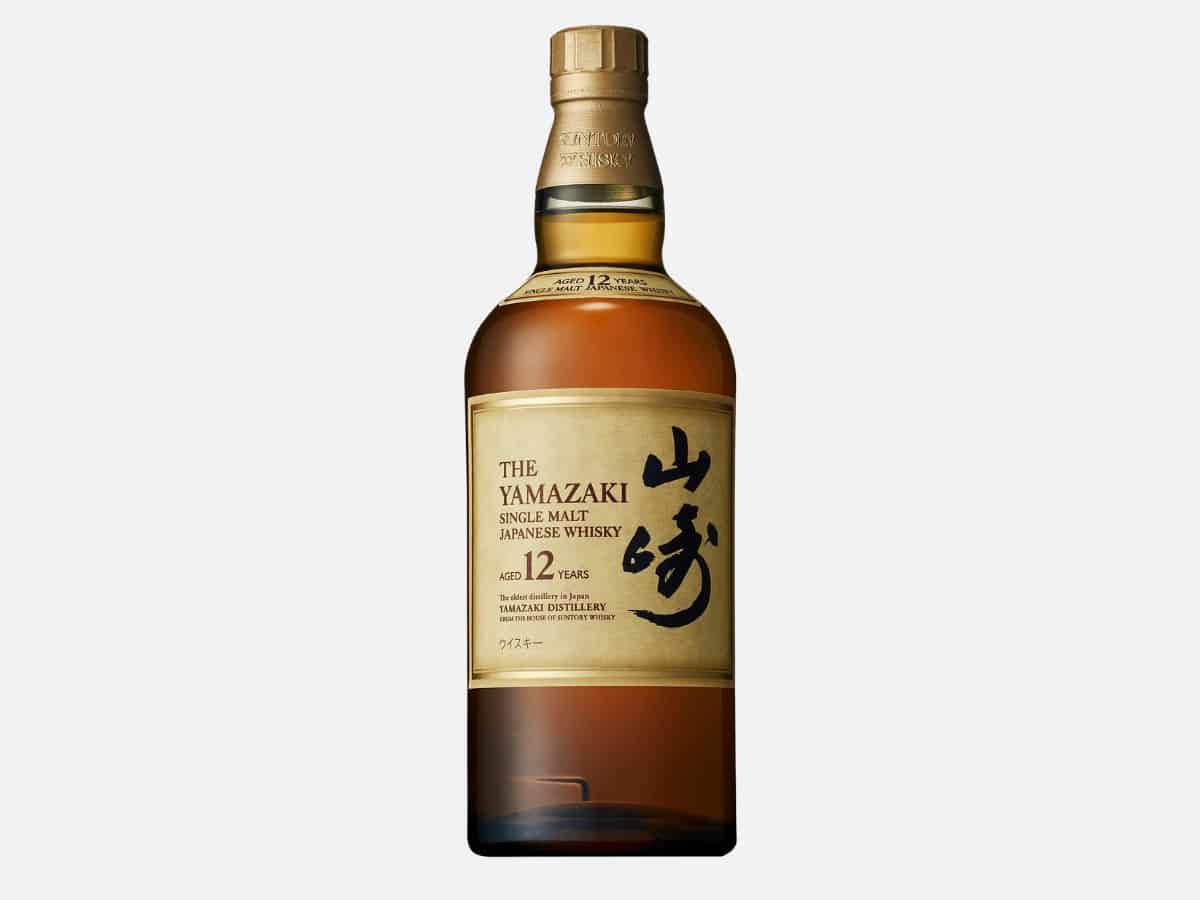
1. Yamazaki 12 Year Old (Japan)
The Yamazaki 12 Year Old is widely considered the gold standard for Japanese single malts. Produced by the House of Suntory, this expression is characterized by its use of three different types of casks: American, Spanish, and the rare Japanese Mizunara oak. The result is a profile that features succulent notes of peach, pineapple, and grapefruit, underpinned by the distinct spicy, incense-like aroma of Mizunara. Its price, often fluctuating between $350 and $390, reflects its status as a foundational bottle for any serious collection.
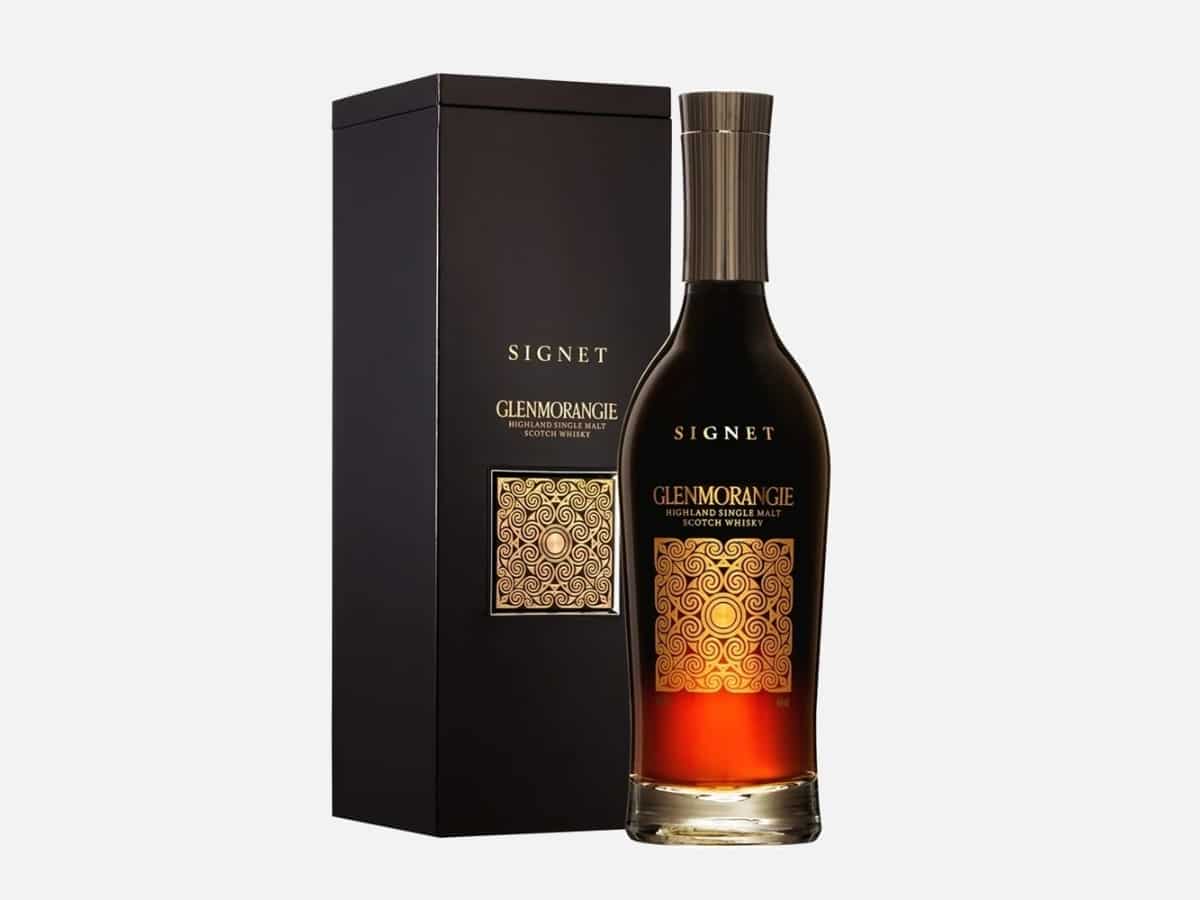
2. Glenmorangie Signet (Scotland)
Glenmorangie Signet represents a departure from traditional age statements, focusing instead on innovative grain selection. It is crafted using "chocolate malted barley"—a high-roasted grain usually reserved for stout beers. This unique base, combined with some of the distillery’s oldest reserves (some aged up to 40 years), produces a rich, velvety spirit with notes of dark chocolate, espresso, and sizzling spices. At approximately $300 to $370, it is a testament to the master blending skills of Dr. Bill Lumsden.
3. Lark Tasmanian Peated (Australia)
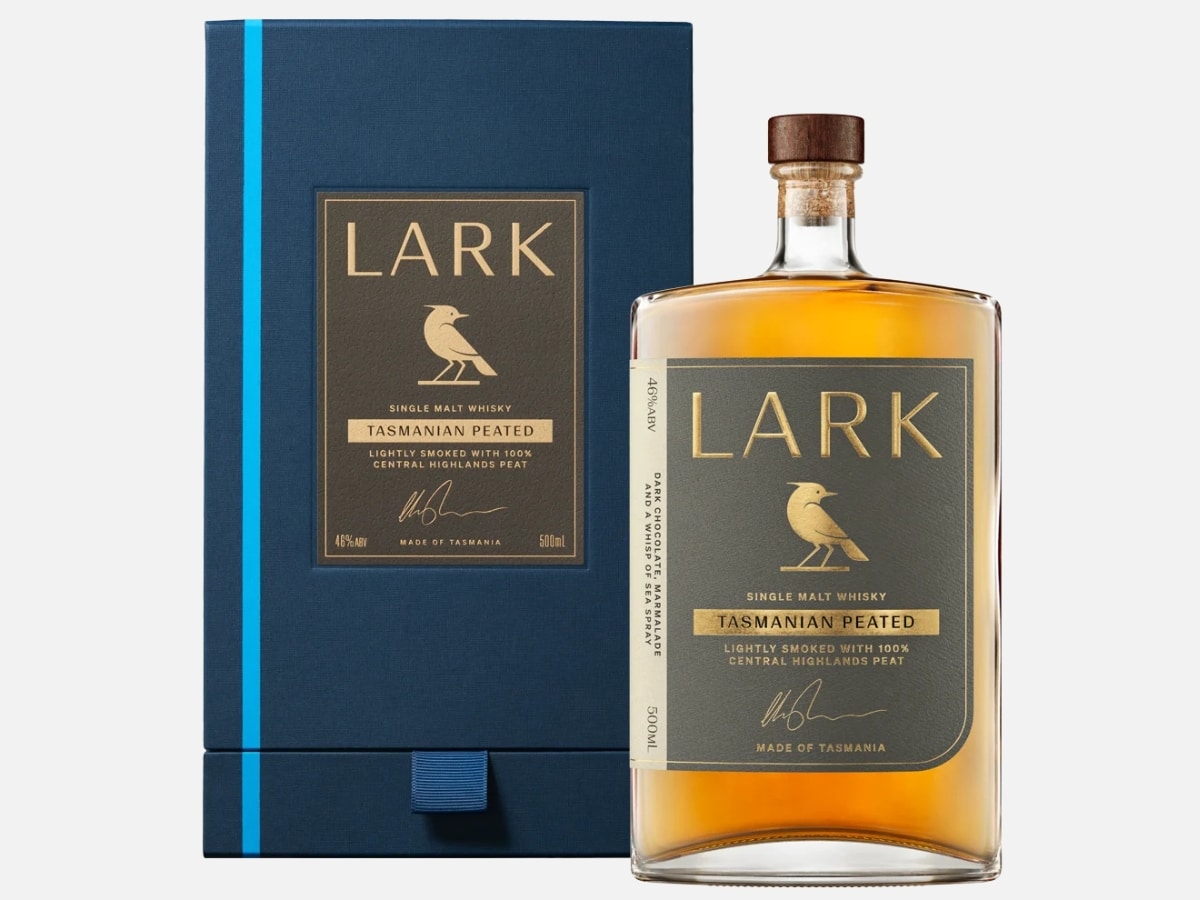
As a pioneer of the Australian industry, Lark Distillery offers a unique take on peated whisky. Unlike the medicinal, iodine-heavy peat of Islay, Lark uses peat from the Tasmanian highlands, which imparts a cleaner, campfire-smoke aroma combined with the sweetness of local barley. Bottled at 46% ABV, this expression highlights the terroir of Tasmania and typically retails between $200 and $390 depending on the specific batch release.
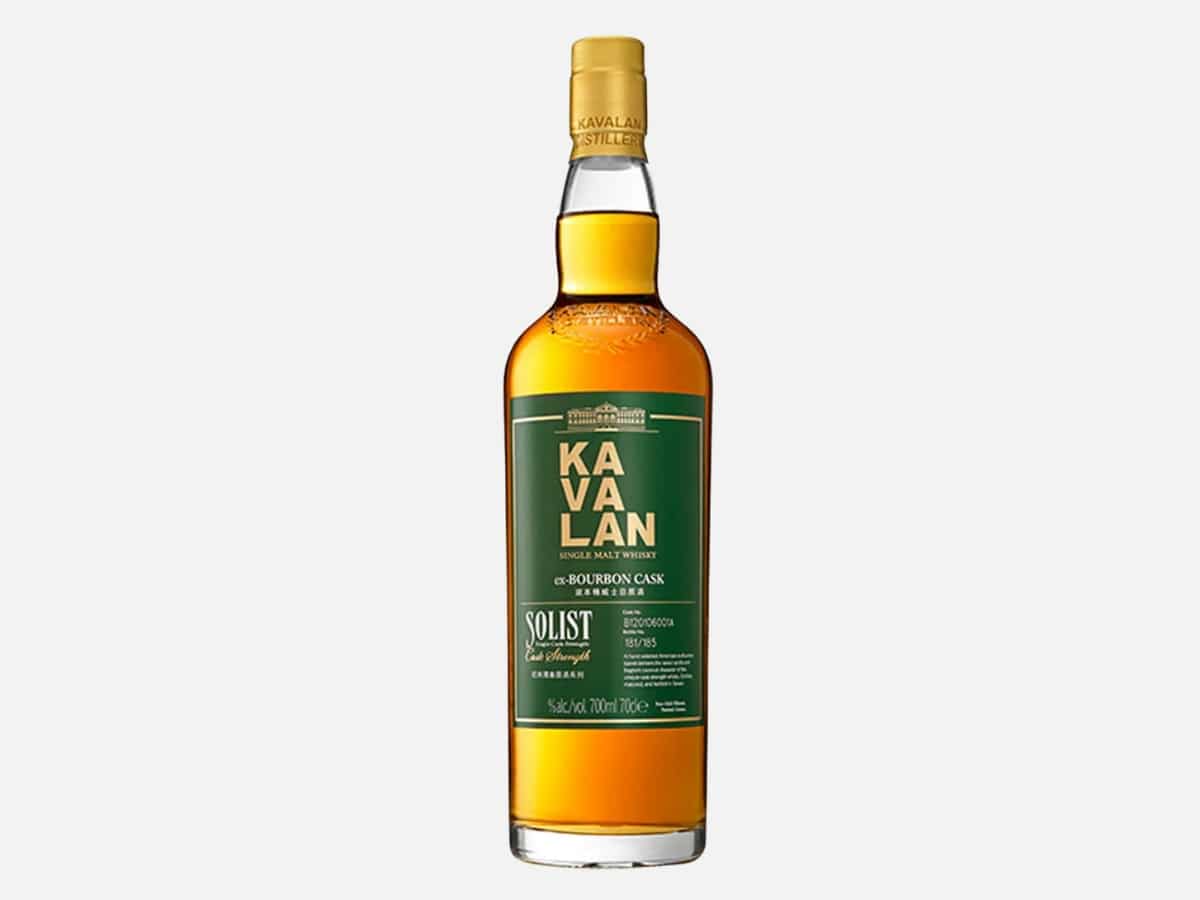
4. Kavalan Solist Ex-Bourbon Cask (Taiwan)
Kavalan has disrupted the industry by utilizing Taiwan’s intense heat to accelerate the maturation process. The Solist Ex-Bourbon Cask is a cask-strength expression that frequently wins international accolades. Because of the high evaporation rate in Yilan City, the wood influence is aggressive and rapid, resulting in a spirit that tastes much older than its chronological age. It offers a tropical profile of vanilla, coconut, and spices, usually priced between $220 and $260.
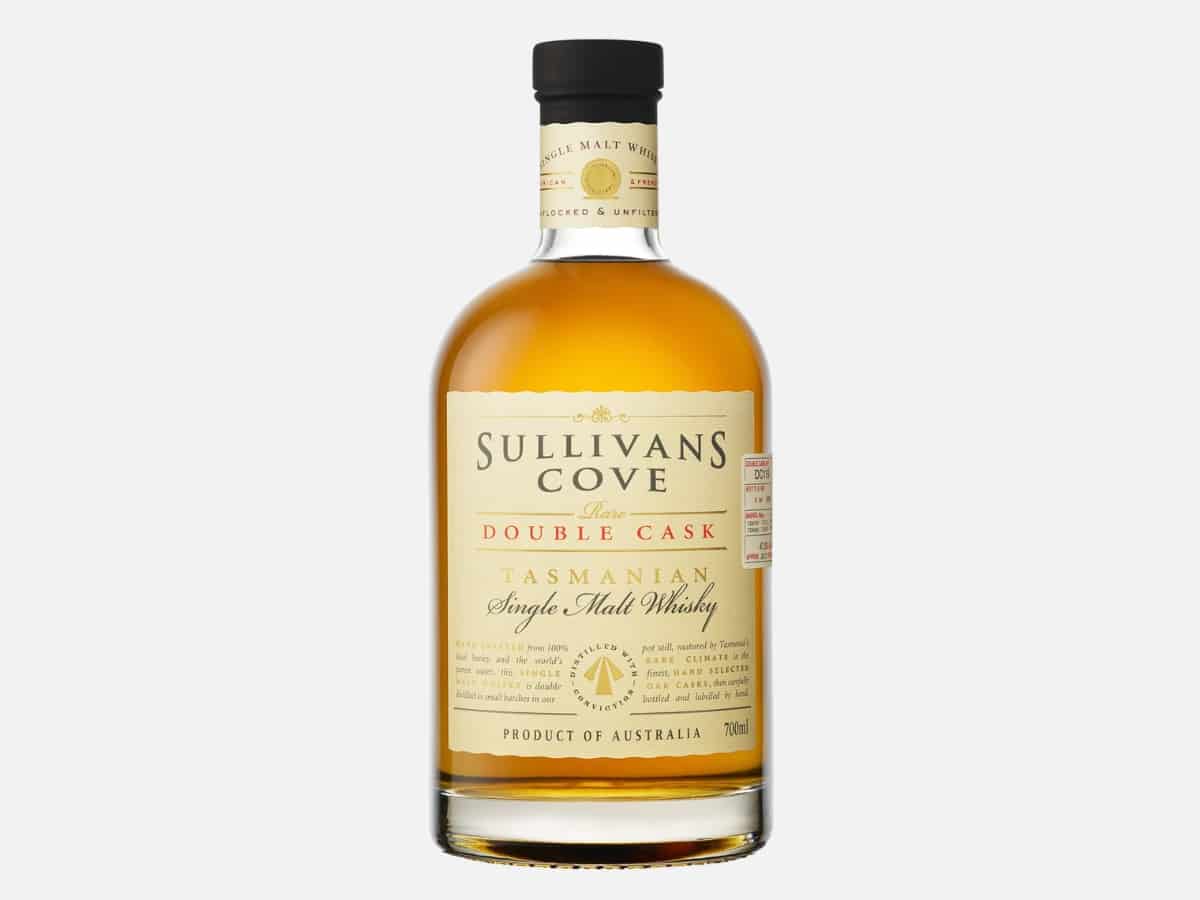
5. Sullivans Cove Double Cask (Australia)
Distilled in Hobart, Sullivans Cove Double Cask utilizes a combination of French oak (ex-tawny) and American oak (ex-bourbon) casks. Each batch is a unique marriage of these barrels, emphasizing the quality of Tasmanian ingredients. The distillery’s commitment to small-batch production and the use of local mountain spring water has made this one of the most sought-after Australian whiskies, with prices ranging from $250 to $300.
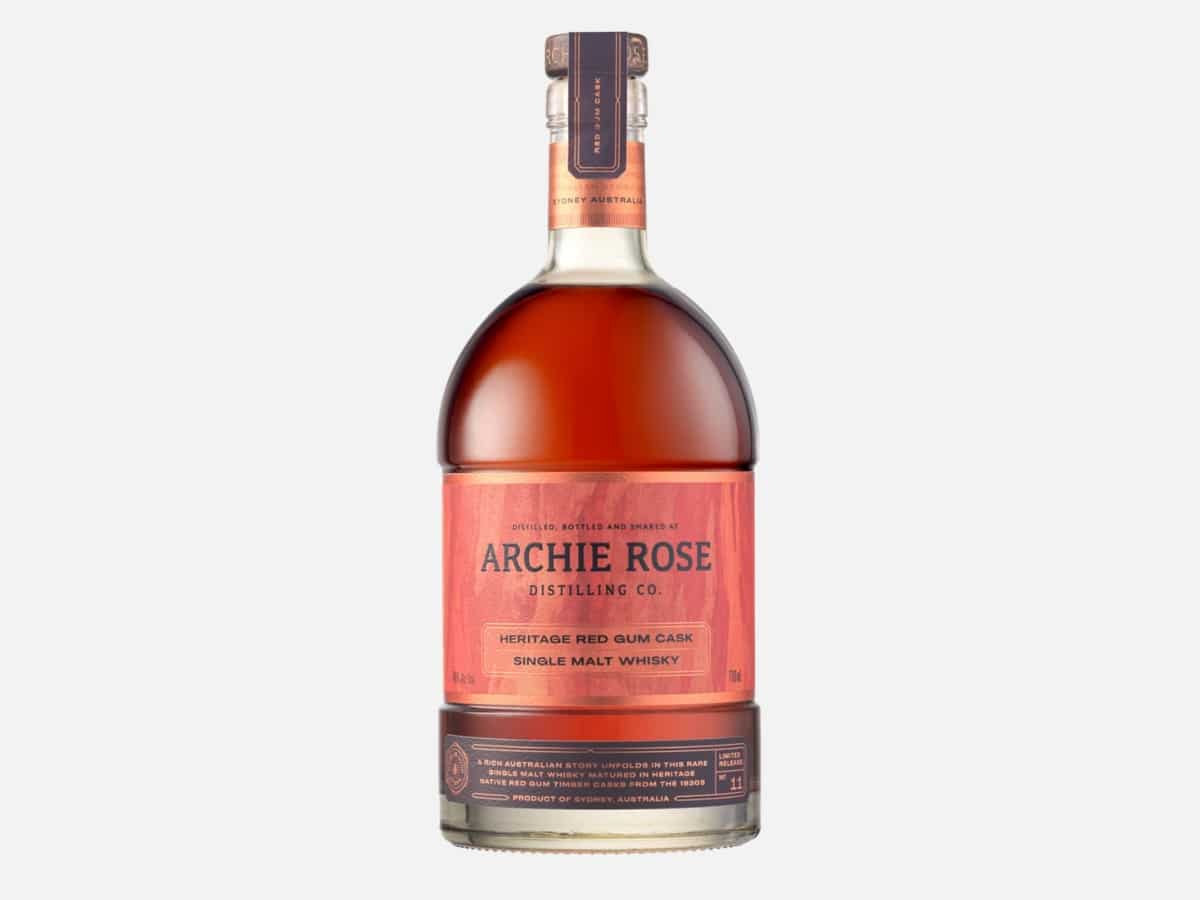
6. Archie Rose Heritage Red Gum Cask (Australia)
Sydney-based Archie Rose has gained notoriety for its experimentation with native Australian woods. The Heritage Red Gum Cask is a limited-release single malt matured in barrels made from Eucalyptus camaldulensis. This wood imparts a flavor profile unlike anything found in traditional Scotch—notes of smoked meats, eucalyptus, and herbal tea. Given its limited run of under 4,000 bottles, it is a significant piece of Australian distilling history, priced around $210 to $235.
7. Glenfiddich 21 Year Old (Scotland)
A stalwart of the Speyside region, Glenfiddich 21 Year Old undergoes a unique finishing process. After two decades in traditional oak, the spirit is transferred to Caribbean rum casks for four months. This "Gran Reserva" finish adds layers of toffee, fig, and banana to the classic Glenfiddich floral profile. It remains a benchmark for aged Scotch, retailing between $270 and $380.
Market Analysis and Official Industry Responses
The Scotch Whisky Association (SWA) and other international regulatory bodies have noted that while volume exports of whisky have seen fluctuations, the value of those exports has consistently risen. This indicates that consumers are buying "less but better." In their 2023 annual report, the SWA highlighted that premium single malts now account for a disproportionate share of the industry’s growth.
Industry experts suggest that the $200+ segment is also increasingly viewed as an alternative asset class. Rare bottles from distilleries like Yamazaki and Sullivans Cove have shown historical price appreciation that rivals traditional investments. However, the House of Suntory and other major producers have issued statements cautioning that their primary goal remains the "enjoyment of the spirit," even as they increase production capacities to meet global demand.
Broader Impact and Future Implications
The rise of high-end single malts has had a profound impact on local economies, particularly in regional Tasmania and the Scottish Highlands. Distilleries have become major tourism hubs, drawing international visitors and supporting local agriculture. Furthermore, the search for unique flavor profiles has led to a revival of heritage barley varieties and a renewed focus on sustainable forestry for cask production.
Looking forward, the premium whisky market faces challenges from climate change, which affects both barley yields and the consistency of maturation temperatures. However, the expansion of the "New World" whisky category ensures that the $200-plus tier will continue to diversify. As consumers become more educated about distillation techniques, the emphasis will likely shift further toward transparency in sourcing and the celebration of regional terroir.
In conclusion, a single malt whisky priced over $200 is more than a luxury commodity; it is a complex intersection of history, chemistry, and craftsmanship. Whether it is the Mizunara-aged spirits of Japan or the Red Gum-finished malts of Sydney, these bottles represent the pinnacle of modern distilling. For the enthusiast, they offer a sensory journey that justifies the investment, providing a level of nuance and character that defines the current golden age of spirits.




 Yuyun Lusiyani
 Joko Widodo
 Jia Lissa
 Pevita Pearce
 admin
admin
