
 Lina Irawan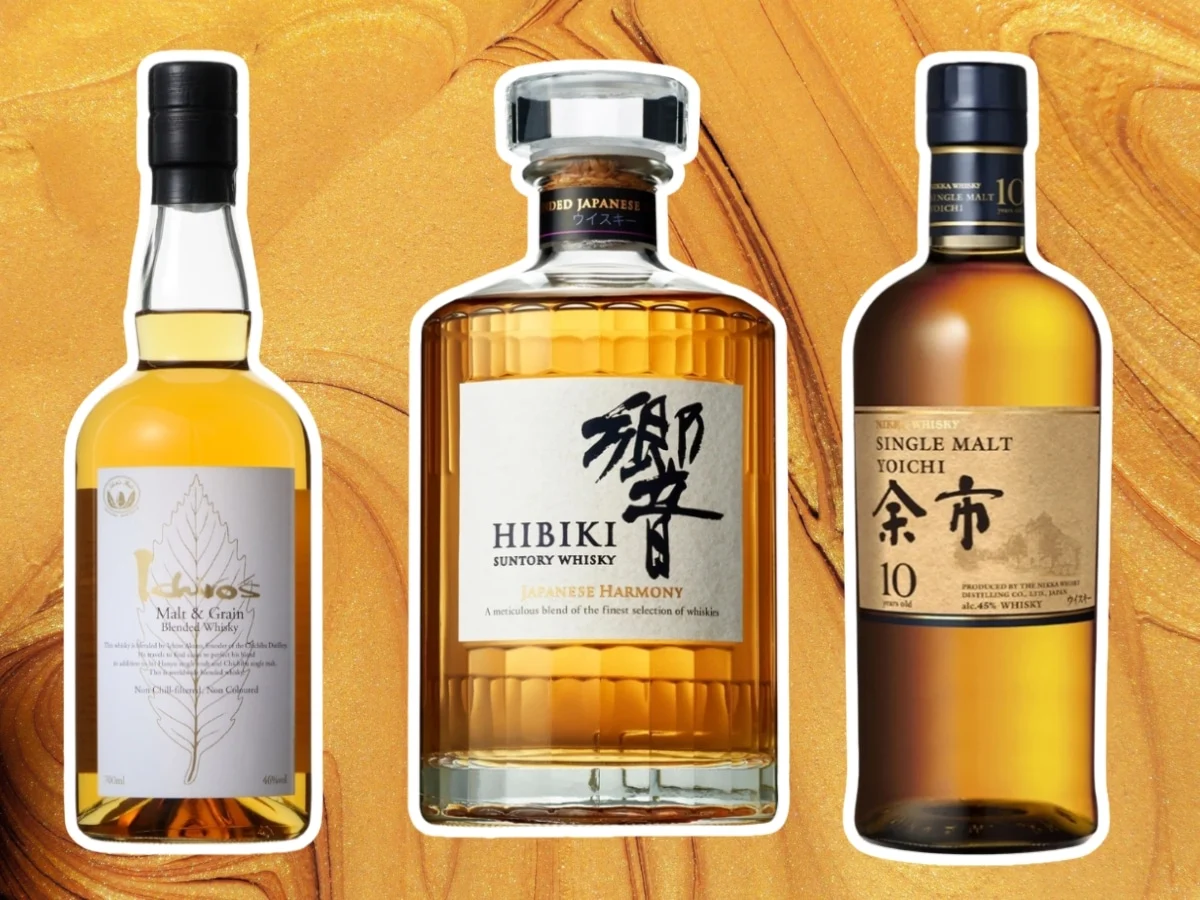
The global spirits market has witnessed a seismic shift over the last two decades, as Japanese whisky transitioned from a niche regional specialty to one of the most coveted luxury commodities in the world. While established markets like Scotland and Ireland have centuries of heritage, Japan has managed to synthesize traditional methods with a distinct cultural obsession with precision and harmony. Today, the Japanese whisky industry stands as a titan of the spirits world, rivaling the complexity of the finest Highland malts and the approachability of premium American bourbons. However, the path to this prestige was marked by periods of near-collapse, followed by a meteoric rise that eventually necessitated the implementation of strict new production standards to protect the integrity of the "Japanese Whisky" label.
The Evolution of Production Standards and the 2024 Regulatory Milestone
For years, the Japanese whisky industry operated under loose regulations that allowed producers to bottle imported spirits—often from Scotland or Canada—and label them as Japanese whisky, provided they were blended or aged further within Japan. This lack of transparency created confusion among international consumers and risked diluting the reputation of authentic Japanese craftsmanship.
To rectify this, the Japan Spirits & Liqueurs Makers Association (JSLMA) introduced a set of rigorous labeling standards in 2021, which became fully mandatory on April 1, 2024. To be legally marketed as "Japanese Whisky" by JSLMA members, a product must now adhere to the following criteria:

- Raw Ingredients: The mash bill must consist of malted grains, but must always include malted barley.
- Water Source: All water used in production must be extracted within Japan.
- Production Location: Saccharification, fermentation, and distillation must take place at a distillery located in Japan.
- Distillation Strength: The spirit must be distilled to less than 95% alcohol by volume (ABV).
- Aging: The spirit must be matured in wooden casks (not exceeding 700 liters) in Japan for a minimum of three years.
- Bottling: The final product must be bottled in Japan at a minimum of 40% ABV.
These regulations have successfully separated "World Blended Whiskies" (which may contain international spirits) from "Authentic Japanese Whiskies," providing a clearer roadmap for collectors and casual drinkers alike.
A Chronology of the Japanese Whisky Industry
The history of Japanese whisky is fundamentally a story of two men: Shinjiro Torii and Masataka Taketsuru. Their collaboration and eventual rivalry laid the foundation for the industry’s two largest players, Suntory and Nikka.

- 1918–1920: Masataka Taketsuru, the son of a sake brewing family, travels to Scotland to study organic chemistry at the University of Glasgow. He apprentices at the Longmorn and James Calder distilleries, recording the minutiae of Scotch production in his famous "Taketsuru Notebooks."
- 1923: Shinjiro Torii, founder of Kotobukiya (later Suntory), hires Taketsuru to oversee the construction of the Yamazaki Distillery near Kyoto. The site was chosen for its exceptional water quality, where the Katsura, Uji, and Kizu rivers converge.
- 1929: Shirofuda (White Label), the first authentic Japanese malt whisky, is released. It is initially poorly received by the public, who find its smoky, Scotch-like profile too aggressive.
- 1934: Taketsuru leaves Suntory to establish his own company, Dainippon Kaju (later Nikka), in Yoichi, Hokkaido. He believes the northern climate more closely mimics the Scottish Highlands.
- 1980s–1990s: The "Whisky Loch." Consumption in Japan plummets as consumers pivot toward shochu and beer. Many distilleries scale back production or close entirely, leading to the "ghost" status of legendary sites like Karuizawa and Hanyu.
- 2001: Whisky Magazine names Nikka’s 10-Year Yoichi Single Malt the "Best of the Best," marking the first time a Japanese whisky outscored its Scottish counterparts in a major international competition.
- 2014: Jim Murray’s Whisky Bible names the Yamazaki Sherry Cask 2013 the "World Whisky of the Year," sparking a global frenzy and a subsequent supply shortage that continues to affect pricing today.
Analytical Review of Top Japanese Whisky Expressions
The following selection represents the pinnacle of Japanese distilling, ranging from accessible blends to highly aged single malts that exemplify the "Japanese style"—characterized by balance, floral aromatics, and a restrained use of peat.
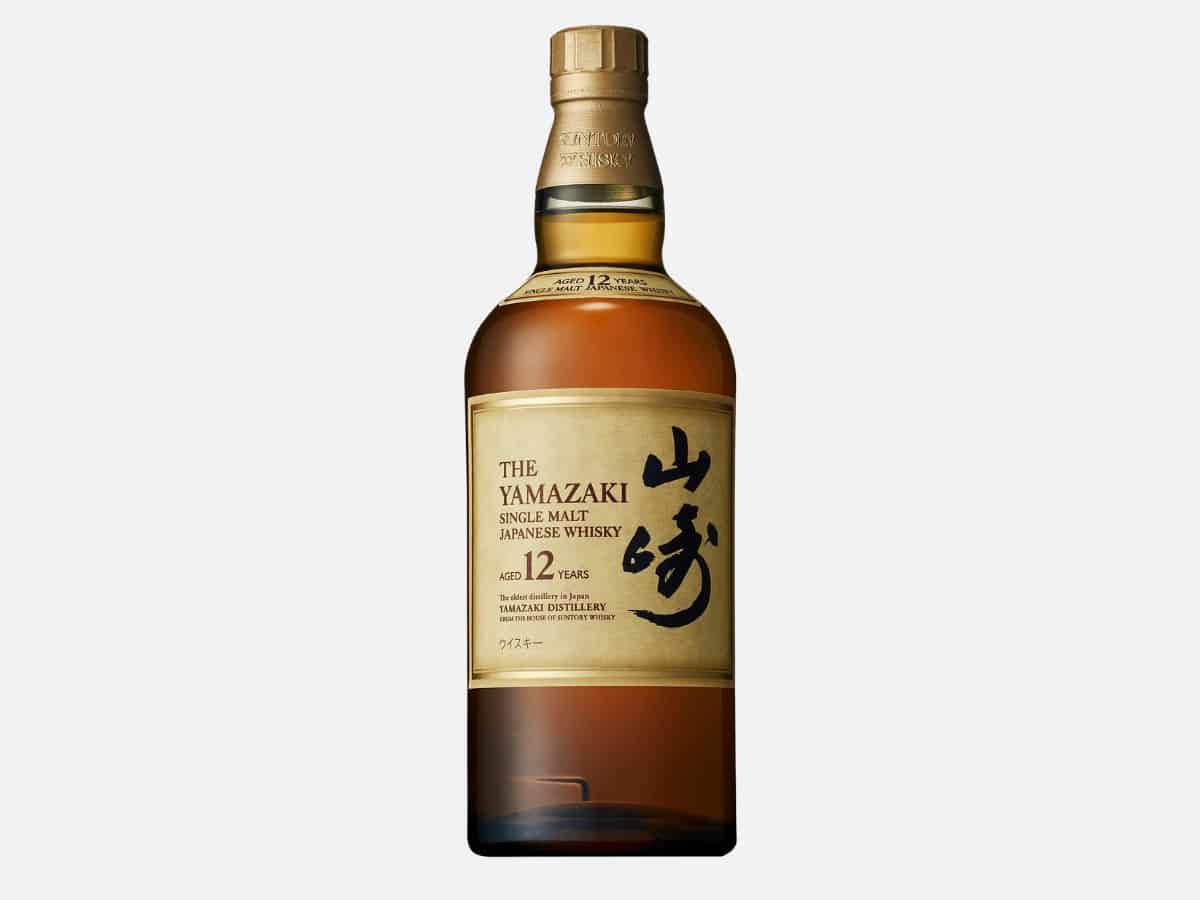
1. Yamazaki 12-Year-Old Single Malt
As the flagship expression of Japan’s oldest distillery, the Yamazaki 12-Year-Old is considered the gold standard for the category. It is matured in a combination of American, Spanish, and Japanese Mizunara oak casks. The Mizunara oak is particularly significant; it is a rare, porous wood that requires at least 200 years of growth before harvest and imparts unique notes of sandalwood and temple incense.

- Tasting Profile: Notes of succulent pineapple, grapefruit, and candied orange, underpinned by a spicy, woody finish from the Mizunara.
2. Hakushu 12-Year-Old Single Malt
Known as the "Forest Distillery," Hakushu is located at a high altitude in the Japanese Alps. The distillery utilizes different fermentation and distillation setups to produce a wide variety of spirits. The 12-Year-Old is a vatted marriage of lightly peated and non-peated malts.
- Tasting Profile: Herbal and crisp, featuring notes of peppermint, pine needles, and green apple, with a very delicate, wafting smoke on the finish.
3. Hibiki Japanese Harmony
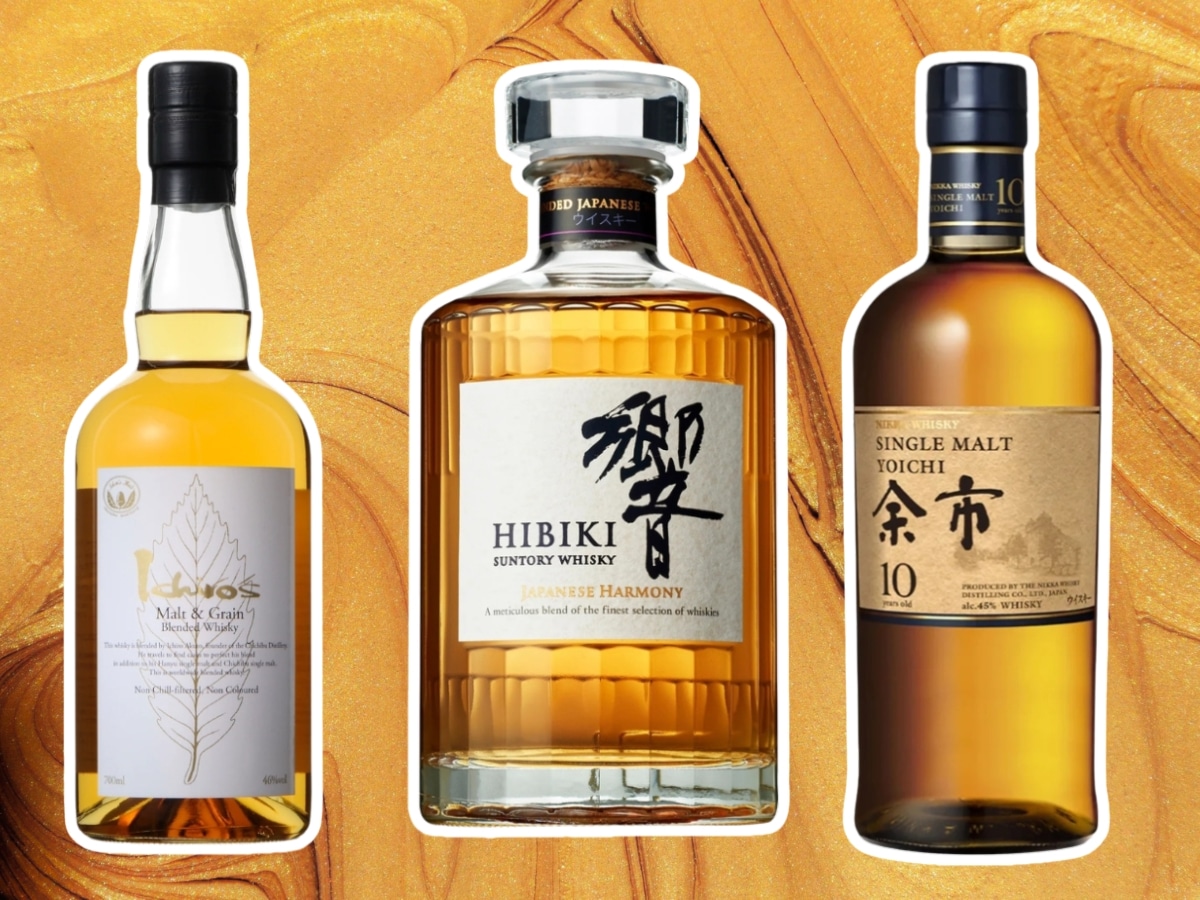
Hibiki, meaning "resonance," is the quintessential Japanese blended whisky. It was launched to commemorate Suntory’s 90th anniversary. Harmony is a blend of more than ten malt and grain whiskies from the Yamazaki, Hakushu, and Chita distilleries. The 24-faceted bottle represents the 24 seasons of the traditional Japanese lunar calendar.

- Tasting Profile: Highly floral and honeyed, with hints of rose, rosemary, and lychee, finishing with a touch of Mizunara-driven spice.
4. Nikka Yoichi 10-Year-Old Single Malt
The Yoichi Distillery remains one of the few in the world to still use traditional coal-fired pot stills. This method results in a robust, slightly charred character. The 10-Year-Old was recently reintroduced to the permanent lineup after years of scarcity.
- Tasting Profile: Saline and peaty, reflecting its coastal Hokkaido origins. Expect notes of stone fruit, ginger, and a bold, smoky backbone.
5. Nikka Coffey Grain
Named after Aeneas Coffey, the inventor of the continuous still, this whisky is made primarily from corn. While most grain whiskies are used for blending, Nikka bottles this as a standalone product to showcase its creamy, bourbon-like texture.
- Tasting Profile: Sweet and mellow, with dominant notes of vanilla, popcorn, and tropical fruits.
6. Ichiro’s Malt & Grain
Created by Ichiro Akuto, the founder of the Chichibu Distillery, this "World Blended Whisky" is a transparent acknowledgment of the global nature of modern distilling. It combines young Chichibu malts with aged stocks from Scotland, Ireland, Canada, and the U.S.
- Tasting Profile: Balanced and complex, offering a mixture of orchard fruits, toffee, and a slight peppery heat.
Market Data and Economic Implications
The Japanese whisky market is currently defined by a severe supply-demand imbalance. Data from the Japanese Ministry of Finance indicates that whisky exports have grown by over 400% in value over the last decade. In 2022, Japanese whisky exports reached a record 56 billion yen (approximately $380 million USD).

The "Age Statement Crisis" of the mid-2010s—where many brands discontinued 12, 17, and 21-year-old expressions due to lack of stock—has led to a surge in the secondary market. Auction data from platforms like Sotheby’s and Bonhams shows that rare bottles, such as the Yamazaki 55-Year-Old, have fetched upwards of $600,000 at auction. This "investment-grade" status has made it difficult for average consumers to find premium bottles at retail prices, though distilleries are currently in the midst of a massive infrastructure expansion to increase future stocks.
Broader Impact and Future Outlook
The success of Japanese whisky has had a profound influence on global distilling trends. The industry’s focus on "Kaizen" (continuous improvement) has led to innovations in fermentation, such as the use of various yeast strains to create different flavor profiles within a single distillery. Furthermore, the global demand for Mizunara oak has seen Scottish and Irish distilleries beginning to experiment with Japanese wood for finishing their own spirits.

As the industry moves forward, the rise of "craft" Japanese distilleries—such as Chichibu, Shizuoka, and Akkeshi—is expected to provide more diversity to a market historically dominated by Suntory and Nikka. These smaller operations are focusing on local terroir, using Japanese-grown barley and even local peat, further cementing Japan’s place as a permanent and innovative leader in the world of fine spirits. For the consumer, the 2024 regulations provide the necessary assurance that the liquid in the glass is a true reflection of the Japanese landscape and its century-old distilling tradition.




 Yuyun Lusiyani
 Joko Widodo
 Jia Lissa
 Pevita Pearce
 admin
admin
