
 Lina Irawan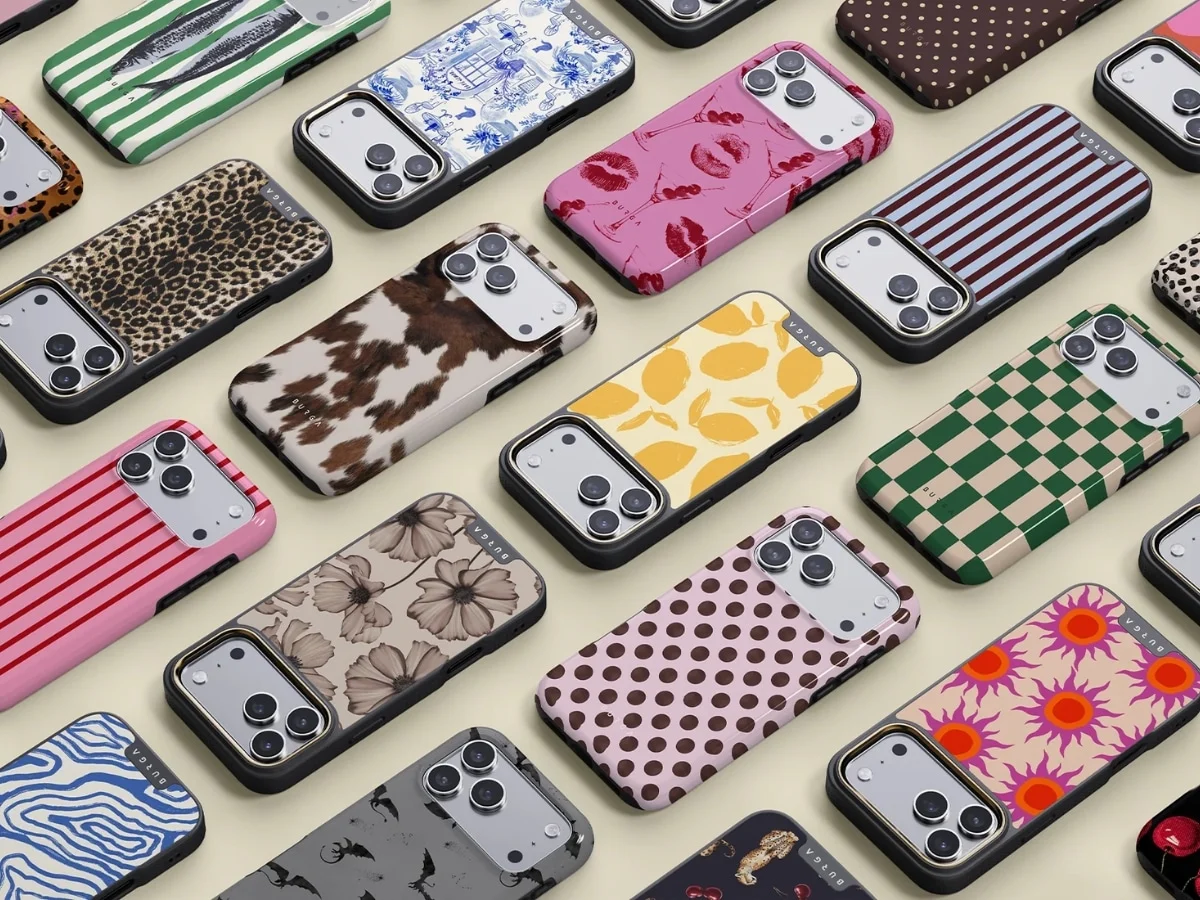
The release of the iPhone 18 Pro and iPhone 18 Pro Max has prompted a significant surge in the smartphone accessory market, as consumers seek to safeguard devices that now represent a substantial financial investment. With retail prices for the flagship models reaching record highs, the decision regarding protective casing has transitioned from a secondary consideration to a primary necessity. The current landscape of accessories for the iPhone 18 series is defined by a blend of sophisticated material science, enhanced charging capabilities, and the integration of specialized interfaces designed to accommodate Apple’s latest hardware innovations, most notably the new Camera Control button and the transition to 25W Qi2 wireless charging.
The Evolution of First-Party Protection: Apple’s Shift to TechWoven
Apple’s approach to its first-party accessory lineup has undergone a notable transformation this year. Following the mixed reception of the previous "FineWoven" materials, the company has introduced the TechWoven design as its flagship premium offering. This shift represents a broader industry trend toward sustainable yet durable textiles. The TechWoven case, priced at AUD$99, is constructed from 100 percent recycled polyester. By utilizing a Jacquard loom, Apple has managed to create a textured surface that offers more depth than standard silicone, addressing previous consumer demands for a more tactile and premium feel without the environmental footprint of traditional leather.
The technical specifications of the TechWoven line include integrated MagSafe magnets and support for the updated Qi2 25W charging standard. This is a critical development, as the iPhone 18 Pro series requires high-efficiency thermal management to maintain these faster wireless charging speeds. Furthermore, the TechWoven cases feature anodized aluminum buttons, providing a mechanical tactile response that mimics the device’s own chassis. Available in a palette including Burgundy, Olive, Taupe, Chambray Blue, Mulberry, and Black, these cases are positioned as the definitive choice for users prioritizing brand ecosystem synergy.

Technical Innovations in the Silicone and Clear Case Categories
For users seeking the traditional Apple aesthetic, the Silicone and Clear cases remain staples of the collection. Priced at AUD$79, these cases have been updated with a sophisticated interface for the iPhone 18’s Camera Control. Unlike many third-party manufacturers that utilize simple cutouts, Apple’s Silicone and Clear cases employ a sapphire crystal coupled with a conductive layer. This allows the user to interact with the touch-sensitive camera button without direct skin-to-device contact, maintaining the waterproof integrity and structural rigidity of the case frame.
The Clear Case, in particular, addresses a long-standing consumer pain point: yellowing. Apple asserts that the polycarbonate and flexible materials used in the iPhone 18 Pro version are treated with a specialized UV-resistant coating. This is intended to preserve the optical clarity of the case over extended periods of use. The Silicone Case continues to feature a soft-touch exterior and a microfiber internal lining, which serves to prevent micro-abrasions on the iPhone’s titanium frame—a detail often overlooked by budget-tier manufacturers.

The Third-Party Market: Engineering for Durability and Customization
The third-party ecosystem for the iPhone 18 Pro has matured rapidly, with established brands offering specialized solutions that often exceed the protective specifications of first-party options. Companies such as Mous, OtterBox, and dbrand have focused on specific niches, ranging from military-grade impact resistance to high-degree aesthetic customization.
Rugged Protection and Impact Science
The OtterBox Defender Series Pro XT stands at the pinnacle of the rugged category, priced at AUD$119.95. This model is engineered to withstand seven times the MIL-STD-810G drop standard, a benchmark used by the U.S. Department of Defense to determine the environmental resilience of equipment. The Defender Series Pro XT utilizes a dual-layer design with grippy rubber edges and integrated port covers, which are essential for users in high-dust or outdoor environments.

Similarly, Mous has refined its Limitless range (starting at USD$76.99) by employing its proprietary AiroShock technology. This material contains thousands of microscopic air pockets that act as tiny springs, absorbing the kinetic energy of a fall before it reaches the glass sandwich construction of the iPhone 18 Pro. Mous has also introduced a modular element this year, allowing users to swap between a Camera Guard and a Camera Kickstand, reflecting a growing consumer interest in multi-functional accessories.
Aesthetic Versatility and the "Skin" Economy
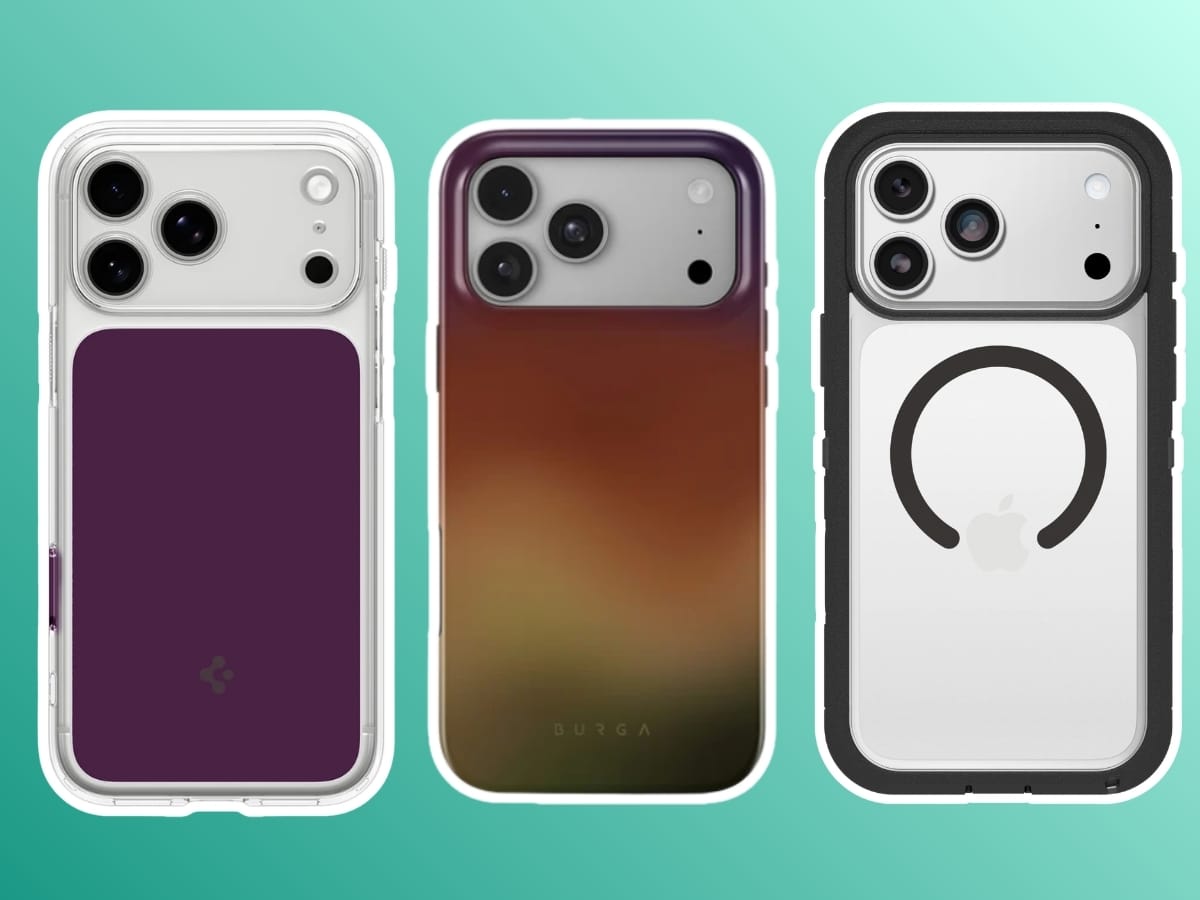
For consumers who view their smartphone as a fashion statement, BURGA and dbrand offer divergent paths. BURGA’s Tough range (from AUD$89) focuses on fade-resistant prints and a vast catalog of designs, moving away from the utilitarian look of traditional cases. Their construction utilizes a "dual-layer" system—a hard polycarbonate outer shell for scratch resistance and a TPU interior for shock absorption.

Conversely, dbrand continues to lead the "Grip Case" market (from USD$54.90). Their strategy involves a high-friction frame paired with interchangeable back skins. This allows users to refresh the look of their device—ranging from leather textures to "teardown" internal views—without the cost of a full case replacement. Notably, dbrand has implemented a capacitive Camera Control button to ensure full functionality of the iPhone 18’s new sensor.
The Value Proposition: High-Performance Budget Alternatives
The entry of Spigen and Tech21 into the iPhone 18 Pro market provides essential options for price-sensitive consumers. The Spigen Ultra Hybrid T MagFit, retailing around AUD$42, is particularly significant for its use of "DuraClear" resin. This material is specifically formulated to resist the chemical reactions caused by hand oils and environmental pollutants that typically lead to case discoloration.

Tech21’s EvoClear (AUD$49.95) emphasizes "self-healing" technology. The surface of the case is designed to close up minor scratches automatically, maintaining a pristine appearance. These brands demonstrate that high-level protection, including 3.6-meter drop ratings, can be achieved at approximately half the price of premium first-party offerings, provided the consumer is willing to forgo certain luxury materials like recycled polyester or full-grain leather.
Specialized Solutions: The Rise of the Phone-Wallet Hybrid
Melbourne-based Bellroy has addressed the trend toward "everyday carry" (EDC) optimization with its Phone Case – 3 Card. As digital wallets become the norm, Bellroy has engineered a solution for the remaining physical cards that users must carry, such as transit passes or identification. The case features a magnetic "trapdoor" that conceals up to three cards while doubling as a media kickstand. The use of gold-rated, eco-tanned leather ensures that the case patinas over time, a characteristic highly valued in the premium accessory market. This case also includes a dedicated tempered glass button cover for the Camera Control, ensuring that even with leather construction, the device’s specialized sensors remain fully accessible.

Chronology of the iPhone 18 Accessory Launch
The development cycle for these cases typically begins six to nine months prior to the iPhone’s official announcement. Accessory manufacturers rely on "dummy units" and leaked CAD (Computer-Aided Design) specifications to begin tooling their molds.
- January – March: Initial CAD leaks emerge from the supply chain, indicating changes to button placement and dimensions.
- May: Tooling begins for major manufacturers like OtterBox and Spigen.
- July: Final specifications are confirmed; production of the first batches commences.
- September: Simultaneous launch with the iPhone 18 Pro, ensuring that consumers can protect their devices from the moment of purchase.
Broader Implications: Sustainability and the "Right to Repair"
The smartphone case industry is currently facing increased scrutiny regarding its environmental impact. With millions of cases produced annually, the shift toward recycled materials seen in Apple’s TechWoven and Bellroy’s eco-tanned leather is a response to both regulatory pressure and consumer sentiment. Furthermore, as the iPhone 18 Pro becomes more repairable due to internal design changes, the role of the case has shifted from merely preventing total destruction to maintaining the device’s resale value by preventing minor cosmetic damage.

Market analysts suggest that the premium case market will continue to grow at a Compound Annual Growth Rate (CAGR) of 6.5% over the next five years. This growth is driven by the increasing average selling price (ASP) of smartphones; as the cost of the hardware rises, the consumer’s willingness to spend AUD$80 to AUD$120 on a case increases proportionally.
Final Analysis: Selecting the Appropriate Protection
Choosing the correct case for the iPhone 18 Pro or Pro Max requires a balance of environmental considerations, functional requirements, and aesthetic preferences. For the user integrated into the Apple ecosystem, the TechWoven and Silicone options offer the most seamless experience, particularly regarding the sophisticated Camera Control interface. However, for those operating in high-risk environments or those seeking a unique visual identity, the third-party market provides superior specialized performance.

The integration of MagSafe and Qi2 standards across almost all reviewed models indicates that wireless charging efficiency is no longer a luxury feature but a baseline requirement. As the iPhone 18 Pro series continues to push the boundaries of mobile technology, the accessory industry has proven itself capable of matching that pace with innovations in material science and ergonomic design. Whether through the military-grade resilience of OtterBox or the refined leatherwork of Bellroy, the 2024-2025 accessory lineup ensures that the most advanced smartphone in the world is also the best protected.




 Yuyun Lusiyani
 Joko Widodo
 Jia Lissa
 Pevita Pearce
 admin
admin
