
 Joko Widodo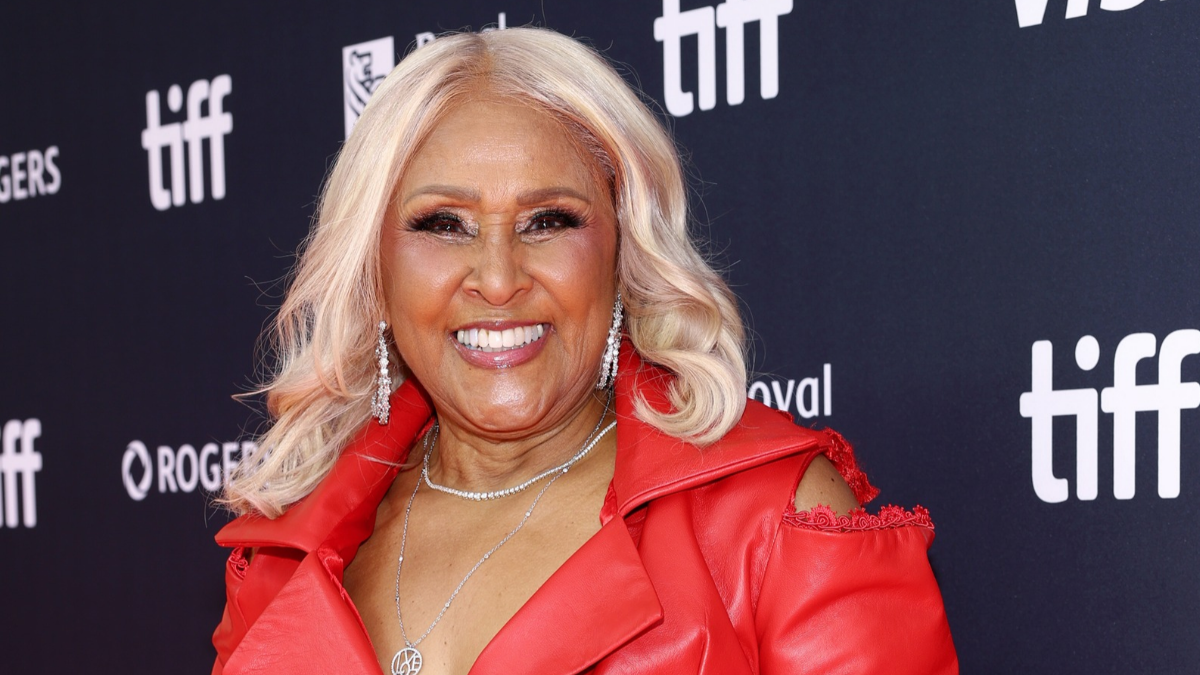
The Toronto International Film Festival (TIFF) 2026 has become the stage for the world premiere of "Darlene Love: I Know Where I’ve Been," a deeply personal and comprehensive documentary that finally places the iconic vocalist at the forefront of her own narrative. This cinematic event, arriving 13 years after Love captivated audiences in the Oscar-winning documentary "20 Feet From Stardom," offers an intimate and unflinching look at the extraordinary life and career of a performer whose voice has been a cornerstone of popular music for over six decades. At 85 years old, Darlene Love is the undisputed subject of this film, a retrospective that navigates the exhilarating highs and the profound challenges that have shaped her indelible legacy.
A Journey Through Decades of Musical Triumph and Personal Resilience
Directed by Barry Avrich, "Darlene Love: I Know Where I’ve Been" meticulously chronicles Love’s extensive musical journey. The documentary delves into her formative years, particularly her groundbreaking work with the visionary producer Phil Spector in the 1960s, a period that saw her voice become synonymous with the "Wall of Sound." It then transitions to explore her remarkable comeback in the 1980s and her ongoing collaborations with some of the music industry’s most celebrated artists.
Love’s ascent to prominence began with her powerful rendition of "He’s a Rebel," a track that rocketed to the top of the charts and solidified her presence in the burgeoning pop landscape. Her vocal prowess was further showcased through uncredited but pivotal contributions to iconic hits by The Ronettes, including the timeless "Be My Baby," and even Boris Pickett’s novelty smash "Monster Mash." These early successes, however, were shadowed by the complexities of contractual agreements and the often-opaque nature of the music business, particularly during the Spector era.
The documentary does not shy away from the difficult periods in Love’s career. After her initial rise to fame, she made the courageous decision to step away from the relentless demands of the music industry to focus on raising her family. This period of personal commitment led to an extended hiatus from professional singing, during which Love faced significant financial struggles, even resorting to cleaning homes in Beverly Hills to provide for her children. This chapter of her life underscores a profound resilience and a commitment to her family that transcends her celebrated artistic achievements.
The 1980s marked a significant turning point, signaling Love’s powerful return to the music scene. This resurgence saw her collaborate with a constellation of music legends, including Bruce Springsteen, Cher, Paul Shaffer, and many others. Her distinctive voice and undeniable stage presence made her a sought-after collaborator, and her contributions to their work further cemented her status as a vocalist of exceptional caliber. The documentary highlights these collaborations not just as professional engagements, but as testaments to her enduring talent and her ability to connect with artists across generations.
Behind the Lens: Avrich’s Vision and Henson’s Advocacy
Director Barry Avrich, known for his work in capturing the essence of influential figures, brings a keen eye to Love’s story. His approach in "I Know Where I’ve Been" is to allow Love’s voice, both literal and metaphorical, to command the narrative. The film is more than a biographical account; it is an exploration of artistic integrity, the challenges faced by female artists, and the enduring power of perseverance.
In a candid interview with TheWrap, Avrich articulated his admiration for Love’s sustained artistic brilliance. He remarked, "When you think about her voice and you think about her career, it’s the alchemy of the greats." This sentiment captures the unique blend of natural talent, honed skill, and sheer force of personality that defines Darlene Love. Avrich’s direction aims to illuminate this "alchemy," showcasing how Love’s voice became an integral part of some of music’s most memorable moments, even when her name was not always front and center.
The documentary also benefits from the passionate involvement of Taraji P. Henson, who serves as an executive producer. Henson, a celebrated actress and advocate for diverse storytelling, recognized the urgency and inspiration inherent in Love’s journey. She articulated this sentiment during discussions surrounding the film, stating, "All the odds were stacked against her, and she still prevailed. That’s inspiration. That’s a story that is needed now, and I think the universe lined it up this way." Henson’s perspective highlights the broader cultural significance of Love’s story, emphasizing its relevance in a contemporary context where narratives of overcoming adversity and achieving success against all odds resonate deeply. Her involvement signifies a commitment to ensuring that Love’s contributions are not only acknowledged but celebrated with the gravitas they deserve.
For Darlene Love herself, the documentary represents a long-overdue moment of recognition and personal validation. In a poignant reflection captured within the film, she states, "In the film, I say this about me, and I didn’t always say it: It’s my turn." This declaration encapsulates the profound emotional weight of the project, signifying a culmination of decades of hard work, artistic excellence, and unwavering spirit. It is an acknowledgment that her story, her voice, and her experiences are finally taking center stage, not as a supporting act, but as the headline.
The Context of "20 Feet From Stardom" and the Evolution of Recognition
The premiere of "Darlene Love: I Know Where I’ve Been" at TIFF 2026 is particularly significant when viewed in the context of her impactful appearance in "20 Feet From Stardom" (2013). That critically acclaimed documentary shone a much-needed spotlight on the often-unseen world of backup singers, revealing the immense talent and emotional depth of artists like Love, Merry Clayton, and Lisa Fischer. "20 Feet From Stardom" was instrumental in bringing Love’s story to a wider audience, culminating in her induction into the Rock and Roll Hall of Fame in 2011, an honor that many felt was long overdue.
However, while "20 Feet From Stardom" explored the collective experience of backup singers and their contributions to music history, "I Know Where I’ve Been" offers a singular focus. It allows for a deeper exploration of Love’s individual journey, her personal triumphs, her moments of profound vulnerability, and the specific challenges she navigated within the music industry. The 13-year gap between these two significant cinematic moments reflects a broader societal shift towards acknowledging and celebrating the contributions of artists who have historically been marginalized or overlooked. This new documentary builds upon the foundation laid by its predecessor, offering a more intimate and expansive portrait of a true musical icon.
Supporting Data and Industry Impact
The narrative arc of Darlene Love’s career, as presented in the documentary, is a compelling case study in the complexities of the music industry, particularly concerning artist compensation, credit, and recognition, especially during the pre-digital era. The 1960s, under the aegis of producers like Phil Spector, were characterized by a system where vocalists often sang on multiple artists’ records without receiving official credit or commensurate financial reward. This practice, while contributing to the sonic landscape of the era, left many talented performers, including Love, in a precarious position.
The documentary’s exploration of Love’s financial struggles in the intervening years between her initial success and her 1980s comeback offers a stark reminder of the economic realities faced by many musicians, even those with undeniable talent. Her work as a domestic cleaner, while a testament to her determination, highlights the systemic issues that can plague artists who lack robust contractual protections or ongoing royalty streams.
Conversely, her resurgence in the 1980s and subsequent collaborations underscore the enduring power of her vocal talent. The artists she worked with during this period, such as Bruce Springsteen, are known for their discerning musical taste and their appreciation for exceptional vocalists. Her continued presence in the music scene, including her regular appearances performing "Christmas (Baby Please Come Home)" on the David Letterman Show for years, demonstrates a sustained relevance and a deep connection with audiences. This longevity is a rare commodity in the music industry and speaks volumes about her artistic resilience.
The documentary’s pursuit of distribution signals a crucial next step in bringing Love’s story to the public. A successful distribution deal would ensure that "I Know Where I’ve Been" reaches a broad audience, offering inspiration and education about a pivotal figure in music history. The film’s potential impact extends beyond mere entertainment; it serves as a valuable historical document, providing context for the evolution of the music industry, the challenges faced by female artists, and the importance of recognizing and celebrating artistic contributions that have shaped our cultural landscape.
Official Responses and Broader Implications
While specific official statements from the film’s distributors are pending, the premiere at TIFF, a globally recognized festival, signifies a strong endorsement from the film community. The presence of industry professionals, critics, and film buyers at the screening suggests a high level of interest in the documentary’s commercial and artistic potential.
The broader implications of "Darlene Love: I Know Where I’ve Been" are significant. It contributes to a growing movement within the entertainment industry to re-examine historical narratives and to give voice to artists whose contributions have been historically understated. In an era where biographical films and documentaries are increasingly popular, Love’s story offers a powerful blend of musical artistry, personal struggle, and ultimate triumph. It serves as a potent reminder that behind many of the most iconic songs in history are talented individuals whose own stories are often as compelling as the music they helped create.
Furthermore, the film’s emphasis on Love’s resilience and her journey to claim her own narrative resonates with contemporary discussions about empowerment, self-advocacy, and the importance of owning one’s story. As Taraji P. Henson aptly stated, this is a story "that is needed now." In a world still grappling with issues of recognition, compensation, and representation, Darlene Love’s journey, as meticulously chronicled in "I Know Where I’ve Been," offers a timeless and inspiring testament to the enduring power of talent, perseverance, and the undeniable truth that, for legends like Darlene Love, it is indeed "my turn." The film’s subsequent journey through distribution will undoubtedly bring this crucial narrative to audiences worldwide, solidifying her place in the pantheon of musical greats.




 Yuyun Lusiyani
 Jia Lissa
 Pevita Pearce
 admin
admin
