
 Lina Irawan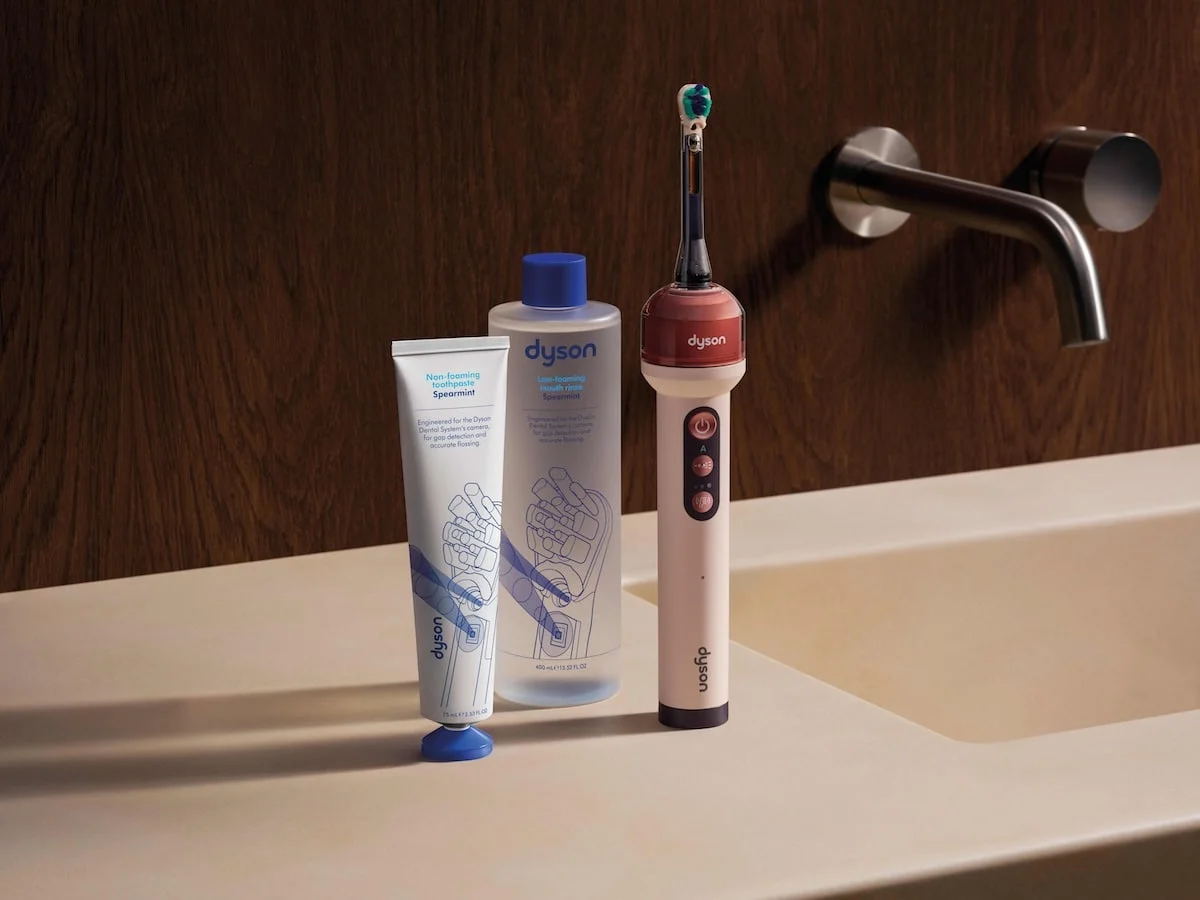
The Dyson CameraJet represents a significant pivot for a company historically defined by its mastery of airflow and suction. By entering the oral care market with a high-technology electric toothbrush that integrates a camera-guided interdental cleaning system, Dyson is attempting to automate one of the most neglected aspects of personal hygiene: flossing. Priced at $799, the device is positioned at the absolute premium end of the consumer health market, challenging established incumbents like Philips Sonicare and Oral-B with a suite of features that rely on fluid dynamics and computer vision. The CameraJet is designed to perform simultaneous brushing and flossing, using a high-velocity jet of mouth rinse to clear interdental spaces in real-time as the user moves the brush head across their teeth.
The Engineering Philosophy Behind Dyson’s Entry into Oral Health
Dyson’s expansion into the dental sector follows a multi-year investment strategy into health and wellness technology. The company has previously committed over $3.4 billion to a long-term research and development program focusing on robotics, motor technology, and intelligent hardware. The CameraJet is the culmination of this research within the personal care space, utilizing the company’s expertise in high-pressure liquid delivery systems.
The core value proposition of the CameraJet is the elimination of manual flossing. According to dental health statistics, while a majority of adults brush their teeth twice daily, a significantly lower percentage—often cited between 30% and 40%—adhere to a consistent flossing regimen. Dyson’s solution is to remove the "human error" and "friction" of manual flossing by integrating the process into the brushing cycle. The device uses an internal camera to identify the gaps between teeth, triggering a precise "jet" of mouth rinse at a velocity sufficient to dislodge plaque and debris without damaging the gingival tissue.
Hardware Specifications and Initial Setup
The Dyson CameraJet arrives in a comprehensive package that emphasizes its role as a stationary health hub rather than a mere portable accessory. The central component is the charging stand, which serves as a docking station and a fluid reservoir. Unlike traditional toothbrush chargers, this unit features a large tank for "mouth rinse" (Dyson’s proprietary formulation), which automatically refills the internal tank of the toothbrush when docked.
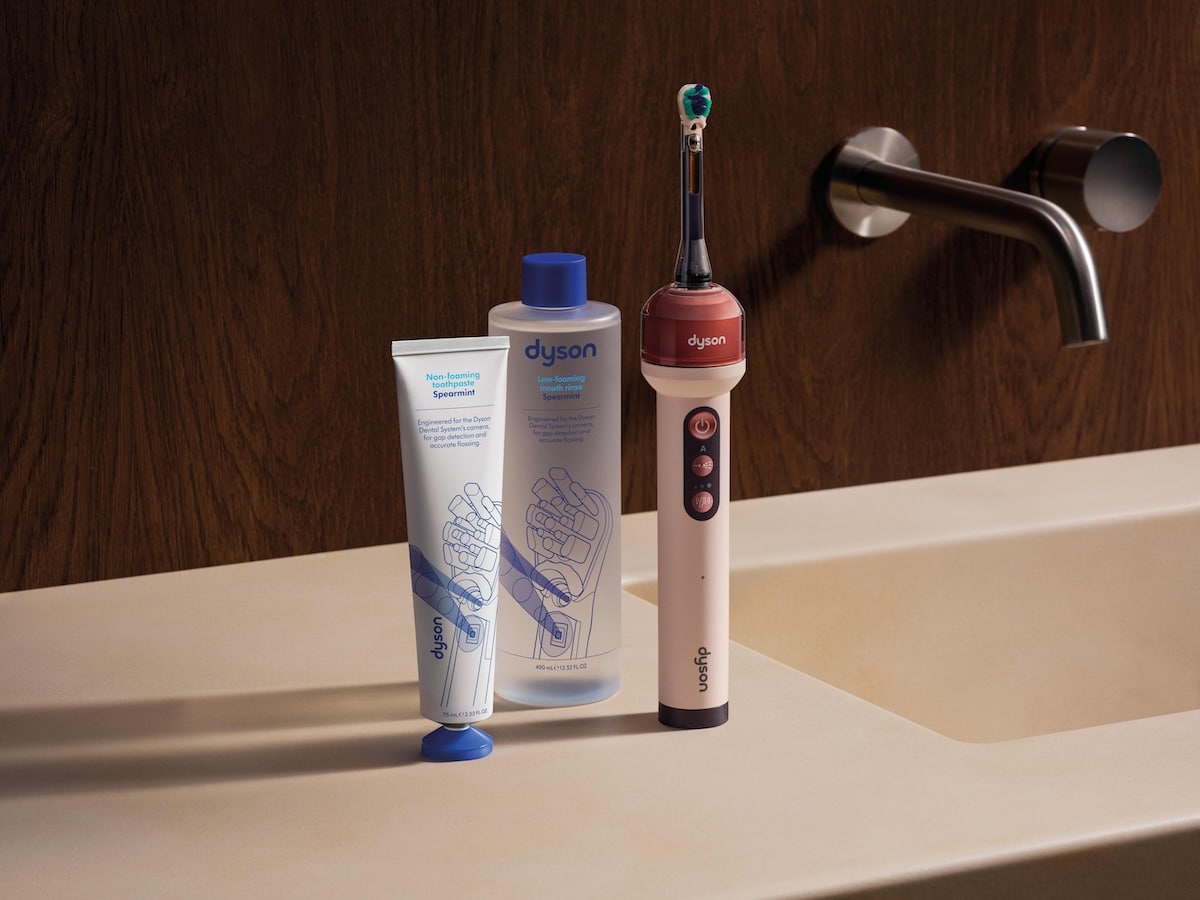
The physical footprint of the stand is substantial, reflecting the mechanical complexity required to align the brush’s internal hoses with the reservoir’s delivery system. The connection is achieved through a high-precision docking mechanism that ensures a watertight seal for fluid transfer. Included in the standard retail kit are two specialized brush heads, the main toothbrush body, a USB-C charging cable, and full-sized containers of Dyson’s non-foaming toothpaste and spearmint-flavored mouth rinse.

Technical Analysis of the Brushing and Flossing Mechanism
In practice, the CameraJet operates using a combination of oscillation and vibration. While many electric toothbrushes rely on one or the other, Dyson’s motor technology attempts to bridge the gap between the high-frequency vibrations of sonic brushes and the mechanical scrubbing of oscillating-rotary heads. Field testing suggests that the cleaning efficacy is comparable to top-tier professional models, such as the Oral-B iO series, particularly in its ability to handle surface stains and plaque.
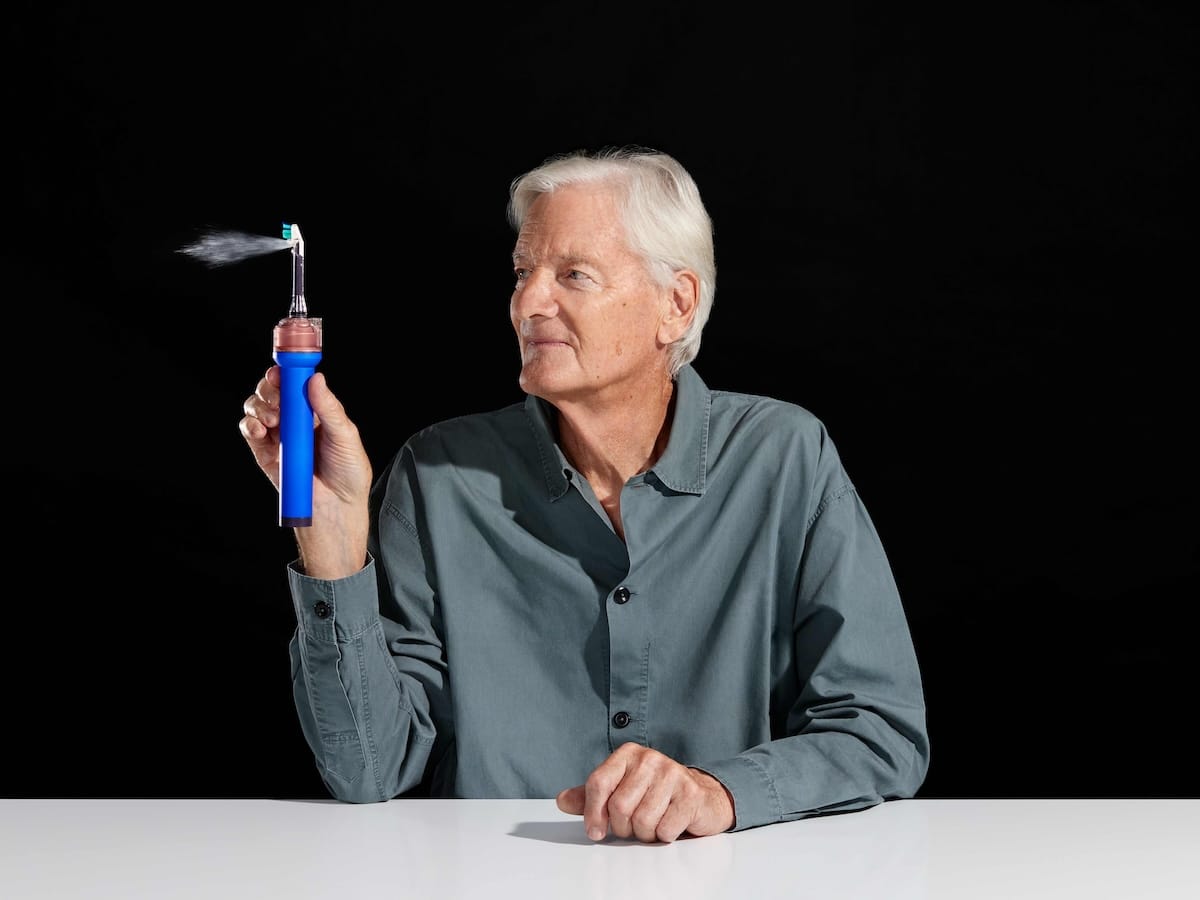
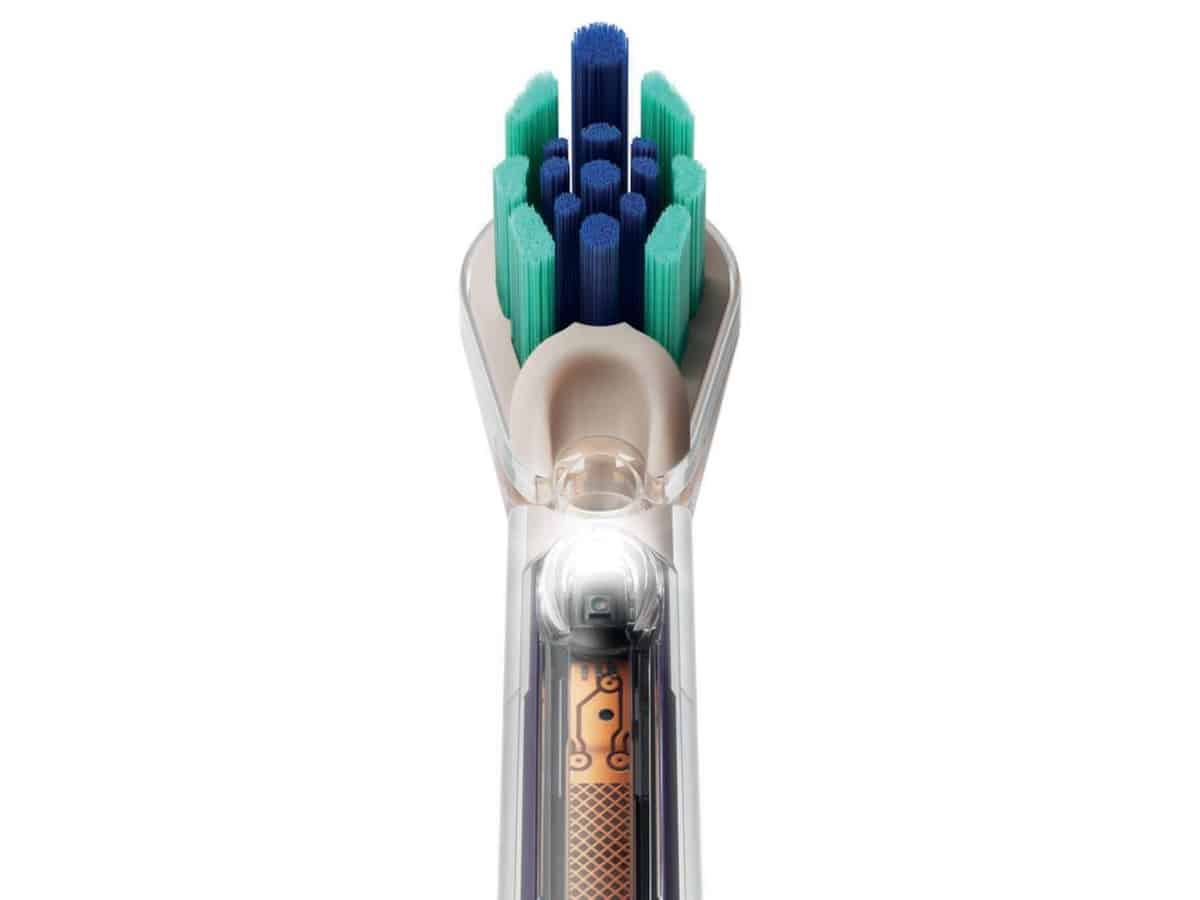
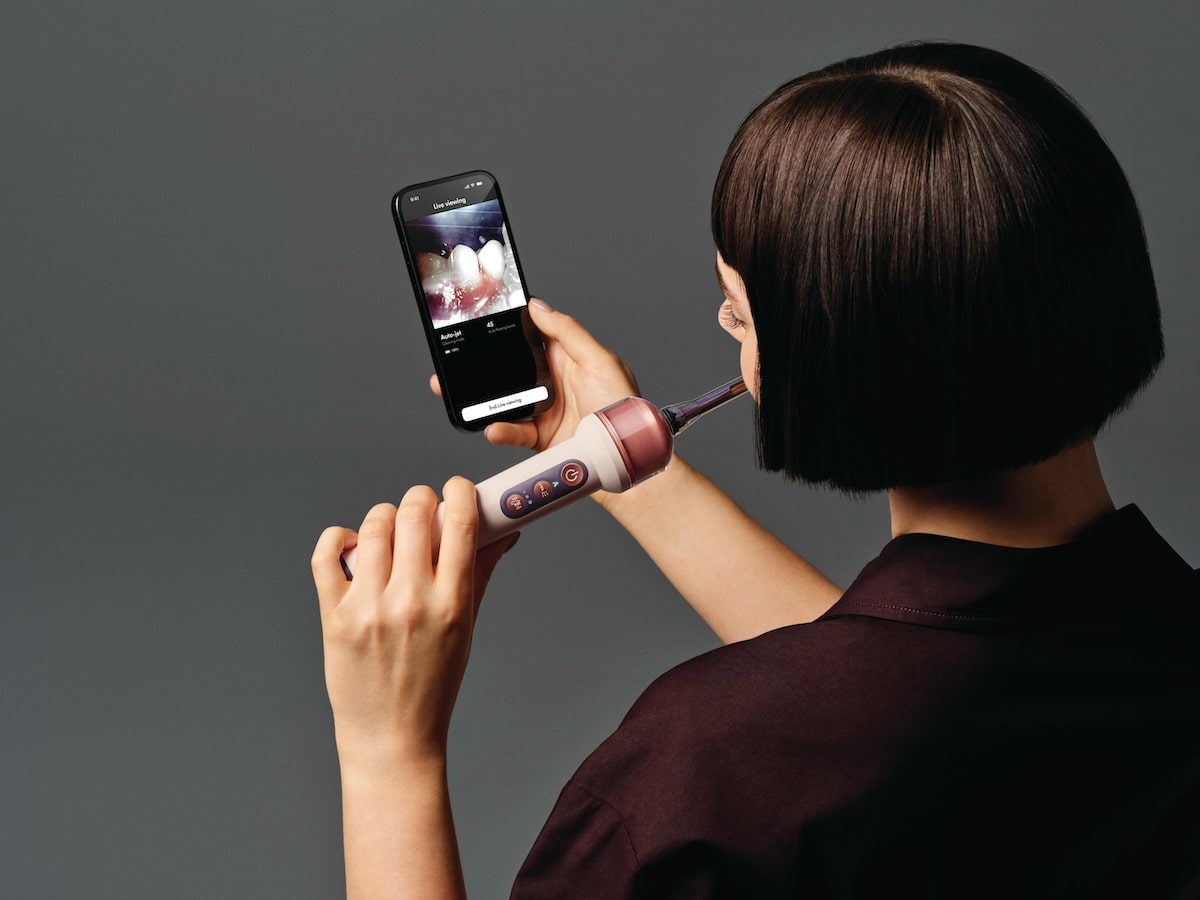
The "Jet" component of the CameraJet is triggered by a camera located near the bristles. This camera scans the dental landscape and identifies the interdental gaps. When a gap is detected, the device fires a high-velocity stream of mouth rinse. However, this automation introduces a new set of user requirements. To ensure the jet hits the intended target, the brush must be held at a specific horizontal angle. Deviations from this orientation can result in the fluid missing the interdental space and ricocheting off the tongue or gums, often leading to significant "splatter" on bathroom surfaces.
Furthermore, the brush head is notably smaller than those found on traditional electric toothbrushes. This design choice was necessitated by the need to house the fluid nozzle and the camera lens within a compact frame. As a result, users may find they need to spend more time on each quadrant of the mouth to ensure total surface coverage compared to larger-headed competitors.
The Role of Computer Vision and the MyDyson App
The inclusion of a camera in a toothbrush serves a dual purpose: navigation for the flossing jets and diagnostic monitoring for the user. Through the MyDyson app, users can access a live stream of the camera’s feed, allowing for a high-definition view of their own dental anatomy. This feature is intended to help users identify areas of concern, such as early-stage cavities or gum inflammation, that are typically invisible in a standard mirror.
Data privacy is a central pillar of the CameraJet’s software architecture. Dyson has confirmed that the video footage generated during brushing sessions is not stored on the device, the smartphone, or the cloud. The live feed is transmitted via a local Wi-Fi connection directly to the user’s phone and is discarded immediately after the session ends.
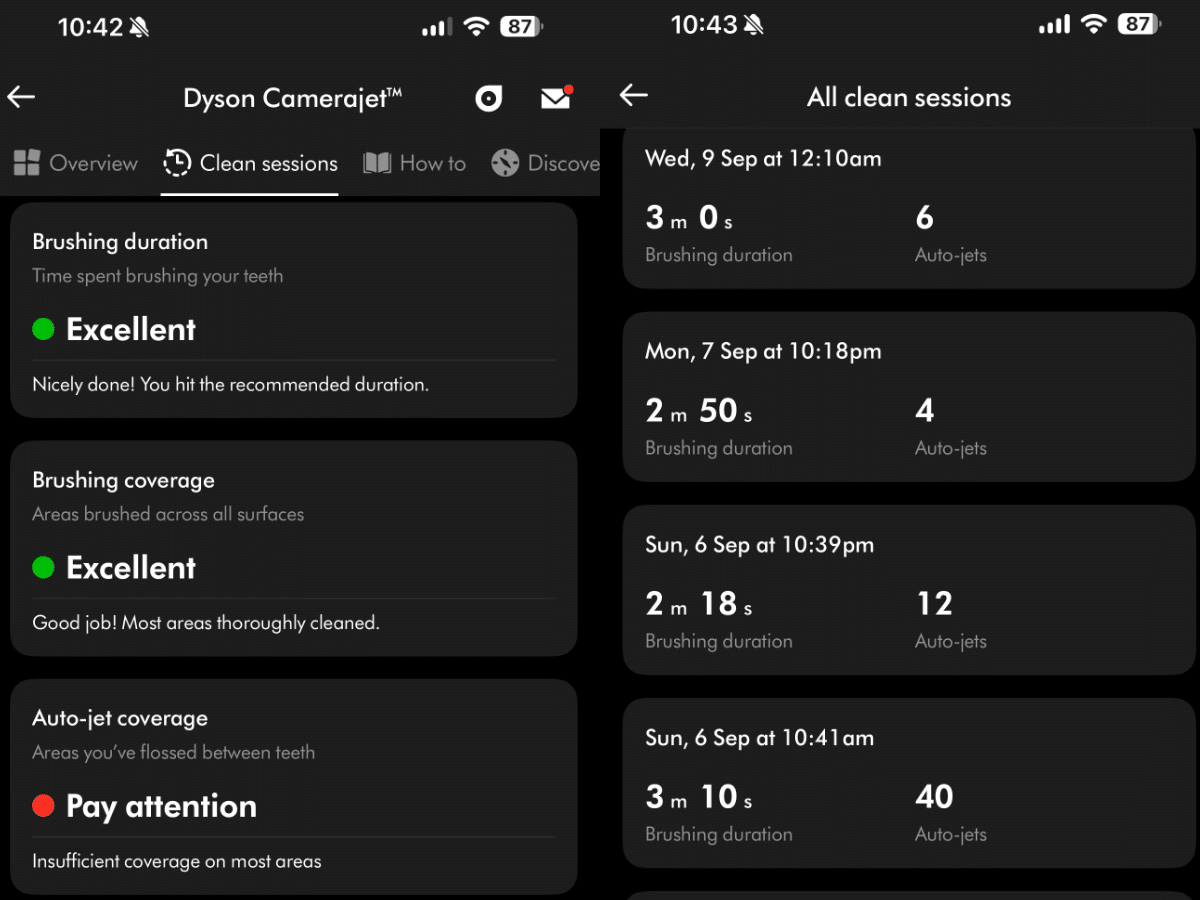
The app also functions as a performance tracker. It records the duration of each brush, the number of successful "auto-jets" fired, and provides haptic feedback if the user applies too much pressure. Pressure-sensitive sensors are critical in modern dental care to prevent enamel erosion and gum recession. While many brushes use a simple light to warn of over-brushing, the CameraJet employs a more assertive haptic interruption, forcing the user to adjust their technique.
Maintenance and the Consumables Ecosystem
A significant departure from traditional oral care is the maintenance required for the CameraJet’s camera system. To maintain the accuracy of the interdental jets, the camera lens must remain clear of toothpaste residue and hard water stains. This introduces a manual cleaning step involving cotton swabs to wipe the "camera bubble" inside the brush head—a task that adds labor to a routine intended to be more efficient.
The economic model of the CameraJet also relies on proprietary consumables. Dyson’s non-foaming toothpaste and mouth rinse are priced at $15.99 per unit. The toothpaste is specifically formulated to prevent foam from obscuring the camera’s view, while the mouth rinse is designed to provide fluoride protection even when used in the high-velocity jet system. While users can theoretically use water in the reservoir, Dyson recommends their own rinse to maintain the longevity of the internal pumps and to ensure optimal enamel protection.
Comparative Market Positioning
When compared to the current market leaders, the Dyson CameraJet sits in a category of its own.
- Price: At $799, it is nearly double the cost of the Philips Sonicare DiamondClean 9900 Prestige and the Oral-B iO10.
- Technology: It is the only consumer device to integrate real-time camera-guided fluid flossing.
- Portability: The current docking station is not designed for travel, though Dyson has indicated that a slimmer travel case is in development.
The device is clearly targeted at "early adopters" and high-net-worth individuals who prioritize technological integration and are willing to navigate the learning curve of a first-generation product.
Official Response and Reliability Concerns
Initial reports from early users and reviewers have highlighted inconsistencies in the camera’s performance, particularly regarding lens fogging and the frequency of the auto-jets. In some instances, the camera lens has been obscured by fluid, preventing the device from "seeing" the gaps between teeth.
In a formal statement addressing these concerns, Dyson representatives noted that they are actively monitoring feedback from the initial rollout. The company suggested that some reported issues might be attributed to faulty individual units rather than systemic design flaws. Dyson has committed to testing returned units to refine the firmware and hardware for future production runs. They emphasized that as with many Dyson innovations—such as the first cyclonic vacuum or the Supersonic hair dryer—the product is expected to evolve through iterative software updates and accessory refinements.
Broader Implications for the Dental Industry
The Dyson CameraJet represents more than just a luxury gadget; it is a proof-of-concept for the "Smart Home Health" movement. By turning a toothbrush into a data-gathering diagnostic tool, Dyson is moving toward a future where daily routines provide continuous health monitoring.
However, the challenges faced by the CameraJet highlight the difficulty of automating human biological maintenance. Unlike a floor that needs vacuuming, the human mouth is a high-humidity, variable environment that presents significant obstacles for optical sensors. If Dyson can overcome the mechanical hurdles of lens obscuration and fluid management, the CameraJet could set a new standard for preventative dental care. For now, it remains a bold, expensive experiment in engineering that requires the user to be as disciplined as the machine is complex. The success of the device will ultimately depend on whether the convenience of automated flossing outweighs the increased maintenance and the premium price of entry.




 Yuyun Lusiyani
 Joko Widodo
 Jia Lissa
 Pevita Pearce
 admin
admin
